Why Your House Still Feels Cold With the Heating On
Your heating is on but your house still feels cold. Find out what’s really causing it and how to fix it without wasting more energy or money.
RightAir Solutions is a company that specialises in commercial air conditioning services.
As winter tightens its grip, many UK homeowners start to notice their heat pumps behaving differently. This article explores why that happens and what can be done about it. Some signs are nothing to worry about. Others point to real faults that need attention.
Quick Fixes You Can Try First
Before diving into technical details, try these simple steps:
If problems persist, the rest of this guide will help you identify the issue and decide on next steps.
Imagine a frosty morning. You’ve turned the heating on, but the house still feels cold. Many homeowners are familiar with this experience. While heat pumps often perform well in warmer seasons, winter introduces challenges that expose hidden weaknesses.
Colder temperatures increase heating demand and reduce system efficiency. These seasonal strains lead to more people searching online during cold snaps. Many wonder whether their systems are failing or simply working as expected in difficult conditions. Most of the time, there is no need to panic. It helps to understand what is happening.
Colder outdoor temperatures increase system workload. Lower flow temperatures result in slower heat build-up. Perceived air temperature may feel cool, even during normal operation. Winter load pushes systems harder and highlights thermostat control limitations, especially when sensor thresholds are not adjusted for cold conditions. Recognising these behaviours can prevent unnecessary concern. Trusted organisations such as the Energy Saving Trust and MCS offer reliable guidance. This article brings together their insights in a UK-specific context.
Pro Tip: Even if your heat pump seems fine, checking flow temperatures before winter hits can prevent months of discomfort.
t is common for heat pumps to run more often in winter. This is not always a fault. Unlike boilers, heat pumps maintain steady temperatures through prolonged operation. This approach may feel unfamiliar, particularly in colder months.
However, constant running can suggest a problem if the heat pump is undersized for the property and cannot meet the home’s peak heating demand. Flow temperatures may be set too low for winter conditions. Dirty filters or a lack of servicing may also reduce performance. If the house remains cold despite continuous operation, review the system’s heat output, flow temperature settings, and whether the system was correctly sized for the building.
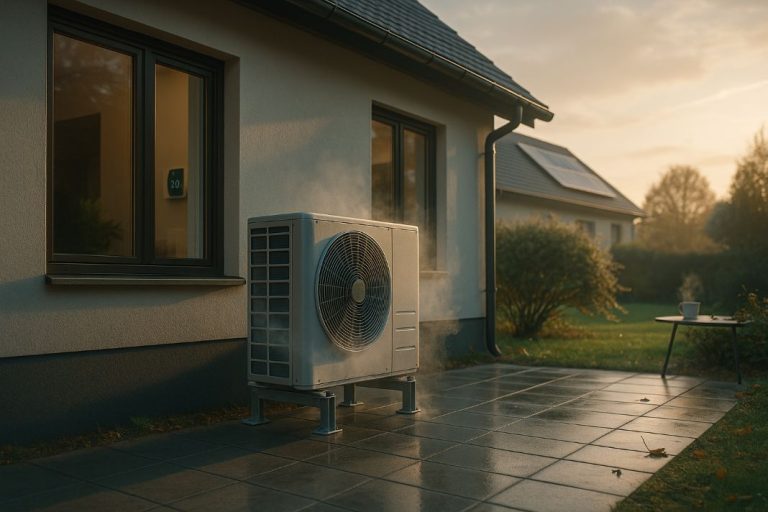
Some frost during winter is normal. Excessive ice is not. Light frost that appears and disappears during a defrost cycle or brief icing during freezing nights is expected. However, if coils are completely covered in ice, if defrost cycles fail, or if water collects and freezes around the unit’s base, these are signs of a problem.
Ensure there is sufficient airflow and proper drainage. Regular servicing helps prevent persistent ice buildup. MCS provides helpful guidance on drainage and airflow management during cold weather.
This issue is commonly reported and often misunderstood. Heat pump air is typically around 30 to 40°C. This is enough to gradually warm a room but may feel cool when compared to the output of a gas boiler.
If the room does not warm up after sustained operation, or if the thermostat logic is failing due to faulty sensors, or the unit fails to enter heating mode or short cycles, there may be a fault. If the air never seems to increase the room temperature, monitor the actual room temperature and observe the system’s heating cycles.
Not sure if your system is working properly? Let us inspect it before it breaks down.
Higher energy bills in winter are common. However, a sharp increase may signal inefficiency. The Coefficient of Performance (COP) drops in cold weather. Systems must operate longer to meet winter load, especially in properties with high heating demand.
Poor zoning, outdated controllers, or a lack of smart heating logic can all contribute to excess energy use. Ofgem recommends keeping track of seasonal usage. If your bills appear too high compared to previous winters, arrange for an efficiency review.
Short cycling, where the heat pump turns on and off frequently, reduces efficiency and can damage internal components. This can happen due to oversensitive thermostats, incorrect controller settings, firmware faults, or sensor thresholds that are not suitable for winter conditions.
Restricted airflow from blocked filters or dirty ducts can also cause short cycling. These issues reduce system life and increase costs. MCS recommends professional inspection of your heat pump’s control logic and cycling patterns.
Unusual noises during winter are not always a cause for concern. Many are part of normal operation. Sounds such as whooshing during defrost mode or clicking due to material expansion are common and harmless. However, noises such as grinding, metallic banging, or loud vibrations can signal a mechanical issue.
The Energy Saving Trust advises that new or persistent noises should be checked, particularly if there is a drop in heating performance.
Pro Tip: Don’t rely on how the air feels at the vent. Room temperature is a better indicator of performance.
During peak winter demand, uneven heating can become more noticeable. This issue often results from improperly sized or unbalanced radiators, zoning faults, or reduced flow caused by partially closed valves.
Balancing the heating system helps ensure even distribution of warmth throughout your home. It is a task best performed before winter arrives and should be included in regular maintenance.
A gradual drop in performance from year to year is easy to miss. It can be caused by minor refrigerant loss, dirt building up on coils, or unchanged filters. These seemingly small issues reduce heat output during winter stress periods.
Routine maintenance prevents this long term decline. The Energy Saving Trust recommends servicing your heat pump annually to maintain efficiency.
It can be unsettling when a heat pump stops during freezing weather. However, this may be a protective response. Some systems activate freeze protection to avoid damage. Fault codes might be triggered by external sensors, or the system may shut down when ambient temperatures fall below operating thresholds.
If your unit does not restart after a reset, contact a qualified engineer. It also helps to know the system’s temperature limits.
During winter, heat pumps work harder and are more likely to display warnings. Repeated fault codes and consistent warning lights may indicate real issues, particularly if related to airflow or sensor logic.
Frequent alerts deserve attention. Read the manual to identify what the codes mean, or contact a heat pump specialist.
Cold rooms and weak radiators could point to sizing or install faults. Let us get it right.
Before requesting a service visit, carry out these basic checks:
Reset the system by switching it off at the isolator for several minutes.
Check and clean or replace filters, as blocked airflow reduces performance.
Confirm that the thermostat is correctly set to heating mode.
Review any error codes using the user manual.
Inspect the outdoor unit to ensure airflow is not blocked by leaves or ice.
If problems continue after these checks, or if faults repeat, contact a qualified professional.
If problems return frequently, performance continues to decline, or the system shuts down entirely, professional help is needed. A single issue may not require immediate service, but patterns matter.
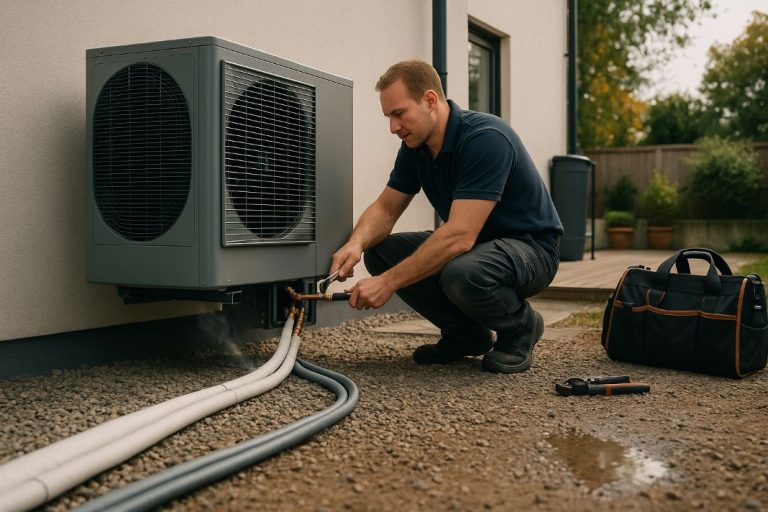
RightAir Solutions offers expert winter diagnostics across the UK. Their trained engineers specialise in cold weather system behaviour. If your heat pump repeatedly struggles during freezing spells, professional inspection is the next step.
Recognising signs early and acting decisively can keep your system reliable and your home comfortable throughout the winter.
Can a heat pump freeze in winter? Yes. A thin layer of ice is normal. Thick ice that remains after the defrost cycle should be investigated.
How cold is too cold for a heat pump? Most units are rated to operate down to around -10°C. Some will reduce output or pause if conditions become too severe.
What is the quickest way to fix a heat pump that is not heating? Make sure the thermostat is on the correct mode. Then reset the system at the isolator or consumer unit.
Is it a problem if the heat pump runs all day? No. In winter, heat pumps are designed to operate continuously for better efficiency and comfort.
Should I service my heat pump every year? Yes. Annual servicing helps preserve system performance and prevent long-term issues.

Why Your House Still Feels Cold With the Heating On
Your heating is on but your house still feels cold. Find out what’s really causing it and how to fix it without wasting more energy or money.

Top 7 Ways to Keep an Older London Home Warm This Winter
Stop losing heat through floors and windows. These smart fixes make period homes warmer without big renovations. Try them before winter gets worse.

The 10 Most Common Winter Heat Pump Problems in the UK – Fixed by RightAir Solutions
Think your heat pump is failing this winter? Learn the top problems UK homes face and how to fix them fast before you’re left in the cold.
RightAir Solutions
At RightAir Solutions, we provide air conditioning services to domestic and business customers for heating and cooling units. We also supply and fit commercial AC and HVAC services with our insured, qualified and experienced London team of air con engineers.