Why does your house still feel cold even with the heating on?
Even with the heating on, many UK households report cold house symptoms. This typically stems from issues in heat generation, distribution, or retention. Radiators might not be powerful enough, thermostats could be giving inaccurate readings, or the home might be losing warmth faster than the heating system can replace it. If you’re wondering, “why is my home not warming up?” the answer often lies in how heat flows and stays within your property.
- Why does your house still feel cold even with the heating on?
- Heating System Issues That Stop Your Home Getting Warm
- Heat Distribution Problems Inside the Home
- Heat Loss: Why Warm Air Escapes Faster Than Your Heating Can Replace It
- Quick, Low-Cost Fixes You Can Do Today to Feel Warmer
- Medium-Term Improvements for a Warmer, More Efficient Home
- When You Should Call a Heating Professional and What They Will Check
- How to Finally Keep Your Home Warm Without Overspending
Heating System Issues That Stop Your Home Getting Warm
A functioning heating system does not always result in a warm home. Sometimes, key components are inefficient, incorrectly sized, or in need of maintenance.
Boiler and System Performance Problems
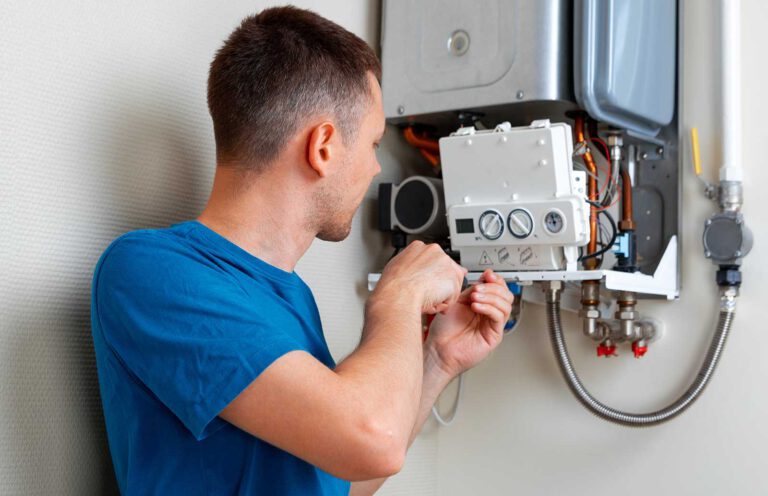
The boiler supplies heat to your entire system. If it is too small, not functioning properly, or not regularly serviced, it may struggle to heat the home. Signs of poor performance include low pressure, short cycling, and radiators that never get fully warm. You should check the pressure gauge and consider whether the boiler’s size suits the home. Issues with flow temperature and return temperature can also reduce effectiveness. Boilers rated under ErP standards may show signs of declining efficiency over time if they are not serviced.
Radiators Not Giving Out Enough Heat
Radiators may feel warm without producing enough heat to effectively warm a room. If they are blocked, too small, or contain air pockets, their output can be compromised. You can use a British Thermal Unit (BTU) calculator to compare radiator output with room size. If cold spots or inconsistent temperatures are present, bleeding or balancing may be required. When the heating is on but the house still feels cold, radiator performance is often a key issue.
Radiator Heat Output Checklist
Is the radiator cold at the bottom?
Is there furniture or heavy fabric obstructing airflow?
Is the radiator narrower than the window it is under?
Does the room feel cold even when the radiator is fully hot?
Has the radiator not been bled in six months? If you answered yes to any of these, the radiator may be underperforming or undersized for the room heat load.
Pro Tip: If your radiator feels hot at the top but cold at the bottom, it likely needs bleeding or flushing.
Circulation Problems: Airlocks, Sludge, and System Imbalance
Water must circulate efficiently to distribute heat evenly. Airlocks, sludge build-up, and imbalanced flow often cause uneven heating across floors or rooms. Companies such as RightAir commonly identify these faults during system inspections. Efficient circulation requires clean water, accurate pump speeds, and a properly balanced system. Poor flow temperature and blocked paths can reduce radiator output.
Thermostat Settings or Placement Causing Temperature Misreadings
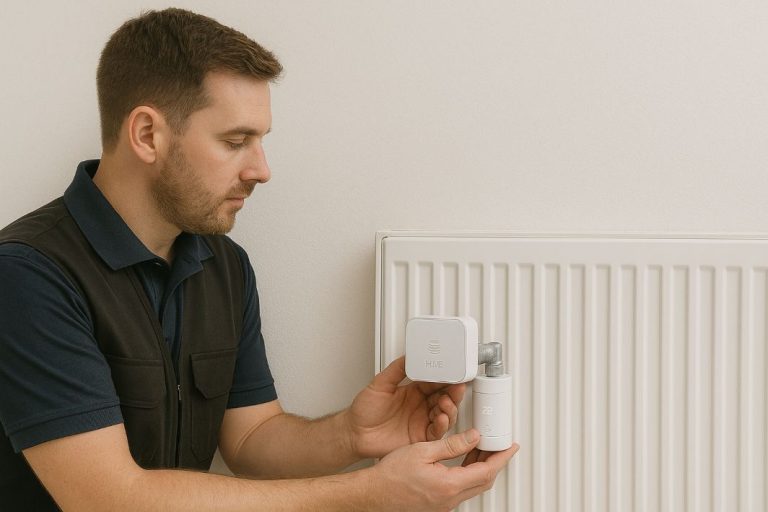
Thermostats placed too close to heat sources or in draughty areas may misjudge temperatures. This can lead to the system shutting off prematurely. You should confirm that thermostat placement and settings reflect the home’s layout and schedule. Smart thermostats should be configured correctly to avoid zones heating at incorrect times. Frequent cycling and setpoint temperature errors are common when thermostats are placed incorrectly or misconfigured.
Common Smart Thermostat Mistakes
Mounting the thermostat near radiators or direct sunlight
Disabling adaptive features that learn usage patterns
Setting extreme schedules that waste energy
Relying on generic presets instead of tailoring zones
To function correctly, smart thermostats must be placed thoughtfully and configured to suit real-life habits.
Heat Distribution Problems Inside the Home
Heat must move through the house effectively to ensure comfort. Poor distribution means that even when heat is produced, some rooms remain cold.
Radiators Blocked or Positioned Incorrectly
Large pieces of furniture or heavy curtains may restrict heat from circulating. When radiators are blocked, heat becomes trapped, and the room stays cold. Allowing space around the radiator helps air move freely and improves warmth.
Rooms That Never Get Warm Because of Imbalance or Undersized Radiators
Rooms may remain cold if the radiators installed are too small or the room has a high heat load. This is common in spaces like lofts, extensions, and north-facing rooms. You can use a BTU calculator or radiator output chart to check if the radiator is strong enough for the space. Rooms with high ceilings or large window areas usually require more powerful heatin
Book a Heating System Health Check
Don’t guess what's wrong. Let our certified engineers inspect your system and pinpoint the issue.
How Open-Plan Layouts Let Heat Escape Quickly
Open-plan spaces often allow heat to rise or spread too thinly. Without barriers, warm air drifts upward or across the space before occupants feel the benefit. Stratification also occurs, which means heat collects near the ceiling while lower levels remain cold. Zoning and containing warmth in key areas helps preserve comfort.
Heat Loss: Why Warm Air Escapes Faster Than Your Heating Can Replace It
Heat retention is vital. Even an efficient system cannot keep a home warm if insulation is poor or draughts allow warm air to escape.
Draughts Around Windows, Doors and Floorboards
Small gaps in windows, doors, and floorboards let cold air in and warm air out. Look for breezes near frames and floor edges. Apply foam strips, brush seals, or silicone to seal these areas. Draught excluders under doors are simple and effective. Reducing air permeability in these areas has a direct impact on retained warmth.
Insulation Gaps in Lofts, Walls and Floors
Loft insulation must meet UK standards to be effective. The recommended depth is 270mm. Uneven, compressed, or thin insulation lets warm air escape through the roof. Similarly, uninsulated floors and cavity walls can cause rapid heat loss. These areas should be checked and upgraded where needed. A well-sealed thermal envelope improves comfort and reduces energy bills.
What Loft Insulation Should Look Like
Joists should be covered completely
Insulation depth should be consistent across the entire loft area
Gaps, especially near the loft hatch, should be sealed If insulation appears patchy or compressed, it will not trap heat efficiently.
Cold Spots, Thermal Bridging and Single Glazing Issues
Cold surfaces in the home such as single-glazed windows or uninsulated walls lead to rapid heat loss. These areas also draw heat from the air and body, making rooms feel colder. Replacing single glazing with double or secondary glazing reduces cold transfer. Improving U-values across walls and windows significantly boosts heat retention.
When to Choose Secondary Glazing
You live in a listed property where replacing windows is restricted
You are in a flat where landlord or freeholder permission is needed for upgrades
You want to improve warmth and noise reduction without replacing original frames Secondary glazing offers thermal benefits while preserving the look of original windows.
Pro Tip: Lofts lose the most heat in UK homes, check your insulation depth before anything else.
Quick, Low-Cost Fixes You Can Do Today to Feel Warmer
Many simple tasks help improve comfort without major investment.
Simple Draught-Proofing Improvements
Use self-adhesive strips, door brushes, or fabric blockers to seal gaps. Focus on entry points and older frames where leaks are most likely. Even basic tools make a noticeable difference in room temperature.
Bleeding, Balancing and Maintaining Radiators
Bleed radiators to remove trapped air and allow full heat output. If some rooms are warmer than others, balancing may be needed to ensure fair distribution. These tasks improve the efficiency of the entire system. Thermostatic radiator valves (TRVs) can also help regulate heat per room.
When Bleeding Doesn’t Help
Check whether other radiators in the house are also struggling to warm up
Feel for cold patches at the base of the radiator – this may indicate sludge
If problems persist, book a professional flush to restore circulation When radiators stay cold, the issue is often more than trapped air.
Thermostat Optimisation Tips for Better Warmth
Ensure thermostats are programmed around your daily routine. Avoid large temperature swings. Consistent heat reduces strain on the system and maintains comfort. Smart thermostats should manage zones logically based on usage.
Furniture and Curtain Adjustments to Improve Airflow
Move furniture and heavy curtains away from radiators. Air should flow freely around heat sources to spread warmth. A clear path allows warm air to rise and circulate naturally.
Upgrade Your Home’s Heat Retention
Want lasting warmth? We install loft insulation and double glazing for better energy savings.
Medium-Term Improvements for a Warmer, More Efficient Home
Moderate investments can make homes significantly more comfortable and efficient.
Upgrading Loft Insulation for Better Heat Retention
Add or replace insulation in the loft, ensuring full and even coverage. Also insulate the loft hatch to prevent heat escaping. These upgrades reduce energy waste and increase winter comfort.
Improving Windows With Double or Secondary Glazing
Upgrade old or inefficient windows to reduce heat loss. Double glazing improves U-values and lowers noise. Secondary glazing suits older homes and properties with window replacement restrictions.
Installing Larger Radiators or Adding Extra Emitters
For consistently cold rooms, consider increasing radiator size or adding a second one. Match BTU output to room volume and usage. High ceilings and open spaces usually need more than standard-sized radiators.
Professional Heating System Servicing and Balancing
An annual service helps detect faults early and ensures the system runs efficiently. Engineers from companies like RightAir can adjust flow, inspect pump speeds, and balance radiators to ensure every room heats evenly. These checks often follow SAP methodology for assessing heating effectiveness.
When You Should Call a Heating Professional and What They Will Check
When home fixes no longer work, calling a heating professional is the best next step. They may:
Use thermal imaging to identify hidden heat loss
Evaluate insulation levels throughout the house
Inspect boiler efficiency and pressure
Check radiator output and system balance
Recommend changes based on room size and heat load
This professional evaluation can help prioritise improvements and avoid long-term inefficiencies.
How to Finally Keep Your Home Warm Without Overspending
You can make your home feel consistently warm without spending a fortune. Start with draught-proofing and radiator checks, then focus on insulation and smart thermostat use. Over time, these changes will create a reliably warm and energy-efficient home.
Read Similar Blogs
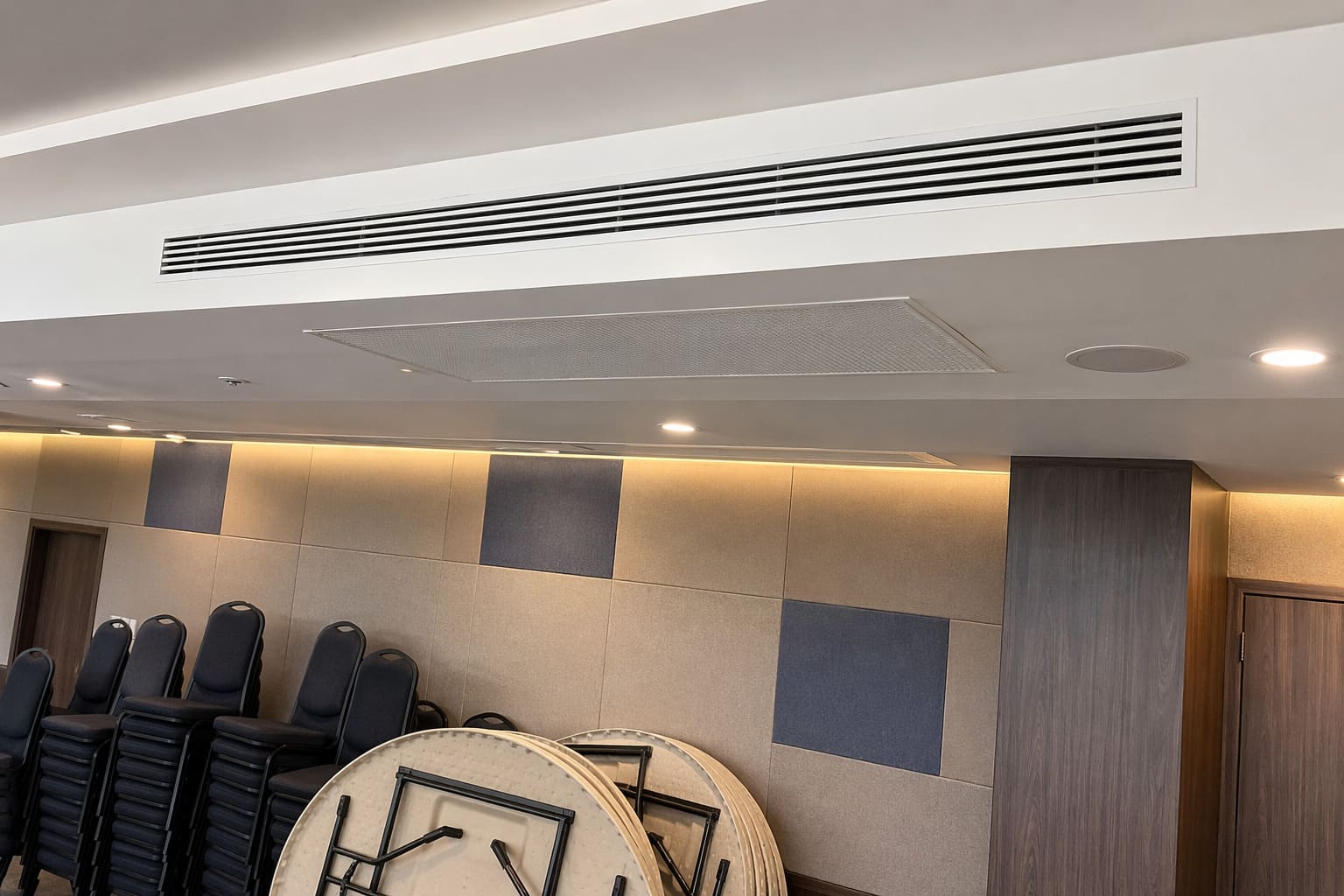
Should you get your air conditioning serviced at the end of summer
Weak cooling, odours or noise after summer? End of summer air conditioning servicing can reveal faults early and help you decide whether to act now or wait.
Does air conditioning add value to a London home
Air conditioning can add value in London homes when it is quiet, discreet and well planned. See what buyers notice and what can weaken appeal.
Why is your air conditioning leaking water inside and when should you worry
Air conditioning leaking water inside can damage floors and ceilings fast. Spot the likely causes, safe checks and when to call an engineer.

RightAir Solutions