Why Your House Still Feels Cold With the Heating On
Your heating is on but your house still feels cold. Find out what’s really causing it and how to fix it without wasting more energy or money.
RightAir Solutions is a company that specialises in commercial air conditioning services.
Older London homes often feel cold in winter because they were not designed with insulation in mind. Heat easily escapes through sash window gaps, solid brick walls, exposed floorboards, and open chimneys. The good news is that you can reduce heat loss and improve comfort with a few targeted and affordable improvements. Many of these do not require major alterations.
Gaps in period homes allow warm air to escape and cold air to enter. Sash window frames, old door edges, and bare floorboards are common areas of concern. Addressing these weak spots delivers fast and noticeable results.
You can install brush strips beneath doors, use compression seals around frames, and apply flexible fillers to seal floorboard gaps. In unused fireplaces, chimney balloons help prevent heat from rising out of the room. Threshold seals are also useful in blocking draughts from exterior doors.
By controlling these leaks, you improve thermal comfort and maintain ventilation in a more manageable and energy-efficient way. For anyone asking how to make a period home warmer, this is one of the fastest and most effective first steps.
Sash windows are often responsible for significant heat loss, especially when they are single glazed. Secondary glazing adds an insulating layer, reducing heat loss and improving comfort. This solution is ideal for homes in conservation areas where window replacement is restricted.
Magnetic acrylic panels, removable panes, and professionally fitted systems all work well. These additions reduce condensation, minimise noise, and increase thermal performance. They do so without damaging original window frames. This approach is especially useful for improving warmth in London flats or Victorian terraces.
Review your council’s conservation area rules.
Confirm whether listed building consent is required.
Choose internal glazing with discreet frames when possible.
Pro Tip: Use a hygrometer to track humidity levels and avoid mould while keeping heat in.
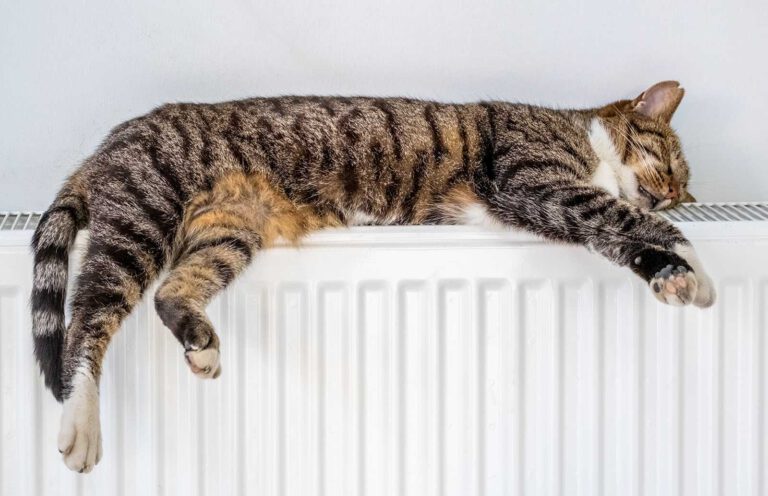
Radiators in older homes may struggle to perform efficiently. Air trapped inside them, unbalanced flow, or blocked convection can limit their output. Simple fixes can make a big difference.
You should bleed your radiators to remove trapped air. Place reflective panels behind them to direct heat back into the room. Balance your heating system so all radiators warm up evenly. Install TRVs to adjust the temperature in each room independently. These upgrades are part of the best heating setup for Edwardian properties and Victorian homes.
Blocking radiators with furniture reduces effectiveness.
Sealing a home too tightly can trap moisture and cause damp.
Ignoring radiator balancing leads to uneven heating across rooms.
RightAir has helped many London homeowners integrate smart thermostats into older heating systems without disruption. Their experience with both new and legacy setups makes these upgrades easy and effective.
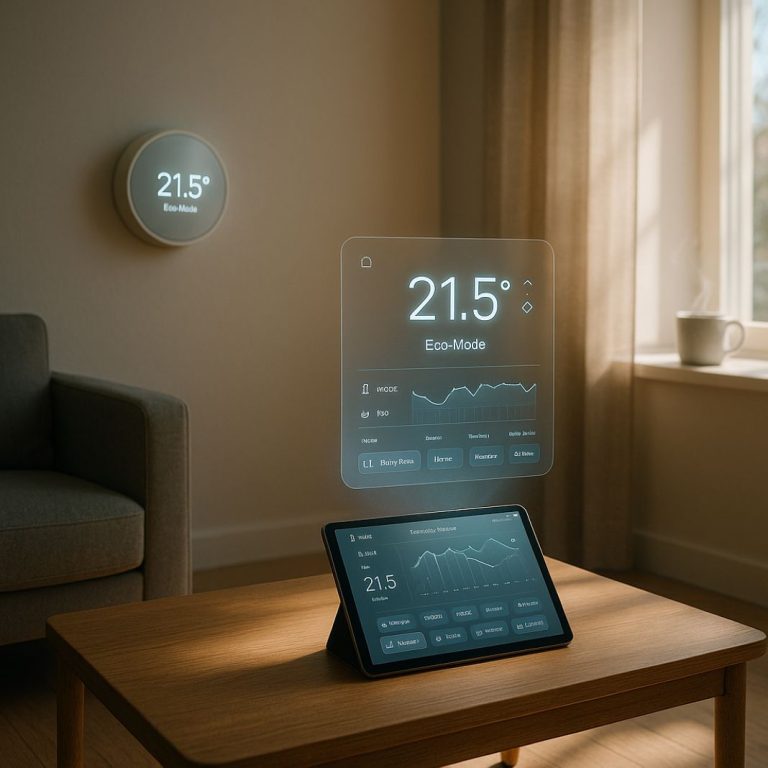
Heating only the rooms you use, when you use them, is a smart way to save energy. Devices such as smart thermostats and radiator valves offer better control over when and where heat is used.
Zoning systems, app-controlled thermostats, and learning technology all help tailor heating schedules. These tools are suitable for many older homes and improve comfort without requiring a boiler replacement. During a cold London winter, they help prevent overheating in underused areas and reduce bills.
Older buildings lose heat in predictable places. These include the roof, beneath the floor, and through solid walls. Start in the loft, where insulation is both accessible and effective. Ensure insulation depth reaches the recommended 270mm and use breathable materials to prevent trapped moisture.
Timber floor insulation adds comfort, especially above basements or draughty voids. If this is not possible, thick rugs or thermal underlay help reduce heat loss. Solid walls benefit from internal insulation using vapour-permeable products. These allow moisture to escape naturally. Moisture-safe insulation is essential to strengthen the thermal envelope without creating condensation risks.
Cavity walls (post-1920s) can be insulated by filling the cavity.
Solid walls (pre-1920s) require careful internal or external insulation.
Knowing whether your walls are solid or cavity-built helps you choose the right materials and estimate the cost to insulate a Victorian home properly.
Find out how our energy efficiency consultation can reduce your heating bills.
Fireplaces that are no longer in use often allow heat to escape. Warm air rises and escapes through them, drawing cold air into the room. Blocking this heat-loss path improves comfort quickly.
Use chimney balloons or draught stoppers that are removable and breathable. These solutions are affordable and easy to fit. Ensure that nearby gas appliances still have safe ventilation. Reducing chimney-related heat loss is one of the most overlooked winter heat retention tips in the UK.
Use chimney balloons in fireplaces that are no longer used.
Install TRVs to give tenants control over each room.
Top up loft insulation using breathable materials.
Improving thermal performance must not come at the cost of air quality. Older buildings need to breathe. Sealing a home too tightly can trap vapour and encourage mould.
Use breathable insulation materials and maintain passive ventilation through trickle vents or scheduled airing. Signs of moisture imbalance include frequent condensation, a musty smell, and cold, damp wall patches. A hygrometer can help track humidity levels. Vapour control layers and proper ventilation help keep homes warm while avoiding mould growth.
Fit draught excluders to internal and external doors.
Hang thermal curtains over windows.
Lay rugs over bare wooden floorboards.
Bleed radiators to improve heat output.
Adjust smart thermostat schedules for colder days.
Insert chimney balloons in unused fireplaces.
If you’re working with a limited budget, focus on improvements that make a noticeable difference:
Draught-proof windows, doors, and chimneys.
Bleed and balance radiators to restore performance.
Add rugs and thermal curtains.
Install temporary secondary glazing.
Use radiator reflector panels.
Pro Tip: Always check local rules before altering windows in a conservation area.
Companies like RightAir understand the quirks of pre-1940s London housing and can recommend upgrades that improve heat retention without affecting period features.
You do not need a full renovation to make your home warmer. Focus on sealing heat-loss points, using smart heating tools, and insulating where it matters most. Whether you live in a Victorian terrace or a Georgian flat, these small changes lead to improved warmth and lower energy bills.
Small changes can raise your Energy Performance Certificate (EPC) rating. Sealing draughts, adding smart heating controls, and topping up insulation all contribute to higher scores. For landlords, this helps meet minimum standards and reduce tenant energy costs.
In most conservation areas or listed homes, permission may be needed for alterations that affect the appearance of windows. Internal secondary glazing is often acceptable, but you should always check with your local council before installing permanent fixtures.
Discover how we insulate period homes without harming historic charm.

Why Your House Still Feels Cold With the Heating On
Your heating is on but your house still feels cold. Find out what’s really causing it and how to fix it without wasting more energy or money.

Top 7 Ways to Keep an Older London Home Warm This Winter
Stop losing heat through floors and windows. These smart fixes make period homes warmer without big renovations. Try them before winter gets worse.

The 10 Most Common Winter Heat Pump Problems in the UK – Fixed by RightAir Solutions
Think your heat pump is failing this winter? Learn the top problems UK homes face and how to fix them fast before you’re left in the cold.
RightAir Solutions
At RightAir Solutions, we provide air conditioning services to domestic and business customers for heating and cooling units. We also supply and fit commercial AC and HVAC services with our insured, qualified and experienced London team of air con engineers.