RightAir Solutions is a company that specialises in commercial air conditioning services.

What “Not Fit for Purpose” Really Means in Air Conditioning Installations

An air conditioning system is considered not fit for purpose when it fails to meet the reasonable and agreed expectations of function, performance, or integration within a specific property. This does not necessarily mean the system is broken, but that its installation or design does not serve the needs of the space it was intended for.

In practical terms, an unsuitable air conditioning system might present as:

  • Inconsistent cooling or heating across rooms
  • Excessive noise due to poor placement or inadequate insulation
  • Controls that are hard to use or fail to manage zones effectively
  • An intrusive appearance that clashes with the property aesthetic
  • A system that consumes more energy than necessary

For example, a ducted system that requires significant ceiling space may simply not work in a period property with shallow voids. Likewise, an oversized unit in a small flat can result in overcooling and frequent short cycling, both of which degrade comfort and efficiency.

The context of the installation plays a large role. A unit that technically functions but hums audibly through a library ceiling or spoils the lines of a listed interior could still fall short of being acceptable. According to the Consumer Rights Act 2015, services must be delivered with reasonable care and skill, and systems must be suitable for their intended use. Where airflow is blocked, zoning fails, or the system does not align with manufacturer specifications and Building Regulations, the installation may fall into legally disputable territory.

Table of Contents

Legal Grounds for Rejecting an Installation in the UK

In the UK, consumers are protected under the Consumer Rights Act 2015, which requires that services be performed with reasonable care and that goods provided be fit for purpose. If an air conditioning installation fails on either count, you may have grounds to reject the system.

When can you reject an air conditioning installation?

  • If the installer did not follow the agreed specification
  • If the system fails to perform within expected parameters
  • If faults render the system unsuitable for use, either technically or operationally

Importantly, a full rejection must be timely. Typically, clients are expected to raise issues promptly, and where possible, allow the installer an opportunity to rectify the problem. A full rejection is often reserved for cases where the system cannot be reasonably repaired or if the issues stem from fundamental design flaws that were hidden at the point of agreement.

Supporting your position:

  1. Keep a copy of the original agreement, quotes, or written scopes.
  2. Document the problems with photos or logs of performance issues.
  3. Request commissioning and testing reports from the installer.
  4. Save all correspondence where concerns were raised.

Legal routes, where needed, may include consulting Citizens Advice, raising concerns with Trading Standards, or engaging Alternative Dispute Resolution services. For most clients, approaching resolution without escalation remains the smoother path.

Pro Tip: Always request a site-specific design before agreeing to an installation, especially in heritage or architecturally sensitive properties.

When a System Is Technically Correct but Functionally Wrong

Not all dissatisfaction stems from installation errors. In many cases, systems are fitted exactly as specified and comply with regulations but ultimately do not serve the day-to-day needs of the property. These are functionally unsuitable systems, and they are especially common in properties with unusual layouts or sensitive usage requirements.

A high-end flat in London, for instance, might receive a cassette unit placed near decorative plasterwork. Technically, the system might meet output and airflow requirements, but if the cold air drops directly onto a dining area or the hum is audible in the next room, the system becomes a daily frustration.

Common functional mismatches include:

  • Zoning issues that result in temperature extremes between rooms
  • Poor duct routing causing imbalanced airflow or slow response
  • Units that clash visually with interiors, especially in heritage properties
  • Systems oversized for the space, leading to uneven cooling and short cycling
  • Interfaces that are difficult to use or lack local controls

These issues often trace back to limited upfront design consideration. Even if the equipment is correctly installed, the overall outcome can still warrant review or reconfiguration.

Book an Independent System Review

Uncertain if your air conditioning system is functioning as it should? Our accredited engineers can assess and report without disruption.

Steps to Take Before Rejecting an Installation

Before proceeding with a formal rejection, to take deliberate steps to understand the core issue and give the installer a chance to respond.

  1. Review your original agreement and specification. Check what was promised in terms of system type, performance, zones, and placement.
  2. Request a system performance check. A commissioning report or post-installation review can reveal if the system behaves as designed.
  3. Document concerns and communicate in writing. Describe the issues clearly, including dates, symptoms, and photos or videos where appropriate.
  4. Allow time for possible rectification. In many cases, installers can adjust settings, improve controls, or upgrade parts of the system.
  5. Seek a second opinion if needed. Another qualified professional can verify whether the installation is technically valid or if more detailed issues exist.

A methodical approach helps maintain a cooperative tone and protects your rights should further steps be required.

What Happens If You Reject the Installation

Rejecting a system outright is a serious decision. Once notified, the installer is typically expected to respond with a proposal, whether that means a full system removal, a refund, or another form of redress.

Refund or replacement Where justified, a full or partial refund may be negotiated. In some cases, a new system might be offered to replace the current one, especially if the original solution was poorly matched from the start.

Removal and decommissioning If a system is removed, make sure that both parties agree on what is to be taken and what remains. Decommissioning should be handled by a qualified technician to protect both safety and warranty elements.

Dispute resolution process If agreement cannot be reached, formal complaints can be referred to Alternative Dispute Resolution services or, as a last resort, to a small claims court. Legal costs and timelines can vary.

Effect on warranties and servicing Rejection may impact warranties, especially if external parties intervene without agreement. Always clarify before engaging third parties to modify the system.

The decision to reject should be considered carefully, factoring both dissatisfaction and the practical implications of removal or replacement.

Pro Tip: If zoning is inconsistent or airflow is poor, a commissioning report often reveals whether the fault lies in design, installation, or controls.

How to Avoid Unfit Installations in the First Place

The best protection against unsuitable air conditioning installations lies in planning and clear communication from the outset. Clients can take a number of steps to ensure that the system meets their property’s specific needs.

  • Request a site-specific design, not just a product brochure.
  • Ask how the proposed system addresses layout, access constraints, and aesthetic priorities.
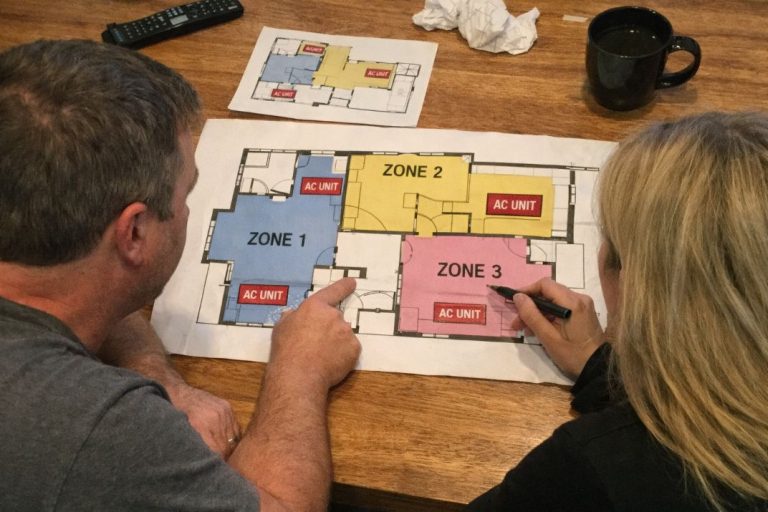
  • Review zoning plans and control options carefully.
  • Verify credentials, including F-Gas certification and previous project experience.
  • Request a commissioning plan and post-installation walkthrough.

Being actively involved in reviewing the proposed solution helps avoid disappointment. Many experienced installers offer detailed documentation and room-by-room plans that help align expectations across all stages.

When to Seek a Second Opinion, and What It Can Reveal

A second opinion can be valuable when you are uncertain whether your concerns reflect a flaw or simply a misunderstanding. It can also strengthen your position if you suspect that the system, while technically sound, fails to perform appropriately.

When to consider it:

  • You experience comfort issues that the installer cannot resolve
  • Controls are complex or unresponsive across zones
  • The installer’s explanations feel inconsistent or vague
  • Significant changes were made during installation without clear approval

What a second opinion may include:

  • Review of the system against design documents and site conditions
  • Physical testing, such as airflow or refrigerant pressure checks
  • Thermal imaging to detect coverage and leak concerns
  • Verification of commissioning data and system integration

Independent consultants or commissioning engineers typically offer this service with minimal disruption. While not always necessary, a second opinion can provide clarity, especially before taking irreversible steps.

Get a Custom Air Conditioning Design Plan

Ensure your next installation suits your space. We create room-by-room plans backed by performance metrics and compliance.

The Role of Professional Installers in Preventing Disputes

Good air conditioning outcomes rely on more than technician skill. A professional installer takes responsibility for system design, integration, client communication, and long-term support.

Key characteristics of a well-managed project include:

  • Clear design briefs, sets of drawings, and installation milestones
  • Experienced handling of complex site conditions, such as tight risers or heritage features
  • Documented commissioning with performance metrics accessible to the client
  • Transparent dialogue before, during, and after handover
  • Ongoing support through seasonal servicing or adjustments

Firms such as RightAir Solutions often approach installations on a lifecycle basis, ensuring that the system meets current requirements but has flexibility for future needs. In homes and offices where comfort, silence, and visual discretion are important, early design discipline avoids later dissatisfaction.

By working with knowledgeable professionals who take time to understand each space, many frustrating or costly issues can be avoided entirely.

Speak to a Compliance and Installation Specialist

Have concerns about a recent installation? Our team provides expert guidance and practical steps to protect your rights.

Share

Read Similar Blogs

RightAir Solutions

32 Donnington Rd, London NW10 3QU
 
020 3886 2326
 
GQRC+JX London