RightAir Solutions is a company that specialises in commercial air conditioning services.

Why does heating often stop working properly in winter – and how does RightAir solve it fast?

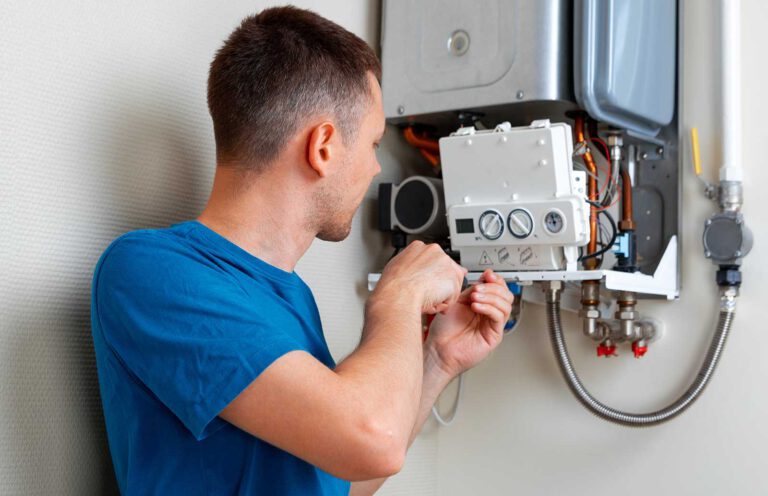
As the temperature drops, heating systems face tougher demands. What worked fine in autumn often struggles when winter raises heat demand sharply. If your radiators stay cold or your boiler will not fire up, it usually means winter is exposing a system weakness. RightAir Solutions handles these issues quickly using expert diagnosis and reliable repairs.

Why Heating Breaks Down When Winter Hits Hard

You wake up to a frosty morning and notice the heating has not done its job. This is not unusual. The sudden failure is typically caused by the extra strain of cold outdoor temperatures. Your system is pushed harder to maintain comfort.

It is like asking a jogger to sprint a marathon with no warm-up. Parts that handled lighter loads without issue begin to fail under pressure. Cold weather increases wear, highlights inefficiencies, and places stress on every part of the system.

This explains why so many breakdowns feel sudden. Winter amplifies faults that have been developing quietly. Signs such as heating not warming up, radiators heating unevenly, or short cycling often appear when the system is under pressure.

How Freezing Temperatures Strain Your Heating System

Cold weather changes how your system behaves. Pipes contract slightly, water thickens, and exposed parts may freeze. These effects combine to reduce system performance.

Boilers must start from cold more frequently. This puts stress on valves, sensors, and ignition systems. Older systems, especially those without good insulation or frost protection features, are more likely to struggle.

Your boiler may enter frost protection mode or take longer to ignite. These are not random quirks. They are mechanical stress reactions caused by freezing temperatures. Repeated short cycling and pressure fluctuations often indicate cold-start stress or cycling issues related to a rising thermal load.

Pro Tip: Check your boiler pressure before the first cold snap and after bleeding any radiators.

Reason 1: Sudden Low Boiler Pressure Leaving Your Home Cold

Low boiler pressure is one of the most common reasons heating stops working during winter. When pressure drops below the safe operating level, usually under 1 bar, hot water cannot circulate effectively.

This may result from recent radiator bleeding, small leaks in the system, or cold temperatures affecting sensors. Check the gauge and, if safe, use the filling loop to restore pressure.

If pressure continues to fall after topping up, a deeper issue such as expansion vessel failure or pressure cycling from poor system balance may be the cause. This is when a qualified RightAir engineer is needed.

Reason 2: Frozen or Blocked Condensate Pipes Stopping the Boiler

Condensate pipes carry wastewater from condensing boilers to an outside drain. When temperatures fall below freezing, water inside these pipes can solidify.

A blocked condensate pipe triggers a boiler lockout to prevent further operation. You might hear gurgling or notice an error code.

Thawing the pipe gently with warm water may provide a short-term solution. If the problem recurs, an engineer should re-route or insulate the pipe properly. This fault is often overlooked in DIY boiler servicing checklists, yet it is one of the top causes of winter breakdowns.

Reason 3: Thermostat Faults, Bad Positioning, or Wrong Settings

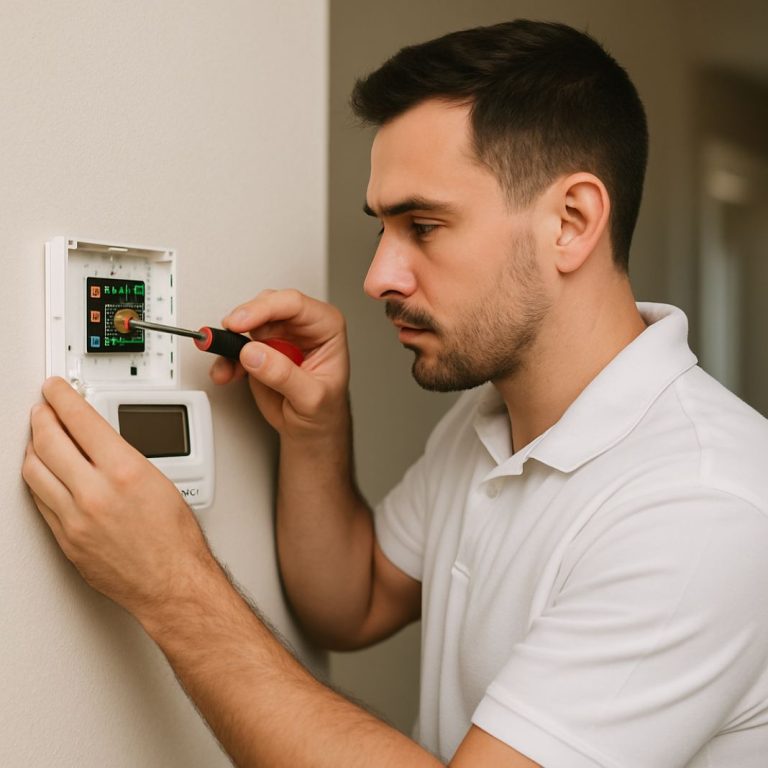
Thermostats control when heating switches on and off. If the thermostat gives inaccurate readings, the boiler may stay off even when the room is cold.

Poor positioning is a common issue. A thermostat located near a radiator, window, or draught may misread the temperature. Wireless models can also suffer from battery issues. Smart thermostats might lose connection or settings.

If your heating works one day and fails the next, check the thermostat’s placement, power, and settings. It is one of the easiest faults to rule out.

Book a Fast Winter Heating Repair

Don’t let the cold catch you off guard. Get an expert engineer on site quickly.

Reason 4: Radiator Airlocks That Cause Cold Spots and Weak Heat

Air trapped in radiators prevents hot water from filling them properly. This leads to cold patches, usually at the top, while the bottom remains warm.

Bleeding the radiator with a radiator key and cloth releases this air. If several radiators are affected or the issue repeats, there may be an underlying system balance or circulation problem.

Frequent cycling and slow flow during winter increase the chances of airlocks forming. These can be addressed quickly once diagnosed.

Reason 5: Sludge Build up Reducing Flow and Heating Power

Sludge is a mix of rust, dirt, and minerals that builds up in radiators and pipework. It restricts hot water flow and weakens overall heating performance.

Common signs include radiators that are warm at the top but cold at the bottom, slow warm-up times, and odd system noises. A professional power flush can remove sludge using high-pressure fluid.

Installing a magnetic filter and adding inhibitor fluid prevents future buildup. Sludge is more noticeable in winter due to longer boiler runtimes and increased duty cycle demands.

Reason 6: A Failing Circulator Pump That Cannot Move Hot Water Around

The circulator pump moves heated water from the boiler to the radiators. If it fails, the boiler may run but the radiators remain cold.

Signs of pump failure include humming or rattling noises and uneven heat distribution. Worn impellers or motor faults are common. Winter stress increases pump workload.

Engineers test circulation and use thermal imaging to confirm pump issues. Replacing the pump restores heating system performance.

Reason 7: A Stuck Diverter Valve Preventing Heat from Reaching Radiators

The diverter valve determines whether hot water goes to the taps or the radiators. If it sticks, you may get hot water but no heating.

Other signs include radiators not fully warming or the boiler switching on and off too frequently. The fault could be mechanical or electrical.

This is a typical fault in combi boilers and needs proper testing. Repairs are usually straightforward for a qualified engineer.

Pro Tip: A smart thermostat can cause heating issues if it’s placed near a heat source or window.

Reason 8: Boiler Ignition or Pilot Light Problems in Cold Weather

Cold temperatures affect ignition systems. You may hear repeated clicking or see the pilot light go out.

This is often due to blocked flues, dirty flame sensors, or weak sparks. Modern boilers usually show a relevant fault code.

An engineer will check gas supply, clean the ignition area, and test flame detection sensors. Prompt action helps maintain boiler efficiency ratings.

Reason 9: TRVs That Stick, Fail, or Stop Regulating Heat Properly

Thermostatic radiator valves (TRVs) manage room-by-room heating. If the pin beneath the cap sticks, the radiator might not heat.

You can test this by gently pressing the pin. If it remains stuck, the valve likely needs replacing. These faults often appear during high winter use.

TRV failures also affect heating cycles if stuck partially open or closed. A simple service or swap usually resolves the problem.

Reason 10: System Overload During Extreme Cold Snaps

Very low temperatures increase demand on the boiler. If insulation is lacking or the boiler is undersized, the system may run constantly without properly heating the home.

Signs include constant heating with poor room temperature, frequent cycling, and high energy use. This means the system is working at full duty cycle but not meeting heat demand.

A heating engineer can assess whether insulation, zoning, or boiler output needs adjusting.

Time for a Winter Boiler Service?

A full boiler check now could save you from a costly breakdown later.

Share

Read Similar Blogs

RightAir Solutions

32 Donnington Rd, London NW10 3QU
 
020 3886 2326
 
GQRC+JX London