RightAir Solutions is a company that specialises in commercial air conditioning services.

Why do air conditioning jobs sometimes require multiple visits?

Air conditioning work often unfolds in steps. Engineers may need to identify elusive faults, order model-specific components, or work around the layout of the property. These stages aren’t delays. They’re part of doing the job properly. Once you see how it fits together, a return visit makes sense.

Why Air Conditioning Work Sometimes Needs More Than One Visit?

Air conditioning issues can seem simple on the surface, but deeper investigation often reveals more complex causes. Engineers often split the job across visits so they can test, observe, and return when conditions are right to complete the work.

Some problems only appear once the system has run for a while. Others require controlled testing. Spacing the work gives engineers the chance to prevent errors and ensure reliable outcomes.

If no repair is made during the first visit, that’s often because the system needs more time to fully reveal the fault.

What Engineers Actually Do During the First Visit?

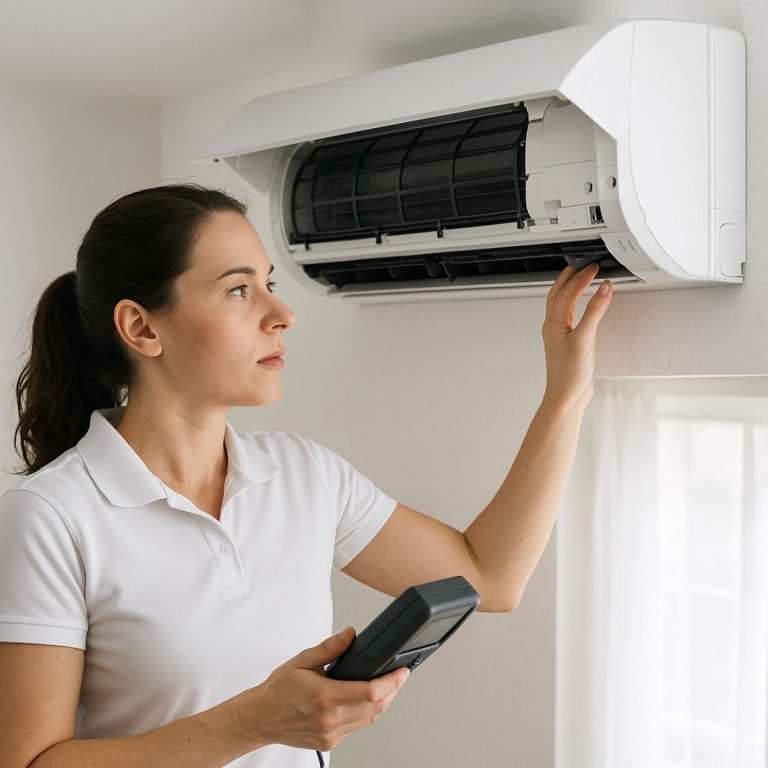
The first visit is about understanding the system, not fixing it on the spot. Engineers measure airflow, test electrical circuits, and check refrigerant levels. They use tools like pressure gauges and multimeters to trace the problem.

They’re looking for signs the system isn’t performing properly, even if no error is showing. The information they gather shapes the plan for what happens next. This initial inspection lays the foundation for the rest of the work.

Pro Tip: If an AC fault seems to vanish during a visit, it’s likely intermittent. Ask your engineer how they plan to test it again under load.

Why Some AC Problems Can’t Be Identified or Fixed Straight Away?

Some faults don’t show up until specific conditions trigger them. A system might behave during the visit but fail again under different load or temperature. These are intermittent faults that need careful timing to diagnose.

For example, nitrogen pressure tests can take hours to expose tiny leaks. A component may look fine when cold, but fail after running for a while. If the engineer walks away without acting, it’s usually because they’re waiting for the right moment to confirm what’s really going wrong.

Follow-up visits aren’t a fallback. They’re part of how professional diagnostics work.

When Engineers Need to Order Specialist Parts Before Returning?

Even the most experienced engineer doesn’t carry every possible component. Once they confirm the fault, they may need to order a manufacturer-specific part, especially for systems from Daikin or Mitsubishi Electric.

This step matters. Fitting the wrong part risks damaging the system or causing another failure. UK F-Gas rules also require certain parts and repairs to be logged and verified.

Waiting might feel like a delay. In reality, it’s how engineers avoid trial-and-error repairs and ensure long-term fixes.

Need AC Work Done Properly First Time?

Get a staged, precision-led service built for London homes and heritage layouts.

How Property Layout and Building Constraints Affect AC Timelines?

Some buildings make things more complicated, not because of the job itself, but because of what’s behind the walls. Engineers working in London properties regularly deal with hidden pipework, narrow risers, and surfaces that can’t be disturbed.

In listed homes, even a simple job may require additional planning or equipment. Some blocks limit working hours or noise, meaning the engineer may need to return later to finish the work.

In these cases, a follow-up visit isn’t optional. It’s the only way to complete the job properly while respecting the building.

Installation Situations That Naturally Require Staged Work

Complex systems take time. Ducted units, multi-split systems, and long pipe runs aren’t quick to install. And when engineers need to coordinate with electricians or finishers, staging becomes essential.

Jobs are usually split into two phases. First-fix handles the setup, cables, pipes, mounts. Second-fix connects and powers the system, then gets it ready to run. Some engineers explain this like fitting a precision instrument: you don’t do it all at once.

Staging doesn’t slow things down. It’s what keeps the system from needing extra work later.

Pro Tip: Commissioning isn’t just paperwork. It’s how engineers confirm your system is safe, balanced, and built to last.

Why Safety Checks and Commissioning Often Happen Over Multiple Visits?

Finishing the physical install isn’t the end. Engineers still need to validate pressure, check for leaks, and fine-tune the system. That means vacuum hold checks, refrigerant charge balances, and system tuning.

These steps can’t always happen right away. Sometimes the system needs to rest. Other times, the conditions just aren’t right to take a reliable reading.

Rather than rush, a good engineer will return. That final visit makes sure the system is safe and performing exactly as it should.

Common Misunderstandings About Repeat AC Visits

It’s easy to assume something went wrong if the engineer comes back. In most cases, return visits are part of the plan.

Good engineers don’t rush in and guess. They test and confirm. That means watching how the system behaves, even if that takes time.

If you’re unsure why they didn’t fix it straight away, ask. Most follow-ups are about caution, not correction.

Planning an AC Upgrade?

Our engineered installs consider every detail from system load to building access.

Why Multiple Visits Often Indicate a More Careful, Professional Approach?

When an engineer spreads a job over multiple visits, it’s usually because they’re being thorough. Each step is measured and confirmed before moving on.

This is common in high-end installations, where systems are complex and the properties themselves introduce variables. RightAir Solutions, for example, often stages work across properties in Maida Vale or Notting Hill, planning the job around the building as much as the system.

Multiple visits aren’t a sign of trouble. They’re how engineers get it right, from start to finish.

Closing Thoughts for Homeowners: What a Normal AC Job Timeline Looks Like

Some air conditioning jobs take an hour. Others take a few days. It depends on the system, the fault, the layout, and what’s needed to do the job properly.

Clear communication helps. A professional engineer will explain each stage and why it matters. Follow-up visits aren’t mistakes. They’re steps in a process that values safety, performance, and care.

In homes across West London, particularly those handled by firms like RightAir Solutions, these jobs are often planned as multi-visit projects from the beginning. The timeline isn’t a delay, it’s part of the service.

When Should You Ask Questions?

If you’re unsure about the need for a return visit, ask. Clear communication keeps you in control. Useful questions might be:

  1. Will parts need ordering?

  2. Are safety checks complete?

  3. Is the fault being monitored over time?

Checklist: When Follow-Up Visits Are Normal

  1. Parts need to be ordered from a manufacturer or supplier.

  2. The fault is intermittent and needs time or temperature changes to replicate.

  3. Your property has access limitations, heritage features, or requires special equipment.

  4. The system needs time to stabilise before it can be commissioned or tuned.

  5. The job involves a large installation with first-fix and second-fix phases.

Want to Avoid Repeat Repairs?

Find out how our methodical, multi-visit process prevents long-term issues.

Share

Read Similar Blogs

RightAir Solutions

32 Donnington Rd, London NW10 3QU
 
020 3886 2326
 
GQRC+JX London