Common Mistakes Businesses Make When Installing Air Conditioning
Discover the most common pitfalls in commercial air conditioning installations and how to avoid costly, inefficient decisions in your next project.
RightAir Solutions is a company that specialises in commercial air conditioning services.
Downtime during air conditioning installation refers to any period when business activities are disrupted due to fitting works. This can range from minimal inconvenience to partial operational pauses, depending on system challenge and building-specific constraints.
Many businesses hear “downtime” and imagine a complete stop in activity. In most cases, air conditioning installation affects access or comfort in certain areas without halting the entire operation. The impact often depends on workspace layout, working hours, and sensitivity to disruption, such as in IT facilities or customer-facing locations.
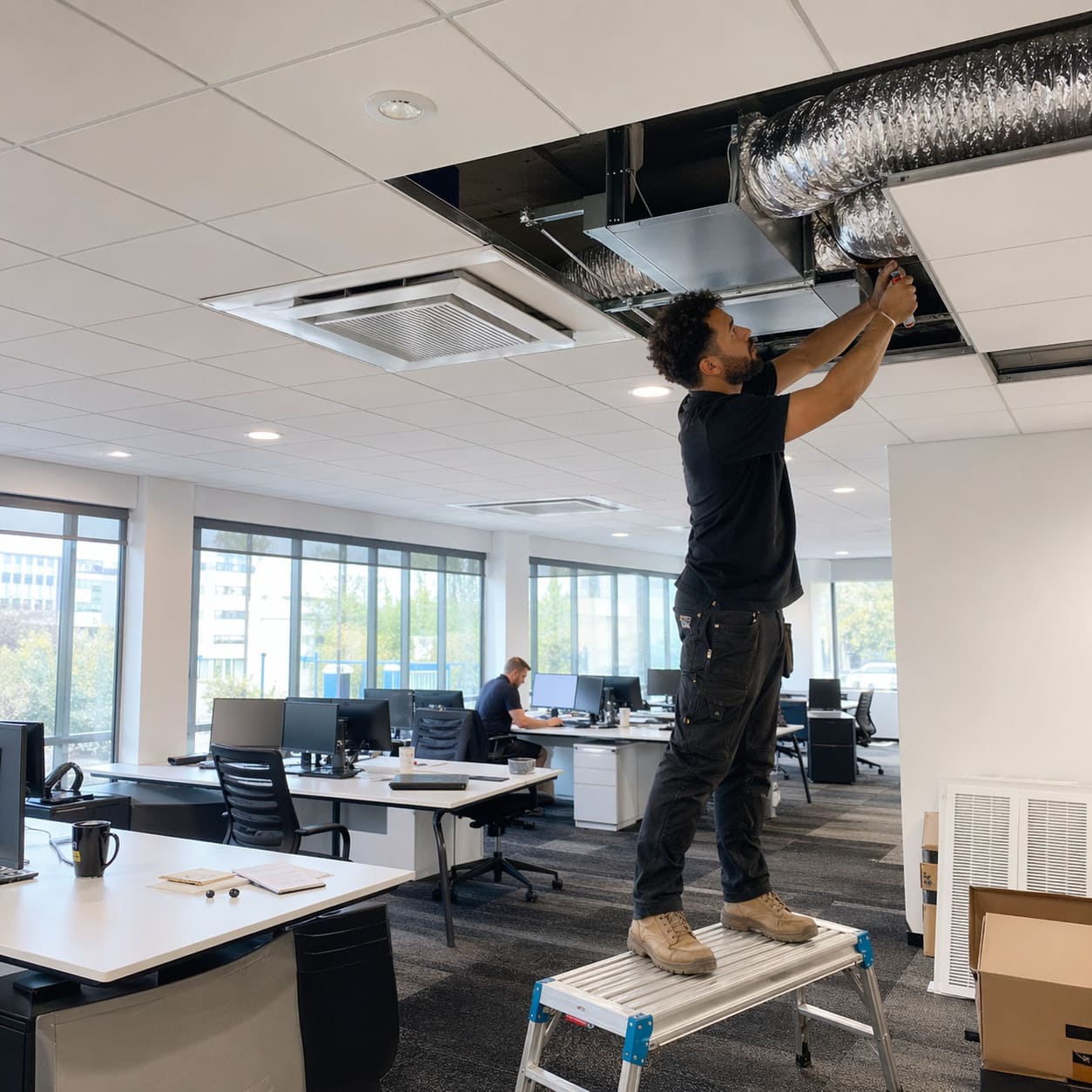
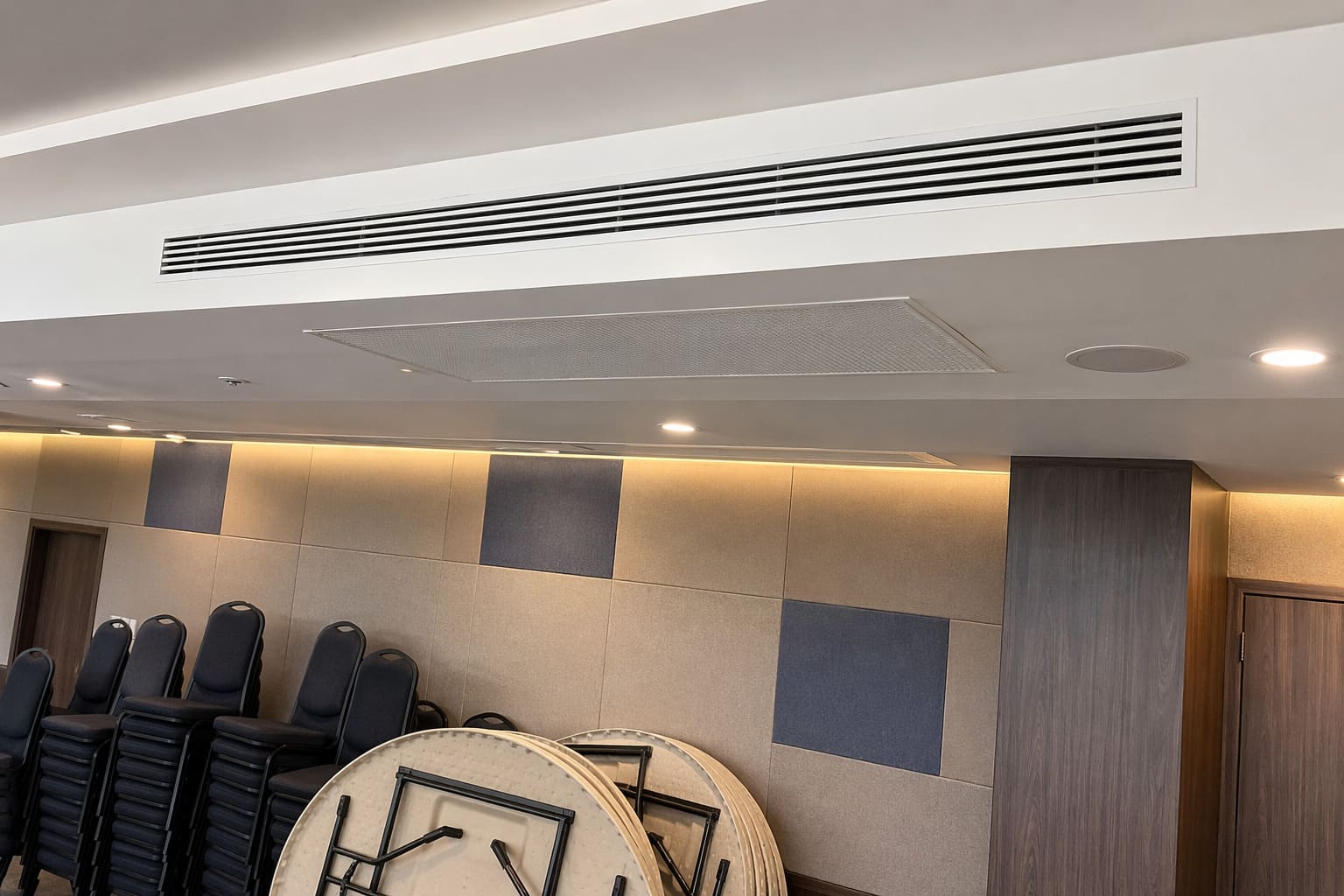
Physical disruption vs. Operational downtime Installation can involve ceiling access, working at height, cabling, or temporary removal of ceiling tiles. These tasks may require blocking off certain rooms or areas, but the business itself may continue operating elsewhere on-site.
Downtime doesn’t always mean closure A business can remain open with adjusted workflows. For example, a law firm replacing ceiling cassettes may only lose access to two meeting rooms at a time, rather than its entire office.
Key variables that shape experience Older buildings in Kensington or Maida Vale often come with access limitations and heritage constraints. These increase the time and intricacy of works. On the other hand, open-plan offices or newer commercial units offer easier layouts with shorter turnaround times.
The role of pre-install planning A well-structured pre-installation survey identifies high-traffic zones, IT requirements, and ventilation needs. This allows the installer to phase works and isolate impact, such as protecting server rooms or syncing noisy activity with known off-peak times.
Pro Tip: Ask your installer to phase work around fixed business-critical dates like board meetings or server updates.
No two installations take the same shape or schedule. Several core factors decide how long a commercial air conditioning project will take and how much it disturbs daily operations.
Together, these variables form the underlying picture behind any installation timeline. Understanding their influence improves planning accuracy.
Plan ahead with a detailed site assessment to reduce unexpected disruption and speed up installation.
Businesses can reduce downtime impact by approaching installation as a structured process rather than a passive event.
With careful coordination, disruptions can be managed and aligned with your routines.
Air conditioning timelines vary, but the following guide offers a general sense of what to expect:
Bear in mind that timeline discussions should include pre-install surveys, risk assessments, and final testing, not just the physical fitting.
Pro Tip: Schedule ceiling-based works during naturally quiet periods to reduce the number of spaces taken offline.
Understanding the phases of installation helps teams prepare and reduces unknowns. While each project is unique, the general sequence often follows this outline:
Day 1: Setup and protection Site access is established, floor coverings and dust protection are installed, and safe zones are defined.
Day 2 to 4: Installation and routing Units are positioned, refrigerant and condensate pipework is routed, and wiring begins. Areas under active work may be noisy or inaccessible.
Day 5: System testing and balancing The system is powered, tested, and adjusted. Airflow balancing and leak checks are completed to prepare for handover.
Final day: Commissioning and clean-up Smart controls are programmed, system calibration is completed, and the space is cleaned and re-presented. Staff may be shown basic controls or given user documentation.
Air conditioning installations affect physical space and the people within it. Clear communication prevents confusion and frustration. The following tips help keep staff and clients aligned:
A short weekly bulletin or update board can prevent apprehension and build cooperation.
Get tailored advice on installation strategies that suit your building’s layout and business hours.
Even after the visible work is done, systems require final steps before being classed as fully operational. These typically include:
Understanding that installation doesn’t end when the last hole is filled helps prevent unrealistic expectations and ensures smoother uptake.
The contractor you select plays a major role in shaping installation impact. Key qualities to look for include:
Companies like RightAir Solutions, which routinely handle installations across complex London properties, are often selected for their considered approach rather than headline speed.
Choosing the right partner reduces disruption before work even begins.
Estimate costs and timelines for your project with a no-obligation quote from experienced professionals.

Common Mistakes Businesses Make When Installing Air Conditioning
Discover the most common pitfalls in commercial air conditioning installations and how to avoid costly, inefficient decisions in your next project.

Air Conditioning Installation Downtime: What Businesses Should Expect
Learn what to expect during air conditioning installation downtime and how to minimise disruption to your business with smart planning and scheduling.

What London Businesses Must Consider Before Installing Air Conditioning
Planning air conditioning in London? Learn how building type, regulations, and system design affect installations in commercial properties.
RightAir Solutions
At RightAir Solutions, we provide air conditioning services to domestic and business customers for heating and cooling units. We also supply and fit commercial AC and HVAC services with our insured, qualified and experienced London team of air con engineers.