Can a tenant in London install air conditioning in a rented flat?
Yes, sometimes, but usually only with permission. A tenant can rarely arrange a fixed air conditioning installation on their own because most systems involve alterations to the property, and those changes usually need written landlord approval, with extra consent in some blocks from managing agents, freeholders, or local councils.
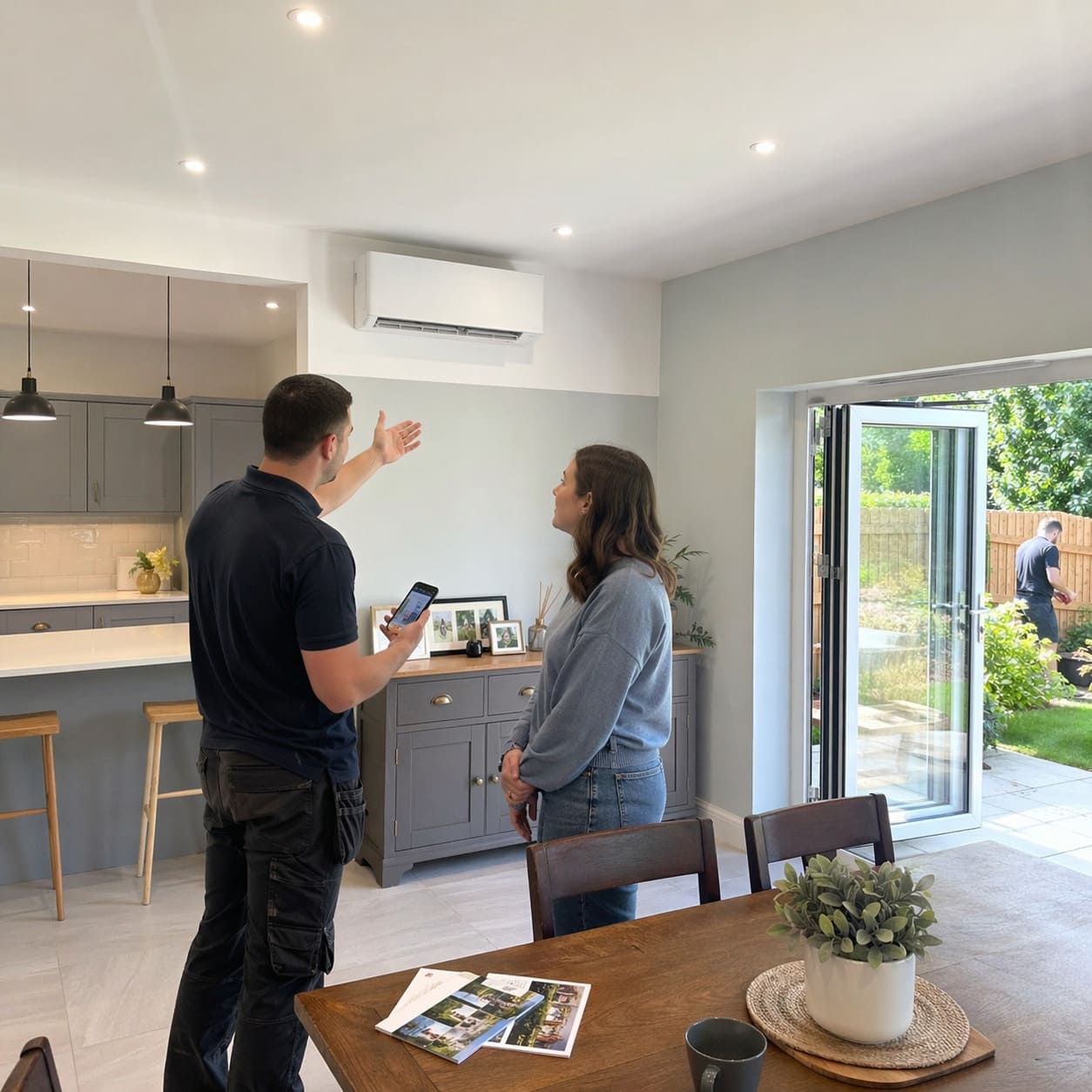
Understanding Your Rights as a Renter in London
Renting in London often means balancing comfort with lease agreement rules. A portable unit that sits inside the flat is very different from a fixed system with indoor and outdoor components, pipework, drainage, or visible grilles. That distinction matters because tenant rights in London do not usually extend to making permanent changes without consent.
Many tenancy agreements include clauses about permission to alter the property. Those clauses can cover drilling through walls, changing electrics, fixing units to external walls, or adding equipment that affects the building’s appearance or noise profile. A converted Victorian flat, a mansion block, and a new-build apartment may all be treated differently.
A few basics are worth keeping in mind:
- Tenants usually need landlord approval for fixed air conditioning.
- Lease restrictions may sit above the tenancy agreement if the flat is in a managed block.
- Property management companies or freeholders may have their own consent process.
- Local councils may become relevant if the building is listed or in a conservation area.
Gov.uk can help with general housing guidance, but tenancy agreements remain the first document to read closely. Landlord associations often advise owners to deal with alteration requests in writing, which means that a verbal agreement alone is rarely enough if a dispute appears later.
Talk to our F-Gas certified installation team about system design, timing and the right unit for your space.
Request a QuoteThe Permission Process: Steps to Take Before Installation
A realistic starting point is to assume that a landlord or letting agent will want details, not a casual message saying you would like air conditioning. Most owners will be thinking about damage, noise, appearance, maintenance, and whether the work can be reversed at the end of the tenancy.
A clear request tends to work better than an open-ended one. Before you ask, gather enough information to show that you have thought about the practical side.
- Review your tenancy agreement and any building rules.
- Decide whether you are asking about a portable unit or a fixed installation.
- Prepare a short written request with the proposed system type, likely location, and reason for the request.
- Include information on noise, visual impact, access needs, and how the installation would be carried out.
- Ask for written consent if the landlord agrees in principle.
Letting agents may pass the request to the landlord, but managed blocks often add another layer. Some property management firms will want drawings, manufacturer details, and confirmation that the installer is properly accredited. Others may object to external condensers, visible trunking, or any work on communal parts.
Good landlord communication usually means addressing likely concerns before they are raised. If a system is quiet, discreet, and suitable for the flat, say so. If the work can be done with limited disruption, explain that too. Keep copies of emails, approvals, and any conditions attached to consent, especially if the landlord asks for reinstatement when the tenancy ends.
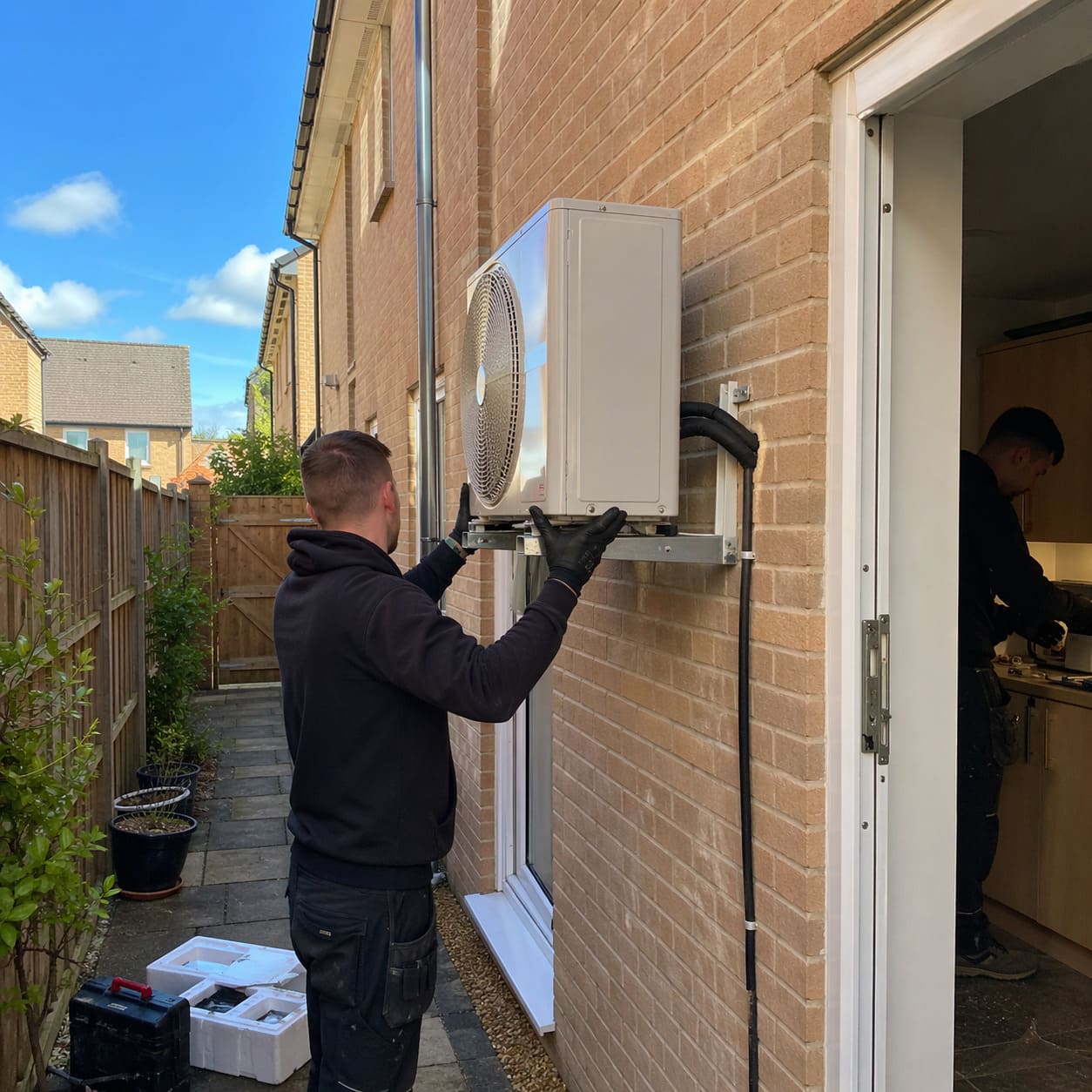
Check the lease and all building rules for explicit clauses about alterations before contacting your landlord.

Technical and Practical Considerations for Rented Flats
Even with landlord approval, not every flat is a straightforward fit for air conditioning. London’s housing stock is mixed, and the building itself often shapes what is possible.
Older buildings can be the most restrictive. Thick masonry walls, narrow service routes, listed features, and limited outdoor space may affect installation feasibility. In a purpose-built modern block, the challenge may be building management rules instead of physical access.
Portable air conditioning can look attractive because it avoids permanent works, yet it has limits. A fixed system usually offers quieter operation and a neater result, though it generally needs formal consent and proper installation.
Here are some of the main differences:
- Portable units usually need no structural alteration, but they still need a window or vent arrangement and can take up floor space.
- Fixed split systems are more discreet inside the flat, but they normally involve an external unit or another visible component.
- Ducted or concealed systems may suit some layouts, though they demand far more planning and are rarely simple in a rental property.
Noise levels matter in flats more than many renters expect. Neighbours, shared walls, and bedroom locations all affect system suitability. Visual impact matters as well, particularly in blocks with strict rules about façades, balconies, or roof areas. A system that works technically may still fail at the approval stage if it changes the building’s appearance.
Building regulations can also apply, and some properties need extra permissions from a freeholder or planning department. That is common in listed buildings or where external alterations are tightly controlled. A compact wall-mounted indoor unit in a top-floor flat may be feasible; the same idea in a conservation area mansion block may be much harder to approve.
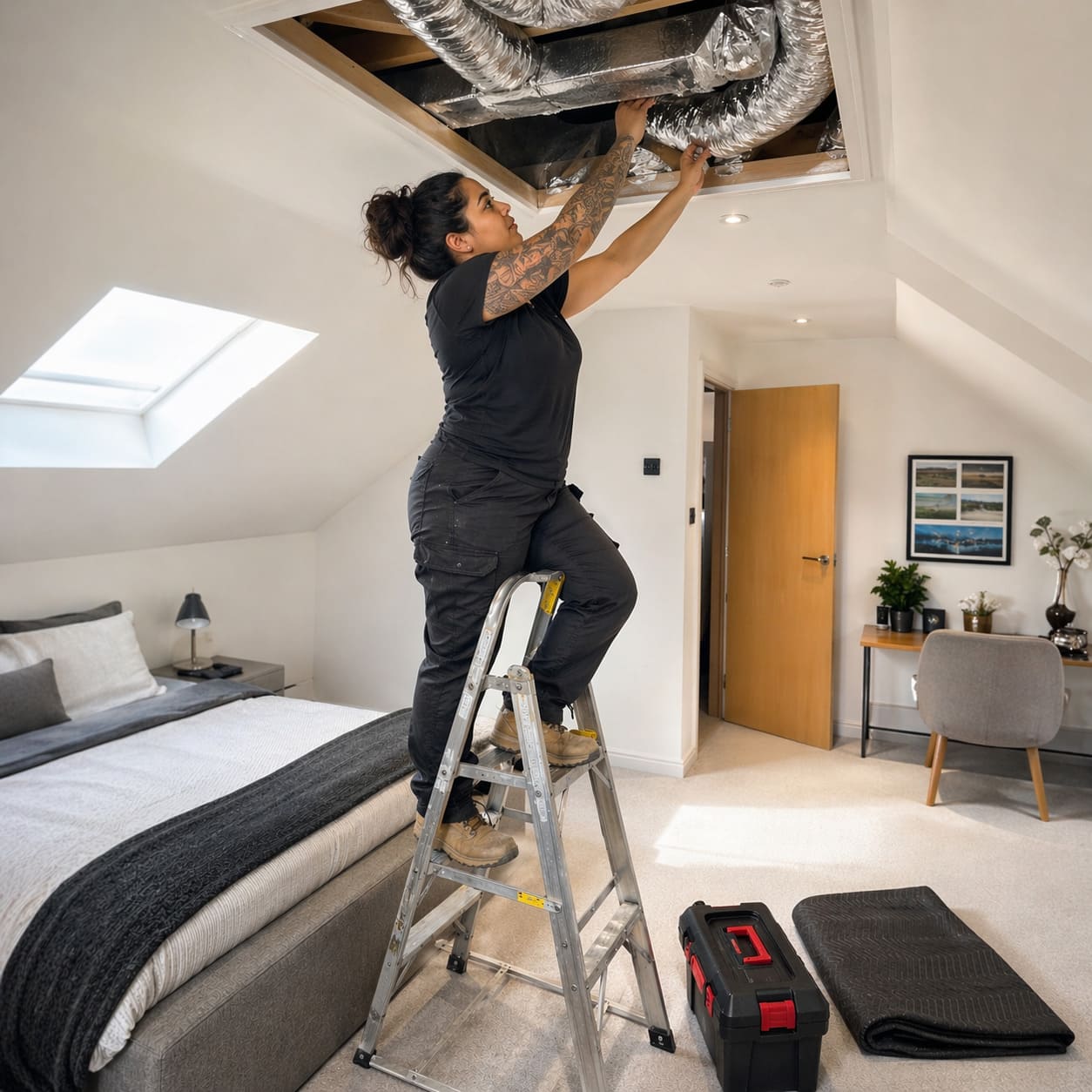
Keep a detailed record of all written communication and permissions throughout the process.

What to Expect from a Professional Installer
A professional air conditioning installer should start with a proper survey, not a guess based on photographs alone. In a rented flat, the survey usually needs to consider the tenancy position, access routes, likely landlord concerns, and the building’s own restrictions as well as cooling requirements.
Once the site has been assessed, the installer should explain which system types are suitable and which ones are likely to run into problems. That advice should include practical points such as unit placement, condensate drainage, electrical supply, noise, and how visible the finished installation would be.
Accredited installers working with refrigerant systems should hold relevant F-Gas certification. That matters because rented properties bring added sensitivity around compliance, paperwork, and clean workmanship. If building management needs documents, a reputable contractor should be used to supplying them.
The installation process itself is usually more orderly than renters expect when it is handled well:
- Pre-installation survey and review of restrictions
- Proposal for a suitable system and unit positions
- Coordination with landlord, letting agent, or building management if needed
- Agreed installation date and access plan
- Careful installation, testing, and explanation of basic operation
In more complex London properties, companies such as RightAir Solutions may be brought in because they are used to older buildings, tight access, and the need for a discreet finish. That kind of experience is useful where the system has to fit around the property rather than the property being altered around the system.
Maintenance is part of the picture as well. A tenant with permission to install a system may still need clarity on who arranges servicing, who pays for repairs, and what happens if the tenancy ends before the equipment reaches the end of its working life. Those points are best settled before any work begins, not after the unit is on the wall.
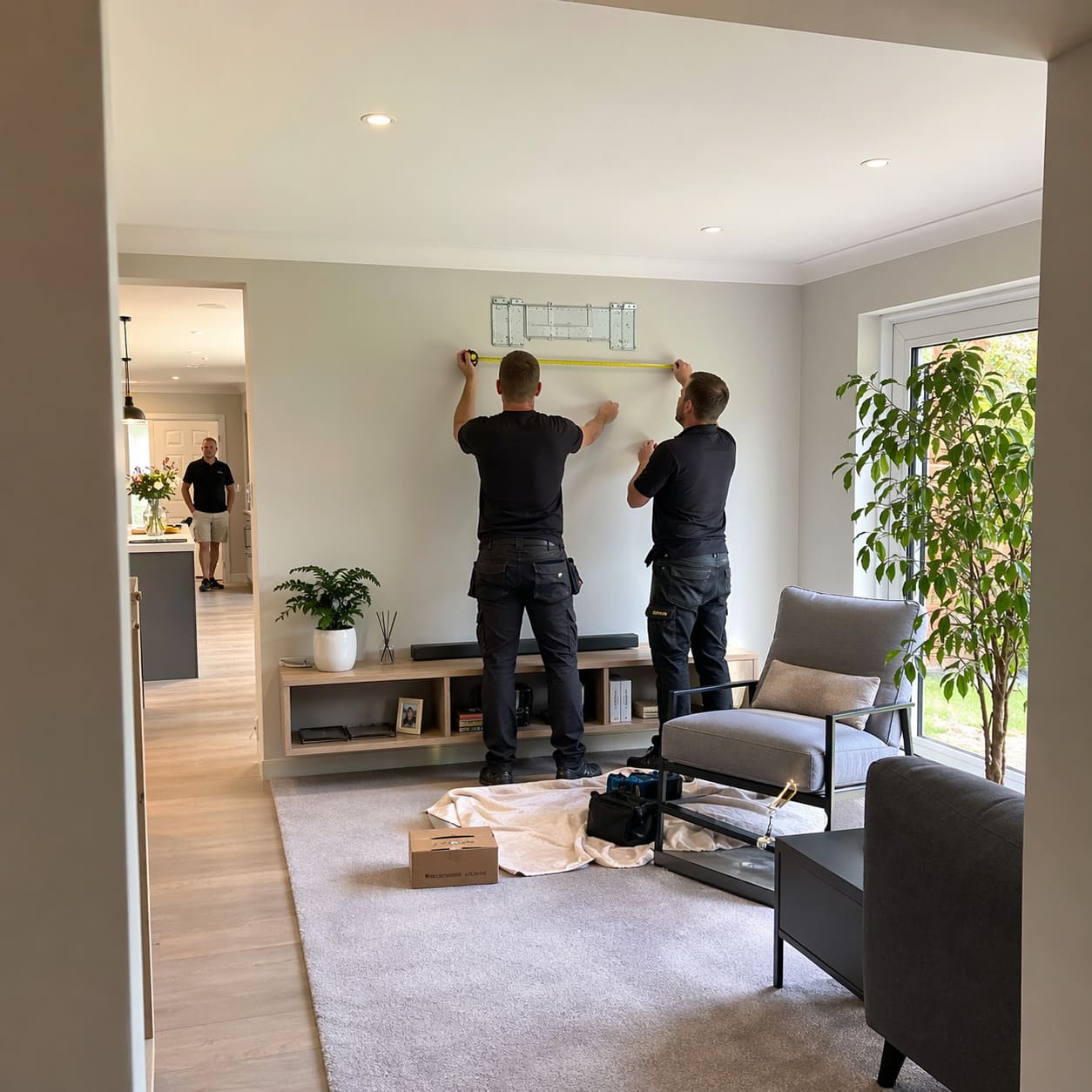
Our engineers can walk you through your options and help you avoid costly mistakes.
Speak to an ExpertCommon Misconceptions and Forward-Looking Considerations
One common myth says tenants cannot install air conditioning at all. That is too simple. Some can, provided the landlord approval and any building consents are in place. Another misunderstanding is that a landlord must agree if the flat becomes uncomfortably hot. In most cases, there is no general duty to install air conditioning simply because a tenant would prefer it.
Energy use also enters the discussion more often now. An Energy Performance Certificate does not decide whether a flat can have cooling installed, but efficiency and running costs are increasingly part of landlord thinking. A poorly chosen system may raise concerns about electricity use, noise, and long-term upkeep in ways that a well-specified one may not.
Several assumptions deserve a second look:
- Portable air conditioning is not automatically problem-free if window use, condensation, or internal noise become an issue.
- Fixed systems are not automatically unsuitable for rentals if permission and design are handled properly.
- Sustainable cooling solutions are not limited to one product type because shading, ventilation, glazing, and controls can all influence comfort.
London borough councils and future building standards may shape this area more over time, especially as overheating in homes receives greater attention. Environmental regulations, efficiency expectations, and tenant comfort are likely to stay part of the same conversation. For renters, the practical takeaway is simple: read the agreement, understand the building, and treat permission for air conditioning as a structured process rather than a quick yes or no.
