RightAir Solutions is a company that specialises in commercial air conditioning services.

What are the most common pitfalls businesses face when installing air conditioning systems?

Many businesses run into recurring issues during air conditioning installations, often due to rushed decisions, site oversights, or misjudged system choices. Avoiding these pitfalls comes down to careful planning, property-specific design, and respect for both regulatory and practical constraints.

Table of Contents

Underestimating the Importance of Site-Specific System Design

A frequent misconception is that air conditioning systems are essentially plug-and-play. In reality, every property presents its own set of conditions that directly influence how a system should be designed and installed. Using off-the-shelf specifications can result in overuse, inefficiency, or poor comfort control.

Proper system design addresses multiple interdependent factors:

  • Thermal load, including internal heat gains from equipment or sunlight
  • Occupancy levels and usage patterns, which vary significantly between office spaces, retail, and hospitality
  • Zoning requirements to accommodate different comfort expectations within the same space
  • Duct and pipe routing based on structural layout and accessibility
  • Airflow distribution and return pathways, which influence acoustic comfort and performance

A site survey that considers Building Regulations Part F, CIBSE recommendations, and F-Gas obligations builds real value into the system before a single component is installed. Without it, efficiency suffers, system noise increases, and interventions become reactive rather than preventative.

In London, where buildings are often varied and access is limited, bespoke design is not a luxury. It is the baseline for reliable operation.

Choosing the Wrong System Type for the Space

Selecting an inappropriate system type can cause major issues, regardless of brand or specification. Businesses sometimes assume that larger capacity equals better performance, or that any modern system will suit their needs. In practice, the wrong format can produce discomfort, energy waste, or awkward aesthetics.

Each system type behaves differently:

  • Split systems suit smaller or single-use rooms but struggle when zoning is complex
  • Multi-split systems offer control across zones, though pipework limits need careful planning
  • Ducted systems support full integration, especially in design-focused interiors
  • VRF/VRV systems scale well for large or shared buildings, with efficient inverter technology and smart zone control

Overcapacity can lead to frequent cycling, poor humidity control, and faster wear. Undersized systems will work too hard and often fail to maintain comfort. Acoustics and visual settings also shape what works best. A boutique retail space in Notting Hill, for example, has very different needs from a co-working hub in Harlesden.

Good system choice reflects future needs as well as current use. Factoring in flexibility lays the groundwork for longevity and satisfaction.

Pro Tip: In heritage buildings, align early with planners to shorten approval cycles for external condensers.

Overlooking Planning and Regulatory Requirements

In London, legal and planning frameworks are particularly important when installing air conditioning, yet they are often overlooked. External condenser units, especially in conservation areas or listed buildings, may require formal planning permission or consent.

Key considerations include:

  1. Planning permission for visible or audible equipment, especially on listed or street-facing facades
  2. Acoustic limits that define acceptable decibel levels for operation
  3. Visual impact assessments, especially in shared or managed settings
  4. Lease restrictions for rented properties that require landlord approval
  5. Building Regulations compliance, including ventilation and energy usage standards

Neglecting these requirements can lead to installation halts, costly redesigns, or removal orders. Identifying the right permissions ahead of time streamlines the process and reduces stress later. A professional contractor will typically flag these issues early, ensuring compliance aligns with project goals.

Ignoring Long-Term Maintenance Needs

Installation is often seen as job complete. In truth, it is only the beginning of a system’s lifecycle. Maintenance is not optional for commercial systems. It preserves efficiency, prevents faults, and supports both compliance and occupant health.

Common maintenance tasks include:

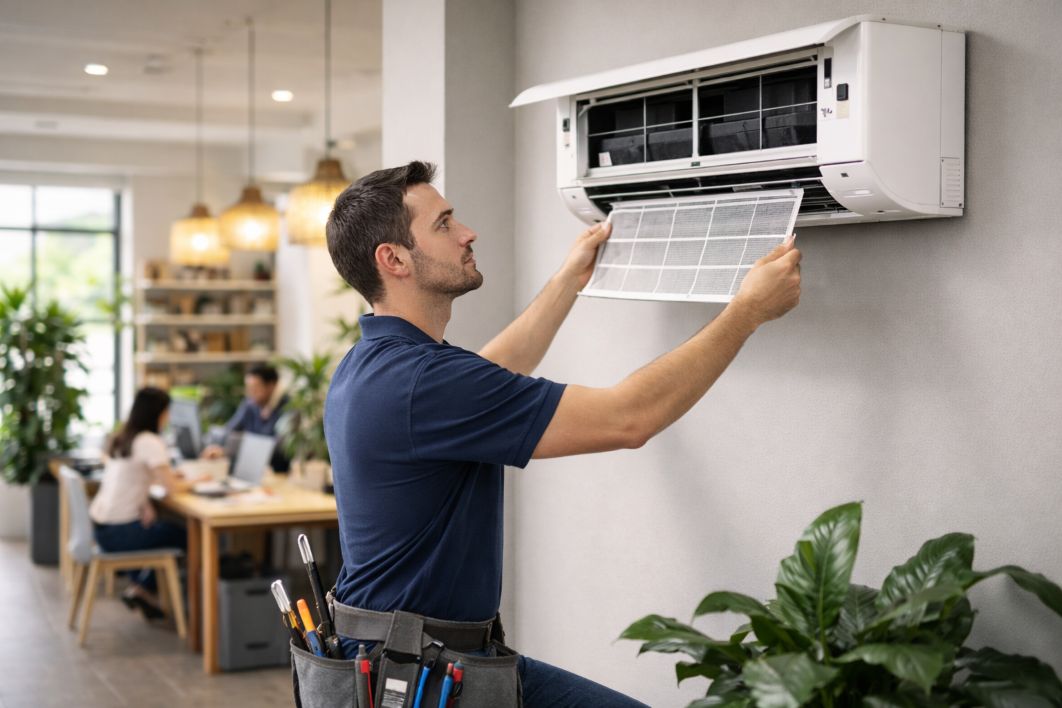
  • Regular filter changes to avoid airflow restriction and indoor air quality problems
  • Deep cleaning of internal components to reduce bacteria and odours
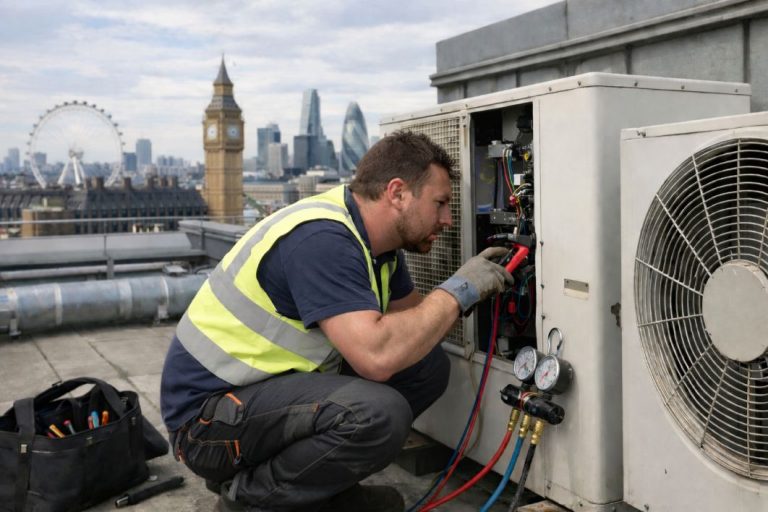
  • Refrigerant checks and top-ups to maintain cooling efficiency under F-Gas regulations
  • Verification of controls and thermostats for consistent operation
  • Seasonal checks to prepare systems for varying thermal loads

Neglected systems tend to suffer higher breakdown rates, noise issues, and shortened lifespans. Some also fall out of manufacturer warranty due to missed maintenance intervals.

In some properties across Maida Vale or Queen’s Park, access constraints mean that reactive servicing is difficult. Planned preventative maintenance avoids this by keeping systems in best condition from the outset.

Book a Site Survey Today

Ensure your system is tailored to your space and compliant from the start. We assess every key factor before design begins.

Failing to Consider Acoustic Impact

Noise may not top every client’s priority list but becomes a core concern once the system is up and running. Units that hum or vibrate, whether indoors or out, can undermine the usability of a workspace or breach planning limits. This is particularly relevant for shared buildings or quieter street locations.

Common noise sources include:

  • External condensers mounted rigidly on echo-prone surfaces
  • Poor internal airflow balance causing whistle or turbulence noise
  • Lack of vibration insulation on ceiling cassette units
  • Inadequate acoustic isolation during duct installation

Mitigation measures range from acoustic enclosures and flexible mounts to selecting lower-decibel equipment. BS 8233 outlines sound insulation standards that guide acceptable indoor noise levels.

Professional installers account for acoustic loading during system configuration. For quiet offices or client-facing spaces, silent performance is not just a comfort feature. It protects staff focus and business credibility alike.

Pro Tip: During office fit-outs, lock in access scheduling with all trades to avoid last-minute equipment clashes.

Poor Integration with Interior Design and Architecture

An efficient system that dominates sightlines or clashes with original features may solve one problem while creating another. Proper air conditioning should work with architecture, not against it. This often requires coordination with designers and early decision-making.

Poor aesthetic integration includes:

  • Wall-mounted units placed in prominent sightlines
  • Suspended ceiling systems clashing with lighting layouts
  • Ducting that obstructs natural light or concealment opportunities
  • Grilles or vents that ignore heritage mouldings or cornices
  • Exposed pipework interfering with design finishes

In contrast, good integration prioritises:

  • Concealed ducting behind walls or within soffits
  • Ceiling cassettes placed symmetrically relative to lighting and structure
  • Minimalist control panels matched to interior materials
  • Coordination with lighting designers and architects from early planning stages

Many of the properties in West London combine historic features with modern refurbishments. This demands a thoughtful, site-specific approach where climate control becomes structurally and visually part of the space.

Discuss Your Project with Our Engineers

Get professional guidance on system selection and planning tailored to your property. No commitment required.

Rushing the Installation Timeline

Deadlines are often tight. However, trying to compress installation timelines usually backfires, shortcuts risk functional faults, safety concerns, or disruptive follow-up work. Proper sequencing matters, especially when integrating with other trades.

Rushing often results in:

  1. Mechanical placement clashing with lighting or electrical first fixes
  2. Missed commissioning steps, which affects performance
  3. Uncoordinated access, leading to physical damage or incomplete connections
  4. Overlooked snagging or fine tuning before handover
  5. Delays due to unanticipated equipment lead times

Air conditioning should be part of a coordinated fit-out or refurbishment plan, not an afterthought. Good system performance begins not at commissioning, but at initial coordination. Planning with adequate lead time ensures that function, aesthetics, and comfort align without conflict or compromise.

Across varied buildings in London, from converted townhouses in Hampstead to mixed-use commercial spaces in Kensington, and the most effective installations are those that are not rushed. They are measured, well-sequenced, and outwardly invisible in operation.

Final Thoughts

Installing air conditioning in a commercial property is rarely straightforward. Property constraints, system choice, compliance obligations, and operational expectations all intersect. Many of the most common mistakes stem from a failure to account for this challenge at the right moment.

Whether in a new office fit-out or a retail refurbishment, effective systems are those designed specifically for the space, installed with care, and maintained with intent. Partnering with a contractor who is experienced in managing this full lifecycle is often the difference between an install that works quietly in the background and one that becomes a daily concern.

In this respect, firms like RightAir Solutions stand out by delivering dependable climate control outcomes that integrate fully within the context and constraints of London spaces.

Set Up a Maintenance Plan

Protect your investment with proactive maintenance tailored to London’s building challenges.

Share

Read Similar Blogs

RightAir Solutions

32 Donnington Rd, London NW10 3QU
 
020 3886 2326
 
GQRC+JX London