What in an air conditioning quote can show that the recommended system is the wrong fit?
A weak air conditioning quote often reveals itself through gaps rather than obvious mistakes. Capacity may look mismatched, the system type may ignore the building, noise data may be vague, controls may be underspecified, and maintenance may barely appear. Taken together, those omissions usually point to a recommendation built around convenience instead of the property itself.
The system capacity seems mismatched to your space
Air conditioning capacity should reflect the actual demands of the room or building, not a rough guess based on floor area alone. A quote that lands on a unit size without showing how that figure was reached can be a warning sign.
Common signs of poor system sizing include:
- one unit size repeated across very different rooms
- no mention of a property survey or heat load calculation
- no reference to insulation, glazing, room orientation, or occupancy patterns
A system that is too small may run for long periods and still leave the room feeling stuffy. A system that is too large can cool the space too quickly, cycle on and off more often, and control humidity less effectively. In practice, both outcomes can feel uncomfortable.
London properties make this especially important. A top-floor flat with large south-facing windows behaves very differently from a shaded ground-floor office in a converted building. Ceiling height, thermal performance, window area, and how many people use the space all influence air conditioning capacity. CIBSE guidance and standard load assessment methods exist for a reason, because system sizing should come from evidence.
Some quotes rely on shortcuts. A contractor may base the recommendation on a quick room measurement, a photograph, or a previous job that looked similar. That approach can miss the details that matter most, including internal heat gains from equipment, patchy insulation, and restrictions created by older construction. Wearing shoes in the wrong size gives the right general idea. The system may still fit on paper, yet never feel quite right once it is running.
Free consultation on air conditioning, ventilation and refrigeration, tailored to your property.
Book a Free ConsultationThe proposed system type overlooks property constraints
The right system type matters as much as the right capacity. A quote can look polished and still recommend a poor solution if it ignores the physical and legal limits of the property.
Thoughtful selection considers the building first. A generic recommendation tends to start with the installer’s preferred setup and then squeeze it into place. In period homes, listed buildings, managed blocks, and compact commercial spaces, that habit can create problems before the installation even begins.
Property factors that should be reviewed include:
- Ceiling height and available void space
- Wall construction and pipework routes
- External unit placement, visual impact, and noise sensitivity
- Planning permission, listed building consent, and building control requirements where relevant
- Any restrictions set by property management
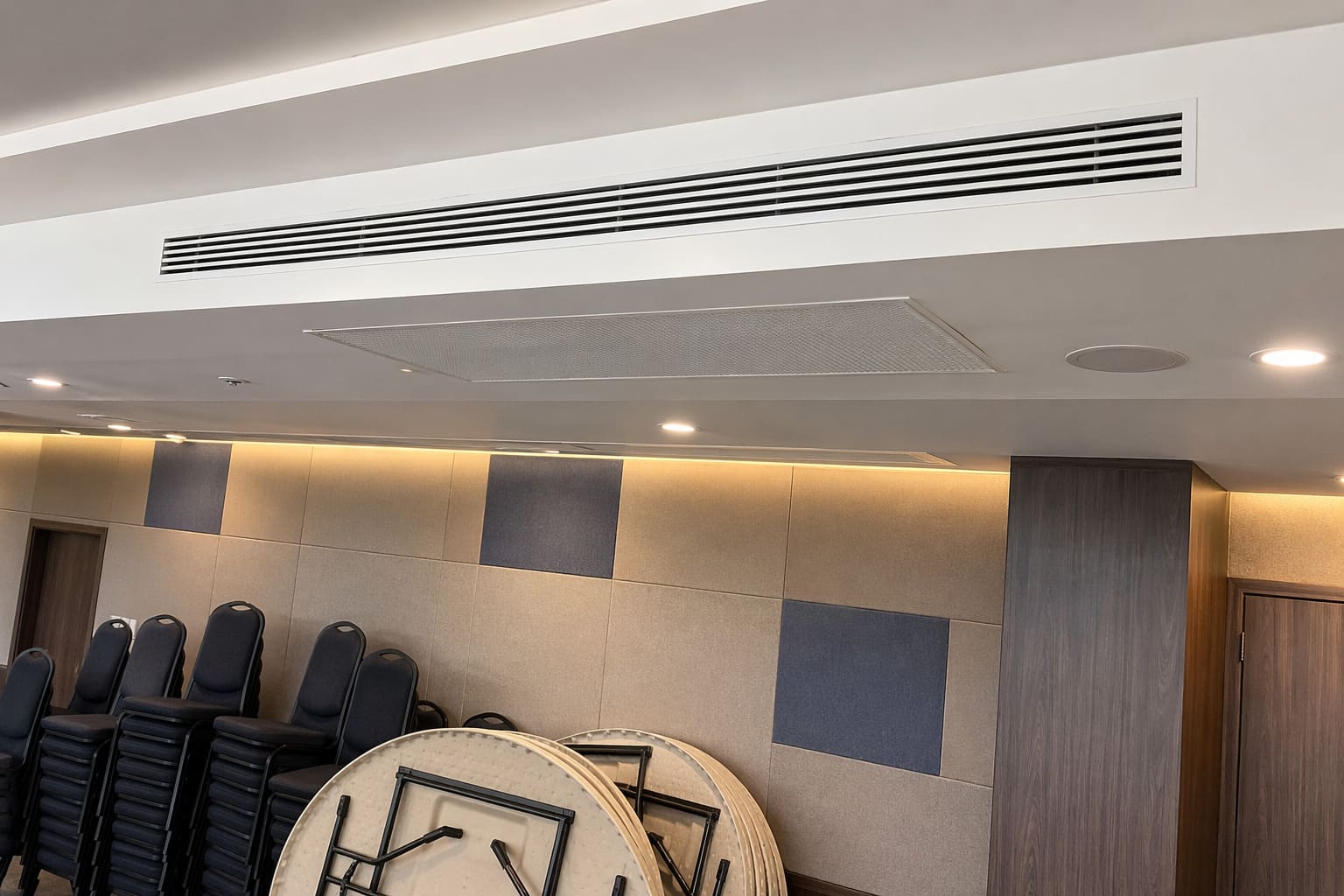
A wall-mounted split system may be practical in one flat and completely unsuitable in another. Ducted air conditioning can look discreet, yet it needs space that many older London properties simply do not have. A ceiling cassette may suit an office fit-out, but it can feel awkward in a room with decorative plasterwork or limited ceiling depth.
Quieter firms tend to show their thinking in the quote itself. They explain why a certain system type suits the building and why other options were ruled out. RightAir Solutions often works in parts of London where access, appearance, and planning constraints shape the whole specification, which means that system choice has to follow the property rather than force the property to follow the system. That distinction becomes obvious once you compare a site-specific quote with one that reads as though it could apply to any address.
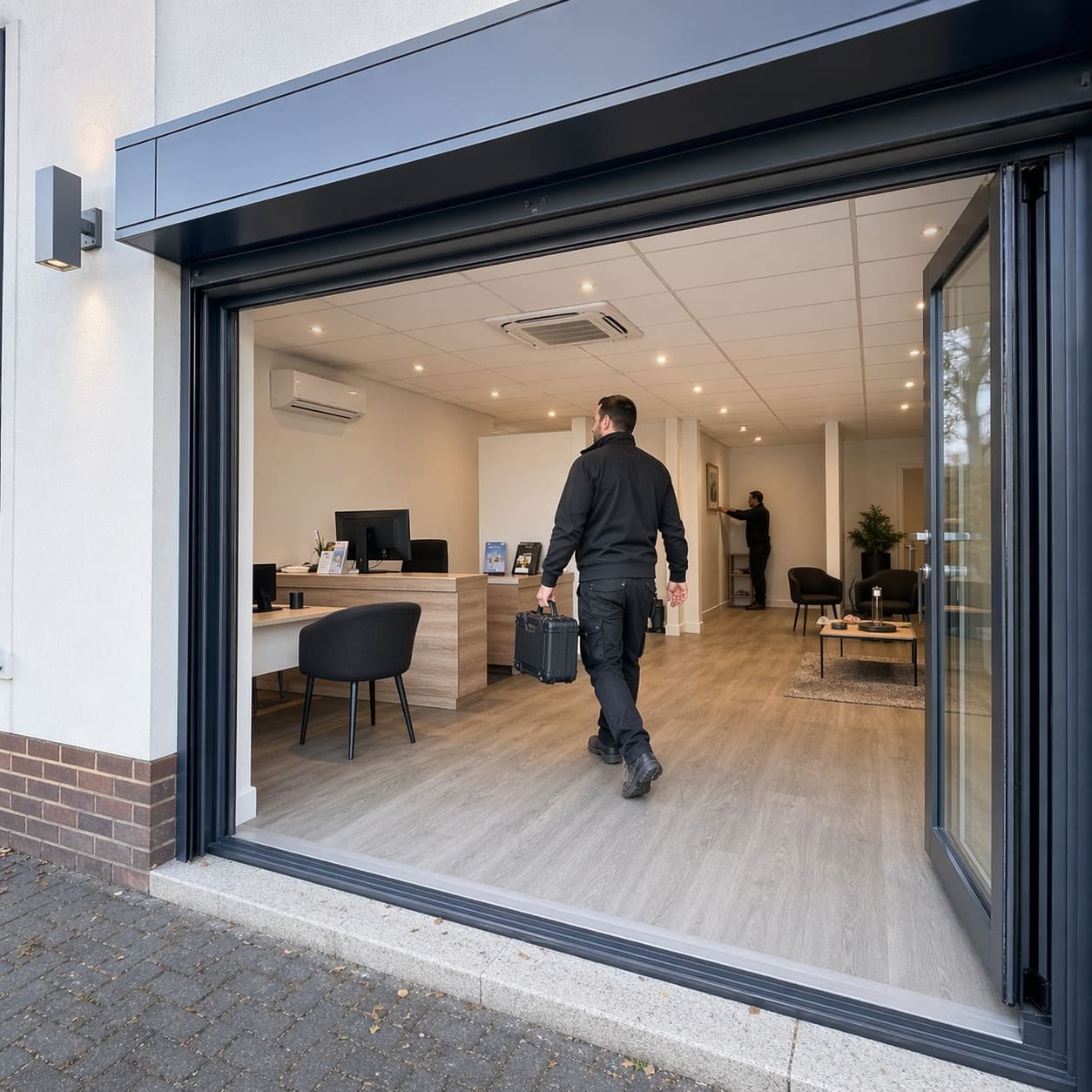
Review any air conditioning quote carefully for details on capacity calculations and references to your property features.

Noise and acoustic considerations are missing or vague
A bedroom unit that sounds fine in a showroom can feel very different at 2 am against a party wall. Acoustic performance is often treated as a footnote, yet poor noise planning can undermine an otherwise capable system.
A professional quote should usually include:
- indoor and outdoor decibel ratings
- the operating conditions those ratings relate to
- any note on vibration control, mounting method, or likely neighbour impact
Words such as “quiet” or “low noise” are not enough on their own. Measurable data matters because sound changes with fan speed, load, installation position, and the surfaces around the unit. Decibel ratings are only part of the picture, but they give the reader something solid to assess. BS EN ISO 3744 is one of the standards used in acoustic measurement, and local authority noise rules may also matter if an outdoor unit sits close to neighbouring windows or terraces.
Night-time use raises the stakes. In a home office, a little fan noise may be acceptable during the day. In a main bedroom, the same sound can become a constant irritation. Outdoor condensers can also transmit vibration into brackets, walls, or shared structures if the installation detail is poor.
Well-written quotes separate marketing language from performance figures. That level of clarity matters far more than any claim about a unit being nearly silent.

Controls and integration options are generic or poorly specified
Controls shape how the system feels to live with every day. If the quote only mentions a standard remote and little else, the recommendation may be too basic for the property and the people using it.
Some homes need simple room-by-room control. Others benefit from zoning, scheduled operation, remote access, or integration with existing smart thermostats and automation. Commercial spaces may need compatibility with a BMS, and higher-end homes sometimes expect links with KNX or wider property control systems. None of that is extravagant for its own sake. It is about making the system usable.
A generic setup often looks like this:
- one handheld remote per indoor unit
- no clear explanation of zoning
- no statement on compatibility with existing controls or automation
An integrated setup tends to be specified more carefully. The quote may note app control, centralised scheduling, guest or staff access levels, temperature limits, or how different rooms can operate independently. In a mixed-use space, those details affect comfort and energy use in equal measure.
Poorly specified controls can also hint at a more detailed problem. If a contractor has not asked how the building is occupied, who uses each zone, or whether the client wants one simple interface instead of several separate ones, the system design may be incomplete. RightAir Solutions is one of several firms in London that treats control strategy as part of the original brief rather than an accessory added at the end, and that approach generally produces a smoother result. A well-matched system should feel intuitive on an ordinary Tuesday, on handover day.
Ask for maintenance requirements and scheduling up front so future servicing does not come as a surprise.

Maintenance and lifecycle considerations are absent or unclear
A quote that says almost nothing about servicing is often focused on installation day and very little beyond it. Air conditioning works best when upkeep is expected from the start.
Maintenance essentials that should appear in a quote include:
- Routine servicing intervals
- Filter cleaning or replacement needs
- Refrigerant and performance checks where required
- Any link to manufacturer warranty terms
- Whether F-Gas responsibilities apply
Servicing is about reliability as much as cleanliness. Filters that are left too long can restrict airflow and reduce performance. Missed checks can allow small issues to grow into larger faults. In some settings, poor maintenance can also affect indoor air quality and comfort long before a full breakdown happens.
Lifecycle planning matters at the selection stage as well. Access for cleaning, replacement parts, condensate management, and the practical ease of future servicing all influence whether a system remains convenient to own. A sleek indoor unit tucked into an awkward position may look good in a quote and prove frustrating later.
The strongest quotes do not treat maintenance as a vague add-on. They show what the system will need, who is responsible, and how that aligns with warranty conditions and the realities of long-term use.
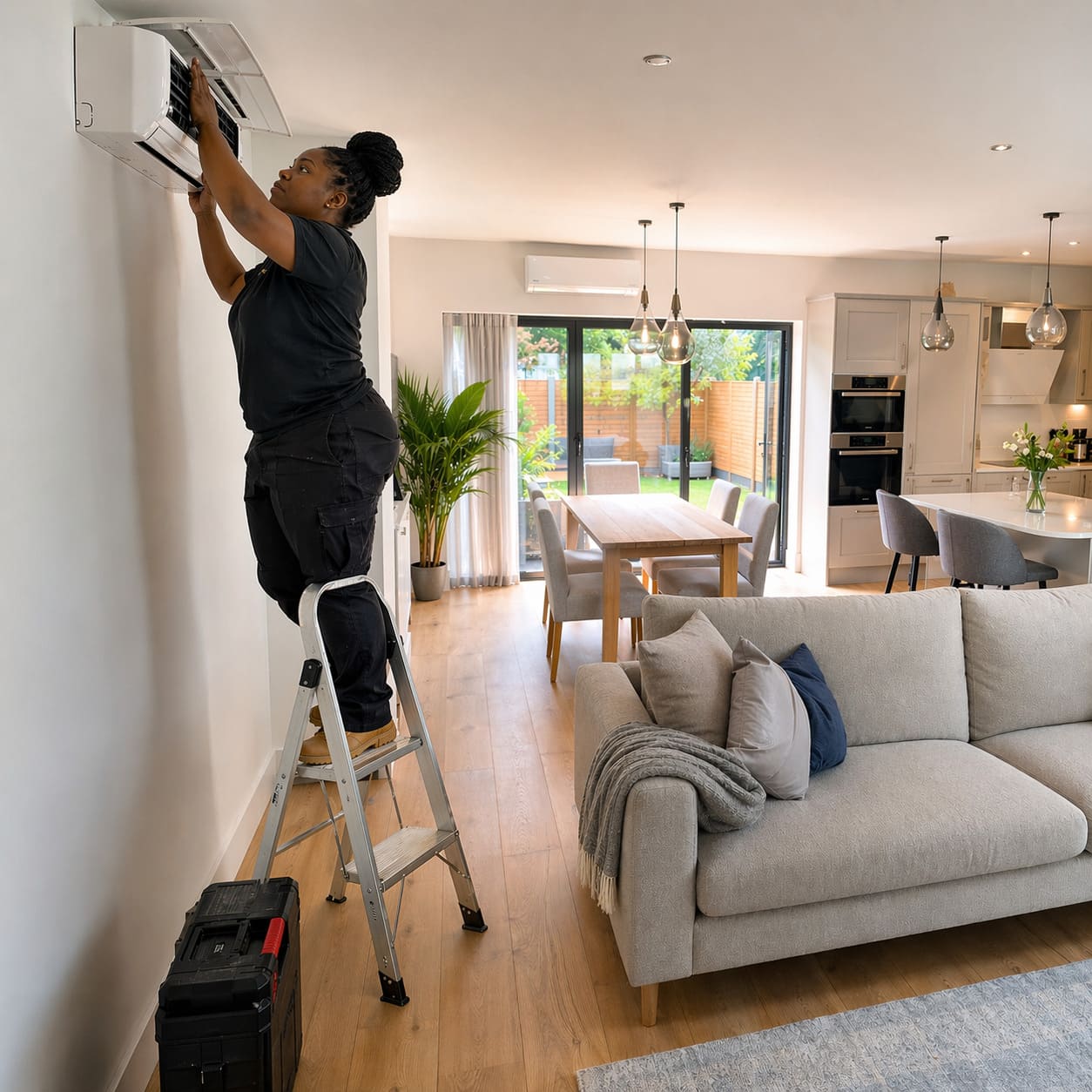
Clear pricing, realistic timelines and honest advice from an experienced London installer.
Request a QuoteLooking beyond the quote: why careful system design matters
A quote is only the visible part of the design process. The real quality sits underneath it in the survey, the load assessment, the attention to building constraints, and the choices made about sound, controls, and upkeep.
Careful system design usually shows up in a few quiet ways:
- the recommendation clearly reflects the property and the client brief
- options are explained with reasons, not simply listed
- practical long-term use is considered from the beginning
An off-the-shelf recommendation can look efficient at first glance, yet air conditioning is deeply dependent on context. The right answer for a modern apartment may be the wrong one for a period conversion, a managed block, or a small office with changing occupancy. Once that point is clear, a quote becomes easier to read for what it really is: evidence of how much thought has gone into the system behind it.
