Key points
- Leaving air conditioning on all day in an empty room usually costs more than switching it off or using a timer.
- The average domestic electricity unit rate from 1 October to 31 December 2026 is 26.32 pence per kWh, with a daily standing charge of 54.83 pence.
- Closing blinds or curtains and keeping internal doors shut helps save energy when cooling a room.
- For businesses, cooling should be set at 24°C or higher, and timed around staff and customer hours.
- Portable air conditioning typically costs £4.62 to £5 to run for 24 hours, but fixed systems need their own calculation.
Will your bill be lower if you keep air conditioning running all day?
No, an empty room usually costs less when the air conditioning is switched off or scheduled around use. A modern inverter system can run steadily in an occupied room. Your bill depends on running time, the temperature you set, how much heat gets into the room, your tariff and how efficient the system is. Specialist rooms need steadier control.
Start by checking whether your room is empty, used for long periods, or holding equipment that needs steady cooling. That tells you which schedule to choose before you fine-tune temperature and controls.
What actually makes air conditioning cost more?
Your running cost is the electricity the system uses, measured in kilowatt hours, multiplied by your unit rate. Longer running time usually means more kilowatt hours, so all-day cooling in an empty room has a real bill effect.
At the time of writing, Ofgem lists the average domestic electricity unit rate for Direct Debit customers from 1 October to 31 December 2026 as 26.32 pence per kWh. The daily standing charge of 54.83 pence stays the same whether the air conditioning runs or not.
The main cost drivers are simple things you can see and control:
- Set temperature: A lower setting asks the system to remove more heat from the room.
- Room size: A larger space needs more cooling than a small bedroom or study.
- Sunlight: Large windows and direct sun increase heat gain.
- Doors: Open internal doors let warm air move into the cooled room.
- Tariff: Some tariffs charge different rates at different times of day.
Energy Saving Trust gives a useful household rule: close blinds or curtains when the sun is shining through the windows. Stopping heat coming in usually takes less electricity than removing that heat later.
Leaving it on all day, switching it off, or using a timer
Say you leave your London flat in the morning and want the sitting room comfortable when you get back. Running the system all day while nobody is home uses electricity when no one benefits from the cooling.
Think about how you use the room before you choose a habit. A room that sits empty during the school run, a shop floor with people inside all day and a server cupboard with equipment giving off heat each need their own approach.
| Situation | Usual cost-wise habit | What to check |
|---|---|---|
| Empty home for several hours | Switch off or schedule off time | Heat gain, tariff and comfort on return |
| Room occupied through the day | Let an inverter system maintain a sensible setting | Set temperature, closed doors and shading |
| Server room or technical space | Keep stable cooling with controls | Equipment heat load and monitoring needs |
Swipe to see more →
A timer or smart thermostat is useful when your day has a pattern. You can cool a room before you return, set office air conditioning around opening hours, or keep specialist cooling steady for equipment rooms.
Ofgem describes Economy 7 as a multi-rate tariff, where electricity is charged at one rate during a set off-peak period and a more expensive rate during peak hours. Tariff timing matters when you can choose when to cool a room, especially for spaces that need pre-cooling before people arrive.
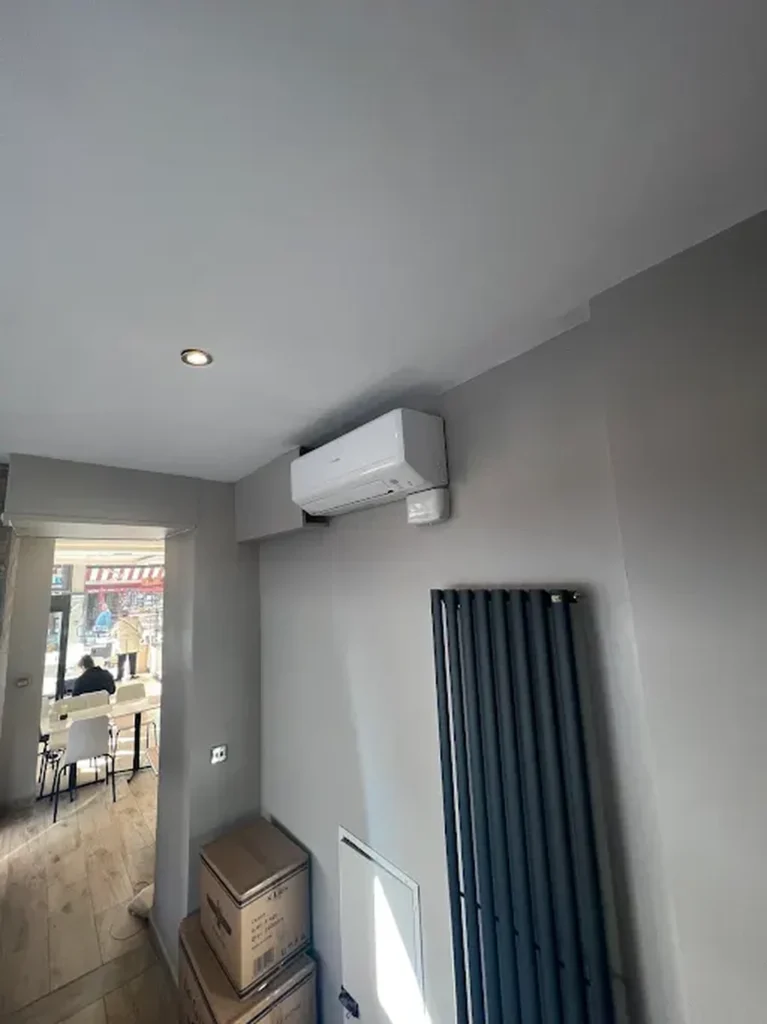
Helpful tipPlace a simple room thermometer at seated height, away from direct sun, and note the temperature when the room first feels comfortable. That record gives an engineer a clearer picture than the number shown on the controller alone.
How inverter air conditioning changes the calculation
You may worry that switching air conditioning back on makes the system work hard.
Inverter air conditioning adjusts motor speed up or down to suit the room temperature and maintain the set temperature. Once the room is comfortable, a fixed air conditioning system with inverter control can run at a lower output.
If you are working from home all day in one study, a well-sized split system can hold a steady temperature with smart controls and closed doors. If the room sits empty for hours, scheduled cooling usually costs less.
SEER, short for Seasonal Energy Efficiency Ratio, is a cooling efficiency measure that compares total cooling capacity with the electricity input of the unit. The installed unit, its size, its maintenance condition and the room it serves all shape your final cost.
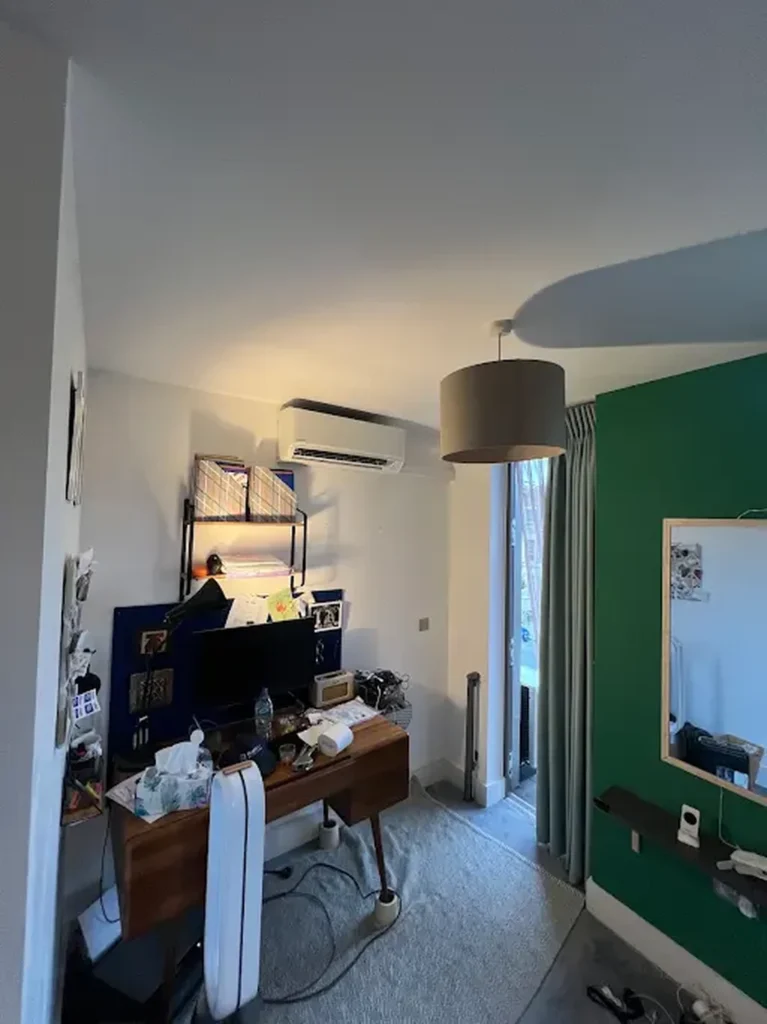
Talk to an engineer about your system
Book a free, no-obligation site survey. Our F-Gas certified engineers will check what your property needs and give you a clear quote.
Flats, period homes and commercial rooms
A sunny top-floor flat in West or North West London can heat up quickly in the afternoon. A street-level shop or office with people coming in and out warms up in its own way, because doors open and heat builds while people are inside.
Top-floor flats and sunny rooms
If you live in a top-floor flat with large sun-facing windows, the rooms can heat up fast. Blinds, curtains and a sensible schedule help before the system even starts cooling.
Air conditioning in a flat also works better when you keep the cooled room closed off. Energy Saving Trust says internal doors should be kept closed when an air conditioning unit is running, so warm air from the rest of the home does not keep entering the cooled room.
Period properties and shared walls
Period properties can have solid walls, mixed layouts and rooms that each warm up in their own way. A room with a bay window, for example, can heat up quickly on a sunny afternoon.
A professional installer such as RightAir Solutions looks at where indoor and outdoor units can sit, how pipework can run, and how the system will sound in a property with neighbours close by.
Commercial rooms and specialist spaces
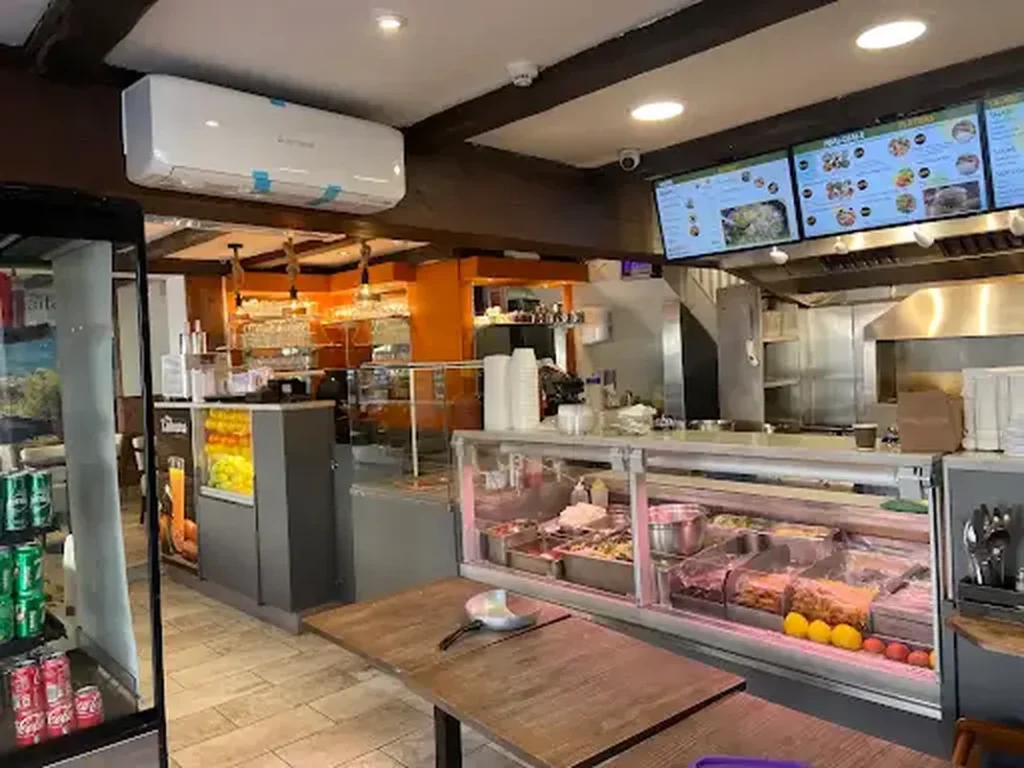
For office air conditioning, GOV.UK business energy advice says cooling should be set at 24°C or higher for a comfortable low-cost temperature. The same advice says businesses should time heating and air conditioning around the hours when staff and customers are in the premises.
Smart thermostats give you more control over energy use. In a shop, office or treatment room, that means the system can match your working day.
Getting the setup right
A correctly sized system, clear controls and planned servicing give you a better chance of cooling the rooms you use without paying for hours you do not need.
RightAir Solutions installs air conditioning for homes and businesses across London, including split, multi-split, ducted and ceiling cassette systems. It also works with VRV or VRF systems, short for variable refrigerant volume or variable refrigerant flow, which use one outdoor unit to serve several indoor units.
Smart thermostat controls help you set schedules for the rooms you use, and room-by-room planning gives each space in a larger property its own setting.
Regular servicing keeps your system in good working order. The same engineers can provide planned preventative maintenance, one-off servicing, seasonal check-ups, deep cleaning and anti-bacterial treatments, as well as filter replacement, refrigerant checks and top-ups, and upgrades to quieter, smarter and more efficient systems.
A site survey shows the details that affect everyday use: where the indoor unit can go, where the outdoor unit can sit, and how the controls will match the way you use the room.
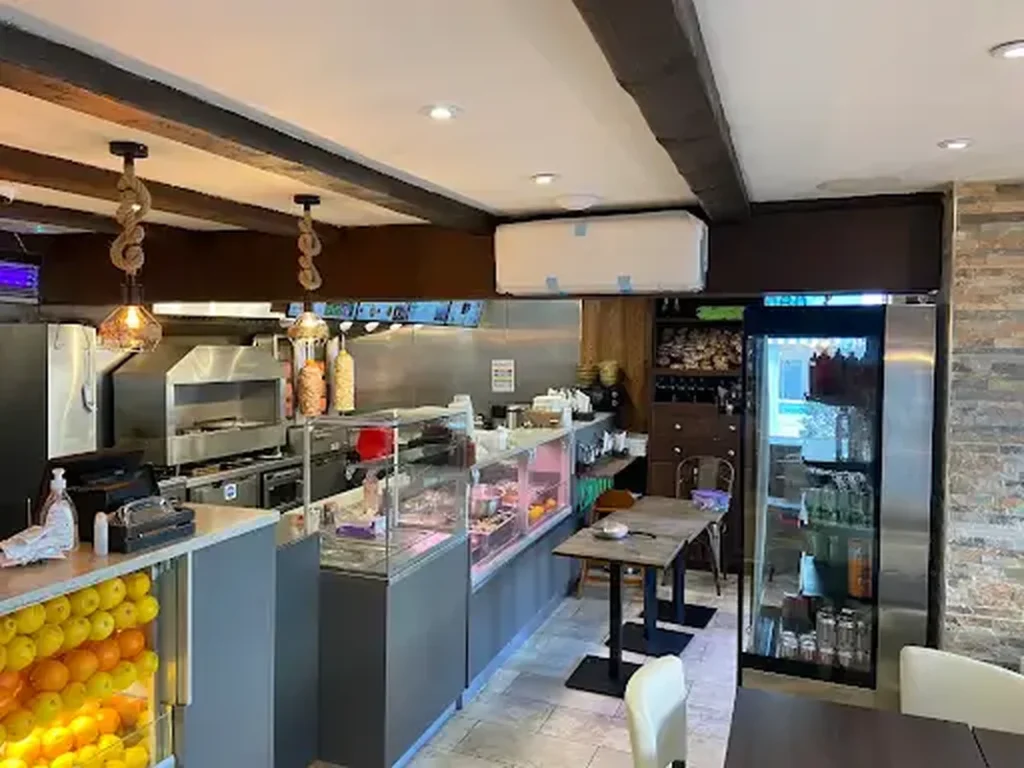
Helpful tipBefore a survey, photograph the indoor unit, outdoor unit and controller, including any error symbols or filter messages. Those photos help explain intermittent issues that may disappear before an engineer visits.
Common questions about air conditioning running costs
How much does air conditioning cost to run for 24 hours?
For portable air conditioning, typical GB costs are £4.62 to £5 for 24 hours, according to Energy Saving Trust. A fixed split system needs its own calculation from its electricity use, running time and your tariff.
Should I close windows before using air conditioning?
Yes, when the outside air is warmer than the room. Energy Saving Trust says to close windows in that situation and open them when it is cooler outside.
Can air conditioning also heat a room in winter?
Yes, some air conditioning systems can provide heating as well as cooling. That helps in London homes and commercial rooms, where one fixed system can keep you comfortable for more of the year.