Can You Install Air Conditioning in a Leasehold Flat
Thinking of installing air conditioning in a leasehold flat? Learn what approvals you need and how to navigate legal, planning, and technical steps.
RightAir Solutions is a company that specialises in commercial air conditioning services.
Yes. In most cases, installing air conditioning in a leasehold flat requires formal consent from your freeholder and may also involve local authority approvals. Lease agreements typically contain clauses restricting alterations, especially those affecting shared structures or external elements of the building.
Leasehold flats are fundamentally different from freehold properties in terms of ownership and control. A leaseholder owns the right to occupy their flat for a set period, but not the building itself or its structural elements. These are usually retained by the freeholder, who remains responsible for maintaining the external fabric and shared areas.
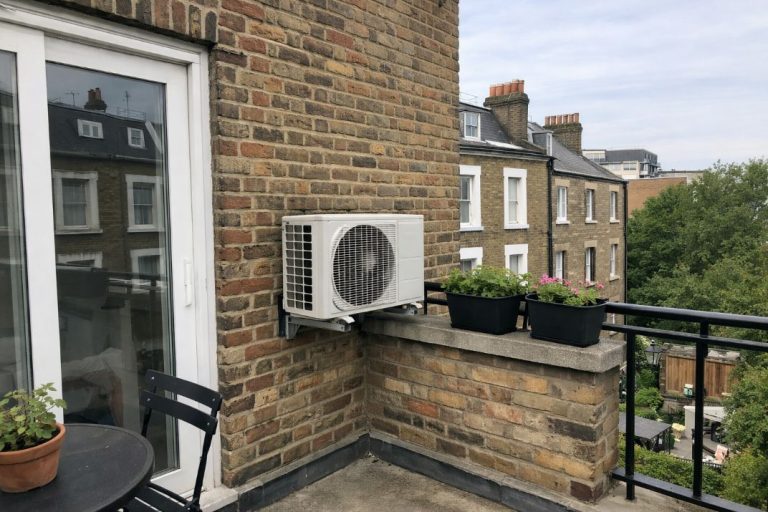
Most leases contain an alteration clause that stipulates what kinds of work require prior approval. Air conditioning installations often trigger this clause because they may involve works to external walls, roofs, or shared building services.
Consent is typically required if:
A common misconception is that internal changes are always permitted. Even minor works can fall under lease restrictions if they alter the property’s structure or affect communal areas. Always check the property lease terms carefully, and consult with your managing agent or legal advisor before planning any installation.
Pro Tip: Confirm whether your lease contains a prohibition or conditional approval clause related to external alterations before contacting an installer.
In most cases, you’ll need permission from the freeholder before installing air conditioning. This is because most systems require structural alterations, affect the building envelope, or represent a permanent change.
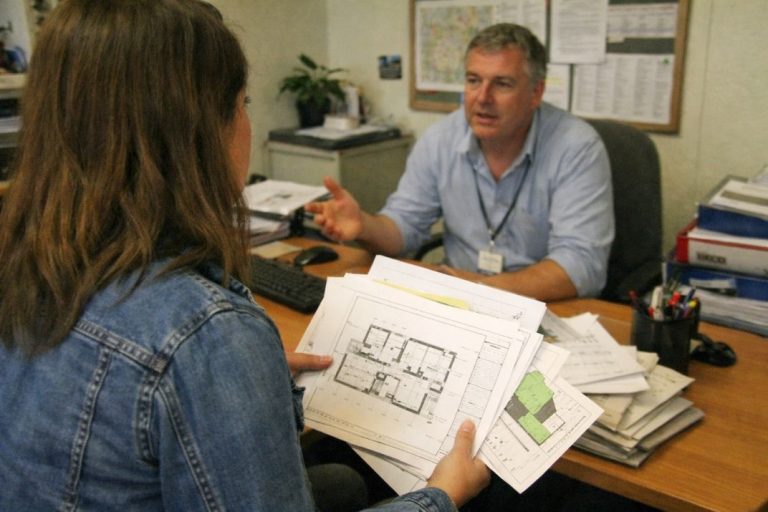
The process typically involves a formal licence to alter. This document sets out the terms under which the installation may proceed. Expect to provide technical drawings, equipment specifications, noise impact data, and sometimes a planning report.
A freeholder, often advised by a managing agent or surveyor, will evaluate:
Proceeding without consent can result in serious complications. These may include legal enforcement, demands to reverse the work, or problems when selling the flat.
A well-prepared consent application should include:
Professional installers familiar with the freeholder approval process can often assist in producing this documentation.
Get tailored advice on installing air conditioning in your leasehold flat with no obligation.
Beyond leaseholder consent, certain London properties also face local authority restrictions. In particular, flats located in conservation areas or listed buildings may require planning permission for new air conditioning equipment.
Planning permission is usually needed when:
Conservation officers will assess the visual impact, acoustic concerns, and any potential risks to heritage fabric. Internal-only systems are more likely to be acceptable where the external building shell must remain untouched.
For example, a flat in a Victorian terrace in Maida Vale may require both listed building consent and planning approval for any external equipment, whereas an internal condenser unit may be exempt.
Check with your local planning authority early. Coordination between planning requirements and leasehold consent is often necessary. Delays can be avoided by approaching both processes simultaneously with appropriate documentation.
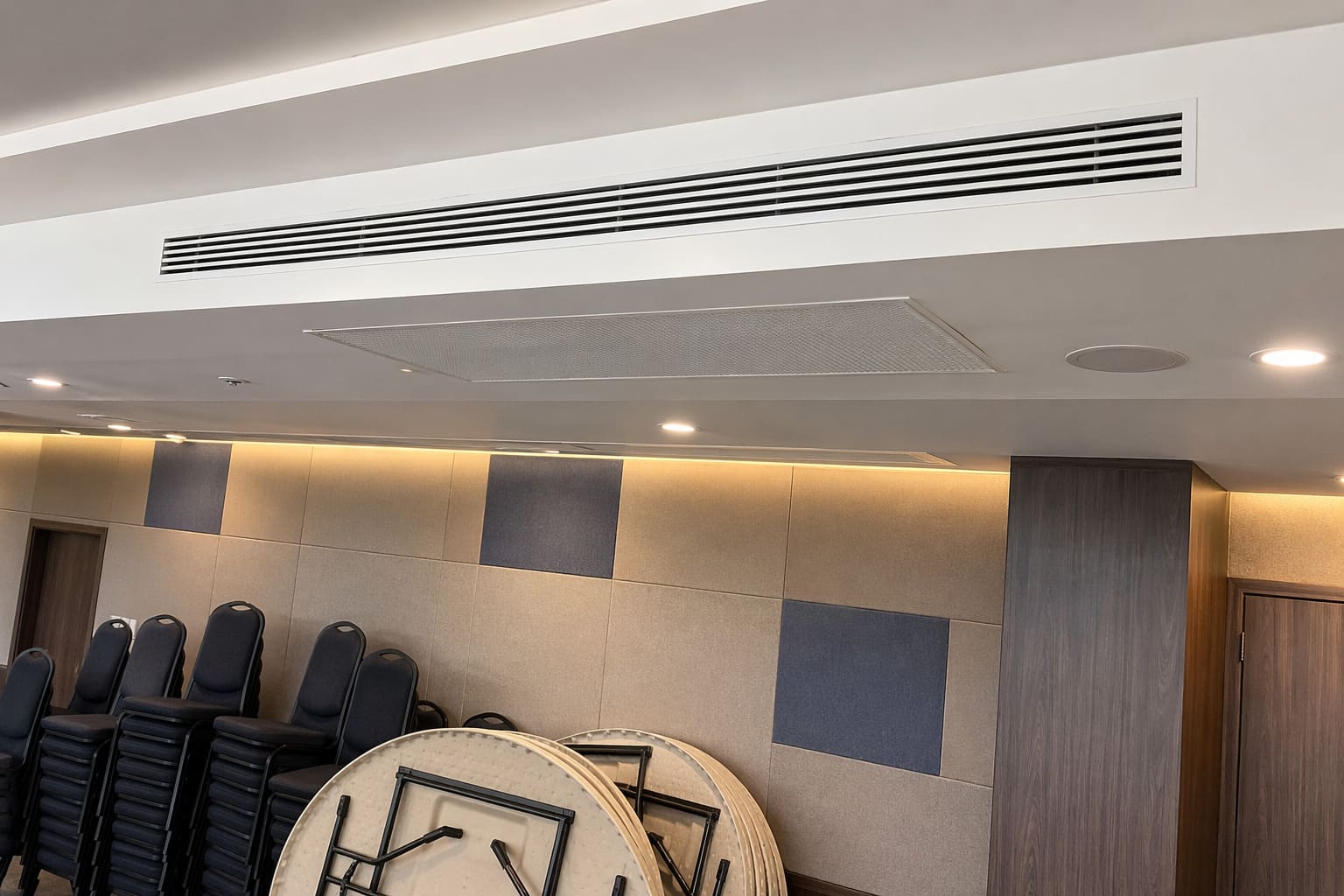
If external units aren’t permitted, internal-only systems may offer a viable alternative. These typically involve a condenser unit positioned within the property, using water or air discharge methods rather than external venting.
Common types include:
These systems come with trade-offs. Water-cooled models may need a reliable mains water connection and may produce more internal noise. Ventless or air-recirculation systems can be less efficient during extended hot periods.
On the positive side, well-planned internal installations can offer:
The best results often involve structured airflow design, minimal aesthetic intrusion, and careful noise control within the unit’s acoustic profile.
Pro Tip: Water-cooled internal units avoid external changes but often require plumbing assessments to ensure compatibility with shared systems.
Even with the right permissions in place, leasehold flats in London present unique practical challenges. These often stem from the nature of older or tightly configured buildings, with shared facilities and limited access.
Common obstacles include:
The success of the installation often depends as much on installation logistics as it does on the system design. Experience working in constrained, communal buildings makes a significant difference. Installers need to plan every routing, bracket, and decibel with care.
Installing air conditioning in a leasehold flat is rarely a simple plug-and-play exercise. It demands experience not just with equipment, but also with permissions, coordination, and building-specific constraints.
Professional installation teams bring several advantages:
RightAir Solutions, for instance, often handles projects in Kensington, Hampstead, and other areas where older buildings combine visual sensitivity with strict lease controls. The emphasis is on careful planning and complete clarity throughout the process.
Unsure what your lease allows? Let our team review the terms and identify the next steps.
Before beginning any installation, there are several key questions to consider:
Installing air conditioning in a leasehold flat is entirely possible, but demands a thoughtful, informed approach. With early preparation and the right support, the process can be made straightforward and compliant, even in central London’s most challenging properties.
We help prepare the documents needed for freeholder or planning permissions.

Can You Install Air Conditioning in a Leasehold Flat
Thinking of installing air conditioning in a leasehold flat? Learn what approvals you need and how to navigate legal, planning, and technical steps.

Can You Reject an Air Conditioning Installation That Isn’t Fit for Purpose
Learn when an air conditioning installation is legally unfit for purpose and how to handle issues calmly and effectively based on UK consumer protection law.

What to Do If a New Air Conditioning System Underperforms
Your air conditioning is new but not working as expected? Learn what steps to take, from system checks to installation reviews and ongoing maintenance.
RightAir Solutions
At RightAir Solutions, we provide air conditioning services to domestic and business customers for heating and cooling units. We also supply and fit commercial AC and HVAC services with our insured, qualified and experienced London team of air con engineers.