RightAir Solutions is a company that specialises in commercial air conditioning services.

What are the most common reasons an AC stops cooling, and what can you check before calling an engineer?

Several factors can cause an air conditioning system to stop cooling, ranging from simple thermostat misconfigurations to more involved issues like low refrigerant or component wear. Many of these can be visually or manually checked by homeowners with minimal risk. Understanding these causes helps determine whether a quick adjustment will resolve the issue or if calling an engineer is necessary.

Table of Contents

1. Thermostat Settings Misconfigured

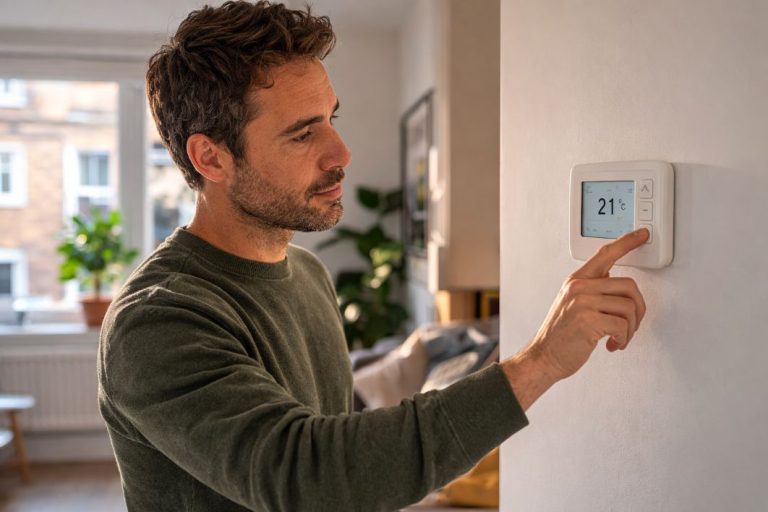
Thermostat misconfigurations are among the easiest problems to overlook, yet they can make a functioning unit behave as if it has failed.

Modern thermostats, especially smart or programmable types, offer various operating modes which makes it easy to accidentally select the wrong one. If the system is set to “fan” rather than “cool”, it will blow air without chilling it. Similarly, a significant temperature offset or a schedule override can block proper activation.

Common missteps include:

  • Mode left on “fan only” after cooler months
  • Temperature set too close to current room temperature
  • Batteries running low in wireless thermostats
  • Overridden settings from mobile apps
  • Child lock or holiday modes enabled

If your interface looks unfamiliar, check the manufacturer manual for a reset. In many cases, restoring settings to default helps clarify whether a real fault exists.

Pro Tip: Check your thermostat’s mode and temperature settings after power cuts or app updates, as some may revert to defaults.

2. Power Supply or Fuse Issues

Air conditioners can appear operational even when core components have stopped. A tripped fuse or power cut may affect the compressor but not other elements such as the fan or display lights.

In UK homes, faults can stem from issues in the consumer unit. A tripped circuit breaker or blown fuse will cut power to the system, yet the thermostat may still seem responsive.

Points to check:

  • Look for tripped switches in the fuse box
  • Check if other appliances on the same circuit have power
  • Be aware of recent power surges or flickering lights
  • Ensure external isolator switches are firmly on

If you notice no sound from the outdoor unit or no cold air production at all, the compressor may not be receiving power. DIY action should stop at observation. Anything involving wiring or consistent tripping requires a qualified professional.

3. Dirty or Blocked Air Filters

Air filters capture dust and particles, but when they become too clogged, airflow is restricted and cooling falters.

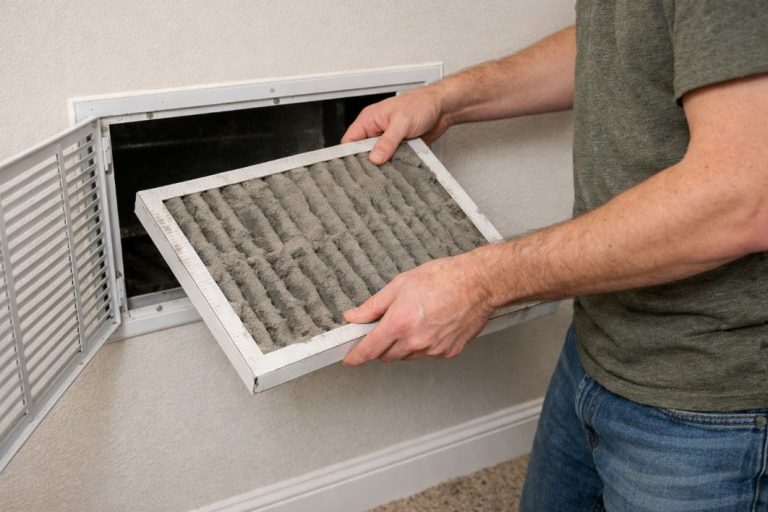
A dirty filter makes the system work harder, pushing less air through and placing strain on components. In some cases, restricted airflow can cause internal ice formation, which further disrupts performance.

Signs your filter needs attention:

  1. Reduced airflow from vents
  2. Dust accumulation near grilles
  3. Filter surface appears grey or thick with particles
  4. System has cooled well previously but now struggles
  5. Ice visible within indoor unit

Filters in residential systems typically need checking every 3 to 6 months. Slide-out grilles usually allow access without tools. If the surface feels matted or smells stale, a replacement or cleaning is due.

Book an AC Inspection

Not sure what's wrong with your system? Let our certified engineers assess and restore cooling efficiently.

4. Refrigerant Levels Too Low

Low refrigerant is a technical issue that cannot be resolved without professional servicing, but homeowners can learn to recognise its signs.

Refrigerant is the fluid responsible for absorbing and releasing heat. If levels drop due to a leak, the system loses its cooling capacity. It may still run, but cannot bring the temperature down effectively.

Indicators of a possible refrigerant problem:

  • Air from vents is lukewarm even after extended use
  • Hissing sounds near copper lines or connections
  • Ice on pipework or evaporator coil
  • Prolonged run times without reaching target temperature

F-Gas regulations control refrigerant handling in the UK, which means a qualified engineer must address suspected leaks and perform top-ups. Continuing to run a system with low refrigerant can lead to compressor damage, making prompt attention advisable.

5. Outdoor Unit Obstructed or Dirty

The outdoor condenser unit plays a important role in heat expulsion. If it’s covered, restricted or dirty, it cannot release heat effectively, which compromises cooling indoors.

In London homes, it is common for outdoor units to be tucked behind fencing, surrounded by bins, or encroached by vegetation. These obstacles reduce airflow and sometimes trap heat.

Things that may obstruct the unit:

  • Overgrown plants, especially ivy
  • Stored items or refuse bins near the housing
  • Dust accumulation from nearby construction
  • Decorative covers placed too close
  • Animal nests or debris lodged behind the grille

Clearing away obvious blockages and gently cleaning with a soft brush can be helpful. Avoid spraying hoses into grilles or opening casings unless you are confident the power is securely off.

Pro Tip: Clean the area around your outdoor unit every season to prevent airflow blockages that impact cooling performance.

6. Internal Components Frozen

Ice inside the unit may look harmless, but it often causes a complete stop in cooling. Paradoxically, ice is a symptom of poor performance, not excess efficiency.

Frozen components usually result from airflow restrictions or low refrigerant. When warm air fails to pass over the evaporator coil quickly enough, or the pressure inside the coil drops too low, moisture condenses and freezes.

Visual cues of freezing:

  • Ice buildup on the coil behind the front grille
  • Water dripping even when AC is off
  • Thin frost along copper lines
  • Sudden stop in airflow from vents

If you spot ice, switch the system off for several hours and allow it to thaw fully before using it again. Running it while frozen can strain the compressor. Once defrosted, recheck filter condition and thermostat settings. If ice returns, seek professional inspection.

7. Faulty Fan or Blower Motor

If the internal fan stops working, cooled air is not distributed through your space, and even if the rest of the system is working correctly.

Fan or motor issues often present as silence rather than noise. You may also hear the compressor running outside but feel no air indoors. Weak or pulsing airflow can be an early warning.

Common signs of fan trouble:

  • No air from vents despite system being on
  • Buzzing or humming sound without air movement
  • Intermittent airflow that weakens over time
  • Air only moves when the fan is manually activated

These issues may relate to worn fan motors, failing capacitors, or internal obstructions. This area generally falls outside safe DIY checks and requires diagnostic tools.

Request a System Upgrade Quote

If your old unit struggles to perform, it may be time for a modern, energy-efficient upgrade tailored to your home.

8. Control Board or Sensor Malfunction

Modern AC systems depend on electronic controls and sensors to regulate operation. If these fail, the system may become unresponsive or behave erratically.

Sensors monitor room temperature, coil conditions, and a host of other inputs. When they send inaccurate data, the system may shut off prematurely, run unnecessarily, or enter fault mode.

Things to watch for:

  • AC turns on and off quickly with no result
  • Settings revert or fail to apply
  • Temperature readings seem incorrect
  • No reaction to commands sent from a smart device

In some cases, a full system reset restores normal behaviour. Consult your user manual for reset steps, which often involve a power-down period and restart. If erratic behaviour returns, an engineer can trace control or sensor defects using diagnostic tools.

9. System Age or Wear and Tear

Older systems may struggle to cool effectively, not due to a specific fault, but because of gradual wear across many components.

Performance degradation often comes slowly. Systems over 10 years old in particular may contain parts no longer widely supported or use refrigerants that are being phased out. Regular maintenance helps, but functional decline is natural.

Signs that point to age-related decline:

  • Inconsistent cooling across rooms
  • Louder operation than before
  • Frequent need for top-ups or repairs
  • Slight but steady decline in performance annually
  • Outdated control panels or interfaces

If the system runs constantly but fails to maintain comfort, it may have reached the end of its effective service life. Experienced firms such as RightAir Solutions often encounter legacy units in older London properties, where layout constraints and original installations now conflict with modern cooling demands. In these cases, a full evaluation can clarify whether updated equipment will yield better comfort and efficiency.

Knowing When to Step Back

Many issues outlined above offer quick checks that can be performed safely and with minimal tools. Thermostat errors, dirty filters, and obstructed outdoor units are especially common and easy to address.

However, if your checks suggest refrigerant loss, electrical faults, or internal damage, it is wiser to stop and engage a qualified engineer. Systems under strain can develop broader faults if left unresolved.

Companies experienced in carefully integrating systems into complex London properties are often best placed to handle these technical diagnoses with minimal disruption.
Talk to a Cooling Expert

Need advice on recurring AC issues or system longevity? Our team is here to help with honest, practical guidance.

Share

Read Similar Blogs

RightAir Solutions

32 Donnington Rd, London NW10 3QU
 
020 3886 2326
 
GQRC+JX London