What causes air conditioning systems to become a noise concern in shared environments?
Air conditioning systems produce noise through their moving components, such as fans and compressors. In densely populated areas or shared buildings, even moderate noise can be disruptive depending on placement, building structure, and time of use. Complaints often arise when perceived noise exceeds expectations for comfort or stems from poorly installed systems that transfer vibration or sound into living spaces.
Table of Contents
Understanding the Source of Air Conditioning Noise
Several elements contribute to the overall sound level of an air conditioning system, and not all are equally noticeable or problematic. Understanding of the source is the first step in evaluating whether a noise complaint stems from misuse, a technical fault, or simply a mismatch between expectation and reality.
Outdoor Units vs Indoor Units
Outdoor condensers tend to be louder than indoor units, mainly because of compressor activity and external fan operation. Mounted near bedrooms or shared courtyards, the consistent hum can carry further than expected, particularly at night in quieter neighbourhoods.
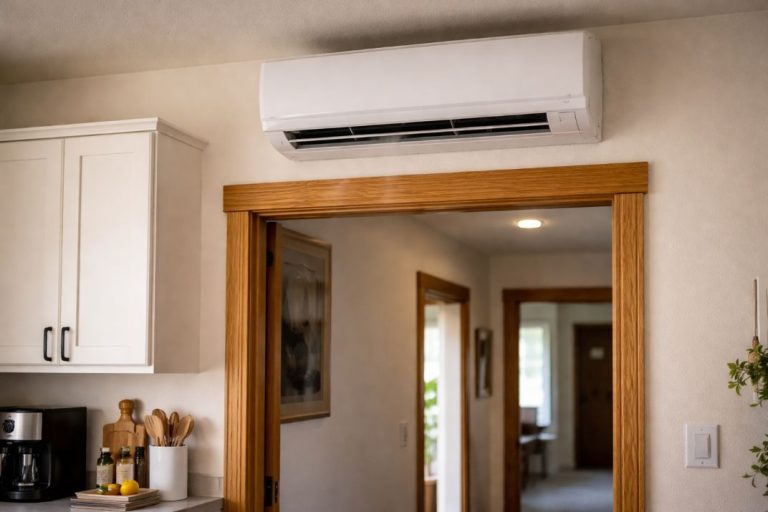
Indoor units are usually engineered for quieter operation but can still produce humming or airflow sounds. While the sound levels may meet manufacturer specifications, in settings such as terraced houses or flat conversions, the acoustics can cause those sounds to seem amplified.
Installation and Vibration Impacts
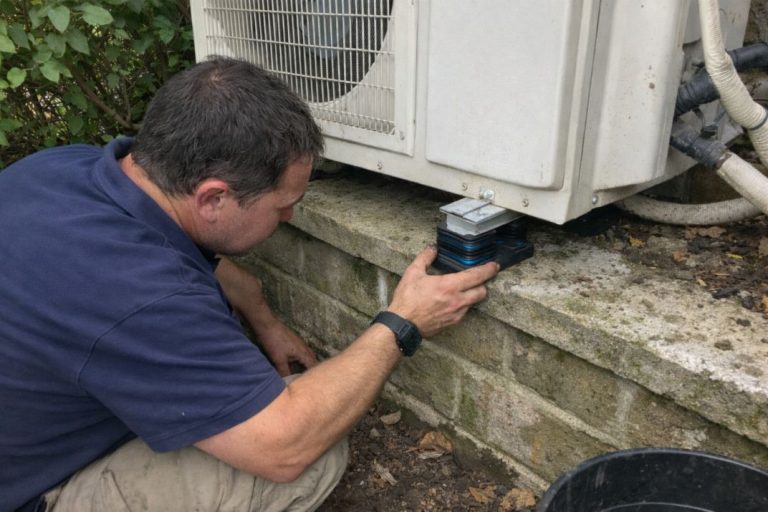
Beyond decibel levels, vibration plays a significant role in noise perception. If a unit is fixed directly to a wall without isolation mounts or damping materials, structural resonance can carry sound into neighbouring spaces. Older London properties, with thinner internal partitions or timber-frame construction, may be more vulnerable to such transfer.
Perceived vs Measured Noise
What feels loud to one person may not register as a problem in technical terms. A low-frequency hum, for example, may fall within acceptable limits but disturb sleep or concentration due to its persistence. Conversely, a one-off mechanical click on startup may seem alarming but be entirely normal.
Poor installation can blur the line between what is tolerable and what escalates to complaint territory. A condenser placed just below a neighbour’s window or under a floor bedroom is a common trigger, especially if the building permits sound to travel in unexpected ways.
Legal and Regulatory Context for Noise Complaints
The UK has a structured framework that addresses unacceptable noise emissions, including those from residential and commercial air conditioning units. Understanding these regulations provides important context for all parties involved.
Statutory Nuisance and the Environmental Protection Act 1990
Under this legislation, a local authority can issue a noise abatement notice if a system creates a statutory nuisance. Whether it qualifies depends on factors such as duration, recurrence, time of day, and the impact on nearby residents. Environmental Health Officers conduct evaluations based on these practical criteria rather than fixed noise thresholds alone.
Planning Permission Rules
Many air conditioning systems require planning permission, especially on listed buildings or those in conservation areas. Even where installation appears minor, breaches can count as development if the unit alters a façade or impacts external character.
Permitted development rights may allow small installations under certain conditions, but if a complaint arises, councils can act retrospectively if they find that the rules were not followed. Even lawful installations may still be subject to noise complaint scrutiny.
Building Regulations Considerations
While Building Regulations do not directly regulate noise for mechanical systems in existing dwellings, Parts F and L provide guidance on ventilation and energy efficiency standards. If a system fails to operate quietly due to airflow obstruction or over-specification in a small room, Building Regulations may come into play indirectly through the lens of system suitability.
Pro Tip: Poor positioning has a greater effect on noise perception than decibel ratings alone. Consider surroundings before finalising placement.
Who Is Responsible When a Complaint Arises?
Responsibility for resolving air conditioning noise complaints rarely falls to a single party. Several factors influence where accountability lies.
Owner vs Tenant Responsibilities
In rental arrangements, the property owner typically bears responsibility for fixed installations. However, if a tenant installed the system without permission or misused it, liability may shift depending on lease clauses and local tenancy laws.
Installer Liability
If noise stems from poor positioning, faulty brackets, or ignored guidelines, the installer may carry some responsibility. Clear installation contracts often specify acceptable tolerances and maintenance responsibilities, which can affect how follow-up action is handled.
Shared Buildings and Converted Flats
In multi-unit properties, shared walls, ceilings, and outdoor spaces add challenge. A unit installed in a flat conversion might comply with guidance in isolation but still cause disruption due to the proximity of occupied spaces. Leasehold agreements may place constraints on external alterations or mechanical systems, and breaches can invite legal challenge from neighbours.
Post-Installation Shifts
Time can change conditions significantly. A once-quiet rear garden can become problematic after a wall extension. Mature foliage may be removed, exposing a unit once buffered from sound travel. These contextual changes can alter perceived noise impact long after installation and create new grounds for dispute.
Maintenance Impacts
Noise often increases when a system falls out of proper maintenance. Dirty fans, loose panels, or vibration from aging mounts can all raise sound output. In these cases, responsibility may lie with whoever holds the maintenance duty, often the property owner, occasionally the installer if under service contract.
Book a Noise Impact Assessment
Concerned about an air conditioning unit causing disruption? Arrange a professional sound assessment to understand the impact clearly.
The Role of Installation Quality in Preventing Complaints
Sound mitigation starts long before the unit is switched on. Thoughtful installation design significantly reduces the likelihood of complaints, and often determines whether a system is unobtrusive or intrusive.
Placement Matters
Positioning outdoor units away from bedrooms, communal gardens, or shared boundaries is key. Units too close to windows or walls can redirect sound in unexpected ways. Some modern systems can be wall-mounted at higher levels to dissipate noise upwards, which may reduce direct impact.
Vibration Isolation Techniques
Use of anti-vibration pads, flexible connections, and wall brackets rated for specialist structures helps absorb vibrational energy before it enters the building. This is particularly important in 19th-century terraced homes or timber-framed extensions where resonance is more easily transmitted through walls.
Acoustic Awareness for Older Properties
London’s varied housing stock includes loft conversions, sub-divided houses, and extensions with non-standard layouts. These unique acoustic profiles require installers who can read the structure and anticipate where sound will travel. RightAir Solutions, for example, often incorporates site-specific acoustic considerations into its installation plans for period homes.
Installation vs Equipment Quality
While equipment selection makes a difference, many noise problems stem not from the unit itself but from shortcuts during installation. Systems installed quickly with limited thought to airflow direction, condensate routing, or bracket placement may work technically but frustrate neighbours and occupants alike.
Pro Tip: In older properties, check whether walls or floors are structurally amplifying vibration through resonance before replacing the system.
Steps to Take If You Receive a Noise Complaint
Receiving a complaint can be unsettling, especially if the system seems to be working properly. A calm, structured response can help de-escalate the situation and get to the root of the issue.
- Listen and Stay Constructive Acknowledge the neighbour’s concern without becoming defensive. Do not dismiss the complaint, even if the reported noise seems insignificant.
- Check Your System’s Output Inspect whether the unit is operating normally. Look for signs of wear or vibration. If you have the manual, check the listed decibel levels for each mode.
- Review Installation Details Note the unit’s location relative to windows, sleeping areas, and walls. Sometimes small changes in usage or landscaping change how noise travels.
- Contact the Original Installer Most experienced firms will reattend to assess what might be causing disturbance. They may be able to reposition the unit, improve damping, or update the controls.
- Document and Monitor Keeping a log of operating times, settings, and any communication can be useful, particularly if external assessment becomes necessary.
- Seek Independent Assessment if Needed If dialogue stalls or legal threats emerge, an acoustic consultant can measure output and offer guidance on mitigation or compliance.
Consult on Planning Compliance
Make sure your installation meets planning conditions and avoids future complications by speaking with a regulatory expert.
Preventative Measures for Peaceful Coexistence
Thoughtful planning helps avoid disruption later. Whether fitting a new system or upgrading an old one, there are practical ways to minimise noise impact from day one.
- Select Low-Noise Models Choose systems with certified quiet mode and low decibel ratings. Manufacturer specifications often include both average and peak sound output.
- Position with Care Install units away from shared boundaries, bedrooms, or echo-prone courtyards. Small adjustments in angle or elevation can make a significant difference.
- Use Acoustic Shielding When Appropriate Barriers or enclosures can reduce directional sound and prevent transfer into adjoining structures.
- Plan for Maintenance A system in good repair is less likely to develop new noise issues. Schedule routine servicing at intervals recommended by the manufacturer.
- Understand Your Building’s Layout Know how sound moves through your property. In older or shared buildings, even ceiling voids can carry noise between rooms or dwellings.
Firms such as RightAir Solutions often evaluate these elements as part of their design process, especially in complex high-spec London homes where client and neighbour expectations are high.
When to Seek Professional Help
Some situations call for expert attention. Left unresolved, noise problems can lead to neighbour tension, planning complications, or expensive retrofit work. Recognising when to involve a professional can save time and protect relationships.
Persistent Noise Despite Adjustments
If repositioning or reprogramming has not improved the situation, there may be more detailed design faults.
Unclear Source
When noise seems to shift, appear intermittently, or arise inside walls, a professional diagnosis is the quickest route to clarity.
Signs of Poor Initial Installation
Visible vibration, unsecured brackets, or overspecification for the space could point to fitting errors that need rectification.
Need for Documentation
In planning disputes or legal cases, acoustic reports from qualified consultants carry greater weight than anecdotal evidence.
Major Building Constraints
If the system is installed in a highly restrictive or protected property, professionals can help explore quieter retrofit options that comply with local regulations.
In all these scenarios, engaging a specialist is a proactive way to restore peace and confidence before the complaint escalates further.
Request Installation Review
If your unit is sparking complaints, a post-installation review could identify ways to reduce its acoustic footprint.
Read Similar Blogs
Why is your air conditioning leaking water inside and when should you worry
Air conditioning leaking water inside can damage floors and ceilings fast. Spot the likely causes, safe checks and when to call an engineer.
How commercial air conditioning is quoted and why two quotes rarely match
Need a commercial air conditioning quote you can compare properly? See why scope, survey assumptions and exclusions change the figure.
Can you get a grant for air conditioning now the Boiler Upgrade Scheme covers air to air heat pumps
Thinking about air conditioning grants? See when an air to air heat pump can qualify under the Boiler Upgrade Scheme and what must line up first.
RightAir Solutions