Air Con Smells Musty: How to Remove Odours and Stop Them Coming Back
Learn what causes musty aircon smells, how to remove them properly, and what steps help prevent odours from returning in your cooling system.
RightAir Solutions is a company that specialises in commercial air conditioning services.
A musty odour from an air conditioner usually signals unwanted moisture and microbial growth within the system. Stagnant water, clogged filters, and airflow blockages are the most common culprits. Unless treated properly, the smell often returns because the underlying conditions persist.
When an air conditioner smells musty, it usually happens just after switching it on, especially if it has not been in use for some time, such as after a holiday or during seasonal changes. The smell can range from mildly stale to distinctly mouldy or damp, which suggests different underlying issues.
Several conditions can contribute to a musty air conditioner:
Not all smells are the same, and distinguishing between musty, sour, or chemical-like odours can point to different causes. A consistent musty smell most often signals microbial contamination. If the odour is sharper or more acrid, it could indicate refrigerant or electrical issues and warrants professional attention.
A musty air conditioning smell has effects that go beyond the nuisance. Prolonged exposure can lead to discomfort and, in some cases, health-related irritation.
Many people notice:
While not all musty smells pose a serious health risk, indoor air quality plays a recognised role in wellbeing. Guidance from organisations such as the NHS and WHO increasingly highlights quality of air inside homes as a major factor in day-to-day health.
Pro Tip: Run your aircon in fan-only mode after cooling to help dry out internal components and reduce future odour risks.
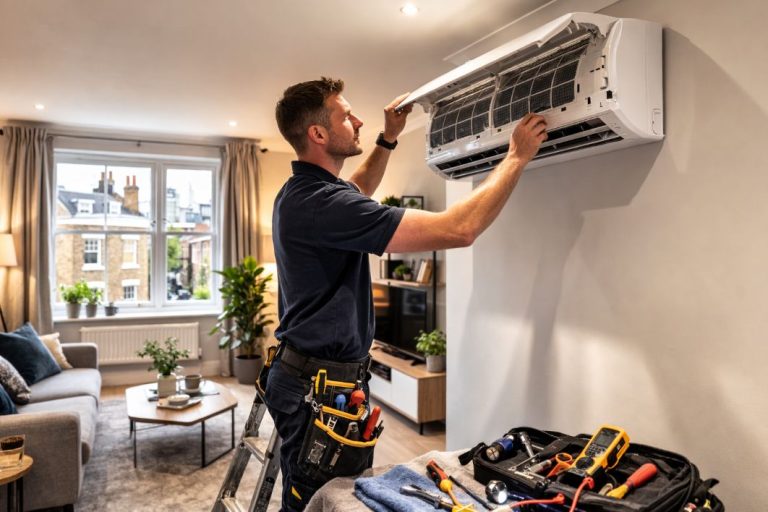
Before applying a fix, it helps to check where the smell is coming from. This doesn’t require dismantling the system, but a careful inspection can reveal clues.
If the smell is persistent or unclear in source, it may be time to bring in a specialist who can assess harder-to-reach components such as ducting or internal coils.
Persistent odours often mean it’s time for expert help. Schedule a service that targets hard-to-reach areas safely and thoroughly.
Once the source is understood, attention shifts to removing the cause safely and effectively. Not all cleaning attempts deliver results, and incorrect cleaning can do more harm than good.
Clean or replace filters
Always start here if filters are accessible. Rinse reusable filters gently with warm water and allow them to dry completely before reinserting. For disposable filters, stick to the manufacturer’s replacement schedule.
Wipe accessible vents and grills
Use a non-abrasive cloth dampened with a mild detergent or anti-bacterial solution suitable for ventilation components. Avoid harsh scrubbing, which can damage coatings.
Disinfect the drip tray if reachable
In some cases, the drip tray beneath the evaporator coil may be accessible. If so, clean it with warm water and a disinfectant that is safe for HVAC use. Ensure it is fully dry before restarting the unit.
Do not spray disinfectants inside the unit
Applying store-bought sprays directly into air vents or internal components often does not reach the source and can damage sensitive electronics or coatings.
Dry the system before use
Once cleaned, run the system in fan-only mode (where available) for 20 to 30 minutes to circulate dry air and help purge residual moisture.
For persistent odours or inaccessible parts, a professional clean includes targeted coil sanitation, condensate flushing, and anti-microbial treatment of internal surfaces. This goes well beyond surface-level cleaning.
Pro Tip: If your system is in a low-use area, set a routine to run it weekly for a short time to keep air circulating.
Cleaning solves the immediate problem, but without consistent upkeep, smells often return. Preventative steps form the longer-term strategy.
Quick wins
Long-term habits
Some systems are more prone to odours due to layout or age. Ducted systems, for example, may collect moisture in areas out of view. Being proactive helps avoid symptoms building up again.
Unsure if your aircon needs attention? Our technicians can assess airflow, drainage, and hygiene across the full system.
Some odours resist DIY cleaning or recur despite regular filter changes. In these cases, a technician visit is appropriate but often more efficient.
Typical signs it’s time to call in help
What a professional service usually includes
RightAir Solutions, for instance, handles this process with particular care in London properties where work may need to be quiet, contained, and minimally disruptive. A typical service session lasts one to three hours, depending on access and system size.
Sometimes, the most lasting impact on indoor air quality comes not from maintenance, but from how a system was designed and installed in the first place.
System type
Ducted systems often require more careful drainage and layout planning to avoid stagnant zones. Wall-mounted units, by contrast, are easier to monitor but may be more exposed to dust and visible wear.
Drainage and slope
Drain lines that fall just short of the gradient needed can result in pooling water. Good installation accounts for natural gravity and accessible inspection points.
Insulation and airflow
Poorly insulated ducts or concealed voids encourage condensation. A properly designed system balances airflow across rooms to prevent cold spots and excess humidity.
Smart control integration
Modern thermostats can monitor humidity levels and activate fan mode or dehumidification cycles to pre-empt moisture build-up. Retrofitting these into older systems is often feasible.
Retrofitting in London properties
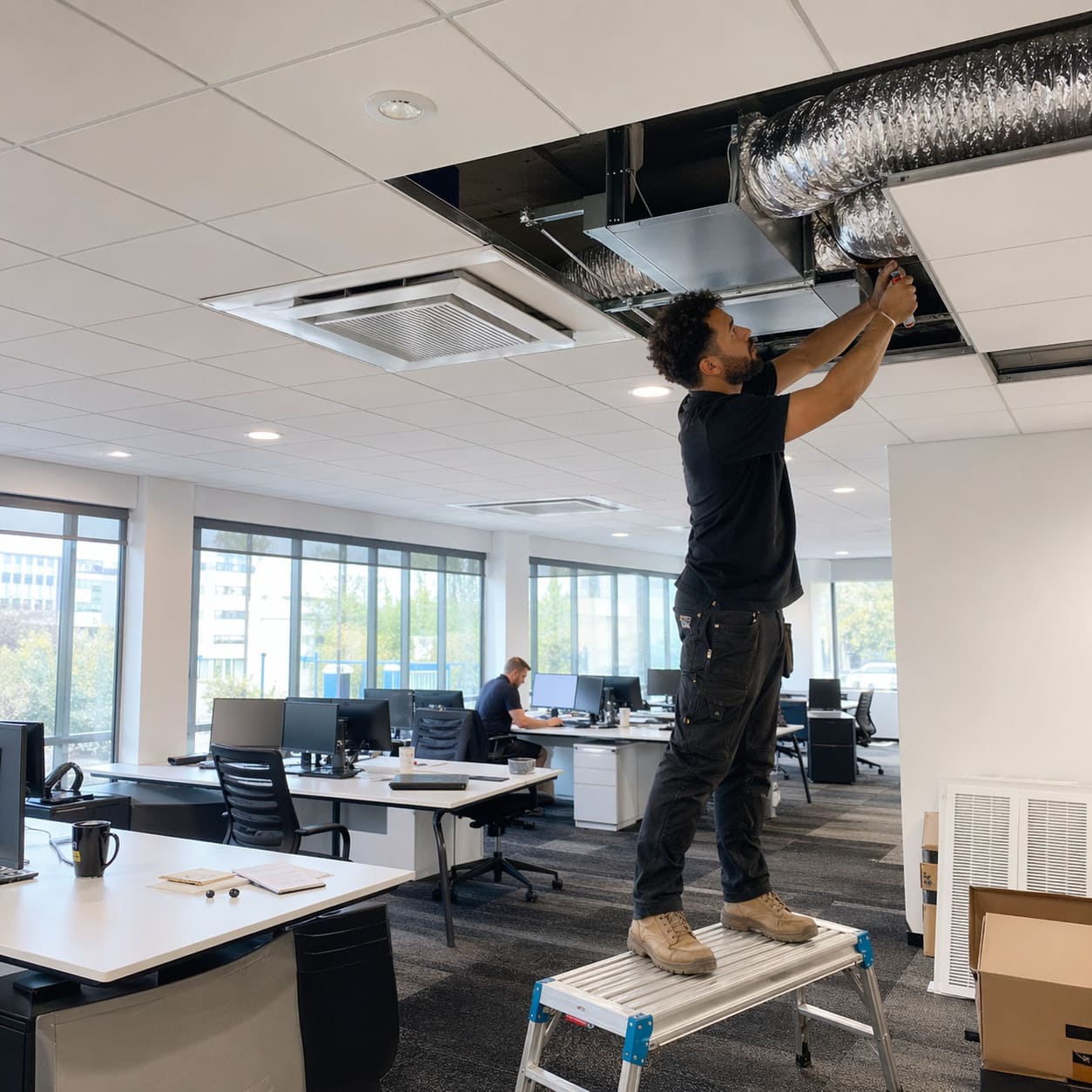
Older homes with mixed materials, thick walls, and variable occupancy often benefit from bespoke system layout. RightAir Solutions regularly works on projects involving concealed ceiling ducting, minimal-impact access panels, and airflow zoning to reduce future maintenance needs.
Good design choices made early on can lower the risk of odour issues for years to come. For those planning upgrades or large refurbishments, it is worth factoring air quality into the broader design intent.
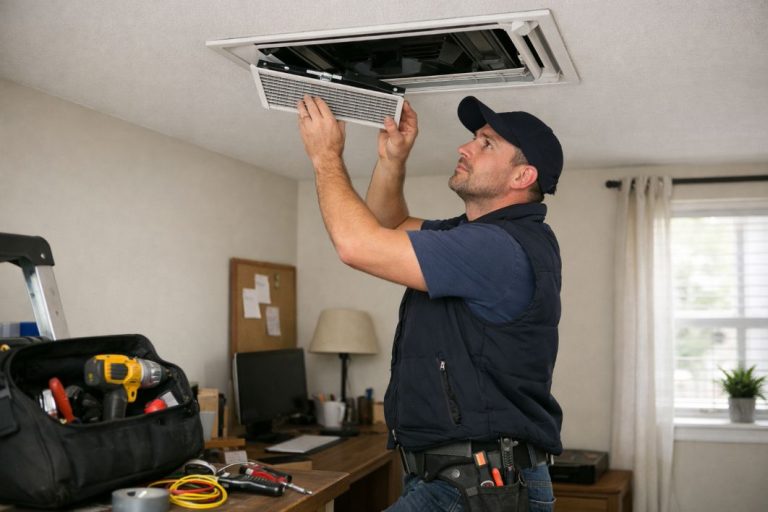
Thinking about replacing or updating your system? We offer tailored advice on modern, low-odour designs for London homes.

Air Con Smells Musty: How to Remove Odours and Stop Them Coming Back
Learn what causes musty aircon smells, how to remove them properly, and what steps help prevent odours from returning in your cooling system.

Air Conditioning and Neighbour Noise Complaints: Where Responsibility Lies
Explore the causes of air conditioning noise complaints and learn how responsibility is shared between owners, tenants, and installers.

Who Owns the Outdoor AC Unit in Leasehold Properties
Find out who is responsible for outdoor AC units in leasehold flats with clear advice on leases, permissions, and managing agent roles.
RightAir Solutions
At RightAir Solutions, we provide air conditioning services to domestic and business customers for heating and cooling units. We also supply and fit commercial AC and HVAC services with our insured, qualified and experienced London team of air con engineers.