What are the new heat pump certification rules in 2026, and why do they matter?
The 2026 heat pump certification update is expected to tighten how systems are designed, installed, documented, and signed off. For homeowners, that means certification will matter more clearly at every stage, from installer choice and property checks to paperwork, compliance, and longer-term performance.
Heating rules can feel distant until they affect a real project. A planned installation in a London terrace, flat conversion, or listed townhouse can move quickly from a simple upgrade to a process shaped by Building Regulations, MCS requirements, and local property constraints.
Table of Contents
Understanding the 2026 heat pump certification changes
The broad direction of travel is clear. The UK Government and the Department for Energy Security and Net Zero have been pushing for cleaner heating, stronger installation standards, and better consumer protection. Certification sits at the centre of that shift because a heat pump is not just a piece of equipment. It is part of a whole-property system that needs to be suitable, compliant, and properly recorded.
Many people hear the word certification and assume it refers only to a product badge or a final certificate. In practice, it usually covers a wider process, including system design, installer competence, commissioning, and evidence that the installation meets the relevant standards.
The main themes behind the new heat pump rules 2026 can be understood in four parts:
- Higher compliance expectations for installers and installations.
- Closer alignment between certification requirements and Building Regulations.
- Stronger documentation so that design decisions and installation records are easier to verify.
- More consistent enforcement, particularly where grant eligibility, property suitability, or sign-off is concerned.
Current certification requirements already shape many domestic installations, especially where MCS-linked work is involved. What changes in 2026 is less about a sudden reinvention and more about a firmer regulatory update, which means that gaps, shortcuts, and vague paperwork are less likely to pass unnoticed.
Timing also matters. Projects planned well before installation day are usually easier to adapt to a rule change than last-minute replacements arranged after a breakdown in winter.
Pro Tip: Prepare for the new rules by gathering your property’s compliance documents and previous heating system records early.
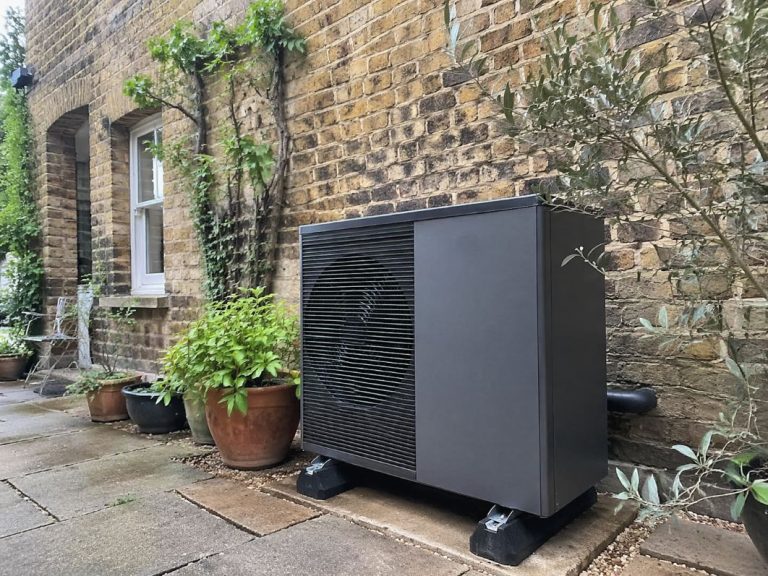
What will change for homeowners?
Imagine a homeowner planning to replace an ageing boiler in a North West London house in late 2026. Under tighter heat pump installation rules, the main difference may not be the equipment itself. The bigger shift could be the amount of upfront checking required before anyone confirms that the system is suitable.
Some households will notice more emphasis on property assessment, heat loss calculations, emitter suitability, noise considerations, and records that support the final installation. Others may find that paperwork connected to insurance providers, Building Control, or local authorities carries more weight than before.
Existing systems are a separate issue. A heat pump installed before the new framework takes effect does not automatically become non-compliant overnight simply because the rules changed. Even so, upgrades, extensions, significant alterations, or replacement works completed after 2026 may fall under the newer certification requirements.
Homeowner responsibilities are likely to become more practical than technical. A resident will not be expected to perform engineering calculations, but they may need to:
- keep property documents accessible, including any previous installation records
- check whether the chosen installer holds the relevant accreditation
- understand whether the property has planning or heritage restrictions
- retain compliance certificates and commissioning paperwork after completion
London homes add another layer. A compact mews house, an upper-floor conversion, or a period property with limited outdoor space may need more thought around external unit position, access, and neighbour impact. In those cases, the certification impact is often felt at the planning stage rather than on the final day of installation.
Warranties and insurance can also depend on proper installation and documentation. If records are incomplete, a later claim or property sale may become slower to sort out, especially where proof of compliance is needed.
Schedule a Home Heating Assessment
Book a professional property survey to understand your options under updated certification rules.
Certification standards: what installers must demonstrate
Installer certification is more than a logo on a website. Under stricter UK heat pump regulations, accredited installers are expected to show competence through training, documented processes, and evidence that each installation has been designed and completed to the required standard.
A homeowner does not need to know every technical detail, but it helps to understand what sits behind the term accredited installer. In broad terms, certification standards tend to cover competence, quality assurance, record-keeping, and auditability.
A simple comparison makes the point:
Certified installation process |
Poorly evidenced installation process
|
|---|---|
Property and heat demand are assessed before system selection | Equipment choice is made with limited assessment |
Design decisions are recorded | Key choices are left informal or unclear |
Compliance certificates are issued and stored | Paperwork is incomplete or delayed |
Work can be checked against recognised standards | Verification is harder if problems arise later |
Documentation matters because heat pumps are sensitive to design quality. Correct sizing, emitter compatibility, controls setup, and commissioning all affect how the system behaves in daily use. A certificate alone does not guarantee perfect workmanship, although a documented process gives the homeowner a clearer trail if questions come up later.
Industry training organisations and installer accreditation bodies also have a role here. Ongoing learning is likely to become more relevant as standards change, especially for firms working across mixed property types. In practice, experienced teams often treat compliance certificate records as part of normal project discipline. That approach is familiar to specialist contractors such as RightAir Solutions when a project involves integrated heating and cooling decisions in more complex London properties.
Implications for older and listed London properties
A Georgian terrace in a conservation area presents a different challenge from a newer semi-detached house with a generous side return. The new certification rules will not remove those differences. They may, however, make early property assessment even more important.
Older and listed homes often bring overlapping issues. Planning permission may be needed for certain external changes. Listed building consent can apply where historic fabric may be affected. Local planning authorities and conservation officers may focus on visual impact, noise, and the reversibility of proposed works. Historic England guidance may also shape the discussion in sensitive cases.
Certification in these settings is therefore about more than technical compliance. It becomes part of a broader process of showing that the proposed system suits the building and has been thought through carefully.
Key pressure points usually include:
- External unit placement, especially where sightlines or neighbouring properties are a concern
- Internal space constraints, including pipe routes and plant location
- Fabric limitations, particularly in buildings that cannot easily be altered
- Acoustic integration, which is often a practical concern in dense London streets
Consider a listed townhouse split into flats. One resident may want lower-carbon heating, but the available wall positions, shared access, and heritage restrictions could narrow the options quickly. In that sort of case, retrofit compliance depends on coordination between installer, homeowner, and the relevant authority, not just on selecting a compliant unit from a brochure.
Firms used to older London buildings often spend more time at survey stage because hidden constraints are common. A route that looks simple on paper may cross decorative plasterwork, restricted service voids, or a rear elevation that planning officers view differently from the owner.
Pro Tip: Always verify your installer’s current accreditation status before any work begins to avoid future issues with compliance or warranty.

How certification affects system performance and longevity
Certified installation benefits are easiest to understand when viewed through daily use. A heat pump that is correctly sized, sensibly positioned, and properly commissioned is more likely to run steadily, maintain comfort, and avoid unnecessary strain on components.
Performance usually starts with design. If the system is too small, rooms may struggle to reach temperature in colder weather. If the setup is poorly matched to the property, the unit can cycle inefficiently or run in ways that do not suit the building. Certification standards aim to reduce those risks by requiring clearer design logic and stronger evidence behind installation choices.
The chain is fairly straightforward:
- Assessment identifies what the property actually needs.
- Design matches the system to those conditions.
- Installation puts that design into practice.
- Commissioning checks that the system operates as intended.
- Documentation supports maintenance and future adjustments.
Maintenance is also affected. A well-documented installation gives maintenance providers a better starting point because they can review system layout, settings, and compliance history. By contrast, a poorly recorded install can turn even routine servicing into detective work.
Energy efficiency and running costs are part of the picture, although certification does not create savings by itself. Good standards support good setup. Good setup gives the system a better chance of operating efficiently over time, especially where controls, flow temperatures, and emitters have been considered properly from the outset.
Small errors tend to accumulate in heating systems. An awkward unit location, unclear commissioning records, or mismatched controls may not cause immediate failure, but those details can affect comfort and serviceability over several seasons.
Consult with Certified Installers
Get peace of mind by choosing accredited installers who meet the latest standards for heat pump installations.
Preparing for the new rules: practical steps for homeowners
Preparation does not need to be complicated. Most homeowners can reduce stress simply by getting organised before they commit to a system or installation date.
A sensible starting point is to treat the project as a property decision as much as a product decision. The more clearly you understand the building, the easier it becomes to understand what certification requirements may apply.
Use this simple checklist:
- Review your current heating setup. Note the age of the system, any recurring issues, and whether the property already has upgrades such as improved insulation or updated radiators.
- Gather property documents. Keep plans, previous compliance certificates, planning decisions, and warranty information in one place if you have them.
- Check property restrictions early. Listed status, conservation area controls, lease terms, and local authority requirements can affect what is possible.
- Confirm installer accreditation. If a project is intended to meet MCS or related certification requirements, check that the installer can provide the right documentation.
- Ask for a clear survey and design explanation. You should be able to see why a particular system has been proposed for your home.
- Keep all final records. Store certificates, commissioning documents, manuals, and maintenance details after the installation is complete.
Homeowners can do plenty of this themselves. Early planning for certification is often less about technical expertise and more about timing, paperwork, and clarity. Building Control or planning departments may only become relevant in some cases, but knowing whether they are likely to matter is useful before work begins.
If a system upgrade is still a year or two away, a basic system audit now can still be worthwhile. Even a simple review of your home’s layout, existing emitters, and any planning constraints can make later decisions more straightforward.
Looking ahead: what the 2026 certification rules mean for the future of home heating
The future of home heating is likely to be shaped as much by standards as by hardware. Better certification requirements can support better outcomes because they push projects away from guesswork and toward documented, property-specific decisions.
Some homeowners still see certification as bureaucracy. That view misses part of the point. In heating, paperwork often reflects process, and process affects results. Where systems are expected to run quietly, efficiently, and reliably in real homes, standards have a practical role.
Three ideas are likely to matter most over the next few years:
- Future-proofing will depend on whether systems are suited to the property, not just whether they meet a minimum rule on paper.
- Sustainable heating standards will keep moving closer to whole-home thinking, including controls, fabric, and long-term operation.
- Homeowner confidence should improve where compliance, performance, and documentation are easier to follow.
Further regulatory evolution is possible, especially as industry bodies, MCS, and government policy continue to shape how low-carbon heating is delivered. For homeowners, the most useful response is steady preparation rather than alarm. A well-planned installation, backed by proper certification and realistic expectations, is likely to age better than a rushed one.
Download the 2026 Certification Checklist
Stay organised with a downloadable checklist covering all documents and property steps you may need before upgrading.
Read Similar Blogs
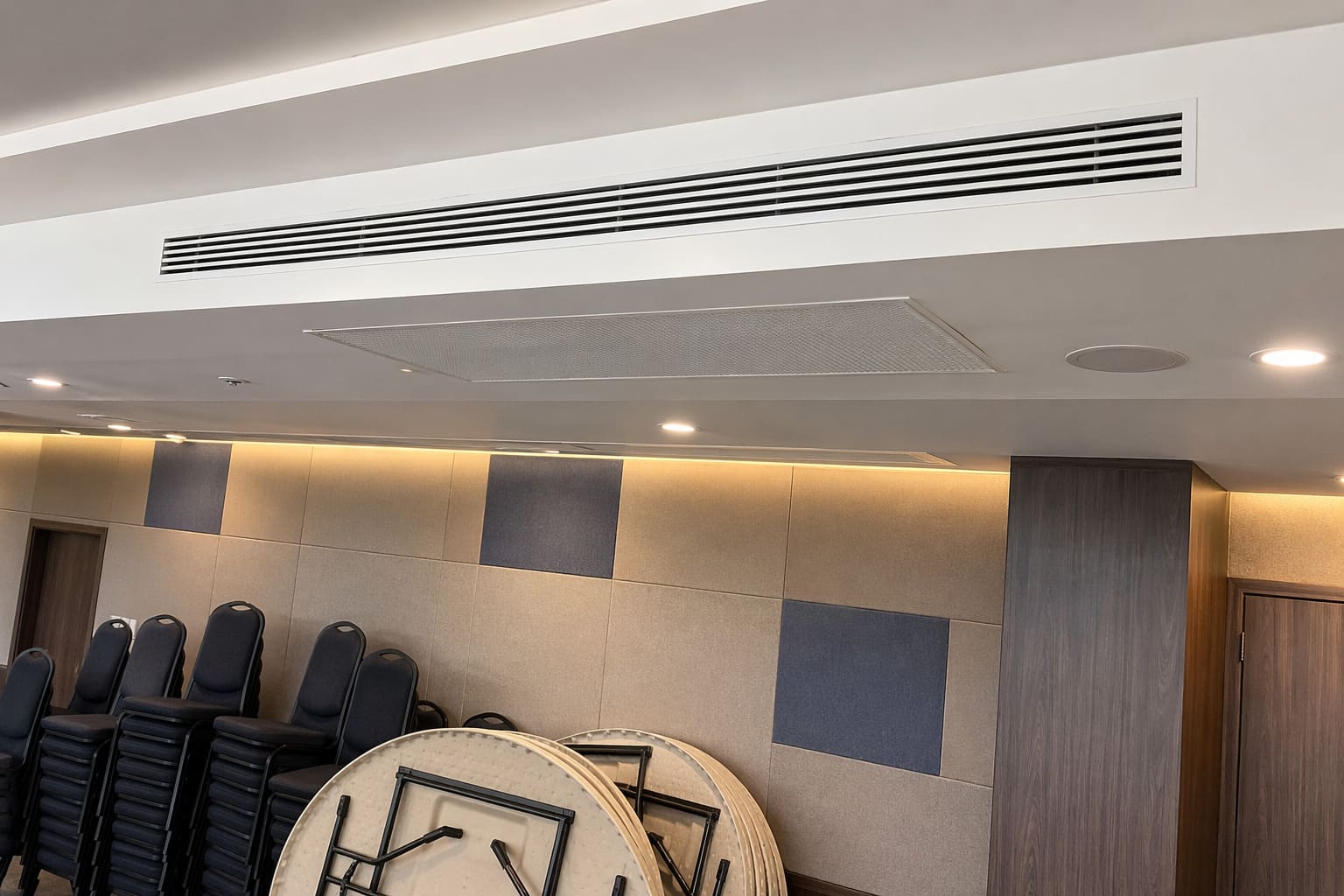
Should you get your air conditioning serviced at the end of summer
Weak cooling, odours or noise after summer? End of summer air conditioning servicing can reveal faults early and help you decide whether to act now or wait.

Does air conditioning add value to a London home
Air conditioning can add value in London homes when it is quiet, discreet and well planned. See what buyers notice and what can weaken appeal.
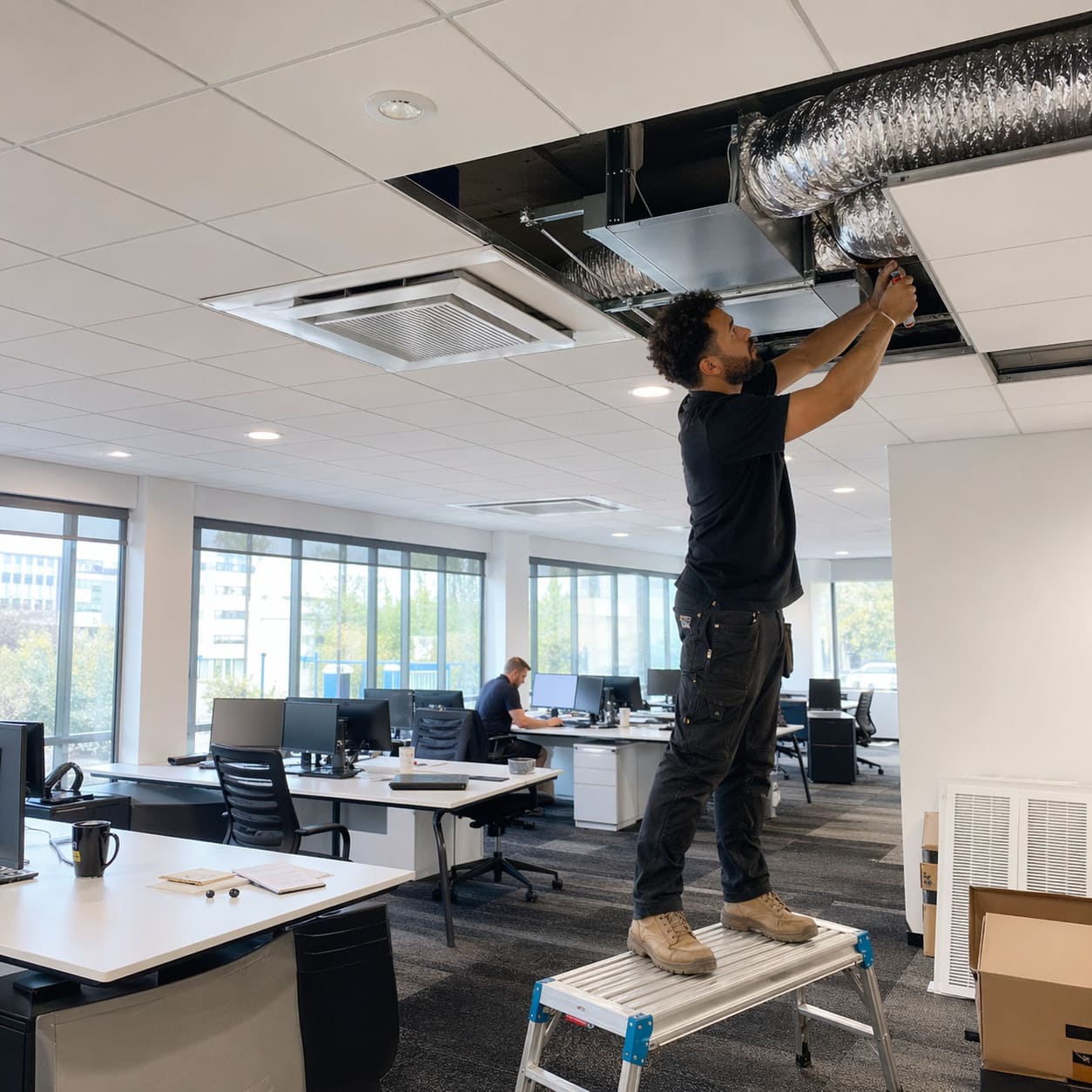
Why is your air conditioning leaking water inside and when should you worry
Air conditioning leaking water inside can damage floors and ceilings fast. Spot the likely causes, safe checks and when to call an engineer.
RightAir Solutions