How can you tell whether your air conditioning needs replacing or just servicing?
A system that cools poorly, smells odd, leaks, or makes new noises does not always need replacing. Many air conditioning problems come down to blocked filters, dirty coils, low refrigerant, or electrical faults that can be corrected during a proper service. Replacement becomes more likely when breakdowns keep returning, parts are obsolete, performance stays poor after maintenance, or the system no longer suits the building.
Table of Contents
Recognising the signs: common symptoms of air conditioning issues
Most people notice a problem gradually. A bedroom that takes longer to cool, an office meeting room that feels stuffy by mid-afternoon, or a unit that suddenly sounds louder than usual often signals that something has changed inside the system.
In London properties, symptoms can be easy to misread. Older conversions, thick masonry walls, awkward pipe runs, and varied room layouts can hide airflow problems for months. Seasonal weather can also expose faults that stayed unnoticed during milder periods.
Some signs are especially worth paying attention to:
- Reduced cooling, even when the settings stay the same
- Inconsistent airflow between rooms or vents
- Unusual noises, including rattling, buzzing, or clicking
- Musty or stale odours when the unit starts
- Visible leaks or moisture around the indoor unit
Reduced cooling does not automatically mean system failure. Dirty filters, blocked coils, or a control issue can all lower performance. By contrast, poor cooling combined with repeated shutdowns points to a more serious fault.
Noises and odours are often misunderstood. A brief sound at start-up can be normal, but a new mechanical rattle is different. Likewise, a stale smell after a long idle period may come from dust or moisture build-up, whereas a persistent odour suggests the unit needs attention.
Leaks need a closer look. Condensation from drainage issues is one thing, but recurring moisture around an air conditioning unit should never be ignored, especially in flats, offices, or managed buildings where water can affect finishes and neighbouring spaces.
Pro Tip: If your system’s faults return soon after servicing, it may signal an underlying issue that routine maintenance cannot resolve.
When a service is enough: issues that can be fixed without replacement
A large share of aircon issues can be corrected through routine servicing. If the system has generally been reliable and the problem is recent, maintenance is often the first sensible step.
Regular AC maintenance deals with the parts that gather dirt, lose efficiency, or drift out of adjustment over time. That can restore airflow, cooling performance, and day-to-day reliability without changing the whole system.
Typical serviceable issues include the following:
- Dirty or blocked filters that restrict airflow and make rooms feel unevenly cooled.
- Coils that need cleaning because dust and residue reduce heat transfer.
- Refrigerant levels that need checking where performance has dropped.
- Electrical connections or controls that need testing and tightening.
- System resets and operating checks after a fault code or shutdown.
A wall-mounted unit in a London bedroom, for example, may seem weak simply because its filters are clogged after months of use. In a small office, complaints about uneven temperature may come from neglected maintenance rather than a failing system. Manufacturer guidelines usually set out service intervals for exactly this reason.
Servicing does have limits. If cooling returns after a clean and inspection, that suggests the core equipment still has life in it. If the same fault keeps returning soon afterwards, the issue may run more detailed than routine aircon cleaning can solve.
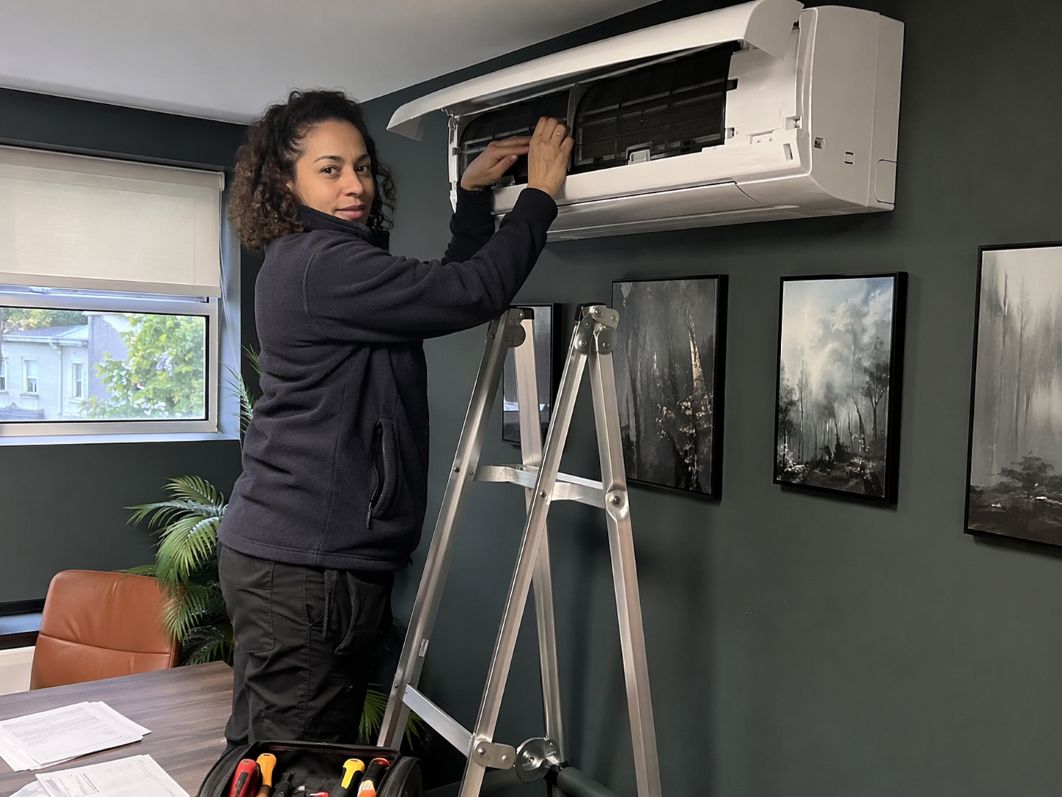
Book a Professional Assessment
Get expert insight into your air conditioning system’s condition with a detailed on-site evaluation to recommend the best next steps.
Warning signs that point to replacement rather than repair
Some systems move beyond the point where servicing offers a lasting answer. The decision usually becomes clearer when several warning signs appear together, instead of one in isolation.
Age matters, although age alone is not the whole story. An older unit that has been maintained well may still run acceptably, but an outdated AC system with frequent faults, dated controls, and hard-to-source parts starts to become a practical problem for both homeowners and facilities managers.
The clearest replacement indicators are these:
- Frequent repairs across the same components or recurring faults after servicing
- Noticeably higher energy use without a change in occupancy or habits
- Obsolete parts or refrigerants that are difficult to source under current rules
- Poor comfort levels despite the system running for long periods
- A mismatch between the system and the way the property is now used
Building upgrades can tip the balance too. A loft conversion, a refurbished open-plan office, or a repurposed server room may place very different demands on HVAC systems than the original design allowed for. In that case, replacing the equipment may be less about failure and more about suitability.
Regulatory context also plays a part. Energy efficiency standards and F-Gas rules can affect older systems, especially where refrigerant phase-out or low efficiency makes future repairs less practical. A repair may still be possible, but the long-term picture can become harder to justify when each visit solves less than it used to.
Pro Tip: Always verify whether spare parts and refrigerants for your unit are still available, as supply constraints affect repair viability.
The role of professional assessment: what to expect from an expert evaluation
A proper air conditioning inspection goes well beyond a glance at the remote control and a quick listen to the indoor unit. Qualified HVAC engineers look at performance, condition, installation quality, and the way the system interacts with the building itself.
That matters in London, where access can be awkward and layouts can distort the symptoms. A top-floor flat, a listed conversion, and a small commercial unit above a shop can all present very different constraints.
A thorough assessment usually covers:
- Visual checks of indoor and outdoor units, pipework, drainage, and controls.
- System diagnostics and performance testing, including airflow and temperature behaviour.
- Review of maintenance records, fault history, and previous repairs where available.
- Site factors such as room use, occupancy patterns, access, noise sensitivity, and building age.
- A recommendation on whether servicing, repair, upgrade, or replacement makes the most sense.
A quick check may identify an obvious fault, but a fuller HVAC evaluation gives context. That context is often what separates a temporary fix from a sensible decision. Firms such as RightAir Solutions often assess not just whether a unit can run, but whether it is running appropriately for the property and its current use.
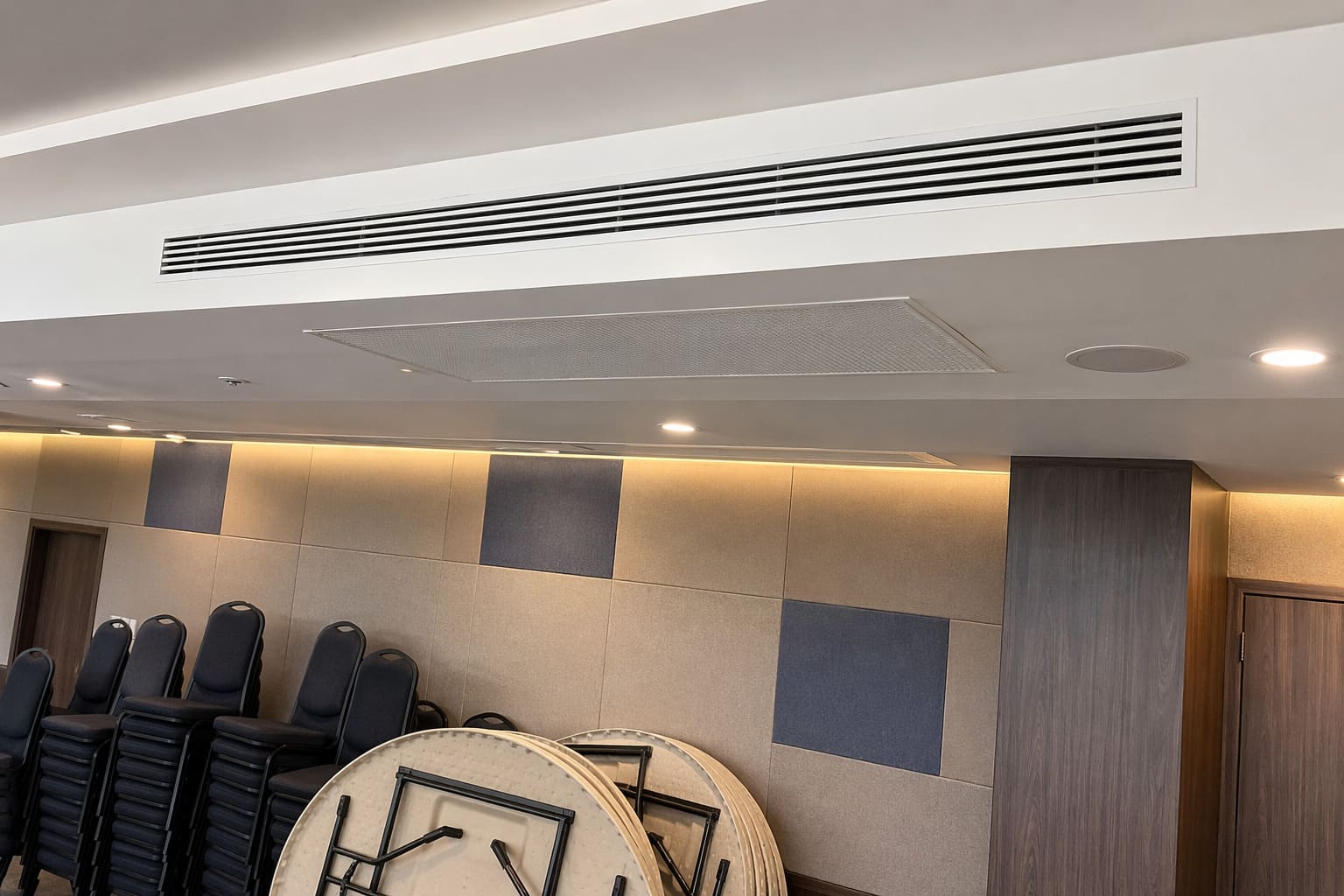
The most useful outcome is a recommendation tied to the site, not a stock answer. A discreet ducted system in a refurbished home will be judged differently from a cassette unit serving a busy workspace, and it should be.
Balancing cost, disruption, and long-term value
Choosing between a service and a replacement is rarely just about the unit itself. Building owners and facilities managers also have to weigh downtime, access, noise, finish quality, and how much disruption the property can absorb.
A simple service usually causes less interruption in the short term. Replacement can involve more planning, especially in older London buildings where pipe routes, outdoor unit positions, ceiling voids, and neighbour considerations all need careful handling. Even so, repeated repairs can become disruptive in their own way when the system fails at inconvenient times.
The trade-off often looks like this:
- Servicing suits systems with isolated issues, sound overall condition, and a history of reliable operation.
- Replacement suits systems with recurring faults, poor efficiency, outdated controls, or a layout that no longer matches the building.
Quieter performance can influence the decision more than people expect. In bedrooms, reception spaces, meeting rooms, and treatment rooms, an older unit that still cools may still feel intrusive. Newer systems can offer steadier control and lower background noise, which changes the day-to-day experience of the room.
Long-term value is easier to judge when you think in terms of reliability, comfort, and fit for purpose. A repair that keeps an unsuitable system limping on may save disruption this month, yet create avoidable downtime over the next cooling season.
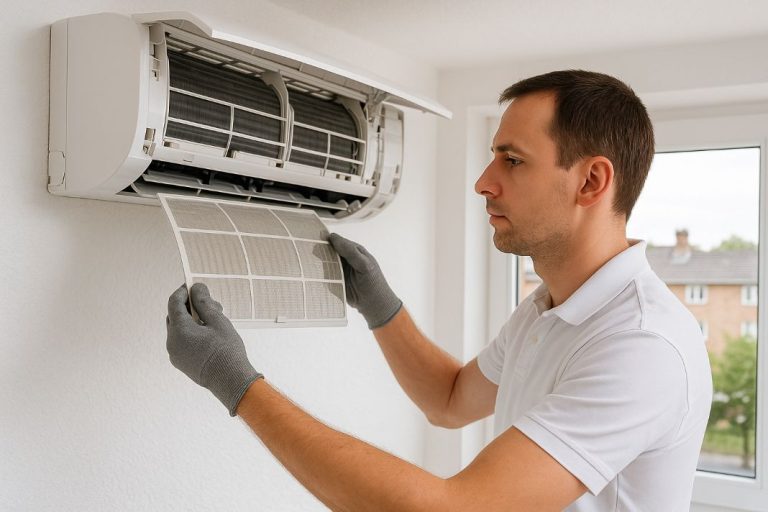
Request a Maintenance Plan
Maintain reliability with a tailored air conditioning servicing schedule suited to your property’s needs.
Avoiding common misconceptions: what not to assume about air conditioning lifespans
Air conditioning is not a set-and-forget system. Even well-installed equipment needs regular attention if it is going to perform properly year after year.
One common myth is that servicing can keep any unit going indefinitely. Routine maintenance supports performance and hygiene, but it cannot reverse age, obsolete components, or poor original design. Once a system reaches the point where major parts are wearing out, service alone has less to offer.
Another misunderstanding concerns warranties and expected lifespan. Manufacturer guidelines and warranty terms usually depend on proper maintenance, suitable use, and installation conditions. A unit in a lightly used study may age differently from one cooling a sun-exposed office every day.
Delaying replacement for too long can also be a false economy. If breakdowns become normal, spare parts are awkward to source, and comfort keeps slipping, the system has already started to affect how the property functions. That point tends to arrive gradually, which is why many owners keep repairing a unit long after it has stopped being a sensible fit.
Looking ahead: building confidence in your next steps
A good decision on air conditioning is rarely about choosing the biggest intervention. It is about matching the response to the real condition of the system, the demands of the property, and the level of reliability you need.
Sometimes that means a thorough air conditioning service and a return to normal performance. In other cases, replacement is the more sensible route because the equipment is ageing out, struggling with the building, or falling short of modern expectations around efficiency, noise, and control.
Seen that way, the choice becomes part of wider property maintenance rather than a one-off inconvenience. Smart controls, cleaner system design, and better efficiency standards have changed what a well-performing installation can feel like, especially in homes and workplaces where comfort needs to be quiet, steady, and unobtrusive.
Get a Replacement Quote
Find out the cost and options for upgrading your air conditioning system to improve comfort, efficiency, and reliability.
Read Similar Blogs
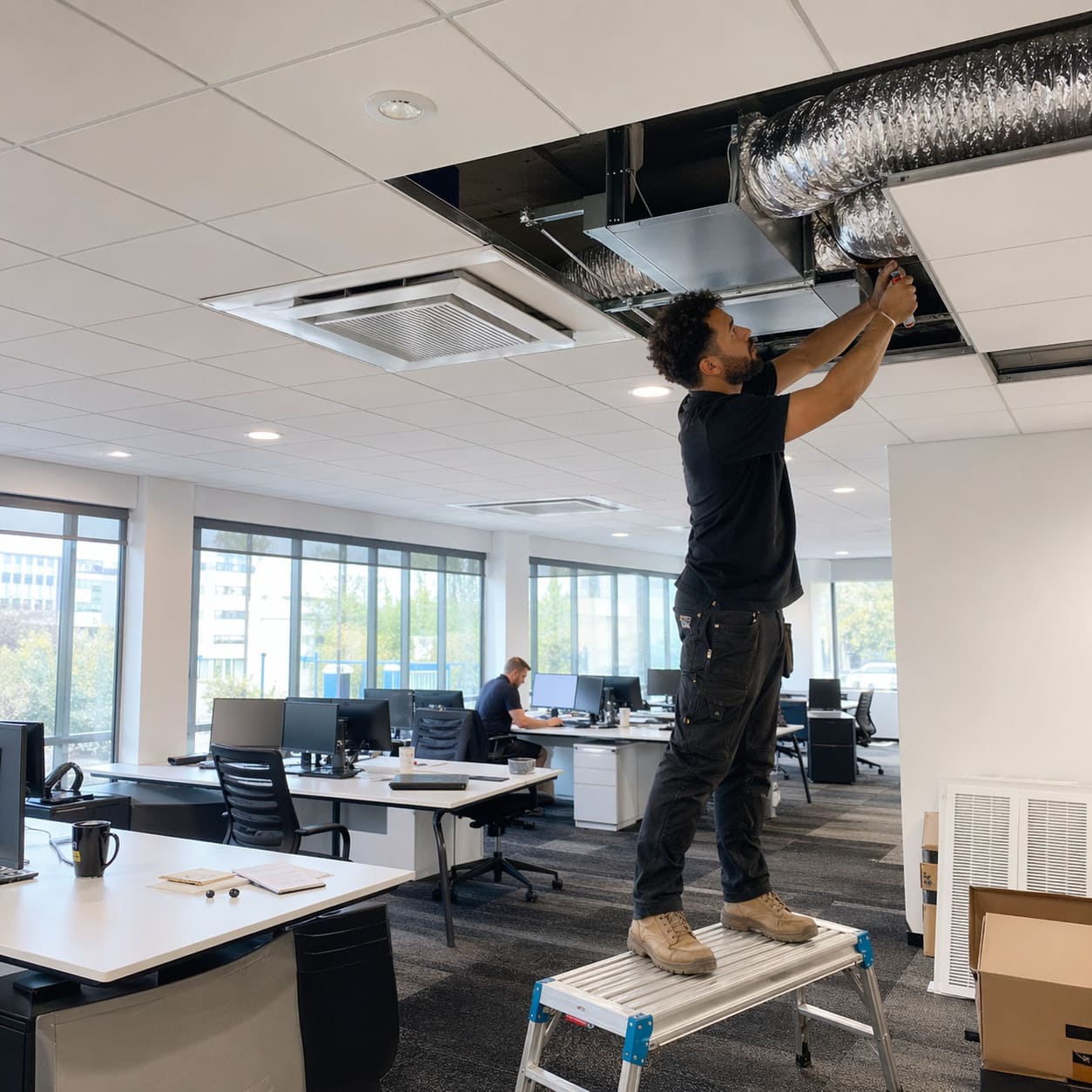
Why is your air conditioning leaking water inside and when should you worry
Air conditioning leaking water inside can damage floors and ceilings fast. Spot the likely causes, safe checks and when to call an engineer.
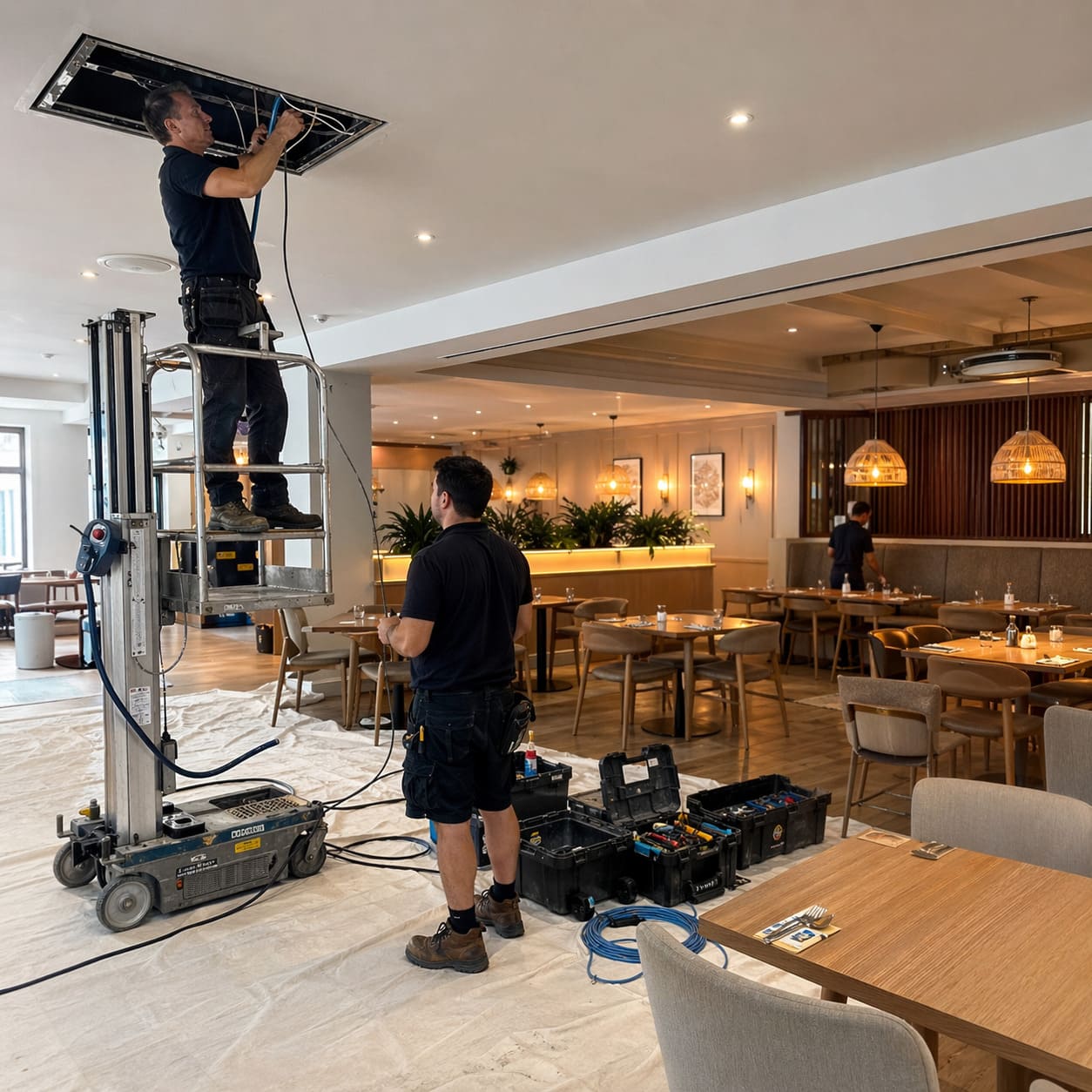
How commercial air conditioning is quoted and why two quotes rarely match
Need a commercial air conditioning quote you can compare properly? See why scope, survey assumptions and exclusions change the figure.
Can you get a grant for air conditioning now the Boiler Upgrade Scheme covers air to air heat pumps
Thinking about air conditioning grants? See when an air to air heat pump can qualify under the Boiler Upgrade Scheme and what must line up first.
RightAir Solutions