RightAir Solutions is a company that specialises in commercial air conditioning services.

Why should you adjust your HVAC system between seasons for better efficiency?

Seasonal tweaks to your HVAC system help reduce energy costs, improve comfort, and ease the pressure on key components. When the weather turns, your system might run too much or switch modes unnecessarily. With a few smart changes, you can avoid this and keep things running smoothly.

Why Adjusting Your HVAC System Between Seasons Matters

Changing your system settings with the season is a simple but effective way to avoid waste and keep your home feeling just right. It’s like putting away your heavy coat when spring arrives your HVAC needs that same shift.

During spring and autumn, temperature swings can lead to thermostat confusion. This may cause short cycling, where your system keeps turning on and off. That not only burns energy but also shortens equipment lifespan. Switching HVAC modes at the right time prevents these issues.

Common Misconceptions About HVAC Use

Myth: Switching between heating and cooling too often will ruin your system.
Reality: Today’s systems are built for flexibility. Adjusting as needed is far better than letting the system run badly.

Myth: Auto mode is always best.
Reality: In mild climates, maybe. But in the UK, it often leads to extra cycling and less control.

Trust sources like the Energy Saving Trust and Ofgem when in doubt. They offer clear guidance for getting it right.

Pro Tip: Check your filters at the start of each season even if they were recently replaced. It’s one of the fastest ways to avoid airflow issues.

Know Your HVAC System: Heat Pumps, Dual Fuel and More

Different systems react differently to seasonal shifts. Knowing what you’ve got makes it easier to adjust things properly. Understanding different HVAC system types helps tailor seasonal adjustments effectively.

Quick Reference: What Type of System Do You Have?

System BehaviourLikely System Type
Outdoor unit runs all yearHeat pump
Separate heating and cooling units               Gas furnace + AC
Heat pump with backup gasDual-fuel system


The most common HVAC system types are:

  • Heat pumps: Reverse the flow of refrigerant to heat or cool.

  • Gas furnace and air con: Separate controls, may need manual seasonal changes.

  • Dual-fuel: Switches between a pump and a gas furnace depending on outdoor temps.

If your outdoor unit runs all year, it’s probably a heat pump. Auto-changeover is handy but can lag, so be aware of comfort drops. Check your system’s label or manual, or look up models from Bosch, Daikin, or Mitsubishi Electric. Some smart thermostats also detect this automatically.

Smart Thermostat Settings for Seasonal Transitions

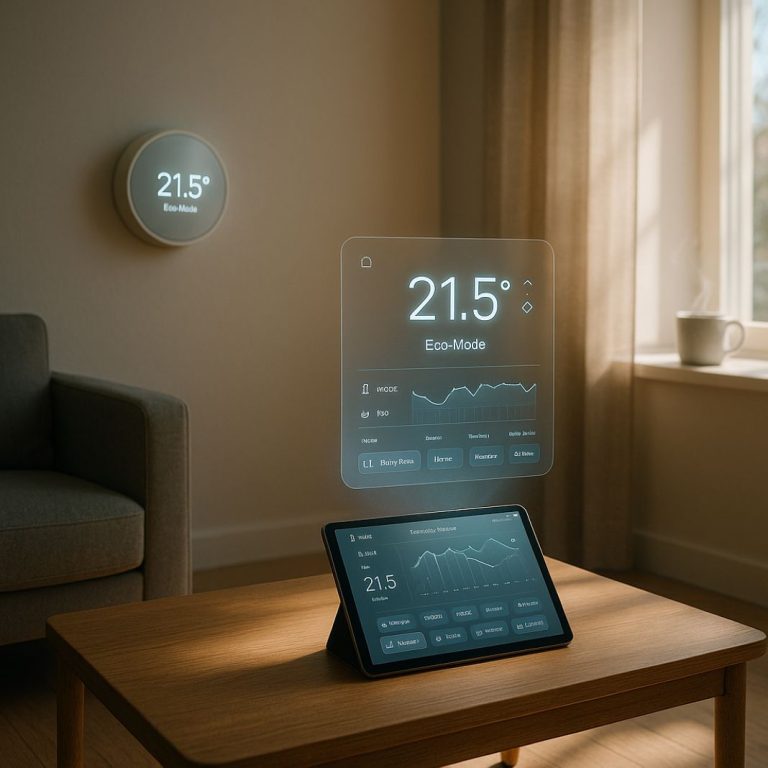
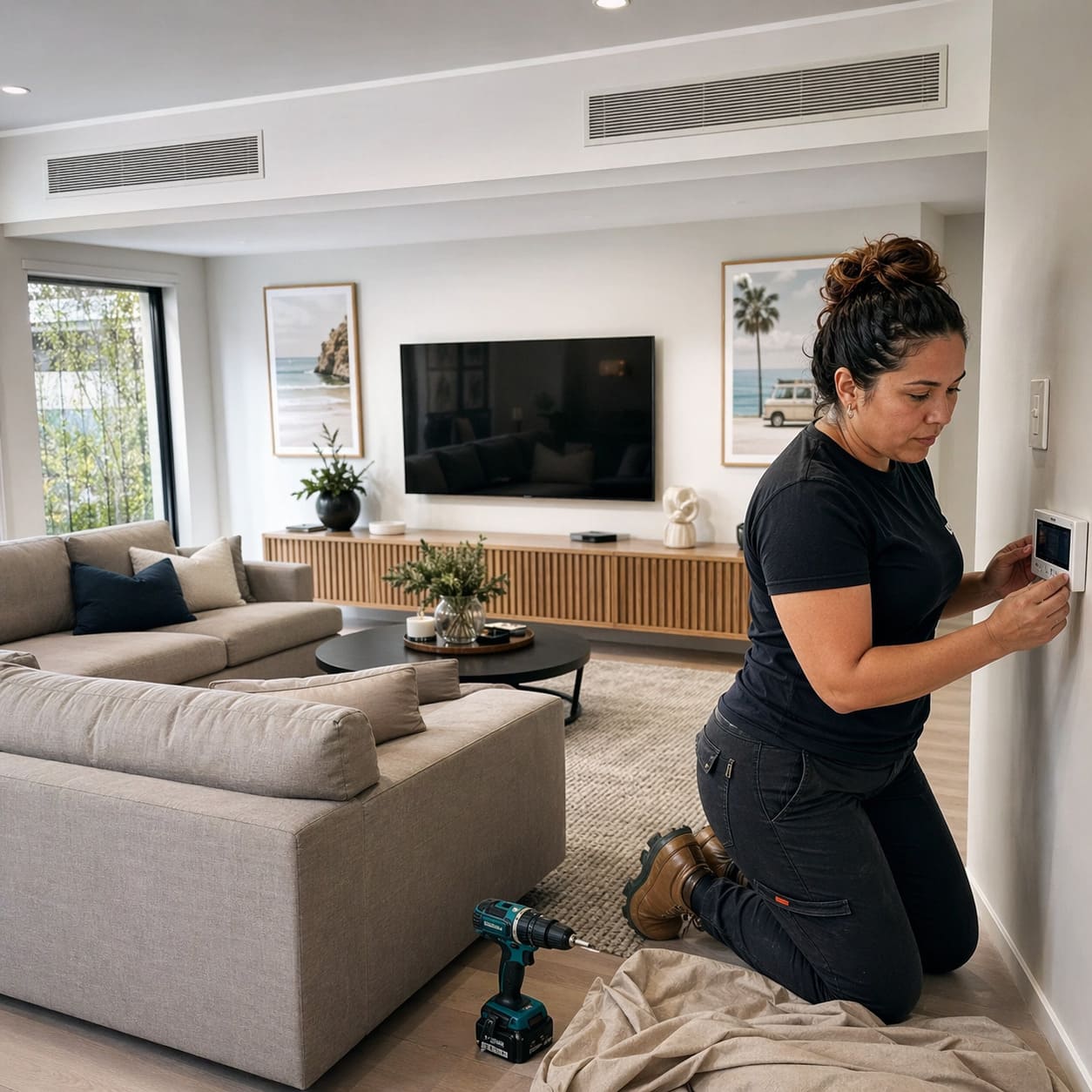
Smart thermostats make a big difference, but they need the right settings to do their job properly.

What is a Deadband and Why Does It Matter?

Don’t set heating to 21°C and cooling to 20°C. That tight gap makes your system bounce back and forth. Give it breathing room: a deadband of 3–4°C works best. Try 19°C for heating and 23°C for cooling. This is key for improving HVAC efficiency during seasonal changes.

Comparing Popular Smart Thermostats

Smart thermostats differ in how they manage heating and cooling schedules, respond to household patterns, and interact with users. Hive is ideal for households with fixed routines, offering manual daily scheduling that’s simple to adjust. Tado, by contrast, uses geofencing technology to detect when household members are away or returning home, adjusting temperatures automatically for efficiency. Ecobee stands out for its use of room sensors, allowing it to detect which areas are occupied and prioritise comfort in those spaces. Nest learns your behaviour over time and builds a personalised schedule based on how you interact with it. Each model offers unique features, so choosing the right one depends on your home setup, daily patterns, and comfort preferences.

Check settings now and then. Also, update the software to keep features running smoothly. Knowing the best way to use smart thermostats in autumn can help you save energy without sacrificing comfort.

When Is Auto Mode Actually Useful?

Auto mode can work well if your home stays fairly stable in temperature. In homes where it’s up and down all day, manual changes usually perform better.

Don’t forget that in multi level homes, heat rises. You might need different settings on each floor to keep comfort even.

Pro Tip: Create a 3–4 degree deadband between heating and cooling settings to avoid short cycling and save energy.

The Pre Season HVAC Health Check: Filters, Vents and Units

Before the temperature drops or climbs, give your system a once over. These simple checks save hassle later.

General Checks

  • Change filters (aim for every 1–3 months).

  • Clear indoor vents.

  • Remove leaves and dirt from outdoor units.

  • Listen for odd sounds. Check drains and fans.

Spring HVAC To Do List

  • Switch to cooling mode.

  • Clear out winter debris around the unit.

  • Test how your system handles a warm day.

  • Make sure rooms used daily have open vents.

Autumn HVAC To Do List

  • Change filters ready for heating.

  • Switch over to heating mode.

  • Check for blocked or drafty vents.

  • Run a warm up test of your thermostat settings.

Check the Which? website or UK Building Regs (Part F) if you want extra guidance. Future UK standards may require smart controls and higher seasonal efficiency ratings, so staying ahead is a smart move.

Habits That Help: Small Changes for Big Efficiency Gains

Your behaviour can boost HVAC performance without touching the system itself. These habits help maintain comfort and cut waste.

Day to Day Tips

  • Shut vents in rooms you don’t use.

  • Use curtains to trap heat or block sun.

  • Reverse your ceiling fan’s direction each season.

  • Let smart thermostats learn from consistent settings, don’t keep changing them.

Simple actions support better air distribution and reduce load on your system.

Signs Your HVAC System May Be Struggling

Even with regular maintenance and smart settings, your HVAC system might start showing signs that it is struggling with seasonal changes. If your energy bills increase unexpectedly despite mild weather, it could indicate your system is overworking. You might also notice that certain rooms feel stuffy or the temperature is uneven throughout the house, which may suggest airflow problems. A system that runs constantly or turns on and off too often is another red flag that it’s not adjusting properly. Pay attention to new noises, rattles or condensation near vents, as these can signal internal issues. Addressing these signs early prevents more serious problems later.

Understanding Short Cycling

Short cycling occurs when your HVAC system turns off and on more often than it should. It’s a common issue during seasonal transitions and usually indicates that something isn’t quite right. One cause could be a thermostat that’s set too close together for heating and cooling for example, setting heat at 21°C and cooling at 20°C. Another common reason is a dirty or clogged filter, which limits airflow and causes the system to struggle. In some cases, the HVAC unit may be too large for the space it’s conditioning, leading it to reach target temperatures too quickly and shut off prematurely. Over time, short cycling wears down components, uses more energy and reduces overall efficiency. Wondering why your HVAC is short cycling? Start by checking your thermostat settings, filter condition and system sizing.

When to Call a Professional: What RightAir Can Do for You

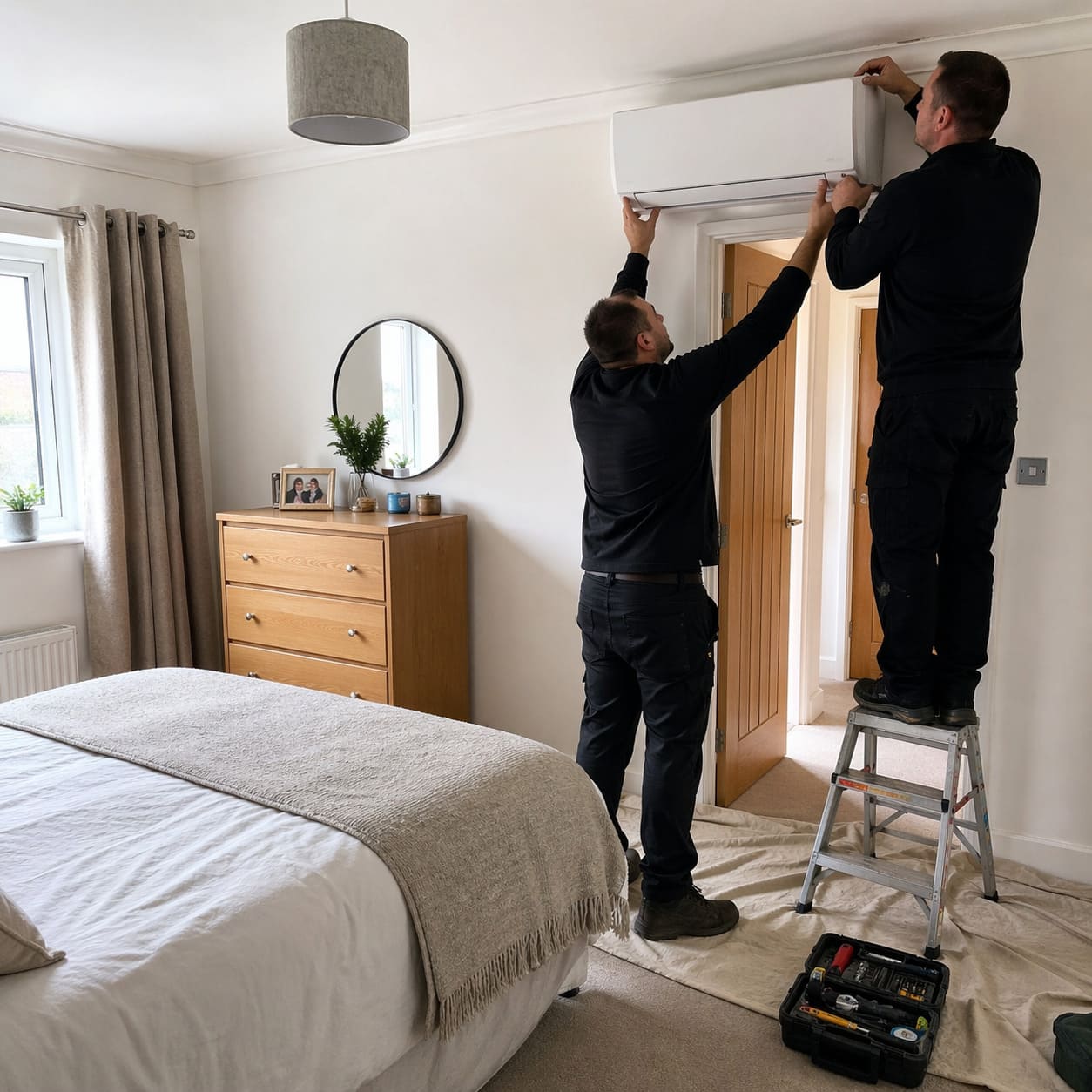
If these fixes aren’t doing the job, it’s worth getting professional help. A trained technician can carry out a more thorough inspection and address any underlying problems that might not be obvious. Professional services include thermostat calibration to ensure the readings and commands are accurate, airflow testing to identify blockages or imbalances, and efficiency checks that reveal whether your system is using more power than necessary. Smart control upgrades are also a popular option – giving you better control and visibility over your system’s behaviour. RightAir offers all of these services using certified professionals registered with Gas Safe and REFCOM. Taking action early with a seasonal tune up can save you money and help your system perform at its best throughout the year.

Share

Read Similar Blogs

RightAir Solutions

32 Donnington Rd, London NW10 3QU
 
020 3886 2326
 
GQRC+JX London