How can you keep a London basement flat cool on a budget?
You can cool a London basement flat without spending heavily by improving airflow, reducing indoor heat, using fans properly, and choosing portable cooling or moisture control only where they genuinely suit the space. The most affordable approach usually combines several small measures, because basement flats often have awkward ventilation, trapped humidity, and building constraints that make any single fix less effective on its own.
Understanding the unique challenges of basement flats in London
A basement flat can feel stuffy, clammy, or strangely warm even when outdoor temperatures seem manageable. Many London properties were not built with modern cooling in mind, and basement spaces often have thick walls, limited openings, and layouts that hold onto heat in a different way from upper floors.
Thermal mass plays a part here. Solid walls and floors can absorb warmth slowly and then release it gradually, which means that a basement may stay warm well into the evening after a hot day. Add poor air movement and rising humidity, and comfort can drop quickly.
Limited natural ventilation is another common problem. Some flats have only one usable window, a narrow lightwell, or a windowless bathroom and bedroom arrangement. Air cannot move through the property easily in those conditions, so heat and moisture linger.
A few assumptions often make matters worse:
- Basements are always naturally cool
- Opening any window will fix the problem
- Damp air feels cooler than dry air
- A single portable unit will solve every room
London’s building stock adds further complications. Older conversions, leasehold rules, Building Regulations, local council requirements, and property management company restrictions can all affect what you can install or alter. A flat in a period conversion in West or North West London may need a very different approach from a newer lower-ground apartment with larger glazed doors onto a patio.
Increase natural ventilation where possible
Natural airflow is the cheapest place to start, even though many basement flats have limited options. The aim is to move warm, stale air out and pull fresher air in at the coolest times of day.
Early morning and later evening usually offer the best window for passive cooling. If your flat has windows on more than one side, open them together for a short period to encourage cross-ventilation. If it has only one main opening, keep internal doors open where privacy allows so air can travel further into the flat.
A few practical adjustments can make a noticeable difference:
- Open basement windows and any higher-level windows at the same time if the flat has split levels or access to a stairwell, because warm air tends to rise.
- Check whether trickle vents are present and free from dust or paint, since blocked vents reduce steady background airflow.
- Use lightwells properly by keeping them clear of clutter, leaves, and stored items that obstruct air movement.
- Look at existing air bricks or passive vents and make sure they have not been sealed over during previous decorating work.
- Fit secure window restrictors or suitable grilles if safety or privacy stops you opening windows confidently.
Security matters in London, especially at street level or where windows open into a front lightwell. Ground-facing windows left wide open overnight may not be realistic, and some flats also deal with noise, traffic fumes, or overlooked courtyards. In those cases, shorter bursts of ventilation at safer times can still help.
Once outdoor air feels warmer or more humid than the flat itself, open windows may do very little. That is often the point where fan placement and moisture control become more useful than simply leaving everything open.
Free consultation on air conditioning, ventilation and refrigeration, tailored to your property.
Book a Free ConsultationUse fans strategically for effective air movement
A fan does not lower the actual room temperature, but it can make a basement flat feel far more comfortable by improving air circulation across your skin and shifting stagnant air out of dead corners. Placement matters much more than many people expect.
A pedestal fan suits a living area where you need broad airflow. A desk fan can help in a small bedroom or workspace. A window fan can sometimes assist where the layout is awkward, although it depends on the window type and secure fitting.
Try using a fan to support the direction of airflow rather than pointing it randomly into the room. If cooler outdoor air is available, position the fan so that it helps pull that air inward. If the air outside is still and warmer, aim the fan through the flat to keep internal circulation moving instead.
Humidity changes the picture. In a damp basement, moving muggy air around can leave the room feeling sticky rather than fresh. Noise can also become an issue in compact flats, especially at night, so the best fan is often the one you can live with for hours rather than the one with the highest setting.
A simple test works well here. Stand in the warmest part of the room, then move the fan in small increments and notice where air seems to stall, especially near alcoves, beds, and sofas pushed against external walls. In many basement layouts, a slight angle change does more than an increase in speed.
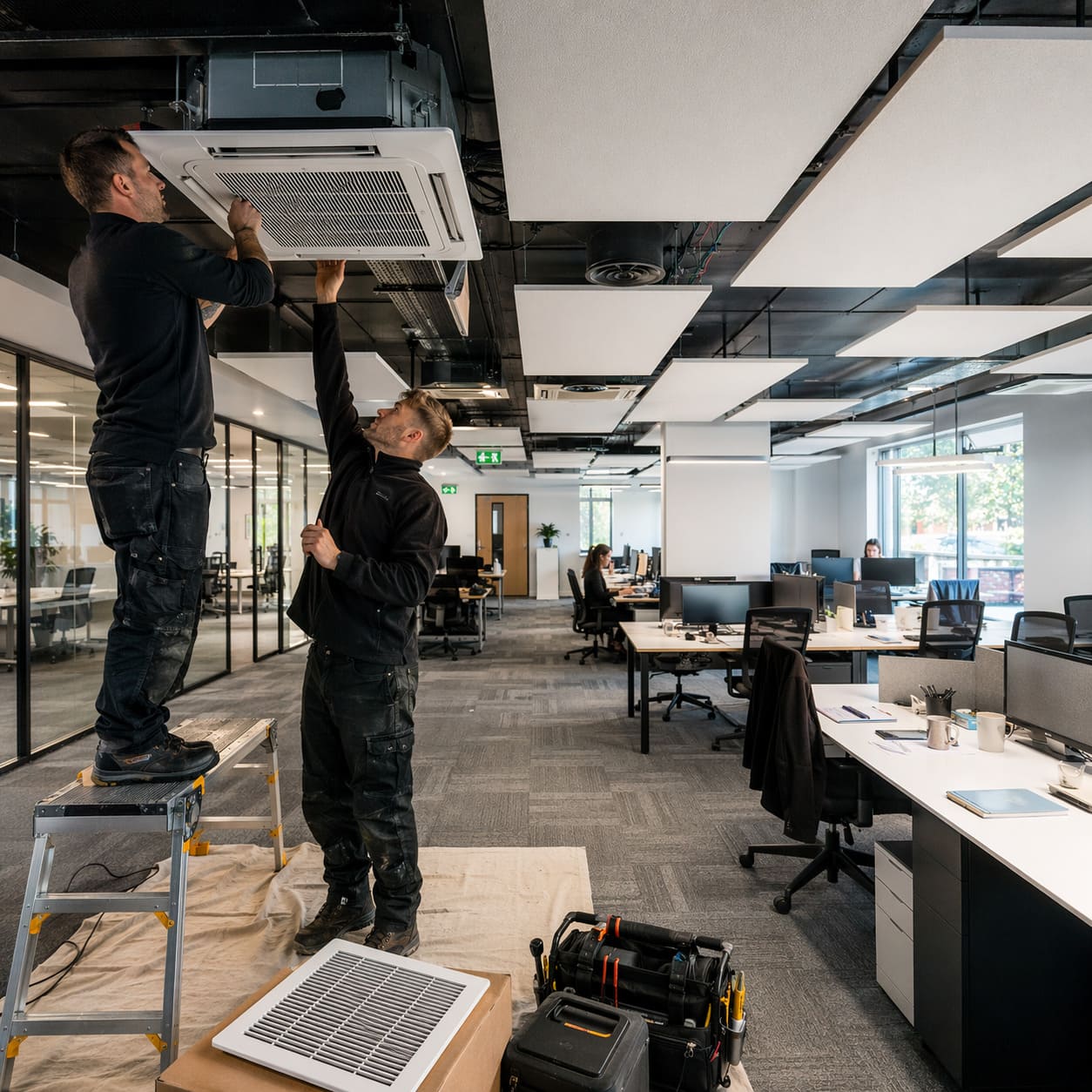
Test different fan placements by standing in various corners to identify and fix dead air zones, especially near alcoves and external walls.

Block out excess heat from sunlight and appliances
Even a basement flat can gain a surprising amount of heat from sunlight, lighting, cooking, electronics, and everyday routines. Internal heat load builds up quietly, especially in compact homes where one warm activity affects the whole space.
Windows at pavement level, patio level, or at the top of a lightwell can still bring in solar gain. Thermal blinds, lined curtains, or reflective window film may reduce that build-up, particularly on any glazing that catches direct afternoon sun. If your flat has glazed doors opening onto a small rear area, keeping blinds closed during the hottest part of the day can make a bigger difference than people often expect.
Household appliances also matter. Ovens, hobs, washer-dryers, old halogen bulbs, games consoles, routers, and large televisions all release heat. In a basement with limited airflow, that warmth has nowhere obvious to go.
Useful quick wins include:
- Switching to LED lighting where older bulbs still produce unnecessary heat
- Avoiding oven use during the hottest hours and choosing hob, microwave, or cold meals more often in heatwaves
- Turning devices off fully instead of leaving them on standby
- Moving chargers and electronics away from enclosed shelves where heat collects
- Running heat-producing appliances later in the evening if noise rules and neighbours allow
Taken separately, each change may seem minor. Combined across a week of warm weather, they can lower the strain on the flat and make every other cooling measure work more effectively, including a simple bedroom fan on a humid night.
Consider portable air conditioning and dehumidifiers
Portable appliances can help, but they are rarely perfect. In a basement flat, the two options people usually weigh up are a portable air conditioner and a dehumidifier, and they do different jobs.
A portable air conditioner can cool a room more directly, but it needs a practical way to vent warm air outside. That can be awkward with sash windows, small hopper windows, or security concerns at street level. Noise levels also matter, particularly in sleeping areas or open-plan layouts where the unit sits close to the bed or sofa.
A dehumidifier does not cool the air in the same way, yet it can make the flat feel more comfortable if basement humidity is a major issue. Less moisture in the air often makes a room feel fresher and easier to sleep in, especially after rain or during sticky summer weather.
The simplest way to compare them is this:
| Appliance | Main benefit | Main limitation |
|---|---|---|
| Portable air conditioner | Lowers room temperature more directly | Needs exhaust venting and can be noisy |
| Dehumidifier | Improves comfort in humid conditions | Does not provide true cooling |
Before buying anything, check a few basics.
- Confirm where exhaust air would go if you are considering portable air conditioning.
- Read the appliance energy label and note the likely running pattern, not just the headline specification.
- Think about condensate management, especially if the flat already has moisture issues.
- Measure the room properly, because an undersized or oversized unit can disappoint for different reasons.
- Consider where the appliance will sit day to day, including cable routes, trip hazards, and storage outside summer.
Environmental health guidance and sensible electrical safety practice both matter here. Plug-in cooling appliances need adequate clearance and stable positioning, and extension leads are not always a good idea for higher-load equipment. In some flats, a dehumidifier in the bedroom and a fan in the living space gives a better result than a single bulky portable air conditioner struggling to serve the whole property.

Regularly clear and maintain trickle vents, air bricks, and lightwells to ensure steady background airflow is not obstructed.

Upgrade insulation and draught-proofing for long-term comfort
Cooling and insulation are often treated as separate topics, but they are closely linked. A basement flat that leaks air in the wrong places and absorbs heat through weak spots will always be harder to keep comfortable.
Start with the obvious gaps. Worn window seals, ill-fitting doors, gaps around service penetrations, and poorly sealed skirting edges can all affect temperature and comfort. In summer, unwanted warm air can enter through the same weaknesses that let heat escape in winter.
Affordable measures include door seals, draught excluders, secondary window film where suitable, and replacing tired sealant around frames. If condensation forms around window edges, improving sealing needs to be balanced with adequate ventilation so that moisture does not become trapped indoors.
Building Regulations Part L shape wider expectations around energy efficiency, although many basement residents are looking first for manageable practical improvements rather than major works. In an older London conversion, thermal bridging around window reveals or external wall junctions may still create stubborn warm or damp spots even after basic draught-proofing.
A sensible order is often:
- Identify where air leaks or hot spots appear during warm weather.
- Seal straightforward gaps around doors and accessible window frames.
- Review whether curtains, blinds, or glazing films could reduce solar gain.
- Monitor humidity after any sealing work so the flat stays balanced.
- Seek a professional view if one room remains persistently uncomfortable despite these changes.
The value of this approach shows up across the year. A better-sealed basement usually feels steadier in summer and less chilly in winter, which makes it easier to live with the flat rather than constantly react to it.
Explore bespoke climate control solutions
Some basement flats reach a point where portable and low-cost measures stop being enough. That often happens in windowless rooms, properties with strict acoustic expectations, layouts with very poor airflow, or homes where people need reliable comfort for work, sleep, or sensitive equipment.
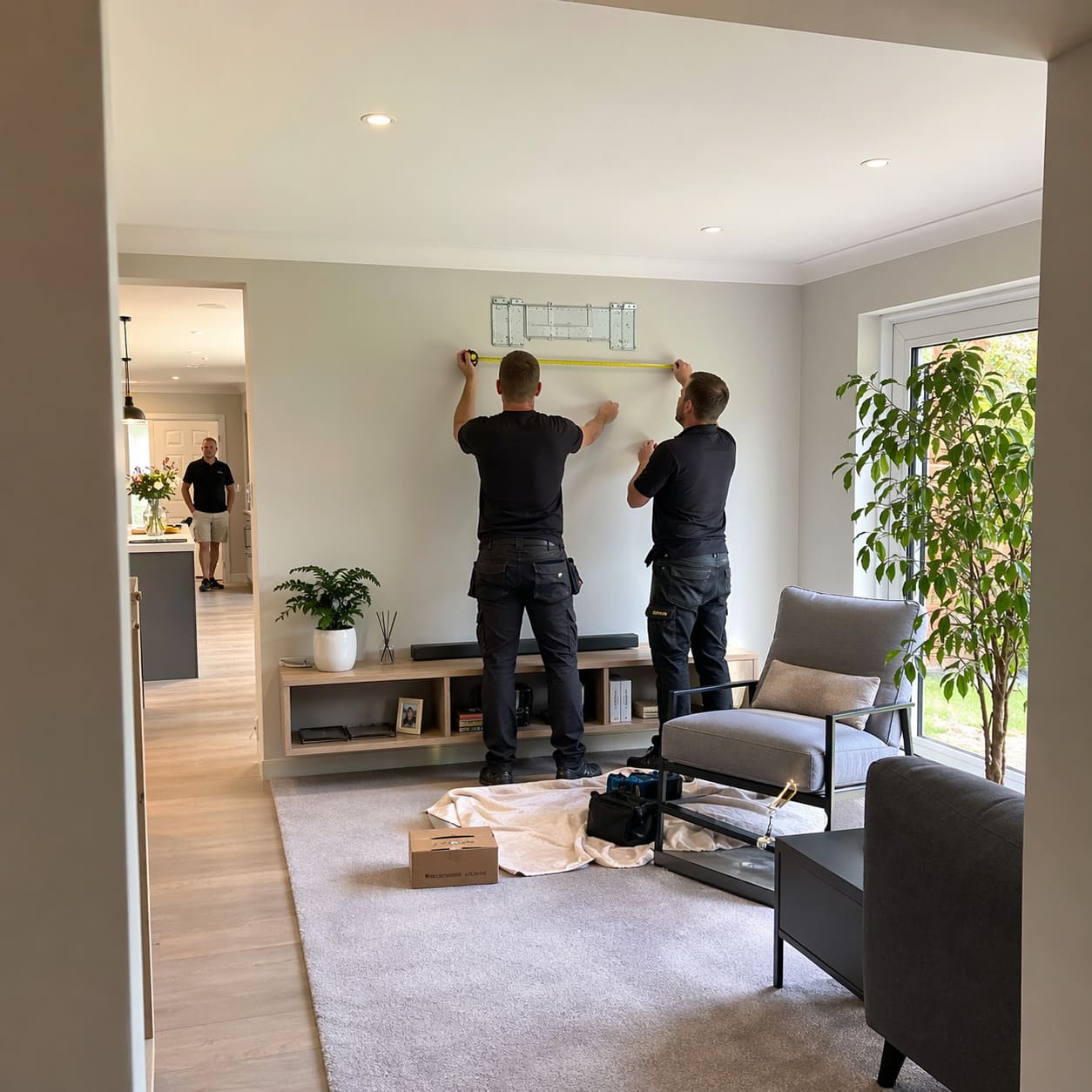
A bespoke climate control system is usually considered when off-the-shelf options have clear limitations. Split systems, ducted air conditioning, or discreet integrated solutions can address temperature, airflow, and sometimes humidity with much more control than portable appliances. The right answer depends heavily on the property itself, including access, wall construction, outdoor unit location, drainage, and how visible the finished installation would be.
Professional assessment matters because basement flats can be deceptive. A room that seems to need more cooling may actually need better air movement, quieter operation, or moisture control first. CIBSE guidance and F-Gas regulations form part of the technical backdrop for fixed air conditioning work, and any serious design should take both compliance and practical day-to-day use into account.
In higher-spec London properties, discreet installation is often part of the brief. Pipe routes, grilles, condensate drainage, and acoustic performance need to fit the flat rather than dominate it. RightAir Solutions is one example of the kind of contractor that approaches these projects as a full system decision, from design and installation through to long-term performance and maintenance, instead of treating the job as a simple box-on-the-wall exercise.
That level of planning becomes particularly relevant where a basement sits beneath bedrooms, opens into a private courtyard, or forms part of a managed building with strict expectations around appearance and noise.
Clear pricing, realistic timelines and honest advice from an experienced London installer.
Request a QuoteMaintain systems for ongoing efficiency
Any cooling setup works better when it is kept clean and checked regularly. Dusty filters, blocked vents, and neglected condensate lines all reduce performance and can make a room feel stuffier than it should.
Homeowners and tenants can handle some basics themselves. Filters on portable units need cleaning or replacement in line with the manufacturer’s guidance. Air inlets should be kept clear of curtains, bags, and furniture. Dehumidifier tanks need emptying properly, and visible vents should be dusted so airflow is not restricted.
Watch for small changes in behaviour. A unit that sounds louder than usual, produces weaker airflow, cycles strangely, or struggles more in weather it previously handled may need attention. Ignoring those signs often leads to poorer efficiency and less comfort over time.
Where a fixed system is installed, periodic servicing has a different role. It checks condition, cleanliness, and performance in a way that ordinary day-to-day use does not. Providers such as RightAir Solutions may include that as part of a broader maintenance routine, especially where quiet operation and consistent output matter in a basement setting. A system that starts the summer clean and correctly adjusted often feels very different by August from one that has been left untouched.
Rethinking “cheap” cooling: comfort, value, and long-term perspective
The cheapest-looking option is not always the one that costs the least over time. A fan that runs all day in a badly managed room, a portable unit that cannot vent properly, or a sealed-up flat with rising humidity can all leave you paying in discomfort as much as money.
Affordable cooling usually comes from matching the fix to the problem. If sunlight is the issue, shading matters. If air is stagnant, fan placement and ventilation matter. If the flat feels clammy, moisture control may do more than extra airflow. Once those basics are clear, spending becomes easier to judge.
False economies often appear in repeated small purchases that never quite solve the room. By contrast, a few well-chosen changes, such as better blinds, cleaner airflow paths, sensible appliance use, and improved sealing, can shift the feel of a basement flat more than one expensive impulse buy.
For London basement living, the most sensible aim is steady comfort, not a perfect indoor climate at any cost. That mindset usually leads to better decisions, fewer frustrations, and a home that feels easier to live in through the warmer months.
