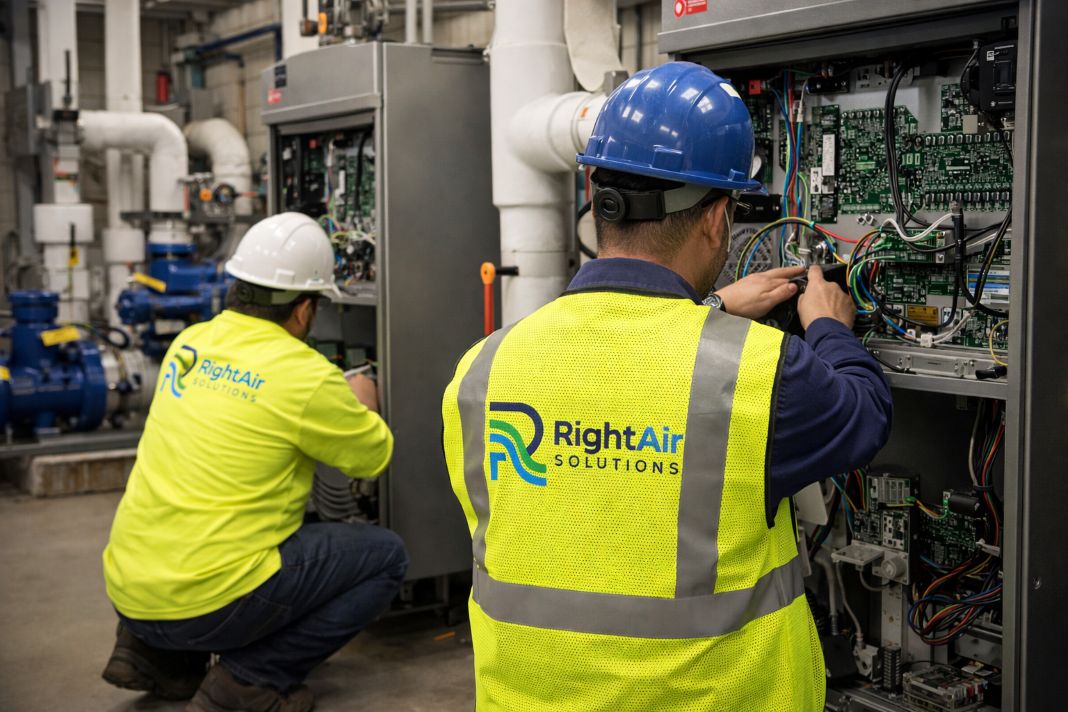
Air conditioning upgrades in London
Energy-Efficient Air Conditioning Upgrades in London
Before anyone quotes you for new equipment, our F-Gas certified engineers work out whether your running costs are actually caused by the hardware.
Covering Greater London and the Home Counties
Surveys are free and carry no obligation to proceed.
Call 020 3886 2326. TM44 and EPC qualified.
-
F-Gas Certified Engineers
Every refrigerant job handled legally and safely.
-
TM44 and EPC Qualified
Able to assess compliance, not just install kit.
-
5-Year Installation Guarantee
Covering the systems we fit.
-
Free Site Survey
Assessment first, quote second.
-
Checkatrade 10.0 out of 10
From 70 verified reviews.
An energy-efficient air conditioning upgrade replaces ageing cooling equipment, controls, or both, with modern inverter systems that use less electricity for the same output. RightAir Solutions carries out these upgrades across Greater London for homes and commercial buildings. Systems with a combined effective rated output above 12kW must also be inspected by an accredited energy assessor at intervals of no more than five years.
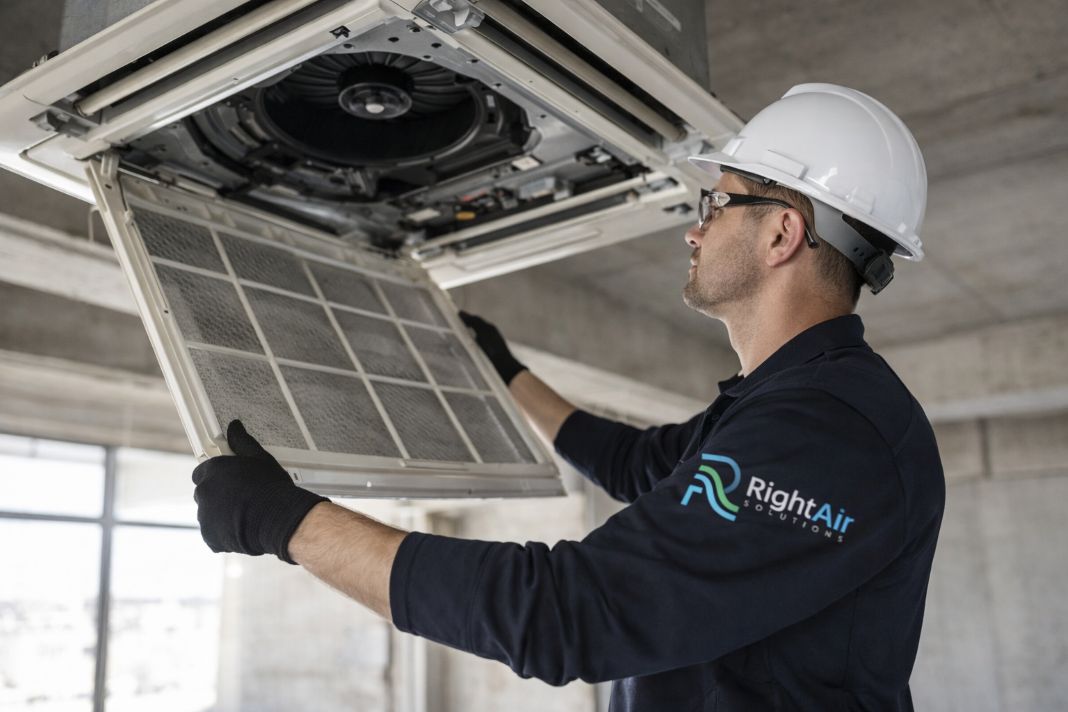
What does an efficiency upgrade actually involve?
An efficiency upgrade changes some or all of six things: the indoor units, the outdoor unit, the pipework, the refrigerant, the controls and the zoning. Which of those move depends entirely on what the survey finds.
Pipework is where most quotes go wrong. Modern systems run on R32, which has a global warming potential of 675 against R410A's 2,088, and it works at different pressures. Pipe sizing and oil compatibility both change as a result. Any quote promising to hang a new indoor unit on existing pipes without inspecting them first is guessing.
What an upgrade can include
- Indoor units. Replaced where the existing ones are undersized, oversized or beyond economic repair.
- Outdoor unit. Usually replaced alongside, since matched pairs perform better than mixed ones.
- Pipework. Inspected, pressure tested, and resized or replaced where the new refrigerant requires it.
- Controls. Scheduling, zoning logic and, where useful, smart controls and scheduling you can reach from a phone.
- Zoning. Splitting a single overworked circuit into areas that can run independently, often using zoned VRF systems in larger buildings.
- Commissioning. Charge weighed in, airflow checked, performance recorded against the design figures.
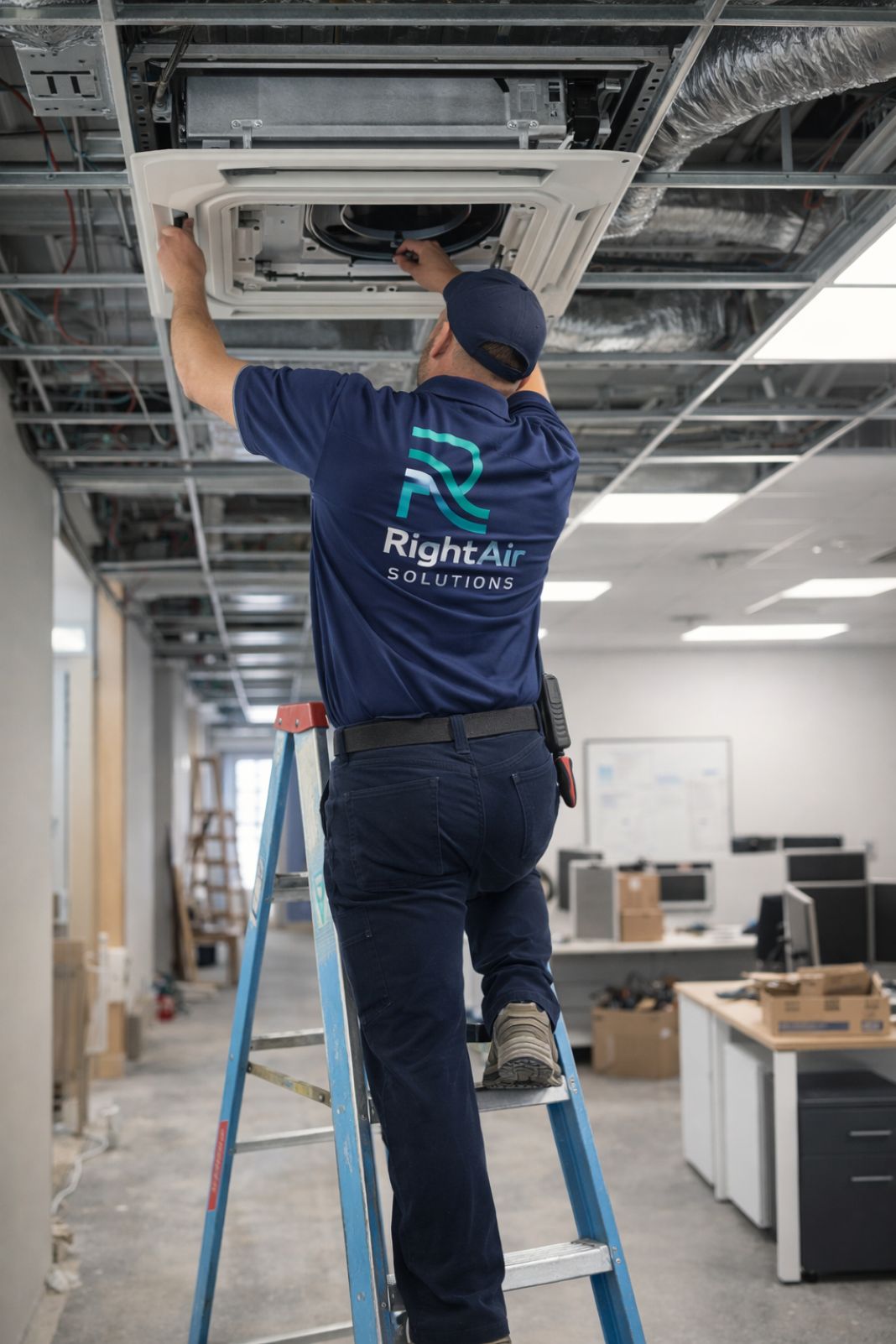
Every installation and upgrade is backed by our written guarantee.

Refrigerant rules
Do I have to replace an R410A system?
No. R410A remains legal to service, top up and repair in equipment that is already installed.
The restriction people have heard about applies to placing new equipment on the market. Since 1 January 2025 it has been illegal to sell a new single split system in Great Britain containing under 3kg of F-gas where the refrigerant carries a global warming potential of 750 or above. R410A sits at 2,088, so those small splits have gone from the new market. An R410A system already on your wall is unaffected.
Supply is the real pressure, not legality. Under Regulation 2024/573 the European HFC quota drops again from 2027, and Great Britain buys from the same shrinking market even without adopting that rule. Expect the gas to become harder to source and more expensive to buy.
So the honest position is this. An R410A system in good order is not an emergency. One that leaks repeatedly, or one already due for replacing the unit outright, is a different conversation.
Side by side
- Legal to service, top up and repair
- No longer sold in new small splits
- Fitted as standard on most new systems
- Around a third the global warming potential
Global warming potential compares each gas against carbon dioxide. Lower is better. The bars show relative scale.
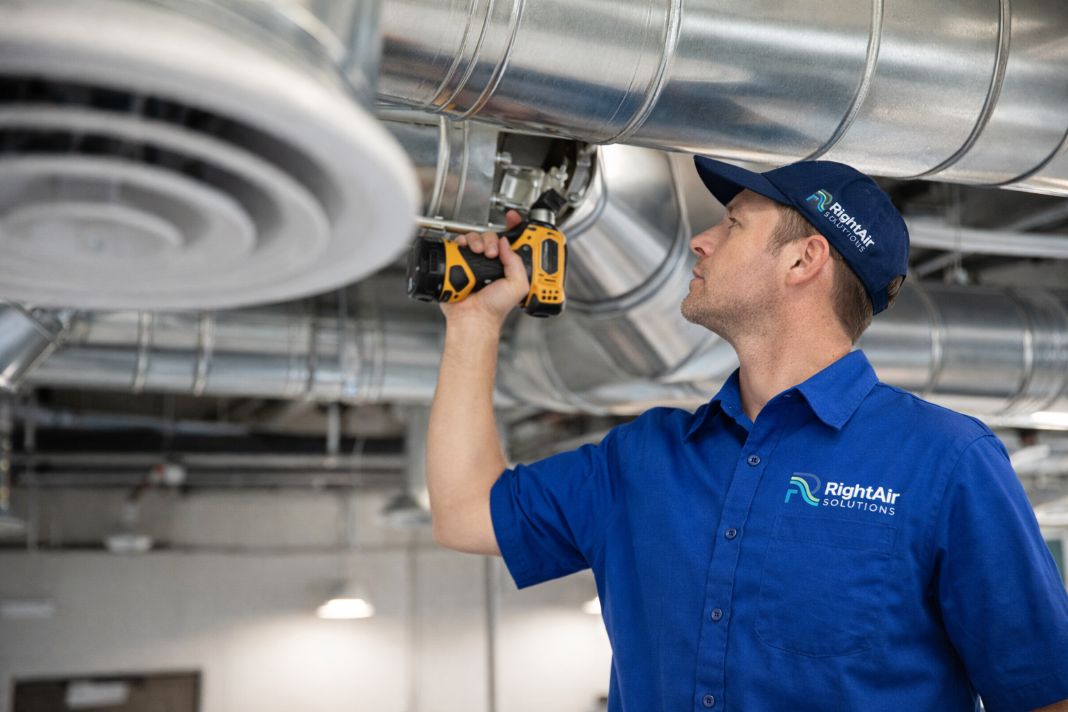
What shapes the quote
What affects the cost of an upgrade?
Cost is settled at survey, because five variables move the figure more than the equipment price does.
-
Pipework condition
Reusable pipework keeps the job short. Replacement adds labour and building work.
-
Condenser access and position
Roof, balcony and light-well installations take longer and sometimes need lifting equipment.
-
Number of zones
Each additional indoor unit adds equipment, pipe runs and commissioning time.
-
Controls integration
Linking to smart controls or a building management system is simple on some setups and involved on others.
-
Working hours
Commercial sites often need evening or weekend working to avoid disrupting trade.
Condenser position can change the answer
Condenser position deserves particular attention in London. Units pushed into a light well, or set hard against a wall, can draw their own exhaust air back in. Head pressure climbs, output drops on the hottest days, and running costs rise for reasons that have little to do with the unit's rating. Moving a condenser two metres can sometimes achieve more than replacing it.
No fixed prices appear on this page because none would be honest. Pricing follows the survey, and the written quote sets out what is included before any work is booked.
From survey to handover
How does the upgrade work?
Four stages, from first visit to final handover.
-
 Existing system review
Survey and assessment
An engineer measures the existing system, checks charge and controls, and records what is working and what is not. This is where a no-upgrade recommendation gets made if that is the honest answer.
-
 Written system plan
Design and quote
You receive a system design sized to the rooms, with a written quote covering equipment, pipework, controls and commissioning as separate items.
-
 Safe removal and installation
Changeover
Old refrigerant is recovered and documented, redundant equipment removed, and the new system installed. Most single-zone domestic upgrades finish inside a working day.
-
 Performance checks and records
Commissioning and handover
Charge is weighed in, and airflow and performance are checked against the design. You then receive a walkthrough of the controls and the paperwork needed for your records.
Systems we assess and upgrade
Which systems do we upgrade?
Different system types fail efficiency in different ways, so the upgrade route is rarely the same twice.
-
Split systems
Single-room setups where an oversized or ageing unit short-cycles. Usually the fastest upgrade to complete.
-
Multi-split systems
One outdoor unit serving several rooms. Efficiency gains often come from rebalancing zones rather than replacing everything.
-
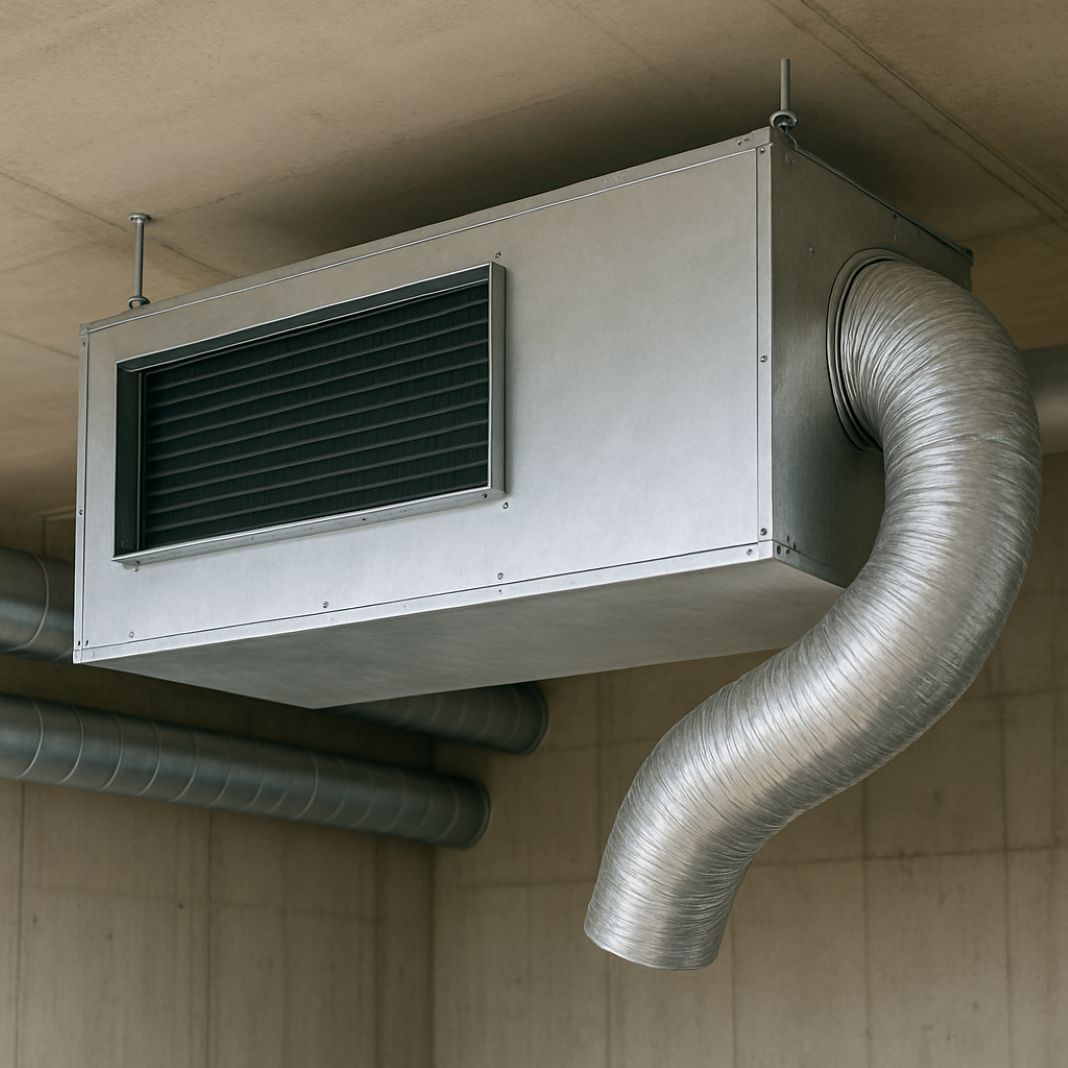
Ducted systems
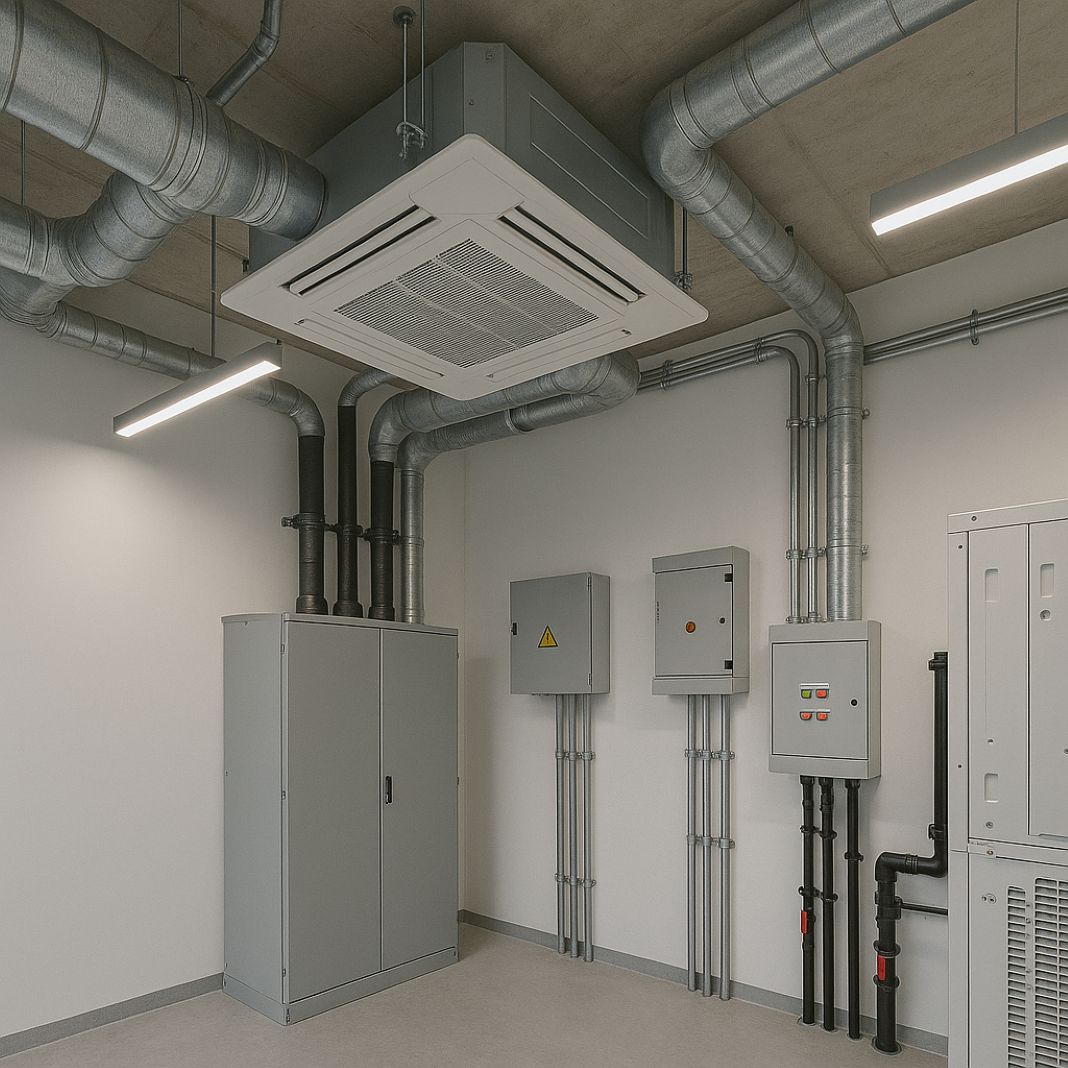
Concealed ceiling systems in flats and offices. Duct condition and insulation matter as much as the unit itself.
-
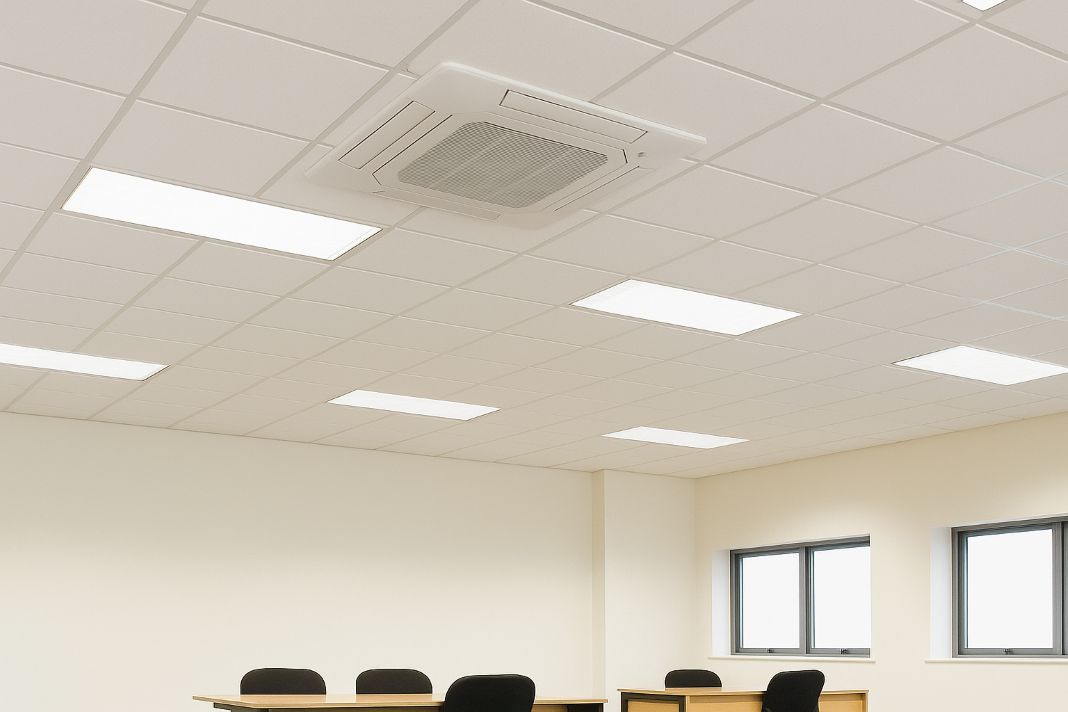
Ceiling cassettes
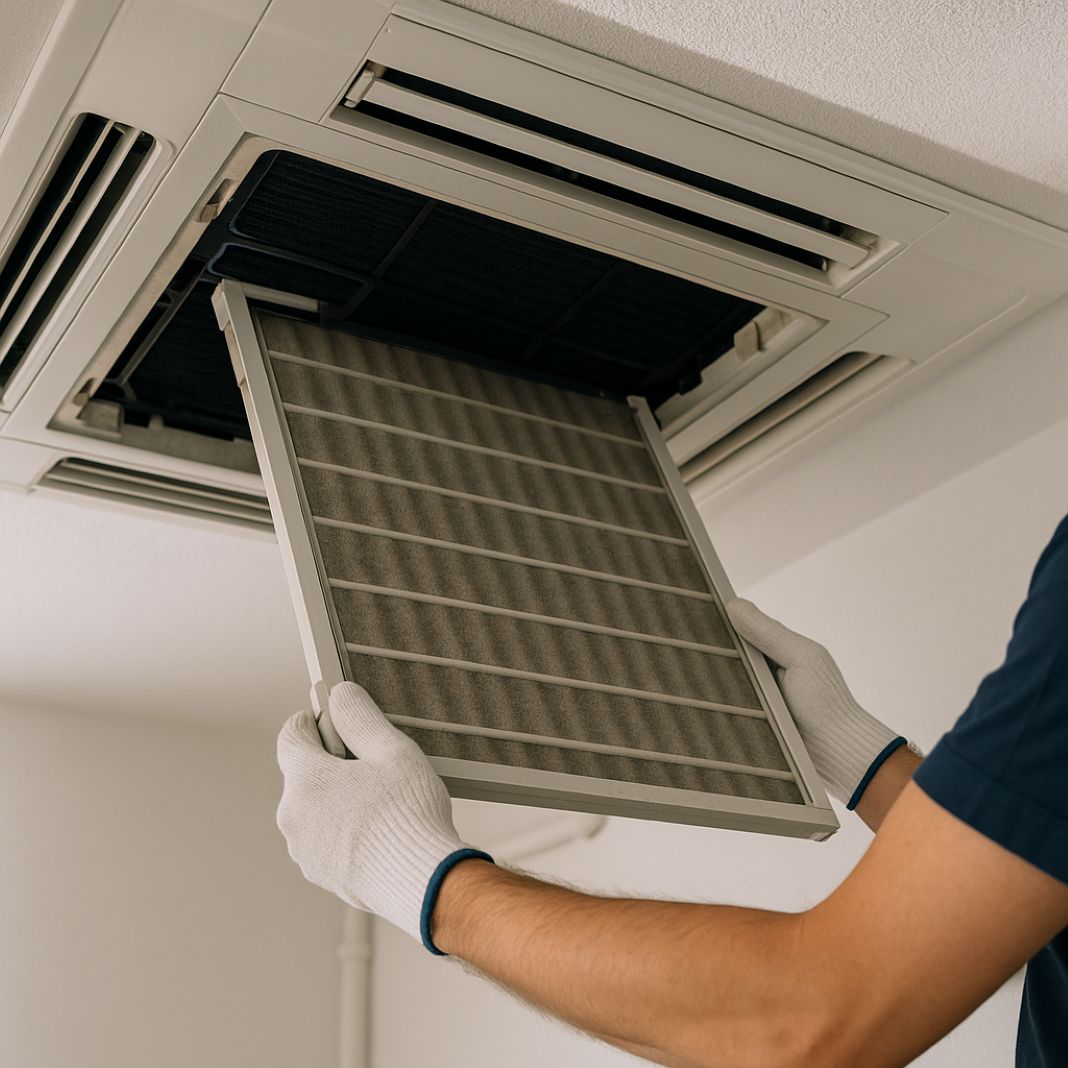
Common in shops, clinics and open-plan offices. Airflow pattern and filter condition drive a surprising share of running cost.
-
VRV and VRF systems
Large zoned buildings. Control strategy is nearly always where the savings sit.
-
Server room cooling
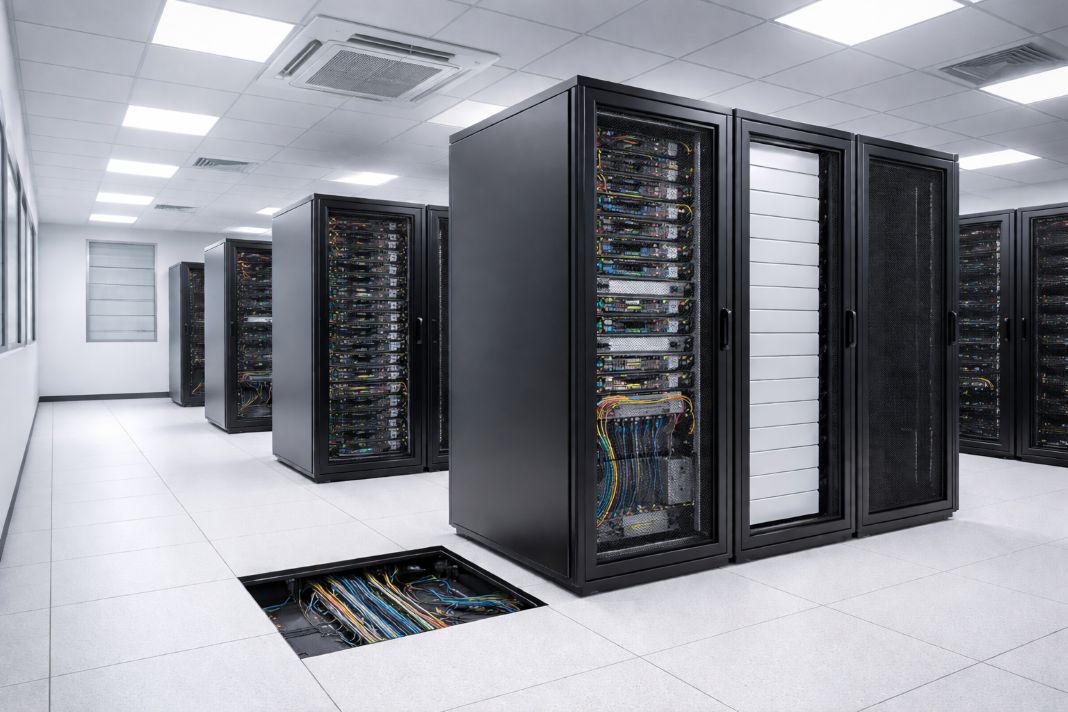
Precision systems where efficiency and resilience have to be balanced rather than traded.
-
Smart controls
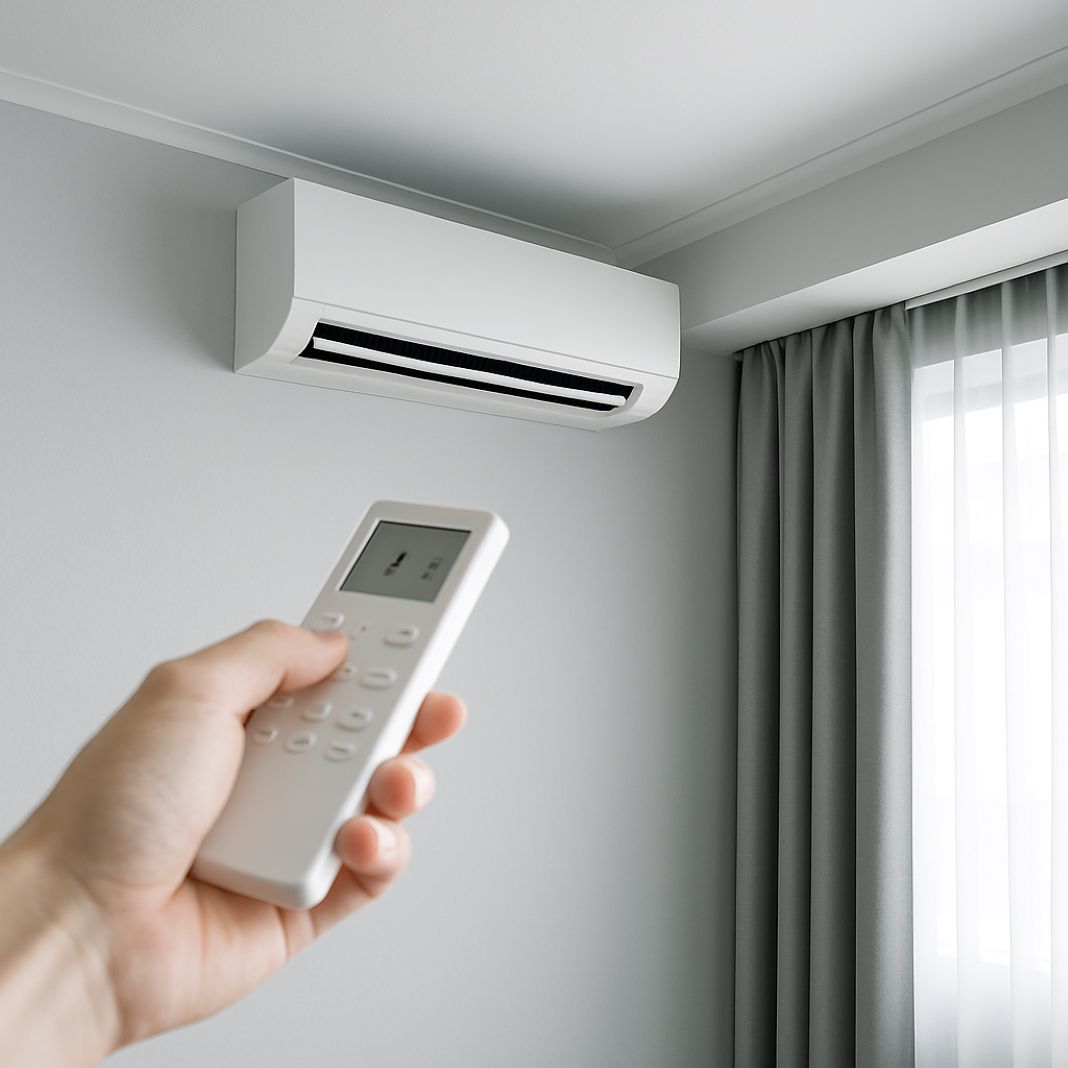
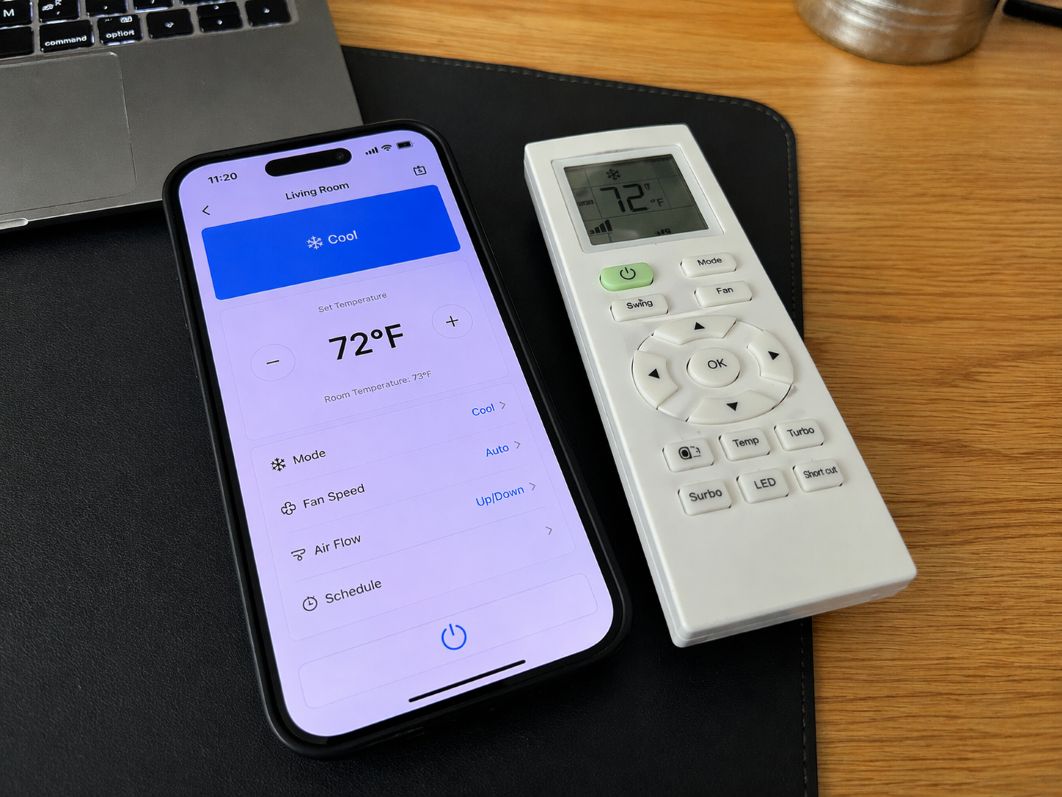
Scheduling, zoning and app control retrofitted to systems that are otherwise sound.
-
Older and mixed systems
Buildings that have grown unit by unit over years, with no single design behind them.
London homes and commercial buildings
Who we work with
The reason for upgrading changes from one building to the next. Compliance, operating cost, comfort and appearance all shape the route an engineer recommends.
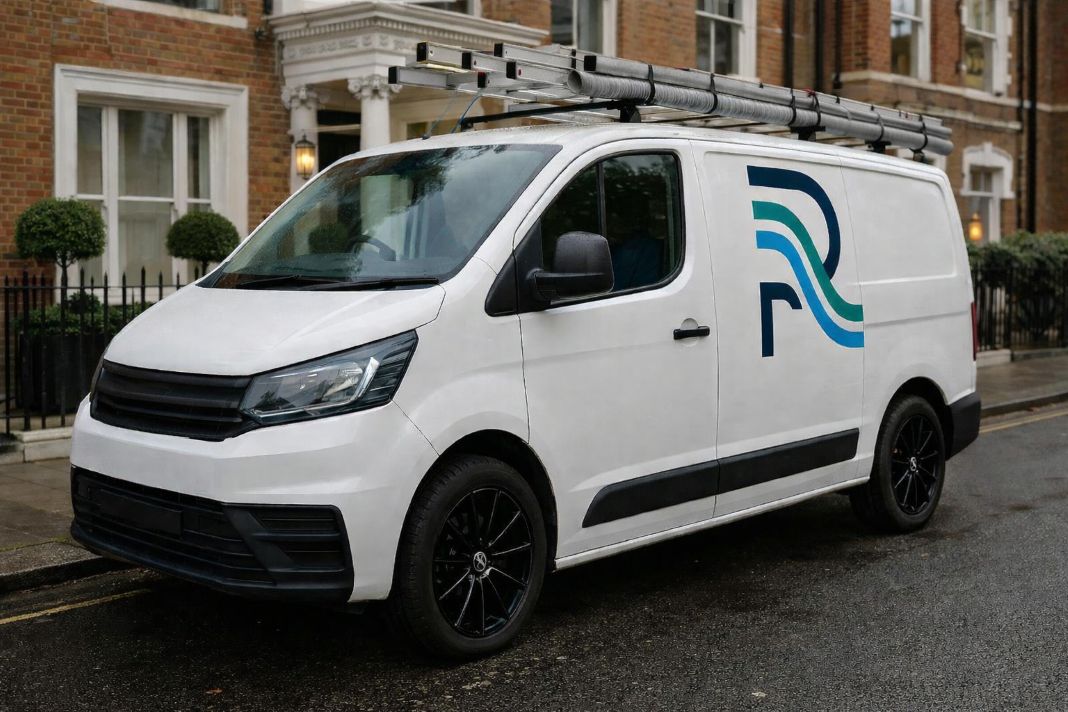
One survey, shaped around the building and the people responsible for it.
RightAir Solutions works with property owners, managing agents, facilities teams and homeowners who need a clear route from inefficiency to a practical upgrade plan.
Commercial landlords and managing agents make up a growing share of this work, usually after an EPC or a lease event puts a number on the problem. For them the question is rarely comfort. It is whether the building can legally be let and what the cheapest compliant route looks like.
Facilities managers come at it from the TM44 side. A report lands, it names inefficiencies in controls or maintenance, and someone has to decide what to act on. Reading those recommendations and pricing them is a large part of what our engineers do.
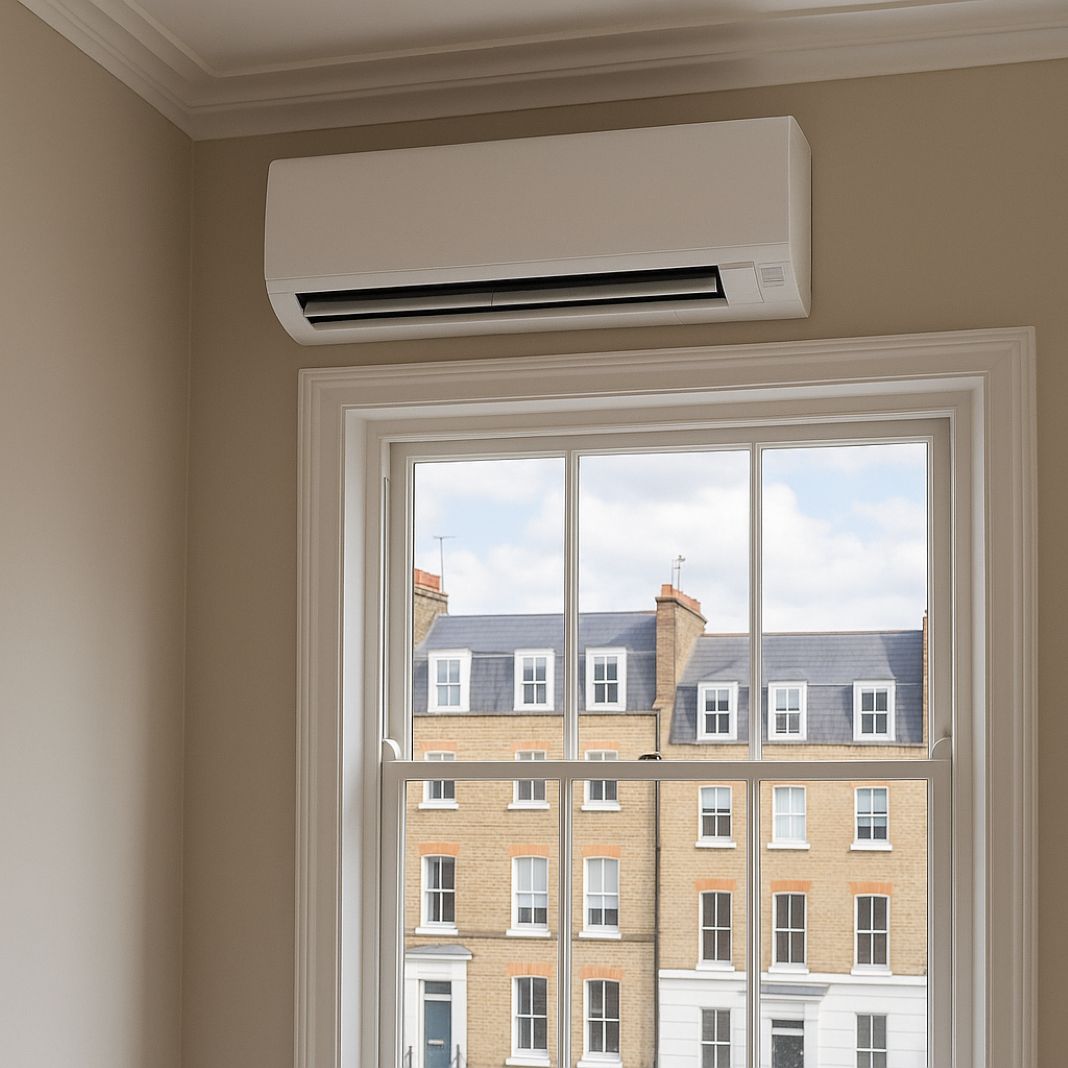
Homeowners in period properties tend to arrive with a different worry, which is that a modern system will look wrong or sound loud in a room they care about. Discreet unit placement and concealed pipework matter as much to them as the efficiency rating does.
Offices and retail units round out the mix. Out-of-hours waste is the most common finding, and it is usually fixed with schedules and a planned maintenance schedule rather than equipment.
Greater London coverage
Areas we cover across London
RightAir Solutions carries out air conditioning upgrades across key districts in central, west, north-west, north and south-west London. Send us the postcode and property type, and we will confirm coverage before arranging a survey.
Check Your Postcode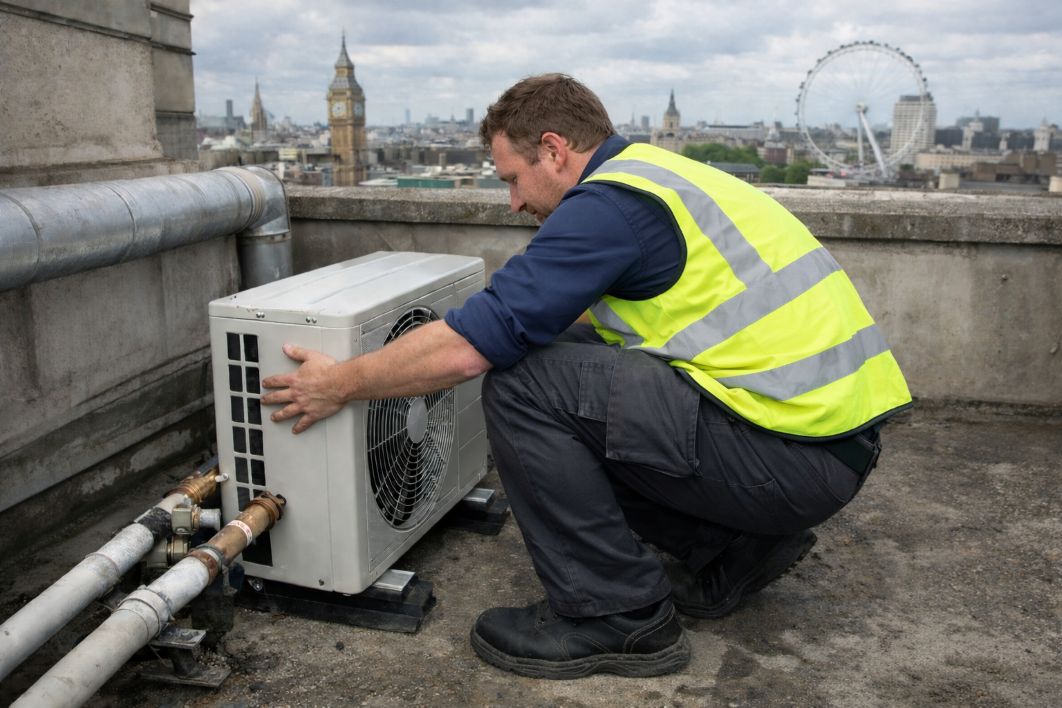
Central London
- Mayfair
- Marylebone
- Fitzrovia
- Soho
- Holborn
- Covent Garden
- Bloomsbury
- Westminster
- Paddington
- Edgware Road
West London
- Kensington
- Chelsea
- Notting Hill
- Ladbroke Grove
- Holland Park
- Hammersmith
- Shepherd's Bush
- Acton
- Park Royal
- Ealing
North West London
- St John's Wood
- Swiss Cottage
- Finchley Road
- West Hampstead
- Golders Green
- Hendon
- Kilburn
- Queens Park
- Cricklewood
North and South West London
- Highgate
- Camden
- Islington
- Clapham
- Wandsworth
- Battersea
