What does the whole-life cost of air conditioning in London actually include?
The whole-life cost of air conditioning includes far more than installation. It covers electricity use, servicing, filter changes, repairs, compliance checks, system controls, layout constraints, and the effect of early design choices on comfort and reliability over the first five years. In London, where buildings vary widely in age, access and insulation, those longer-term costs often shape the real value of a system more than the day-one invoice.
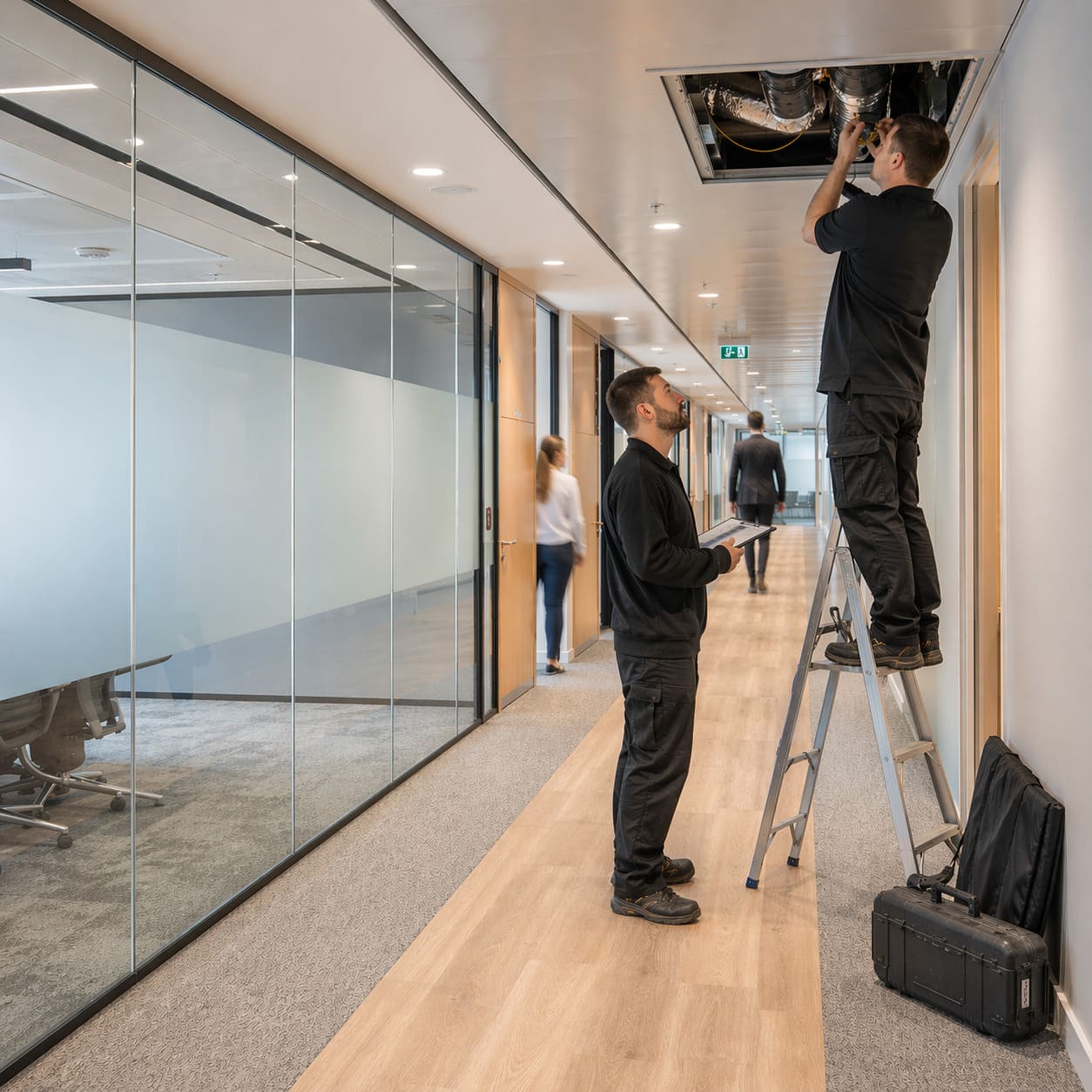
The true meaning of whole-life cost
A new air conditioning system can look straightforward on paper. A unit is specified, it is installed, and the property feels cooler. Yet the lifetime cost of air conditioning starts taking shape long before the first summer heatwave.
Whole-life cost is really a way of asking a better question. Instead of asking what the system costs to buy, it asks what the system costs to own, run and maintain in a real London property. That includes visible expenses and hidden air conditioning expenses that only show up after a few seasons of use.
A compact flat in a newer block will behave very differently from a converted townhouse in Maida Vale or a top-floor period apartment in Hampstead. Insulation levels, glazing, solar gain, outdoor unit placement, and day-to-day occupancy all influence the total cost of ownership.
Upfront and ongoing costs usually break down like this:
- Upfront costs include equipment, installation labour, electrical works, condensate drainage, controls, commissioning, and any building-specific adjustments needed for access or concealment.
- Ongoing costs include aircon running costs, routine servicing, filter replacements, cleaning, refrigerant checks where required, electricity use, and occasional callouts if performance drops.
- Long-term value depends on system compatibility, correct sizing, maintenance schedules, and whether the installation supports manufacturer warranties and relevant Building Regulations (UK).
Cheap-looking installations can become expensive in quieter ways. Poor positioning may create noise issues in bedrooms. Weak coordination with the building fabric can leave pipework exposed or access panels awkward to reach. An oversized system may cycle badly and feel less comfortable, even if it cools the room quickly.
Guidance from bodies such as CIBSE is useful here because it frames building services as part of a wider environment, not as isolated appliances. A system that fits the property well can support comfort, energy efficiency and a stronger EPC outcome, whereas a badly matched one tends to create friction from the start.
Energy consumption realities: what Londoners do not expect
Many owners assume that published efficiency figures will tell them what their bills will look like. Real homes rarely behave so neatly.
Air conditioning electricity use in London often surprises people because the building itself has the final say. A sunny upper floor in a Victorian conversion may gain heat all afternoon. A ground-floor flat with thick walls may stay relatively stable until a humid spell arrives. The rated performance of the equipment matters, yet real-world aircon performance depends just as much on heat loss, glazing, orientation and occupant behaviour.
Consider two similar living rooms with the same wall-mounted unit. One sits behind modern double glazing with decent insulation and blinds that are closed in the hottest part of the day. The other has ageing sash windows, draughts around the frames and direct late-afternoon sun. The second room may need longer run times and lower set points simply to feel similar.
Seasonal performance also changes the picture. During spring or mild summer weather, systems can operate lightly and efficiently. During hotter periods, especially in dense built-up areas affected by the urban heat island effect, units may run harder and for longer.
Advice from Ofgem and the Energy Saving Trust often points people back to a simple truth: energy use follows the building and the way the system is used. Smart thermostats and zoned controls can help, although they are only as sensible as the settings chosen. A unit left to chase very low temperatures in an intermittently occupied room will rarely produce efficient results.
Another detail is often missed. Energy efficiency in London homes can be reduced by habits that feel harmless, such as switching the system fully off and on throughout the day, leaving doors open between conditioned and unconditioned areas, or setting a dramatic temperature target after returning to an overheated room. Small control decisions can have a visible effect on the running costs of air conditioning over a whole season.
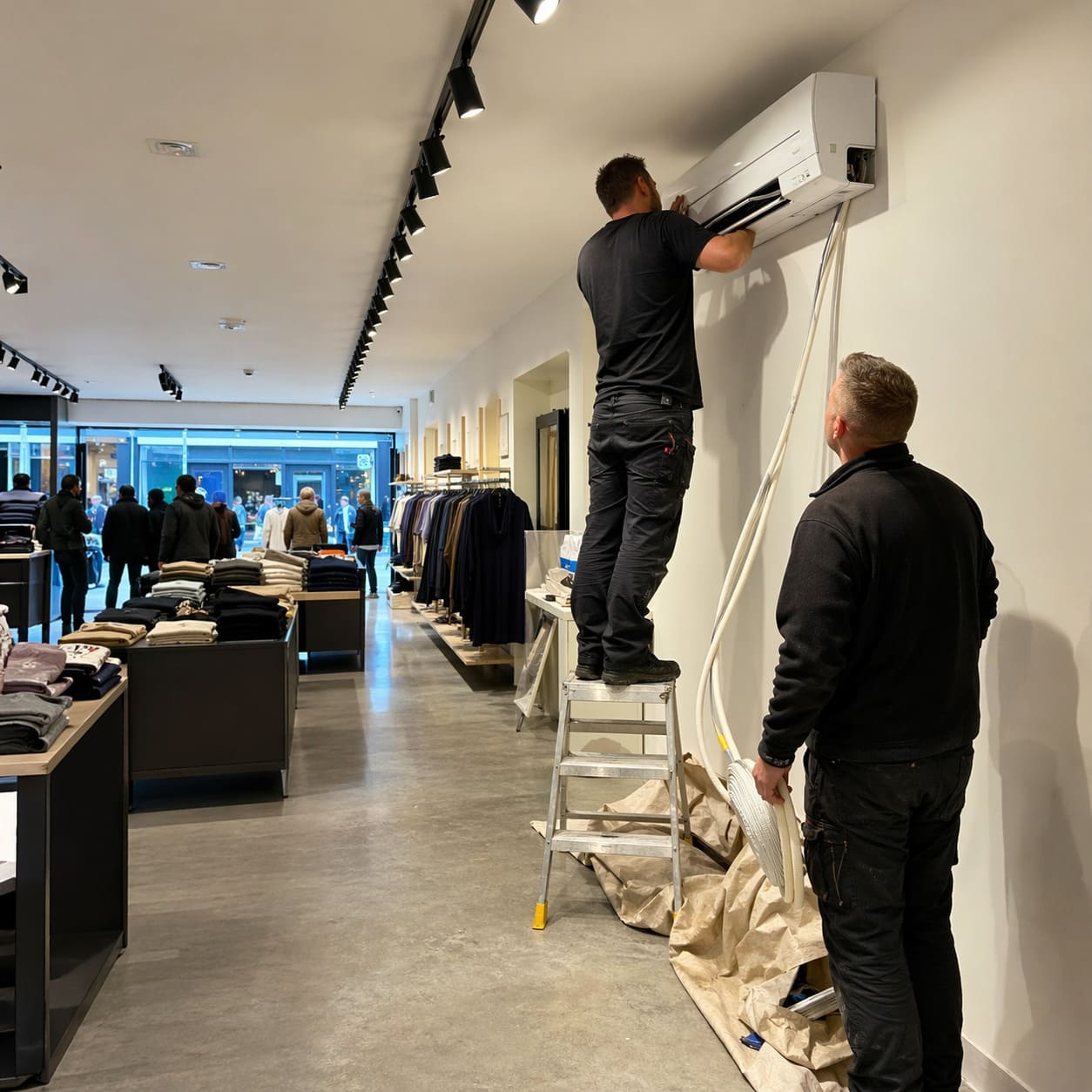
Free consultation on air conditioning, ventilation and refrigeration, tailored to your property.
Book a Free ConsultationMaintenance: the unseen driver of reliability and cost
Maintenance usually gets treated as an afterthought until the airflow weakens or the unit starts sounding different. By that point, the conversation has already shifted from care to inconvenience.
A proper maintenance schedule in the first five years is less dramatic than many expect. Most of it involves simple, repeatable checks that keep the system clean, quiet and efficient, while also supporting manufacturer service intervals and warranty conditions. F-Gas Regulations may also apply, depending on the system and refrigerant charge.
A practical maintenance rhythm often includes:
- Regular filter cleaning or replacement, based on usage and environment.
- Indoor unit cleaning to manage dust, airflow restriction and hygiene.
- Outdoor unit inspection to check condition, debris build-up and airflow around the condenser.
- Refrigerant and performance checks where required.
- Service records that log visits, findings and any parts replaced.
CIBSE maintenance guidance and manufacturer instructions tend to point in the same direction. Planned preventative maintenance is usually calmer and easier to manage than reactive attendance after a fault. In London properties, where access can be awkward and external space limited, that planning matters even more.
Servicing aircon in London also has a practical comfort angle. Dirty filters can reduce airflow in a bedroom and make the unit sound harsher at night. Blocked coils can affect efficiency and temperature control in a home office. A neglected condensate line can turn a small maintenance issue into an unwelcome leak.
For many households, the first sign of poor maintenance is not a complete breakdown. It is a room that takes longer to cool, a system that runs more often, or a low background noise that was not there in year one.
Regularly reviewing service logs in the first three years can help spot patterns that reveal comfort or efficiency issues before they escalate.

Integration and disruption: the cost of getting it right or wrong
An air conditioning installation can be technically functional and still feel wrong in the property. That usually happens when integration is treated as a secondary issue.
In London, hidden installation costs often come from the building rather than the equipment. Pipe runs may need to pass through thick masonry. Condensate drainage may be straightforward in one room and awkward in another. External unit placement may raise questions around sound, visibility, neighbour impact, planning permission or listed building consent.
A poorly integrated job often leaves a trail behind it. Trunking appears where nobody wanted to see it. Service access is squeezed into impossible corners. Noise transfers into a study or bedroom because location was chosen for speed instead of comfort. Once finishes are complete, correcting those choices can be disruptive and expensive.
By contrast, careful planning tends to feel almost invisible when it is done well. British Standards for installation, Building Control requirements and property-specific design thinking all matter, especially in older buildings. RightAir Solutions often works in parts of London where period detailing, restricted access and client expectations make that early coordination especially important.
Retrofitting also changes the experience. A new build may have risers, voids and electrical capacity already considered. A converted terrace may have none of those advantages. In older homes, aesthetic integration and noise management can matter just as much as cooling performance, because the system has to live comfortably with the building rather than sit on top of it.
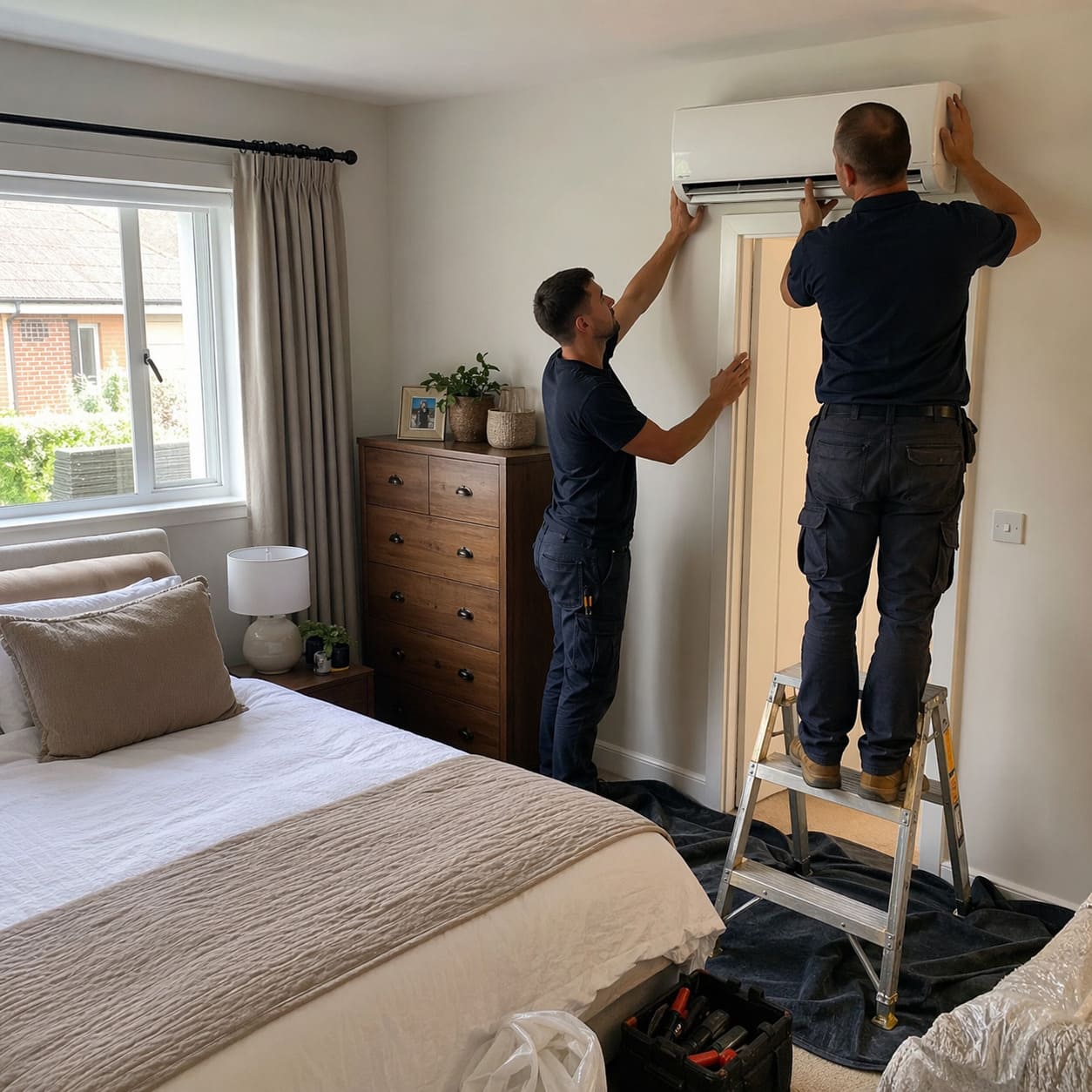
Small changes to control settings, such as evening fan speed or temperature schedules, often deliver noticeable energy savings in London’s varying climate.

The first five years: what actually happens
The first five years of air conditioning are usually less dramatic than people fear, but they are more eventful than many expect. Systems settle into use, occupants refine how they operate them, and small issues either get corrected early or turn into recurring annoyances.
Year one is mostly about bedding-in. Controls take a little getting used to, rooms may need slight temperature adjustments, and owners often learn that comfort calibration is more subtle than simply choosing the lowest possible setting. User manuals tend to matter most in this early phase, particularly for programming timers and modes correctly.
By years two and three, patterns become clearer. A spare room that was expected to need cooling may hardly use the system, while a west-facing reception room may become the real priority in warm weather. Service logs begin to tell a useful story, showing whether filter cleaning, condensate checks or control tweaks are needed more often than first assumed.
Years four and five can reveal the quality of the original planning. A well-specified and properly maintained system often feels settled by then. Aircon performance over time should remain steady, with comfort, sound levels and control response staying familiar. If problems do emerge, they are often signs that something small was left unresolved earlier, such as inconsistent drainage, avoidable dirt build-up, or controls that never really suited the household routine.
Some early issues are normal. A minor adjustment to louvre direction, a timer reset after a power interruption, or a follow-up visit to refine settings does not usually signal a more detailed fault. Accredited installers and manufacturer support teams commonly deal with these points as part of normal aftercare for air conditioning.
A more telling sign is repetition. If the same room always struggles, if the same noise keeps returning, or if one unit regularly behaves differently from the rest, the problem deserves proper attention before warranty periods move on.
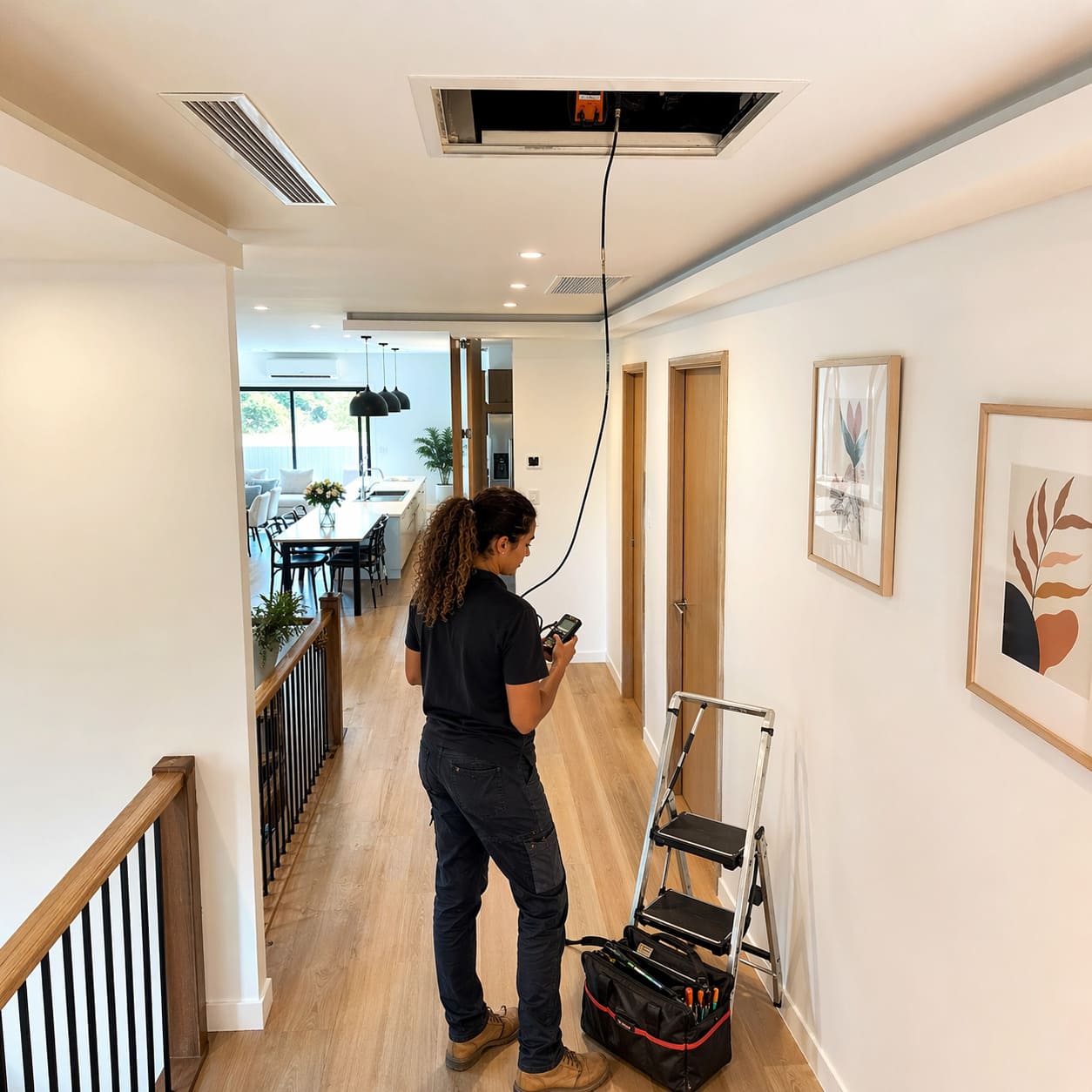
The overlooked impact of London’s unique property landscape
Generic advice on air conditioning often falls short in London because London buildings are so inconsistent. Two streets in the same neighbourhood can present completely different installation and performance conditions.
A mansion block flat may have strict rules on external appearance. A mews house may offer little space for plant positioning. A listed property may involve consent issues that affect timing and design choices. Local planning authorities, Historic England guidance and Building Control can all shape what is possible, even before installation starts.
Several London-specific factors influence the long-term air conditioning costs:
- Property age and fabric, including insulation gaps, original windows and irregular room proportions.
- Access logistics, such as narrow staircases, restricted rear access and limited routes for pipework.
- Local heat conditions, including dense urban surroundings and top-floor solar gain.
Microclimate matters more than many realise. Streets with limited tree cover and lots of masonry can hold heat into the evening. Upper-storey rooms under roof slopes may remain warm long after sunset. Those conditions affect comfort expectations, run times and equipment choice.
Bespoke aircon solutions are therefore less about luxury and more about fit. A system suited to one London home can be awkward, noisy or inefficient in another. That is one reason specialist firms, including RightAir Solutions, tend to spend time on layout, routing and control logic instead of treating every installation as a repeat job.
Clear pricing, realistic timelines and honest advice from an experienced London installer.
Request a QuoteLooking forward: rethinking value and comfort in the first five years
The first five years should not be viewed as a waiting period before problems appear. They are the years in which the real value of the system becomes visible.
Comfort optimisation often comes from small refinements. A revised schedule for sleeping areas, a better fan setting for evening use, or energy monitoring tools that reveal when units are running unnecessarily can improve both comfort and efficiency. Smart home platforms can support that process if they are set up with restraint and used consistently.
Set-and-forget thinking rarely works especially well with air conditioning. Household routines change, room use shifts, and London weather patterns can be unpredictable. Reviewing air conditioning performance from time to time is simply part of owning a building service that responds to people, fabric and seasons.
CIBSE comfort guidance points attention back to the lived experience of the room. Good air conditioning should feel stable, quiet and proportionate to the space. Over the long term, that sense of ease often says more about value than the installation price ever did.
