
RightAir Solutions is a company that specialises in commercial air conditioning services.

Who is legally responsible for an outdoor AC unit on a leasehold property?

Ownership and responsibility for an outdoor AC unit in a leasehold property depend on the exact wording of the lease. Generally, leaseholders own the interior of their flats, but anything attached to external walls typically falls under freeholder control or shared communal space. The lease is the definitive guide.

Table of Contents

Understand the Basics of Leasehold Property Ownership

In the UK, owning a flat on a leasehold basis means you hold the right to occupy the space for a set number of years, but you do not own the structure of the building. The freeholder retains ownership of the building’s external envelope, shared areas, and structural elements.

A helpful distinction is to think of leaseholders owning the inside of the flat, such as floors, ceilings, and internal walls, while the freeholder owns the outside, and roofs, façades, and communal hallways.

Typically:

  • Leaseholder Responsibilities: Internal fixtures and fittings, non-structural walls, wiring, plumbing inside the flat.
  • Freeholder Responsibilities: External walls, roofs, communal areas, structural supports, shared systems.

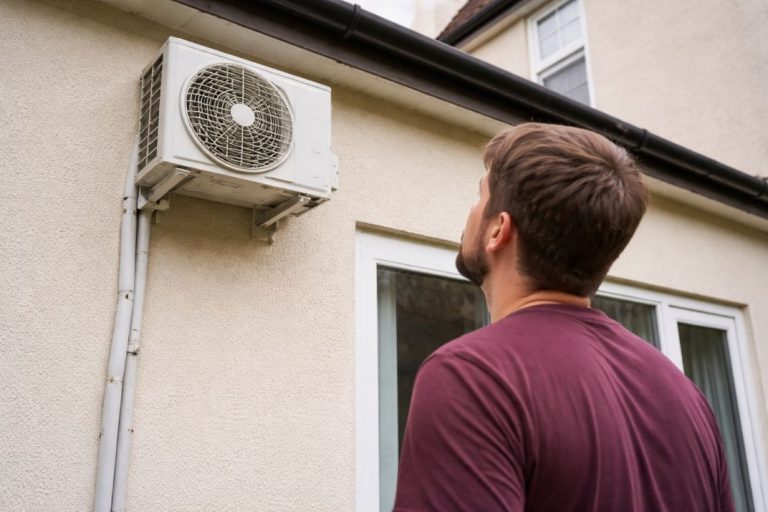
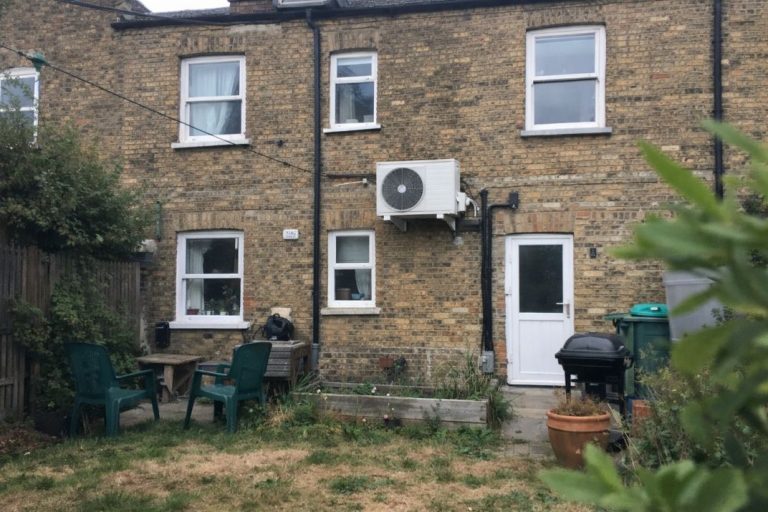
External installations, such as air conditioning condenser units fixed to outside walls or rooftops, generally lie outside of the leaseholder’s demised premises. This means they may need permission even to be installed and are rarely considered the leaseholder’s private property by default.

The Land Registry record confirms ownership type, but it is the lease document that defines use and responsibility in detail.

Pro Tip: Always ask your managing agent for written confirmation before beginning any installation, even if you believe permission has been granted previously.

What the Lease Actually Says About External Installations

Everything hinges on the lease. The few paragraphs that define alterations, demised premises, and external rights carry considerable weight.

Most lease agreements either restrict or require permission for structural or external changes. Outdoor AC systems typically fall under clauses referring to external additions, alterations, or fixtures. Whether they are wall-mounted or placed on flat roofs, they are usually not considered a part of internal space.

Key terms to look for in your lease include:

  • “Licence to alter”: A formal process by which the leaseholder can request permission for works.
  • “Additions or alterations” clauses: Often require landlord or managing agent approval.
  • “Building envelope” references: Indicate that external walls or roofs remain under the freeholder’s domain.

Some leases provide broad freedom for internal works but prohibit any external changes altogether. Others allow installations with consent but impose conditions such as aesthetic approval, noise limits, and professional installation standards.

Before proceeding with any outdoor AC unit, ask the managing agent for specific guidance and a reading of the relevant lease clauses. Avoid relying on informal assurances from previous owners, contractors, or neighbours, which can be unreliable or out of date.

Speak to a Leasehold AC Specialist

Unsure about installing AC in your leasehold flat? Our team can review your lease and provide tailored advice.

Who Is Responsible for Maintenance and Repairs?

Even if permission is granted and the leaseholder pays for the installation, that does not always mean they are responsible for every element of upkeep. Responsibility for repair or replacement will depend on the system design, access points, and agreements on file.

For example, if your unit develops a refrigerant leak and is mounted to the building’s exterior, a question may arise over access for technicians. If that exterior falls within communal space, access may need to be coordinated with the managing agent. Service charges might not cover this, especially if the AC system is deemed a private addition.

There may also be tension around failure points. Noise disturbances or water leaks, while mechanical in origin, can result in complaints to the freeholder. In some cases, leaseholders can be required to remove systems at their own cost if they are found to breach terms or create nuisance.

Understand who handles:

  • Repairs due to wear and tear
  • Access issues for servicing
  • Damage to external finishes during maintenance

These details are rarely explicit in leases and are often negotiated case by case. Some managing agents require leaseholders to insure and service the AC unit as a condition of permission.

Permissions, Planning, and Building Regulations

Once the lease terms are clear, other permissions may come into play. Installing or modifying an outdoor air conditioning unit often touches multiple layers of oversight. These include:

  1. Freeholder Consent This is the starting point. Without it, no installation should proceed, regardless of other factors.
  2. Managing Agent Coordination Even with landlord consent, the managing agent may impose further conditions, particularly around timing, installation method, and contractor credentials.
  3. Planning Permission In conservation areas or for listed buildings, outdoor units often require formal planning consent. This includes considering visual impact, placement visibility, and potential effects on heritage fabric.
  4. Building Regulations AC systems must comply with current standards. Building Regulations Part F (ventilation) and Part L (energy performance) are particularly relevant. Acoustic limits and safe condensate drainage also fall under compliance.
  5. Party Wall Considerations In buildings where installation affects a party wall, additional consent under the Party Wall Act may be necessary.

A verbal “go-ahead” will not protect against future enforcement. Physical approval letters and documented consents should be obtained and retained.

Pro Tip: If your system is shared with other flats, confirm in writing who is responsible for maintenance and access rights to avoid future disputes.

When the Outdoor Unit Serves Multiple Flats

Some London buildings, particularly converted houses or small mansion blocks, operate communal HVAC systems where one outdoor unit supports multiple flats. Multi-split or variable refrigerant flow (VRF) systems are increasingly found in premium residential settings.

In such cases:

  • The unit is typically owned and maintained by the freeholder or collectively by leaseholders.
  • Service charges may cover maintenance, but coordination is required among occupants.
  • Access for repairs must be agreed in advance, particularly for rooftop or courtyarded equipment.
  • Repairs or upgrades require consensus, especially if ageing systems disrupt performance.

If you are uncertain whether your unit is part of a shared system, the managing agent or your lease should confirm. Shared services come with the convenience of collective maintenance but also a layer of challenge when faults or disputes arise.

What Happens If the Unit Was Installed Without Permission?

Occasionally, leaseholders inherit a property where an outdoor AC unit has already been installed, but its status is unclear. In other cases, units are fitted during periods of light management or as unauthorised additions.

Possible risks include:

  • Enforcement Notices: Managing agents may request removal at the leaseholder’s cost.
  • Retrospective Permission: It may be possible to regularise the unit, subject to technical reviews and necessary paperwork.
  • Planning Contraventions: Local authorities can issue fixed penalties or demand reversal if planning breaches occur.
  • Valuation Issues: Non-compliant units can complicate sales, renegotiation of leases, or mortgage approvals.

The best course of action is typically to:

  1. Identify the relevant date and contractor if possible.
  2. Request a file search from your managing agent for permissions.
  3. Engage a planning consultant or solicitor if permission is missing.
  4. Be ready for removal or replacement conditions if retrospective approval is denied.

Each case is assessed individually, and long-standing installations may benefit from a history of peaceable use. That said, an old unit is not necessarily a compliant one.

Get a Compliance-Friendly AC Quote

We design low-profile AC systems that meet lease and planning requirements across London properties.

How RightAir Solutions Approaches Installations in Leasehold Properties

Firms experienced with London’s residential buildings, such as RightAir Solutions, tend to begin projects by reviewing lease terms, planning constraints, and site-specific limitations before advising on equipment placement.

When working on leasehold properties, their approach typically includes:

  • Reviewing lease documents and building permissions prior to any technical design.
  • Selecting unit types that minimise visual and acoustic impact.
  • Coordinating permission applications or supporting documentation for landlords and managing agents.
  • Designing for long-term service access, immediate function.
  • Using conduit and bracket systems that protect building fabric and respect external finishes.

Discreet, low-profile installations have become a hallmark of quality practice, particularly in heritage areas or when aesthetics must blend with older architecture.

Professional installers working with care and foresight help leaseholders secure comfort without compromising compliance. The process requires more planning than a standard installation, but the outcome is more strong and less likely to attract disputes or enforcement later.

Arrange a Site Assessment

Planning an AC upgrade in a leasehold building? Book an expert site visit to assess feasibility and permissions.

Share

Read Similar Blogs

RightAir Solutions

32 Donnington Rd, London NW10 3QU
 
020 3886 2326
 
GQRC+JX London