Is one multi-split system cheaper to run than separate air conditioning units in each room?
Sometimes yes, but not always. Running costs depend less on the label of the system and more on how the property is laid out, how often each room is used, whether the equipment is correctly sized, and how well the controls are set up. A multi-split air conditioning system can be efficient in some homes and offices, yet separate units can make more sense where rooms are used very differently or at different times.
Picture a London flat with a sitting room, two bedrooms, and a small study. One approach uses several indoor units linked to a single outdoor unit. The other uses separate single split systems, with each room paired to its own outdoor unit. Both can deliver room-by-room cooling, but they do it in different ways.
A multi-split system connects multiple indoor units to one outdoor unit. Separate air conditioning units usually mean each indoor unit has its own outdoor unit. That single difference affects installation pathways, exterior space, control options, servicing, and how the system fits into the building.
The basic distinction
- Multi-split air conditioning: several indoor units, one outdoor unit, shared refrigerant network
- Single split system: one indoor unit, one outdoor unit
- Separate air conditioning units: multiple single split systems installed independently in different rooms
Older London houses, mansion flats, mews properties, and compact offices often bring extra constraints. External wall space may be limited. Access routes may be awkward. Building Regulations and property management rules can also shape what is practical.
A common misunderstanding is that a multi-split system is always more complex in a way that makes it unsuitable for smaller properties. Another is that separate units always mean a messier installation. In reality, either arrangement can work well if the installation pathways, indoor unit positions, and outdoor unit location are thought through properly. Visual impact and noise also matter in lived spaces, especially where bedrooms face courtyards or neighbouring windows sit close by.
Table of Contents
Installation costs: what really changes the scope
Upfront installation is often where the clearest differences appear. A multi-split vs single split installation is rarely a simple like-for-like comparison because the structure of the system changes the labour, routing, and planning involved.
In a multi-split arrangement, one outdoor unit can reduce the number of external condensers on the building. That can help on properties where exterior appearance matters or where available wall or roof space is tight. At the same time, the refrigerant lines to several indoor units may need more careful routing through ceilings, cupboards, service voids, or behind joinery.
Separate units can be more straightforward where each room backs onto an external wall and the pipe runs are short. Installation can become more involved if several outdoor units need to be placed discreetly, mounted safely, and kept within building or management requirements.
The main factors affecting air conditioning installation cost include:
- Property age and wall construction
- Distance between indoor units and outdoor units
- Access for equipment, ladders, or scaffold
- Number of wall penetrations required
- External appearance and planning limitations
- Ceiling voids, boxing, and route concealment
- Electrical capacity and control wiring needs
A period conversion in West London offers a good example. Bedrooms at the front may be far from the only practical outdoor unit position at the rear. A multi-split may reduce the visual effect outside, yet longer line runs and more internal routing could make the fitting more involved. In a modern apartment with a balcony and direct access to each room, separate systems may install with less disruption.
Careful design matters here. Firms such as RightAir Solutions often approach London AC installation by looking at access, finish quality, and property constraints before choosing system type, which means that the neatest answer on paper is not always the one that works best on site.
Pro Tip: Compare the daily routines and occupancy patterns in your home before deciding which system type matches your actual usage.
Running costs and energy efficiency
The cost to run AC depends on use, control, and sizing more than on a simple system label. Energy efficiency in AC systems is strongest when the equipment matches the real cooling load and avoids waste.
With a multi-split system, several rooms can be served from one outdoor unit, and modern inverter technology can adjust output to match demand. That can work well if the rooms are occupied in a broadly predictable pattern and the system is sized for part-load operation as well as peak summer conditions.
Separate single split systems give each room its own independent refrigeration circuit. If one bedroom is used only at night and the study is used only during the day, separate units may let the occupier run exactly what is needed and leave the rest switched off. That level of separation can be useful in homes where occupancy changes room by room.
Efficiency also depends on how people actually live.
A large open-plan reception room that needs steady cooling through warm afternoons may suit one approach. By contrast, a house with spare bedrooms, a loft office, and irregular schedules may favour another. Smart thermostats, timers, and zoning controls can improve both types of AC systems, but good settings still matter. A highly efficient unit used carelessly can still produce high energy bills.
Another point is seasonal efficiency. Air conditioning systems rarely run at full output all the time, so part-load behaviour matters. A well-designed multi-split can perform very well under these conditions. A group of separate units can also do well if only one or two spaces need cooling on most days. The deciding factor is often whether the chosen layout reflects actual occupancy, not idealised occupancy.
Readers looking at EPC implications or overall household energy use should think in practical terms: how many rooms need cooling at once, how long they need it, and whether controls allow those rooms to be managed accurately. Those everyday habits shape the running cost more than broad assumptions.
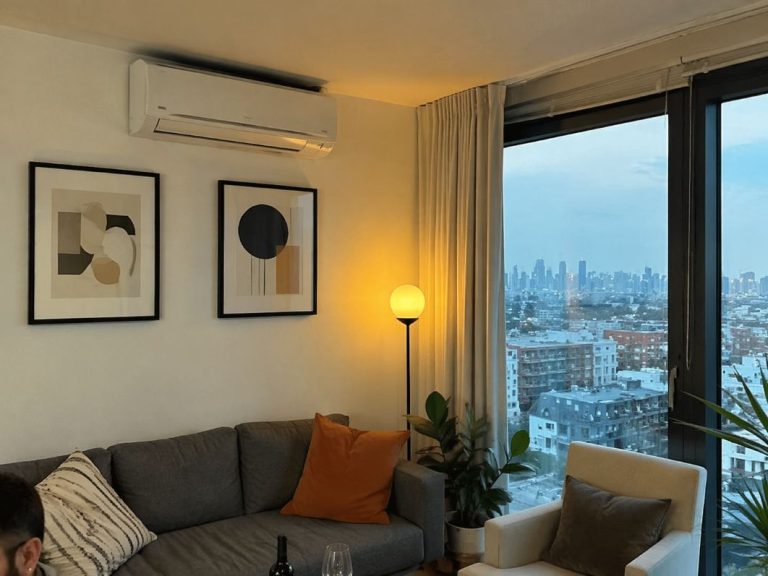
Book a Free Property Assessment
Receive clear, tailored advice on the best air conditioning system for your space from experienced professionals.
Maintenance and longevity considerations
Air conditioning is not a set-and-forget system. Filters need cleaning, components need checking, and refrigerant circuits must be looked after in line with normal HVAC maintenance standards and F-Gas regulations where applicable.
A multi-split system has fewer outdoor units overall, which can simplify exterior cleaning and reduce the number of external components exposed to weather. Even so, one outdoor unit is serving several indoor units, so diagnosis and servicing can involve a more interconnected system.
Separate units spread the equipment across multiple independent systems. If one unit develops a fault, the others may continue working normally. On the other hand, there are more outdoor units to inspect, more separate circuits to service, and potentially more individual components to age at different rates.
Typical maintenance tasks include:
- Cleaning or replacing filters
- Checking refrigerant condition and pressures where needed
- Inspecting condensate drainage
- Testing controls and temperature response
- Cleaning coils and checking airflow
- Reviewing overall system performance before peak season
Lifespan is shaped by installation quality, frequency of use, exposure to weather, and how regularly the system is serviced. Poor pipe routing, blocked drains, or neglected filters can shorten the life of either arrangement. Well-installed equipment with sensible preventative maintenance often lasts much better than neglected equipment of any type.
RightAir Solutions and similar providers tend to frame servicing as part of the whole lifecycle rather than a separate afterthought, and that view is sensible. A system that was easy to install but awkward to access for cleaning may become less attractive after a few summers of real use.
Pro Tip: During installation planning, check local regulations and property management rules to avoid costly placement issues with outdoor units.
Control, flexibility, and comfort
Daily comfort often decides whether owners feel happy with their system. Cost matters, but so does how the cooling behaves at 10 pm in a bedroom, during a home working day, or across rooms with very different sun exposure.
A multi-split does not mean every room must run at once. Most systems allow individual indoor units to be controlled separately, so one person can cool the main bedroom while another leaves the guest room off. That misconception often leads people to dismiss multi-split options too early.
Separate units offer clear independence. Each room has its own controls, operating pattern, and response. In a household where family members keep very different routines, that can feel simple and intuitive. In a small office, one meeting room can be cooled for an hour without affecting private rooms elsewhere.
Comfort also depends on the quality of control interfaces. Scheduling, remote access, sleep settings, and accurate temperature sensing can all improve the lived experience. A room that overheats in late afternoon sun may need a different schedule from a shaded north-facing study. Flexible cooling comes from matching controls to routines, not just from adding more hardware.
Once occupancy changes over time, the balance can shift. A nursery becomes a study, a spare room becomes a regular bedroom, or a treatment room in a small business starts seeing longer appointments. Systems with sensible zoning and clear controls tend to adapt more gracefully to those shifts.
Space, noise, and aesthetic impact
Air conditioning always takes up some physical and visual space. The question is where that impact lands, indoors and outdoors.
One multi-split system usually needs only one outdoor condenser. That can be helpful on terraces, balconies, side returns, or rear elevations where room is limited. Separate systems need more outdoor units, which may create placement issues in tight properties or buildings with appearance restrictions.
Inside the property, both arrangements still require indoor units unless a concealed ducted design is being used. Wall-mounted units remain visible, and pipe routes still need to reach them. Claims of complete invisibility rarely survive contact with a real building.
Noise deserves equal attention. Fewer outdoor units can simplify acoustic planning, especially in compact gardens or enclosed courtyards where sound may carry. Yet the sound profile of any system depends on placement, mounting quality, operating load, and how close the unit sits to bedrooms, neighbours, or quiet work areas.
Three practical points usually matter most:
- Outdoor unit location affects both appearance and sound
- Longer or awkward pipe runs may limit where indoor units can sit neatly
- Heritage or managed buildings may restrict visible external equipment
Consider a converted Victorian house divided into flats. A single outdoor unit tucked into an approved position may be easier to accommodate than several separate condensers fixed across the rear elevation. In a detached office annex with open external space, separate units may be easier to place without much visual compromise. London planning guidance, lease conditions, and property management requirements can all influence what feels acceptable long before the first hole is drilled.
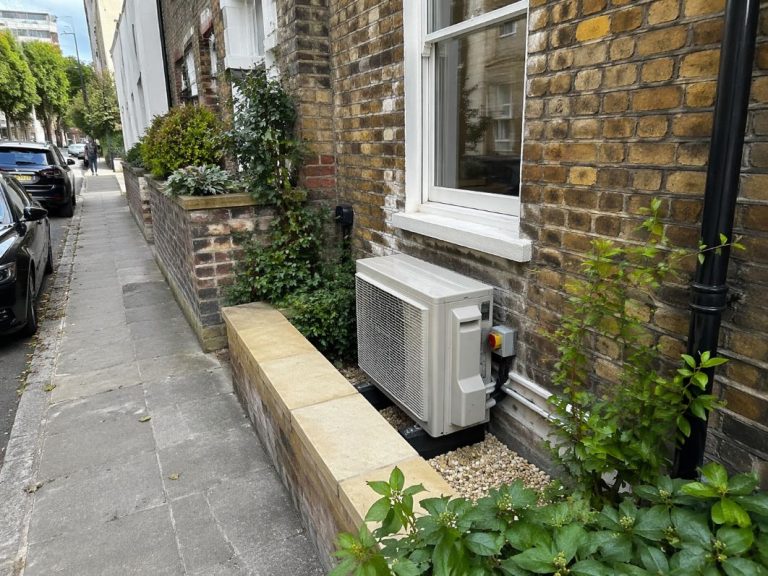
Get a Personalised Installation Quote
Request an accurate, no-obligation quote based on your property's layout and cooling needs.
Making the right choice for your property
Context matters more than labels. Choosing AC system types for London homes or offices means balancing the building, the users, and the likely pattern of use over time.
A practical way to think about multi-split or single split options is to weigh these points together:
- How many rooms genuinely need cooling
- Whether those rooms are used at the same time
- How much external space is available for outdoor units
- How difficult the pipe routes will be
- Whether appearance and noise are major concerns
- How much independent control each room needs
- What servicing access will look like in real life
A compact flat with limited outdoor space and several regularly used rooms may lean naturally toward a multi-split air conditioning layout. A house with scattered occupancy, easy external access, and rooms that are rarely used together may suit separate air conditioning units. Neither answer is universally right, and both can be poor choices if the design ignores the building itself.
Property assessment also matters because assumptions are often wrong. A room that seems simple may have no sensible drain route. An outdoor wall that looks ideal may be restricted by neighbours, lease terms, or acoustic concerns. Bespoke system design starts with those constraints and works forward from them.
Beyond cost: looking at value over time
Cheaper to run is a useful question, but it is only one question. Total cost of ownership also includes installation challenge, comfort, maintenance access, reliability, and how well the system fits the property without visual or acoustic compromise.
Some owners will value one outdoor unit because the building gives them little exterior flexibility. Others will value the independence of separate systems because their rooms are occupied unpredictably and they want simple, self-contained control. In both cases, the stronger outcome usually comes from matching the system to the building and the people using it.
Viewed over several years, the best choice is often the one that feels least troublesome in daily life. A system that cools the right rooms, stays reasonably quiet, can be serviced properly, and sits comfortably within the property tends to justify itself far better than one chosen on a narrow cost assumption alone.
Speak With an AC Specialist
Discuss your requirements with an expert who understands London properties and system design.
Read Similar Blogs
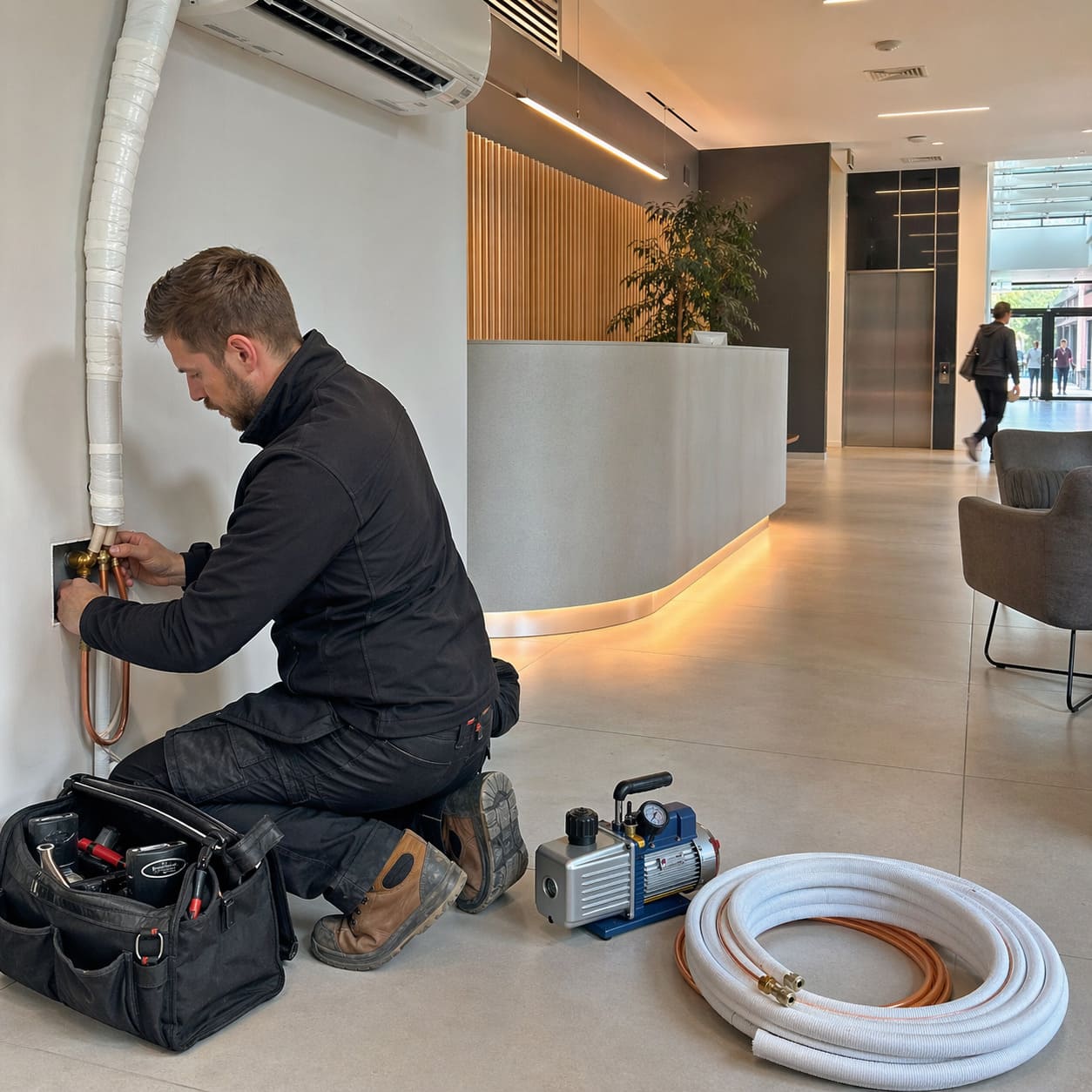
Air conditioning in a conservation area: what you can and can’t do without approval
Learn how to install air conditioning in a conservation area, when approval is needed, and practical steps for planning compliant, discreet solutions.
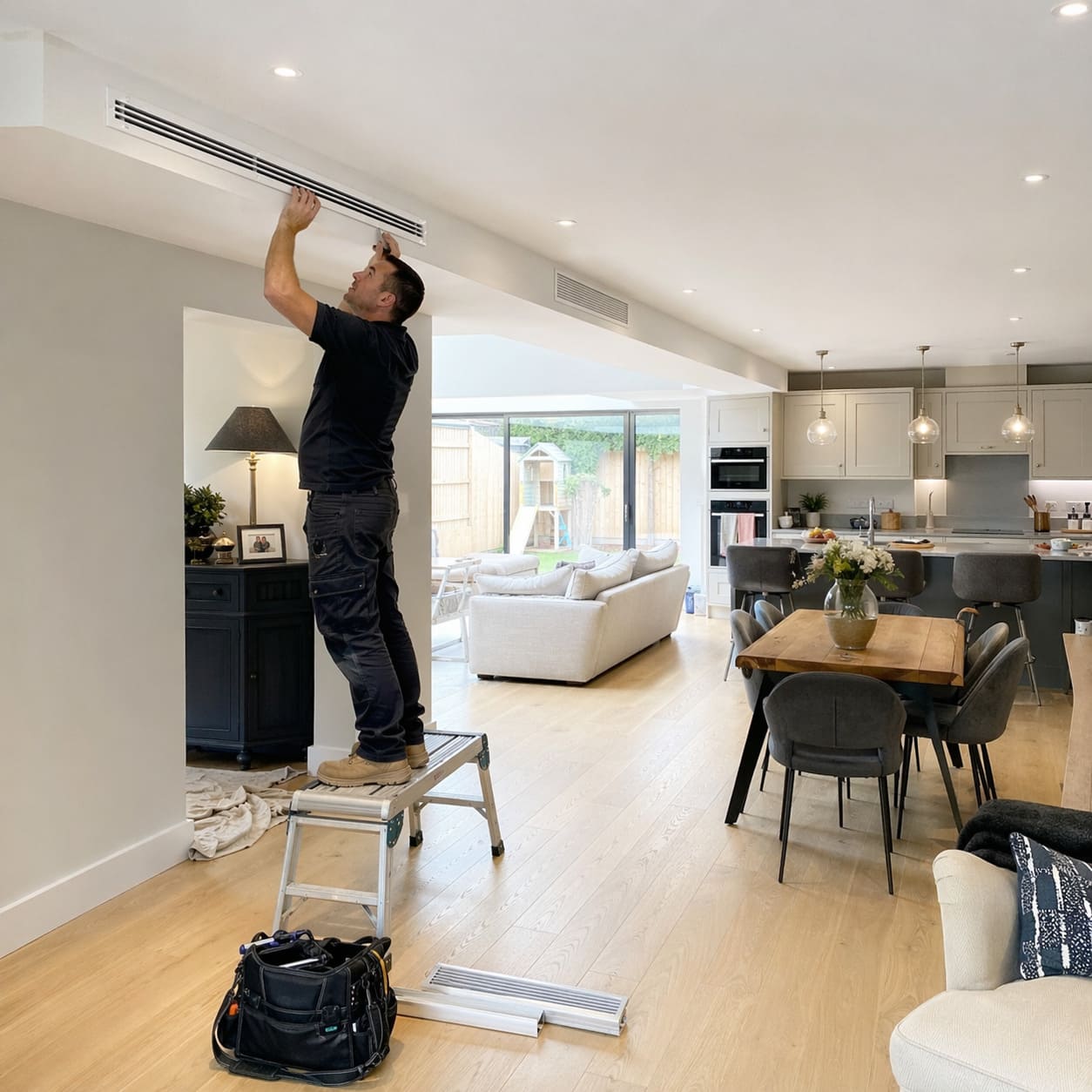
Whole-life cost of air conditioning in London: what nobody tells you about the first five years
Discover the real five-year costs of air conditioning in London, from installation to maintenance, energy bills, and comfort tips unique to local properties.
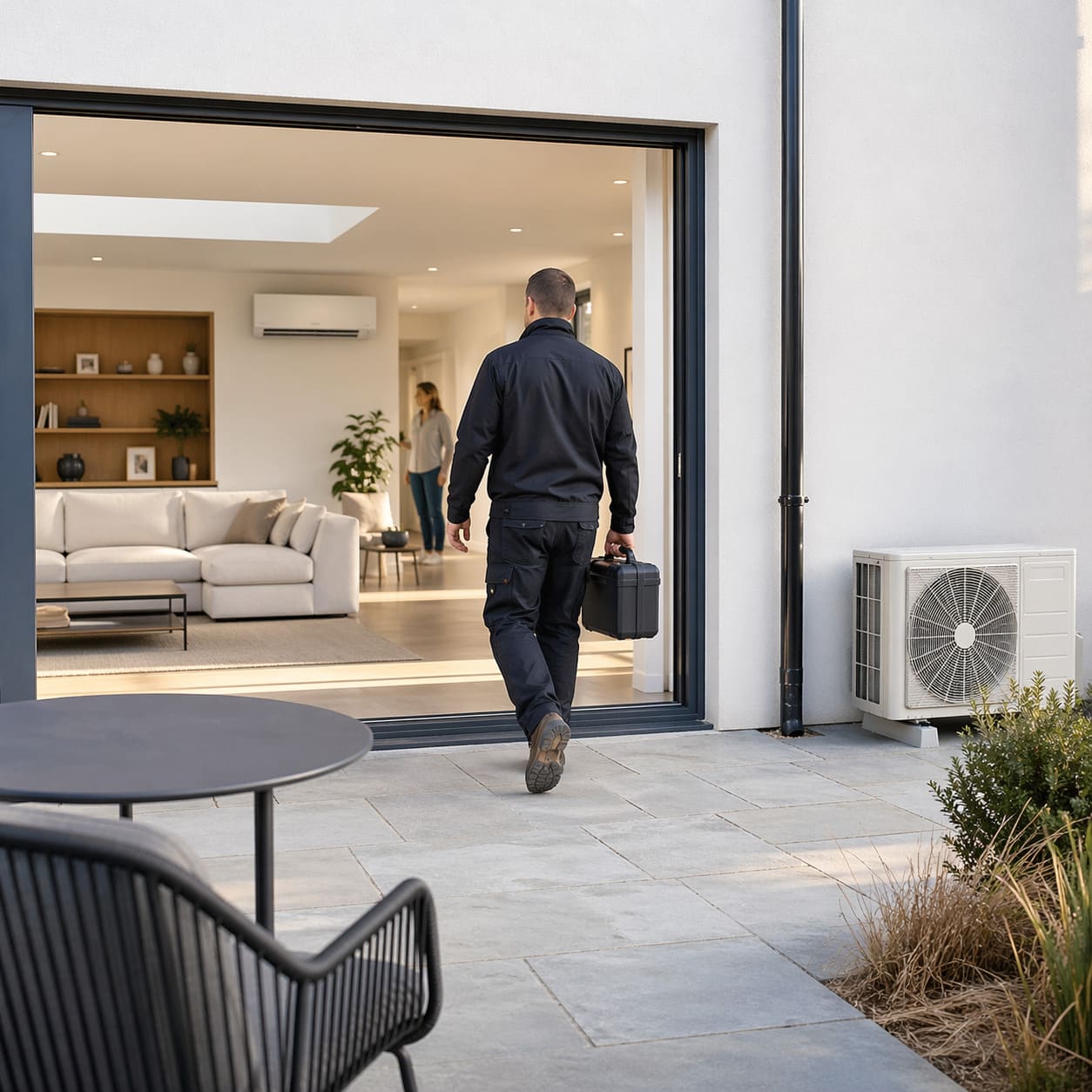
Get your air conditioning ready for summer with this practical pre-season checklist. Avoid breakdowns and enjoy reliable cooling even on the hottest days.

RightAir Solutions