Why do south-facing rooms in London overheat, and which cooling options actually work?
South-facing rooms receive strong daylight for much of the day, which increases solar gain through glazing, warms surfaces, and pushes indoor temperatures up long after the sun has moved. In London homes and flats, the most reliable answer is usually a properly sized fixed air conditioning system, supported by shading, sensible controls, and a layout that suits the building rather than a one-size-fits-all unit.
Table of Contents
Understanding the challenge of south-facing rooms in London
A south-facing room can feel pleasant in spring and tiring by mid-summer. Sunlight streams through glass, floors and walls store heat, and the room often stays warm well into the evening.
In London, that effect is shaped by the building itself. A Victorian terrace with large sash windows behaves differently from a newer flat with full-height glazing, yet both can suffer from overheating when afternoon sun combines with limited airflow. Many people still assume UK summers are too mild for serious cooling, but a bright top-floor bedroom or home office can tell a different story.
Several factors usually sit behind south-facing room heat:
- Solar gain through windows, especially where glazing is large or unshaded
- Thermal mass in brick, plaster, and flooring, which holds warmth after sunset
- Insulation and airtightness, which can keep winter heat in but also trap summer heat
- Restricted ventilation, particularly on noisy roads or in flats where windows cannot stay open comfortably
Traditional ventilation often helps only up to a point. Opening windows may bring in warm outside air, traffic noise, pollen, and security concerns. Fans can improve comfort on the skin, but they do not lower the room temperature itself.
Room orientation matters more than many people expect. CIBSE guidance and current concern around overheating in homes both point to the same issue: sun exposure, glazing, and internal heat gains all need to be considered together. A room that faces south, contains electronics, and has little external shading asks far more of a cooling system than a shaded north-facing room of the same size.
Pro Tip: Keep a simple logbook of all service visits and maintenance checks for your air conditioning system so you stay compliant and spot recurring issues early.
What works: effective air conditioning solutions for south-facing spaces
For sunny rooms, good cooling starts with matching the system to the heat load, the room use, and the shape of the property. A fixed system with proper design usually performs far better than a temporary workaround.
Split systems are often a strong fit for a single overheated bedroom, living room, or study. They can cool steadily, run quietly when selected well, and suit many London homes where wall-mounted indoor units are acceptable.
Multi-split systems make sense when several rooms overheat at different times of day. One outdoor unit can serve more than one indoor unit, which may reduce visual clutter outside and allow zoning indoors. That matters in homes where a south-facing front room bakes in the afternoon but the rear bedroom stays cooler.
Ducted or concealed systems can be worth considering in larger refurbishments or high-spec period properties where visible wall units would feel intrusive. These setups need more planning space, including routes for ducting and condensate drainage, but the visual result can be much calmer.
A few features tend to matter more than headline marketing terms:
- Accurate system capacity so the unit can cope with solar gain without short cycling
- Inverter operation for steadier temperature control and quieter running
- Zoning and smart controls so rooms are cooled according to use, occupancy, and time of day
- Thoughtful unit placement to avoid draughts, hot spots, and awkward airflow patterns
Placement is easy to underestimate. A unit set above a desk in a south-facing office may cool the air well but create discomfort if the airflow blows directly onto the occupant for hours. In a bedroom, low noise levels and air distribution usually matter just as much as raw cooling output.
London properties also reward careful integration. Pipe routes, outdoor unit position, neighbour considerations, and access for maintenance all influence whether a system feels settled into the building or added on as an afterthought. In practice, the strongest results usually come from a lifecycle view of design, installation, and upkeep, which is the approach often associated with firms such as RightAir Solutions.
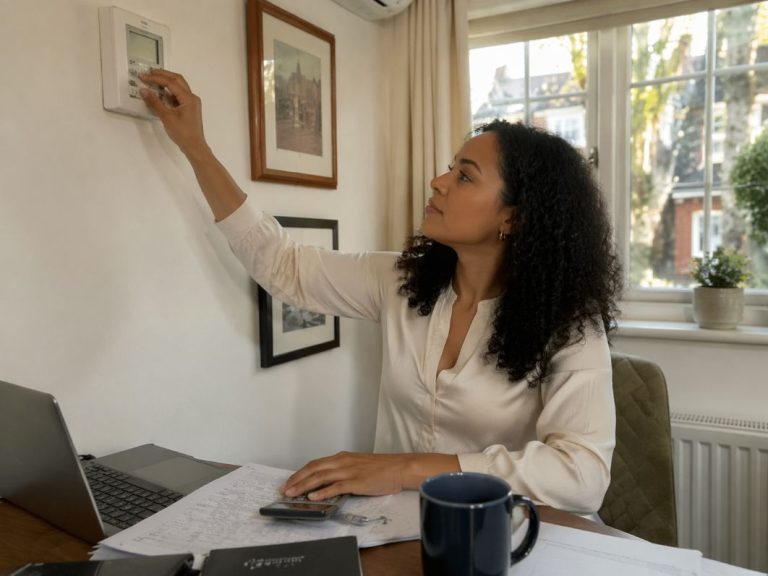
Book a Tailored Cooling Consultation
Explore bespoke air conditioning solutions for your London property. Receive expert guidance on system selection, design, and installation.
What to avoid: common pitfalls and ineffective approaches
Many disappointing outcomes start with a reasonable idea that was applied in the wrong way. South-facing rooms are demanding, so weak decisions show up quickly.
- Choosing an undersized unit A small system may run constantly on hot days without ever bringing the room to a stable temperature. Occupants then turn the setting lower and lower, which does not solve the underlying mismatch.
- Relying too heavily on portable units Portable air conditioners can have a place as a temporary measure, but they are often noisier, less efficient in use, and less comfortable over long periods. A hose through a partly open window can also undermine the cooling effect by allowing warm air back in.
- Ignoring placement An indoor unit in the wrong spot can create cold blasts in one area and leave the sunniest part of the room lagging behind. Poor outdoor placement can also create avoidable noise issues or awkward visual impact.
- Treating aesthetics as a late-stage issue A neatly decorated room can be compromised by visible trunking, poor routing, or an outdoor unit positioned without regard for sightlines. In period homes, that mistake is hard to ignore once the work is finished.
- Using unqualified installation routes Air conditioning work must align with relevant rules, including F-Gas requirements where applicable, and some properties may involve Building Control or planning considerations. DIY or informal fitting can create compliance issues alongside practical faults such as leaks, condensation, or drainage failures.
- Forgetting maintenance from the outset A system needs access for cleaning, servicing, and checks. If the design leaves no sensible maintenance route, the room may end up with a unit that is awkward to look after and expensive to put right later.
One common example is the sunny loft conversion where a portable unit seems fine in early summer, then struggles during a still, hot spell because the room gains heat faster than the machine can remove it. The result is noise, poor sleep, and very little real cooling.
Pro Tip: When planning an installation, involve both your air conditioning contractor and any required building professionals at the outset to avoid later complications with permissions or design.
Integrating air conditioning smoothly into London properties
In London, effective cooling has to live comfortably with the building around it. That matters whether the property is a compact flat, a stucco-fronted conversion, or a family house with original detailing.
Older homes often present the trickiest balance. Thick walls, ornate cornices, narrow service routes, and conservation sensitivities can limit where equipment goes. Some buildings may also need planning input, and listed properties can require listed building consent before any visible external changes are made.
Quiet design is part of successful design. Indoor noise matters in bedrooms and studies, while outdoor noise matters near terraces, courtyards, and neighbouring windows. Acoustic insulation, sensible mounting, and careful location choices all contribute to a calmer result.
Appearance deserves the same level of attention. Concealed ducting, restrained pipe routes, and indoor units positioned with the room layout in mind usually produce a cleaner finish than trying to hide awkward decisions after installation. A well-planned system should feel compatible with the property, not in competition with it.
Key integration points usually include:
- Building fabric and access, including routes for pipework, drainage, and future servicing
- Visual discretion, especially in period interiors and prominent external elevations
- Acoustic control, both inside the room and outside near neighbouring spaces
- Zoning, so cooling suits how different rooms are actually used through the day
In higher-spec projects, that joined-up thinking often extends beyond installation day. Design, fitting, commissioning, and maintenance all affect how the system settles into daily life, which means that a careful contractor such as RightAir Solutions will usually look at the full picture rather than the unit alone.
Maintenance and longevity: ensuring lasting performance
A hard-working system in a sun-exposed room needs regular attention if it is going to stay efficient, quiet, and pleasant to live with. Dust, blocked filters, and neglected checks can gradually reduce performance even when the unit still appears to be running normally.
A simple maintenance cycle usually includes the following:
- Clean or replace filters at the intervals recommended for the system and room use.
- Arrange routine servicing so airflow, drainage, electrical connections, and operating pressures can be checked.
- Inspect for signs of reduced cooling, unusual noise, or water where it should not be.
- Book seasonal check-ups before periods of heavy summer use.
- Keep records of servicing, especially where F-Gas compliance applies.
Filters are often the first point of decline. In a south-facing room that runs for long stretches, reduced airflow can make the space feel stuffy and force the system to work harder than necessary.
Seasonal servicing also matters because summer problems often begin quietly. A drain that is beginning to clog or a component that is struggling may not fail in mild weather, yet the issue can become obvious during the first hot week of the year.
Long-term reliability is usually less about dramatic breakdowns and more about steady performance over time. A system that cools evenly, responds properly to controls, and stays clean internally tends to remain far more comfortable to live with, especially in bedrooms and home offices where noise and air quality are noticed quickly.
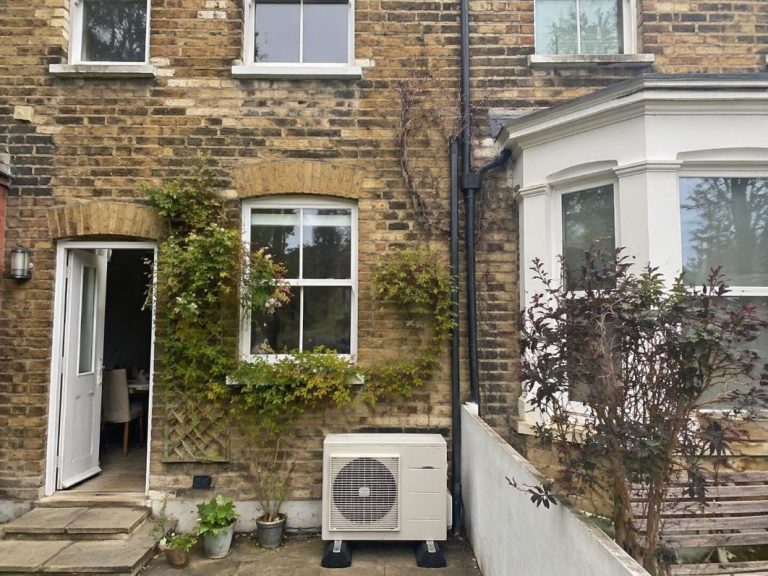
Request an Integration Assessment
Ensure your new air conditioning system fits seamlessly with your home’s aesthetics and structure with a professional evaluation.
Looking ahead: rethinking comfort and cooling in London homes
Attitudes to cooling in London have shifted. Air conditioning was once seen by many households as unnecessary or suited only to commercial spaces, yet hotter spells, home working, and better awareness of overheating have changed that picture.
Energy use remains an important part of the conversation. Efficient equipment, sensible controls, and zoning are far more useful than simply running a system harder for longer. Smart thermostats and app-based control can support comfort when they are used thoughtfully, particularly in rooms that heat up predictably with the sun.
Another change is the way people think about comfort as part of property care. In a south-facing room, cooling now sits alongside shading, glazing choices, insulation, and ventilation strategy. Building Regulations, CIBSE guidance, and wider attention to climate adaptation all point in the same direction: room-by-room decisions matter.
A common misconception still lingers, namely that air conditioning in London is excessive. In reality, the question is usually less dramatic and more practical. If one room overheats repeatedly, disturbs sleep, affects work, or forces windows shut against noise, a well-planned system can be a measured response rather than an extravagant one.
The most dependable approach is a site-specific one. Orientation, glazing, layout, noise sensitivity, and maintenance access all shape what will work well over time. For south-facing rooms in London, comfort rarely comes from a quick fix. It comes from choosing a solution that suits the building, the occupants, and the way heat actually behaves in that particular space.
Schedule Annual Maintenance
Extend the life of your air conditioning and maintain peak performance with a scheduled maintenance plan tailored for your property.
Read Similar Blogs
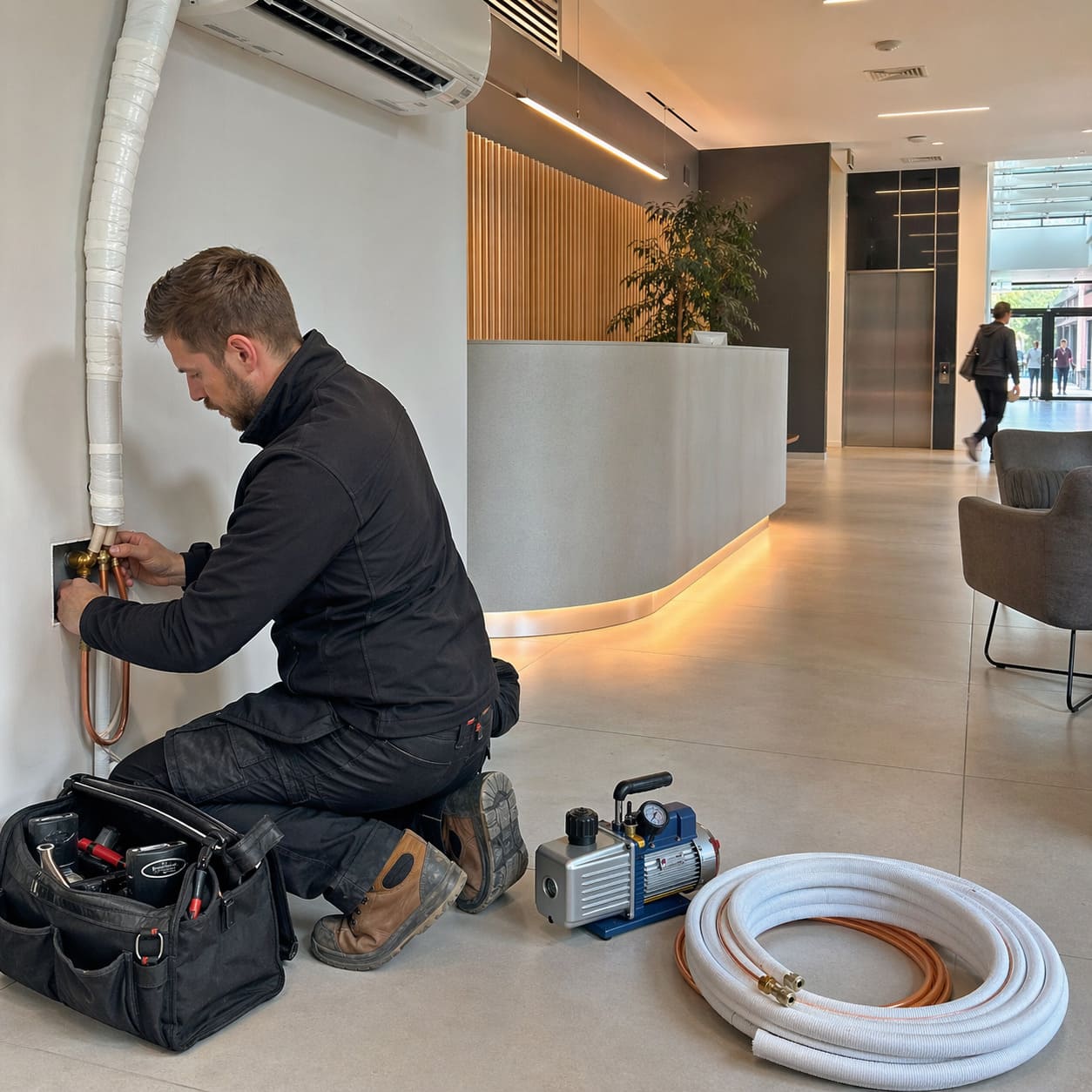
Air conditioning in a conservation area: what you can and can’t do without approval
Learn how to install air conditioning in a conservation area, when approval is needed, and practical steps for planning compliant, discreet solutions.
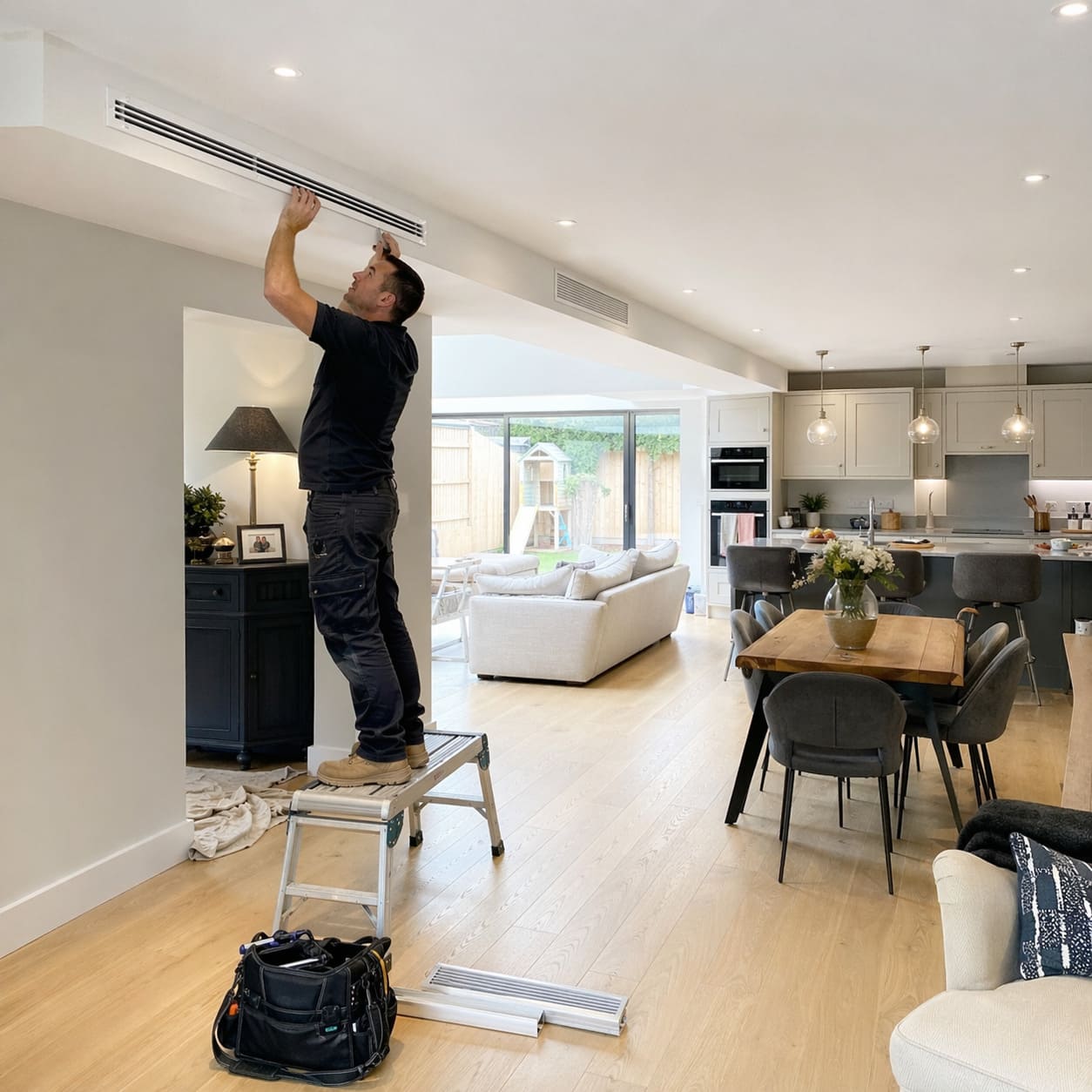
Whole-life cost of air conditioning in London: what nobody tells you about the first five years
Discover the real five-year costs of air conditioning in London, from installation to maintenance, energy bills, and comfort tips unique to local properties.
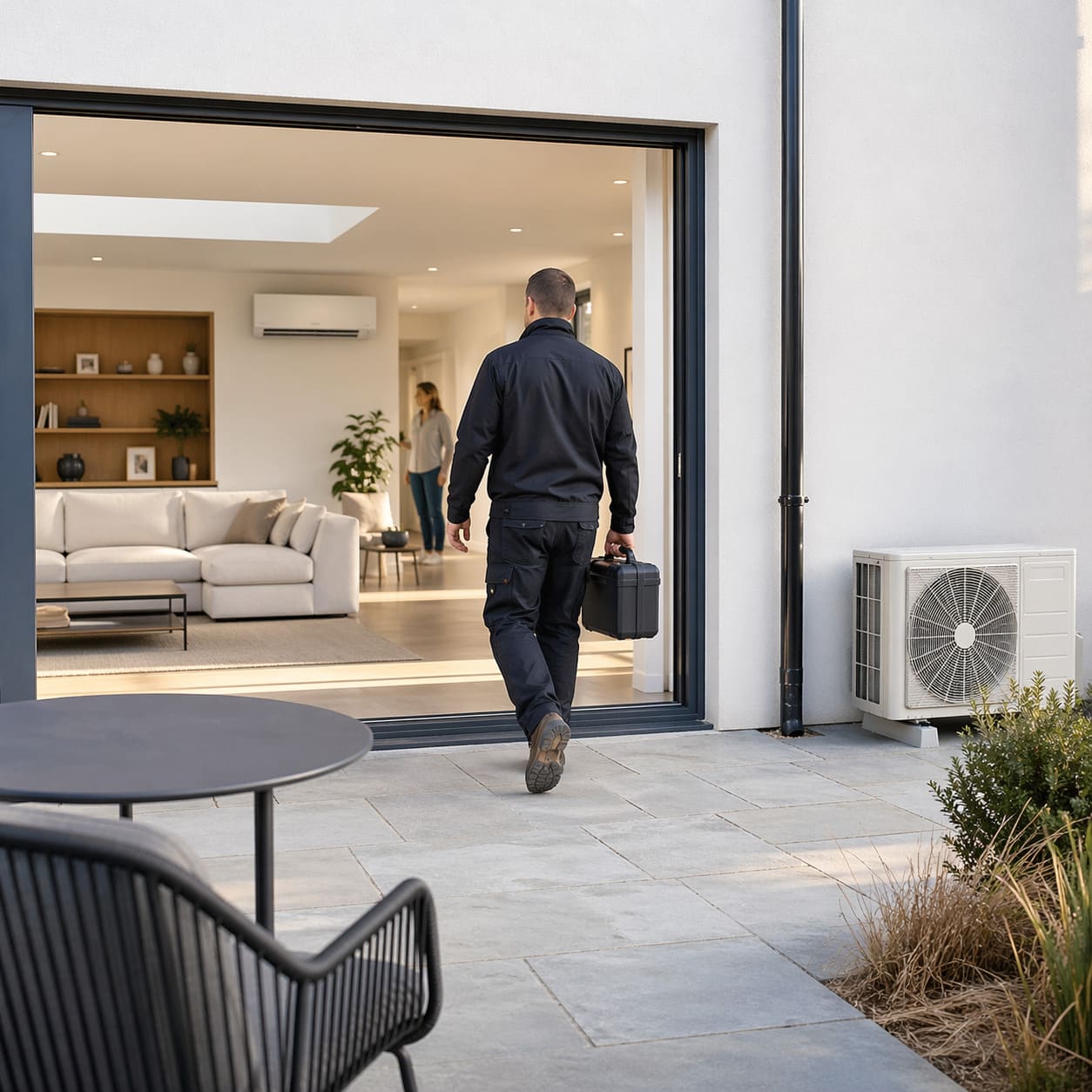
Get your air conditioning ready for summer with this practical pre-season checklist. Avoid breakdowns and enjoy reliable cooling even on the hottest days.
RightAir Solutions