How long should you expect an air conditioning installation in London to take?
Most London air conditioning projects take longer than the fitting itself. The full timeline usually includes an initial enquiry, a site survey, system design, approvals if needed, scheduling, installation, and final commissioning. A straightforward flat may move through that process fairly smoothly, while an older property or commercial space can take longer because access, planning, or design details need more attention.
Table of Contents
Understanding the typical timeline for air conditioning installation in London
When people ask how long installation takes, they often mean the day the engineers arrive. In practice, the air conditioning installation process starts earlier and finishes later than that. A realistic timeline runs from the first conversation through to commissioning, paperwork, and handover.
Picture a typical flat in West London. The owner wants cooling in a bedroom and living room before warmer weather arrives. The first step is usually a site survey, where the installer assesses the layout, wall construction, pipe routes, condensate drainage, and a sensible position for the outdoor unit.
After that, system design begins. For a simple split or multi-split system, that stage may be relatively straightforward. In a larger home or office, the design can involve capacity calculations, acoustic considerations, and coordination with other trades. Guidance from bodies such as CIBSE may inform system sizing and airflow decisions, and electrical work may need to align with NICEIC standards.
Approvals can then affect the pace. Some properties do not need planning permission for air conditioning, but flats, listed buildings, conservation areas, leasehold conditions, or local restrictions can change that. London Borough Councils, Building Control, and property managers may all play a part, depending on the building and the scope of work.
Only once those points are settled does the booking stage become firm. The installation crew then carries out the physical fitting, pressure testing, electrical connection, refrigerant work under F-Gas regulations, and commissioning. For many readers, that is the moment they imagine as the whole job, even though it is actually one part of a longer sequence.
Residential and commercial projects also move at different speeds. A small office fit-out may need access planning around working hours, whereas a house installation may depend more on room access, neighbour considerations, and where external units can go.
Key factors influencing installation times in London properties
A modern apartment block and a Victorian terrace can produce very different installation timeframes, even if both need the same number of indoor units. London property challenges are rarely about one dramatic issue. More often, several small constraints add time in different places.
Property age and structure
Older buildings often have thicker walls, tighter voids, and less obvious routes for pipework and cabling. Internal routing can become slower if original features need to be preserved or if the installer must avoid decorative plaster, cornicing, or joinery.
By contrast, a newer flat may have cleaner service routes and more predictable wall construction. Even then, ceiling depths, management company rules, and limited balcony space can affect where an external unit can sit.
Access and logistics
Access constraints matter more in London than many people expect. Narrow staircases, controlled parking, congestion, timed loading bays, and restricted lift use all influence how quickly equipment and tools can be brought in.
A top-floor flat without convenient access can take longer to set up than a house with side access and a clear garden wall. The actual fitting may be identical on paper, but the day runs differently once equipment movement becomes part of the job.
Listed buildings and planning requirements
Listed status can alter the timeline before installation begins. Local planning authorities may need drawings, equipment details, or a clearer explanation of visual impact, particularly where external units face a street or shared space. Historic England guidance may also shape what is acceptable in heritage settings.
Conservation areas do not automatically prevent air conditioning, but they often call for more careful planning. That extra time usually appears at the front of the project rather than during the fitting itself.
Noise and neighbour considerations
External units, fixing locations, and operating sound all need careful thought in denser parts of London. Noise control becomes more relevant in terraces, mansion blocks, and close-set mews properties where boundaries are tight.
A system that looks simple at first glance may need a different condenser position, anti-vibration measures, or revised pipe runs once neighbour impact is considered. That sort of adjustment often emerges during survey and design, especially in buildings with shared walls and little outdoor space.
Pro Tip: Arranging your survey well before seasonal demand increases can help you secure an earlier installation slot.
The role of system design and customisation
Time spent on design is often what separates a system that quietly works for years from one that feels awkward from the first summer. Custom AC design does not mean unnecessary complication. It usually means thinking carefully before anyone starts drilling holes.
A rushed approach may focus on fitting equipment quickly. A bespoke installation pays more attention to where units will be seen, how they will sound, how airflow will feel in the room, and how the controls fit daily use. In London homes with refined interiors or unusual layouts, those details matter.
Here is the practical difference between a more standard approach and a more considered design phase:
- A standard plan may use the easiest wall position, while a bespoke design looks at sightlines, furniture layout, and pipe concealment.
- A basic specification may meet cooling demand, while a more tailored air conditioning scheme also considers acoustic planning, zoning, and user habits.
- A quick layout may suit installation speed, while a methodical system planning stage can reduce later compromises in decoration, access, and maintenance.
RightAir Solutions is one example of the quieter, more methodical style often preferred in higher-end London properties, where the design phase is part of protecting comfort and appearance rather than simply selecting a unit. That can add time at the beginning, but it may avoid visible trunking in the wrong place, intrusive sound near a bed, or controls that are awkward to live with.
F-Gas certification and manufacturer requirements also shape system specification. Equipment choice, refrigerant line lengths, condensate management, and electrical demand all need to work together. Good design is less about adding features and more about reducing friction once the system is in daily use.
Lead times: booking, scheduling, and availability
Even after the design is agreed, the project may not start at once. AC installation lead time depends on contractor availability, equipment supply, and the time of year.
Summer usually brings the longest booking queues. Once temperatures rise, many people move from general interest to urgent need. F-Gas registered contractors often see a rush of enquiries at the same time, which can push scheduling further out.
A simple way to think about the calendar is this:
- Cooler months often allow more flexibility for surveys, design, and booking.
- Late spring tends to become busier as households and offices prepare for warmer spells.
- During hot periods, wait times can lengthen because demand arrives all at once.
Supply delays can also affect the programme. Indoor units, condensers, controls, brackets, and specialist components are not always available on the same timeline. A project with standard equipment may move more smoothly than one that depends on a particular finish, capacity, or layout requirement.
Emergency requests are handled differently from planned installations, but urgent need does not always shorten the total process. If planning permission, landlord consent, or equipment availability is unresolved, speed on one part of the job does not remove those barriers. London weather trends often trigger demand spikes, which means that planning ahead remains the clearest way to reduce waiting.
Book a Site Survey
Start your project with a detailed site survey to assess your property’s specific needs. Our engineers provide expert guidance every step of the way.
What to expect during the installation process
Once the start date arrives, most people want to know what the on-site experience will actually feel like. A straightforward domestic installation may take a day or two, whereas larger homes or commercial spaces can run longer because there are more units, longer routes, or tighter coordination requirements.
Before work begins, installers usually protect key areas and confirm the agreed positions of indoor and outdoor units. Site preparation may include dust sheets, floor protection, tool staging, and a final check on cable and pipe routes. In well-run projects, there is a noticeable effort to keep disruption contained to the working area.
During the fitting, the team will mount units, run pipework and cabling, create wall penetrations where needed, connect drainage, and complete electrical work. Noise is part of the process, particularly during drilling, although sensible scheduling helps reduce the impact. In occupied homes, installers often try to sequence louder tasks with some care.
Cleanliness matters more than many clients expect. In properties with finished interiors, the difference between a rough installation and a careful one is usually obvious by lunchtime. A considered team keeps materials organised, manages dust, and avoids letting the site spread through the building. That point often comes up in projects handled by firms such as RightAir Solutions, where the practical standard of the day matters as much as the final equipment.
The last stage on site is not just switching the system on. F-Gas regulations require proper refrigerant handling, and industry installation standards require testing before handover. Once the system is pressure tested, vacuumed, connected, and energised, the engineers move into system testing and commissioning so that airflow, drainage, controls, and basic operation can all be checked under real conditions.

Pro Tip: If your property may need planning permission or freeholder consent, gather all documentation in advance to avoid unnecessary delays.
Aftercare, testing, and system handover
A finished installation is only truly finished once the system has been commissioned properly and the user knows how to run it. AC handover should feel clear and practical, not rushed.
Commissioning usually includes checking operating pressures, confirming temperature response, inspecting drainage, and verifying that each indoor unit responds correctly to its controls. Manufacturer guidelines shape much of this stage, and F-Gas compliance remains relevant wherever refrigerant work has taken place.
The handover itself often covers a few simple but important points:
- How to use the remote controls or smart thermostats for everyday cooling and heating.
- Which settings are sensible for comfort, noise, and energy use.
- What the owner should watch for in the first days of operation, including drainage performance and filter condition.
Maintenance planning may also be mentioned at this point, especially for systems that will run regularly or serve commercial areas. That does not need to become a sales discussion. In most cases, it is simply part of explaining how the equipment stays clean, efficient, and in line with manufacturer expectations.
Many new owners are surprised by how much confidence comes from a calm walkthrough. Once each unit has been demonstrated and the controls make sense, the system stops feeling like specialist equipment and starts feeling like part of the building.

Request a Custom System Design
Discuss bespoke air conditioning system design that suits your building’s structure and your priorities. Get a tailored solution from experienced professionals.
Common misconceptions about installation times
Air conditioning delays are often misunderstood because people picture the visible work and miss the preparation around it. A few common myths come up again and again.
- Myth: It is just a one-day job. Reality: Some installations are completed in a day, but that does not include every survey, approval, design decision, or booking delay that may happen beforehand.
- Myth: Every property follows the same pattern. Reality: Installation timeframes change with layout, wall construction, access, permissions, and where external units can be placed.
- Myth: Planning permission is rarely relevant. Reality: In some London homes, especially listed buildings, conservation areas, or managed blocks, planning authorities or freeholders may need to approve parts of the proposal.
- Myth: All installers can move at the same speed. Reality: Availability, workload, system challenge, and the standard of preparation vary widely. A faster start date does not always mean a smoother project.
- Myth: Delays always mean poor organisation. Reality: Some delays reflect sensible caution, such as waiting for approved drawings, confirming noise impact, or sourcing the right equipment for a bespoke layout.
Industry best practice guidelines tend to reward preparation over haste. London properties are simply too varied for a single answer that fits every flat, office, terrace, and townhouse.
Looking ahead: how planning and preparation shape your timeline
The most useful way to think about air conditioning timing is this: part of the schedule belongs to the property, and part belongs to the decisions made before work starts. You may not control planning departments or building restrictions, but you can reduce avoidable delays by preparing early.
A few practical steps make a genuine difference:
- Arrange a survey before hot weather creates seasonal pressure.
- Gather any lease, management, or planning information early if the building has restrictions.
- Be clear about priorities such as appearance, noise levels, room usage, and preferred control options.
That kind of preparation gives the design phase a firmer base and makes scheduling more realistic. In a city where buildings differ so sharply from one street to the next, thoughtful planning usually matters more than chasing the fastest possible installation date.
A good timeline is rarely the shortest one on paper. It is the one that accounts for the building, the system, and the way the space will actually be used once summer arrives.
Speak to a Certified Installer
Connect with certified F-Gas registered installers for clear advice and reliable booking times in London. Ensure your installation is handled properly from start to finish.
Read Similar Blogs
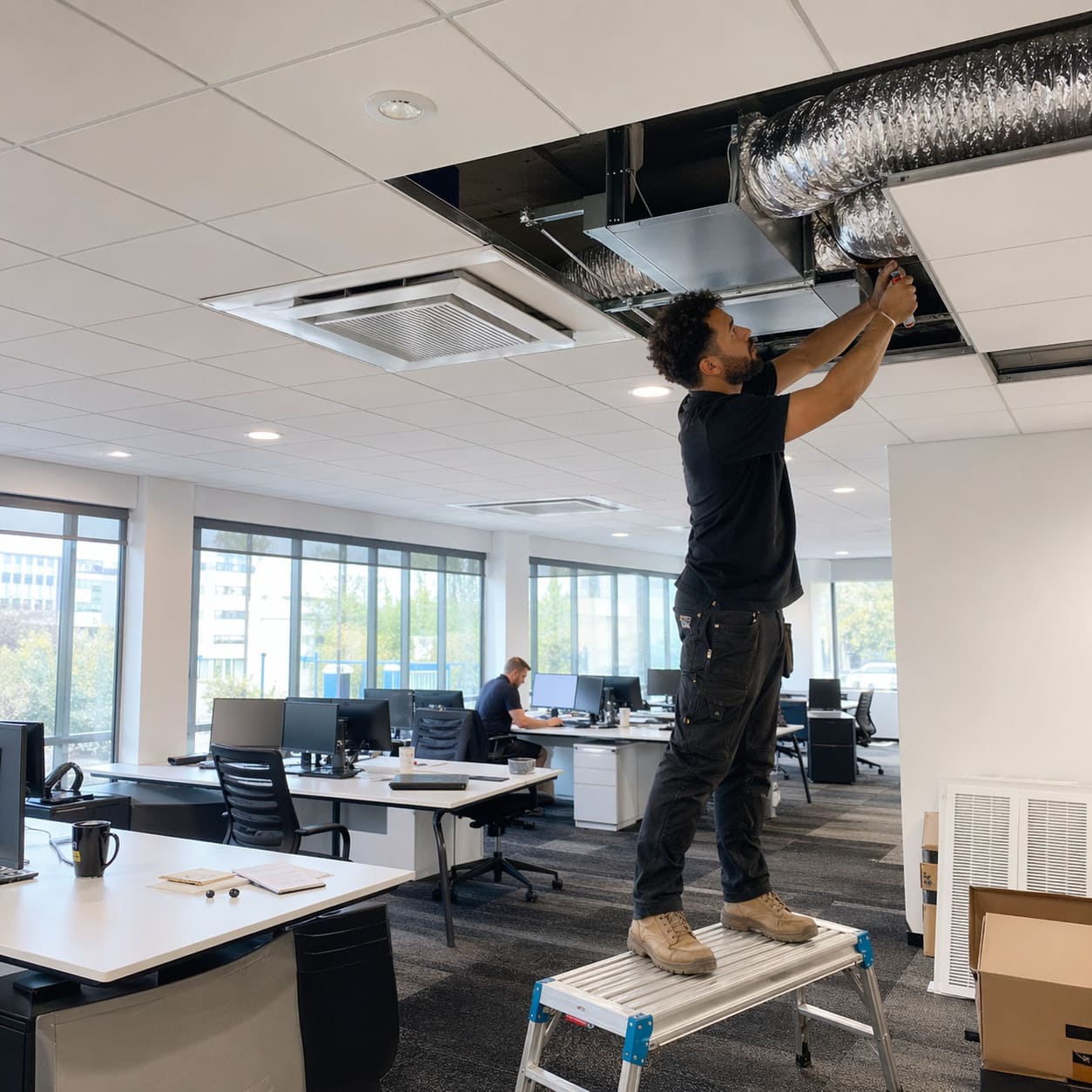
Why is your air conditioning leaking water inside and when should you worry
Air conditioning leaking water inside can damage floors and ceilings fast. Spot the likely causes, safe checks and when to call an engineer.
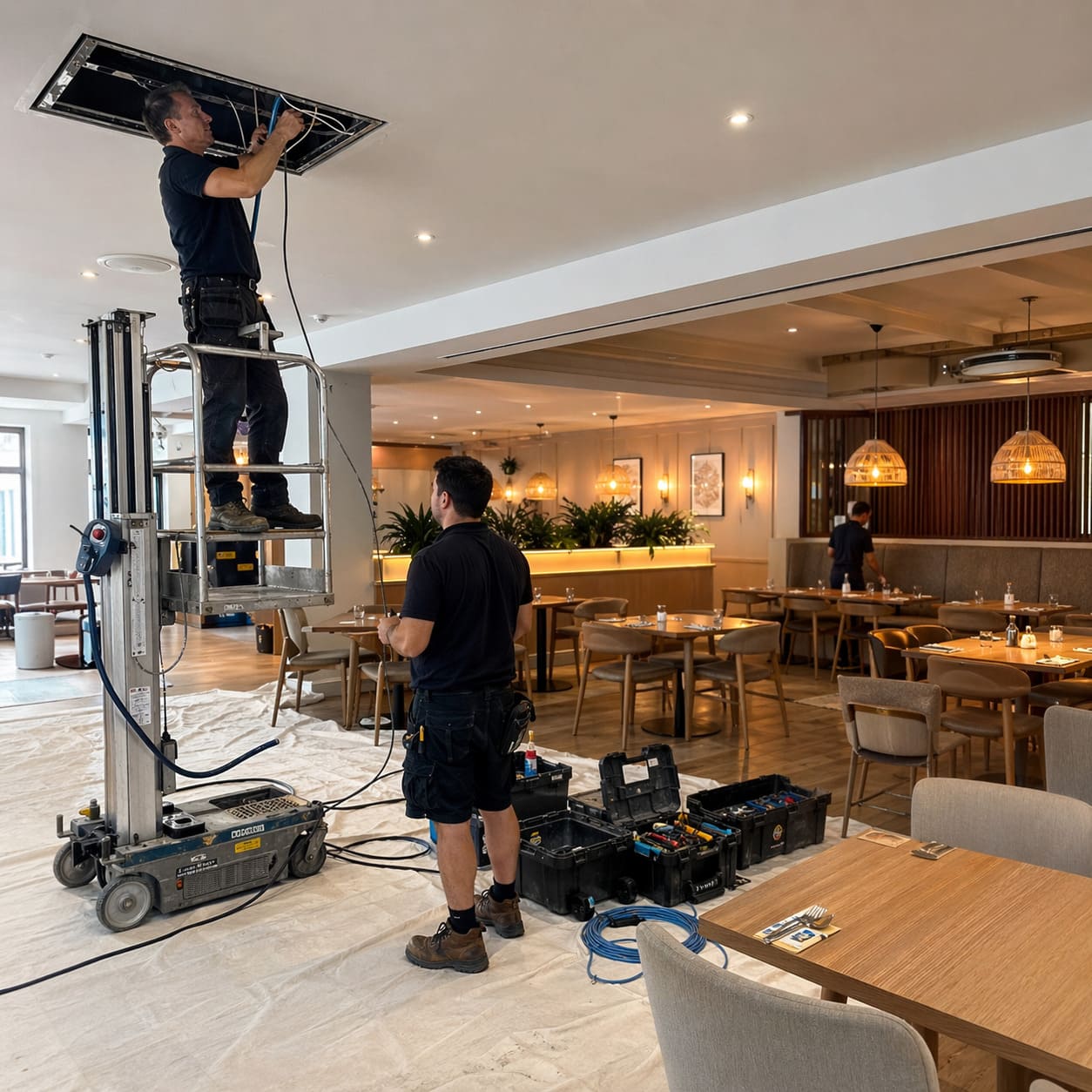
How commercial air conditioning is quoted and why two quotes rarely match
Need a commercial air conditioning quote you can compare properly? See why scope, survey assumptions and exclusions change the figure.
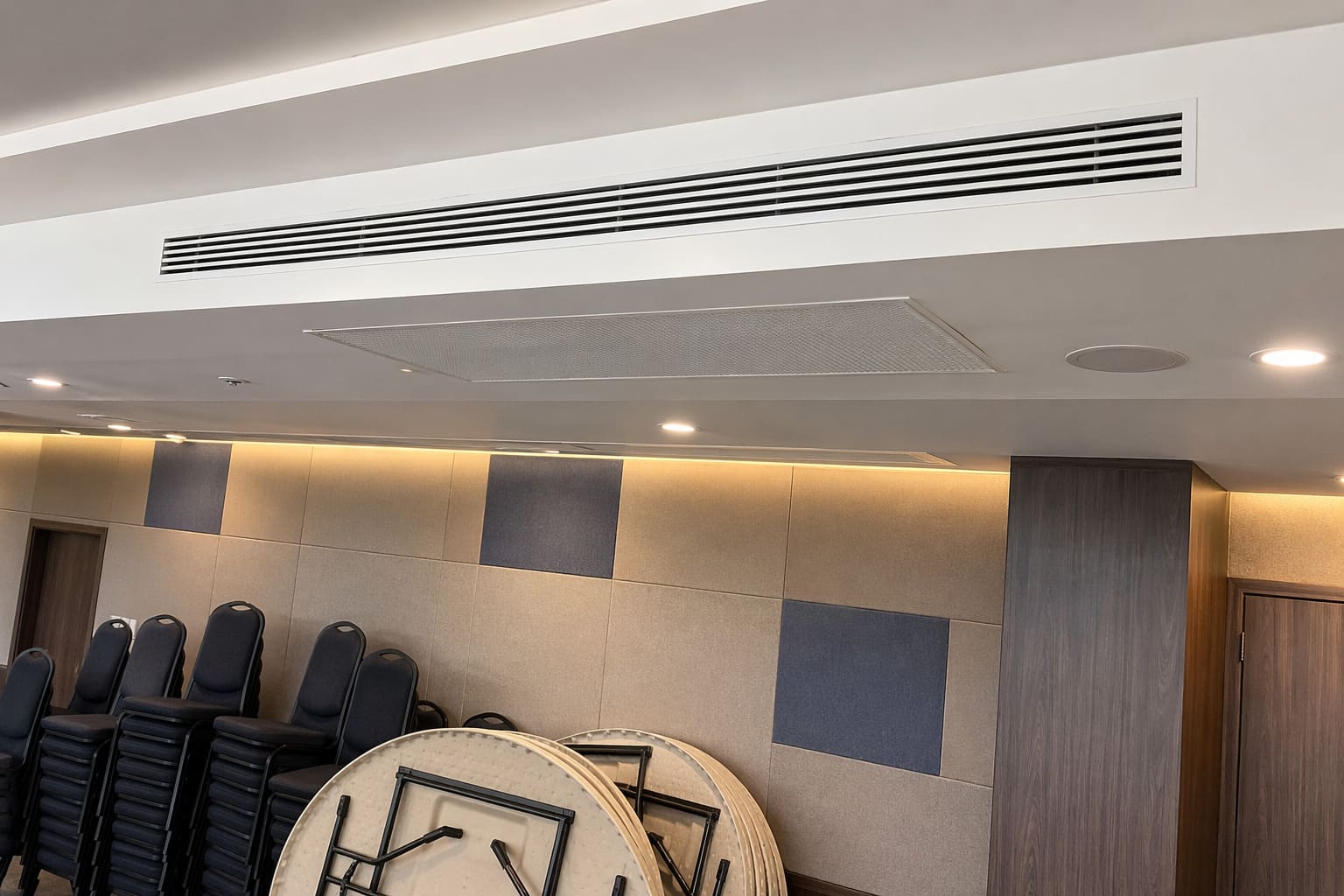
Can you get a grant for air conditioning now the Boiler Upgrade Scheme covers air to air heat pumps
Thinking about air conditioning grants? See when an air to air heat pump can qualify under the Boiler Upgrade Scheme and what must line up first.

RightAir Solutions