Does air conditioning affect your home’s EPC rating?
Fixed air conditioning can affect your Energy Performance Certificate (EPC) rating, but it does not automatically lower it. The outcome depends on whether the system is fixed, whether it also heats the home, how efficient it is, how much space it serves, and how clearly it is specified.
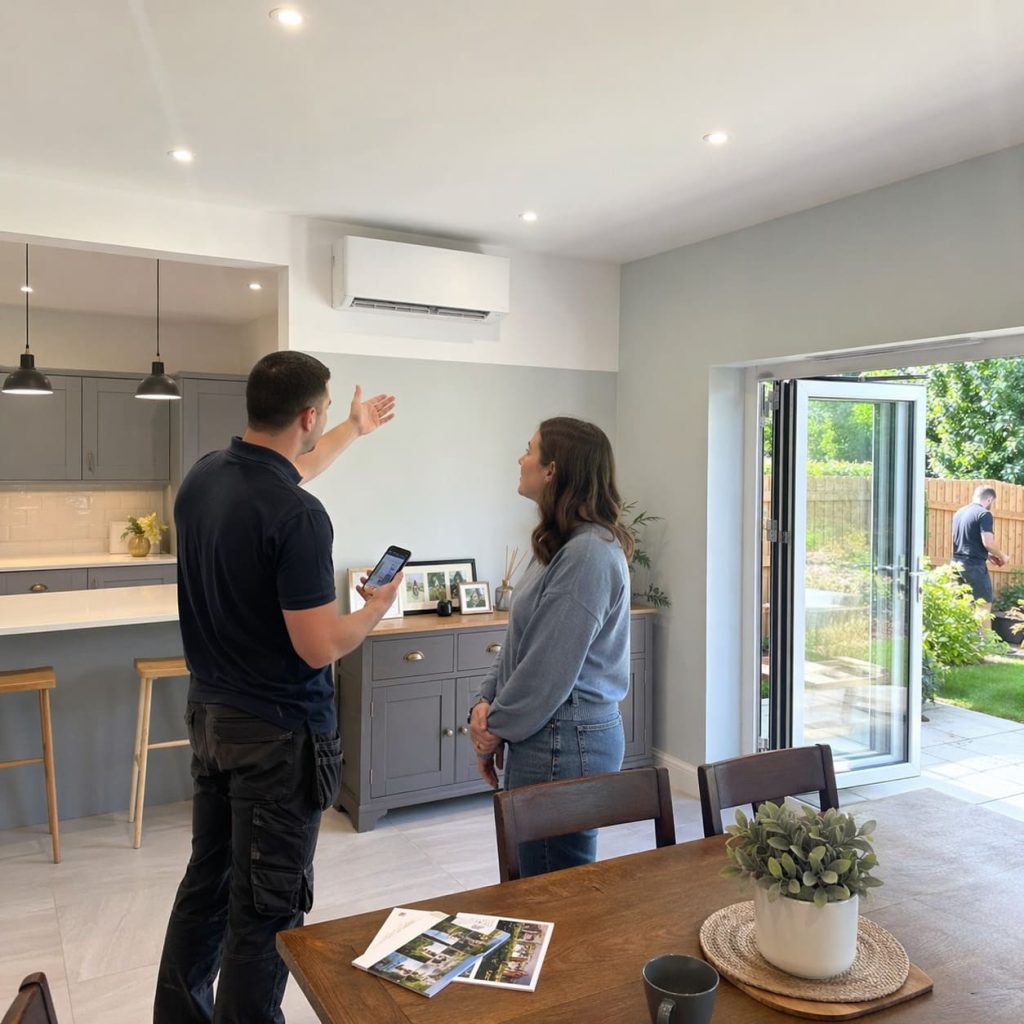
The EPC question is narrower than most homeowners think
A West London homeowner may want discreet cooling in a top-floor bedroom, then pause because of one blunt question: will air conditioning lower my EPC? The answer is more specific than the fear. Fixed air conditioning is the EPC issue to look at. A portable plug-in unit brought out during hot weather is a different assessment question.
Under BRE’s Standard Assessment Procedure (SAP) 10.2, space cooling is included in ratings where a dwelling has a fixed air conditioning system. That does not mean every installation damages the EPC band. It means the system becomes part of the building services that the assessment has to model.
System type matters. A cooling-only unit is assessed differently from a reversible air-to-air heat pump that also provides space heating. Efficiency data matters too, because an assessor needs a reliable basis for how the installed system performs. A clear specification gives the Domestic Energy Assessor a better picture than a vague description of “some air con”.
For homeowners, landlords and property managers, the practical point is simple: the EPC risk sits in the design choice, not in the idea of comfort cooling itself.
The EPC measures the property, not your habits
Your personal use pattern does not decide how the EPC treats air conditioning. A domestic EPC assesses the property’s energy performance potential, using standard assumptions about occupancy and use.
For existing homes marketed for sale or rent, the usual route is the Reduced Data Standard Assessment Procedure (RdSAP). That is the version of the assessment used where full new-build information is not readily available. You do not need assessor training to make a sound decision, but you do need to know that fixed services count.
| What the EPC considers | What homeowners often assume |
|---|---|
| Building fabric, such as walls, roof, floors and glazing | How carefully the current owner uses energy |
| Fixed heating, cooling, ventilation and fuels | Whether the air conditioning is used every day |
| Modelled performance under standard assumptions | The exact monthly electricity bill |
| Recommendations linked to the property | A personal lifestyle score |
That distinction is why occasional use does not make fixed cooling disappear from the assessment. Once installed, the system forms part of the property’s energy profile, so the model, efficiency rating and controls become the evidence that matters.

Fixed cooling is the line that matters
Fixed is the dividing line most people miss. A portable air conditioner and an installed split system both cool a room, but they do not sit in the property in the same way for EPC purposes.
Portable units are not the supported EPC issue
A portable unit is temporary equipment. It plugs in, moves from room to room, and does not form part of the fixed building services in the same way as an installed system.
That distinction matters because the supported SAP wording refers to fixed air conditioning appliances. The EPC question should therefore focus on installed cooling, not a loose appliance kept for short hot spells.
Fixed systems enter the calculation
Installed systems include split systems, multi-split systems, ducted units and ceiling cassette units. In plain terms, these are systems with fixed indoor equipment, usually linked to outdoor equipment, and designed into the home.
SAP 10.2 uses a standardised cooling pattern for fixed air conditioning, based on cooling part or all of the dwelling to 24°C for 6 hours per day. That figure is not a prediction of your real use. It is a standard model, which is why the system’s design and declared efficiency carry weight.
Seasonal Energy Efficiency Ratio (SEER) is one of the terms you may see here. SEER is a seasonal efficiency figure for cooling, and the Product Characteristics Database (PCDB) is a source of product performance data used in assessment work. A system with clear model information, sensible controls and a defined cooled area is easier to assess properly than an installation with missing details.
RightAir Solutions often works in London homes where the layout makes this point practical. A single room installation, a multi-room system and a hidden ducted arrangement can all answer the same comfort problem, but they create different design and assessment questions.
If a property may be sold or let later, keep the model, controls and commissioning details together from the day the system is installed. Future EPC assessments are easier when the specification is clear.

Reversible systems change the EPC conversation
Many people call any wall-mounted unit “air conditioning”, which hides a key difference. A cooling-only system adds comfort cooling to the home. A reversible air conditioner can cool in summer and provide space heating in colder periods, working as an air-to-air heat pump.
SAP 10.2 is clear on the principle. If an air conditioner is reversible for space heating, it should be assessed as a heat pump in heating mode, using default data or PCDB data. That changes the EPC conversation because the system is no longer just a cooling service.
A cooling-only unit raises one set of questions: how much of the home is cooled, how efficient the cooling is, and how the controls work. A reversible system adds another question: what role does it play in the home’s heating setup?
That still does not create a guaranteed EPC improvement. A reversible system may help the model in some homes, particularly where it changes the heating picture, but the outcome depends on the property and the assessor’s calculation. If the real target is sale or rental compliance, guessing at an EPC band is poor practice. The property needs to be modelled.
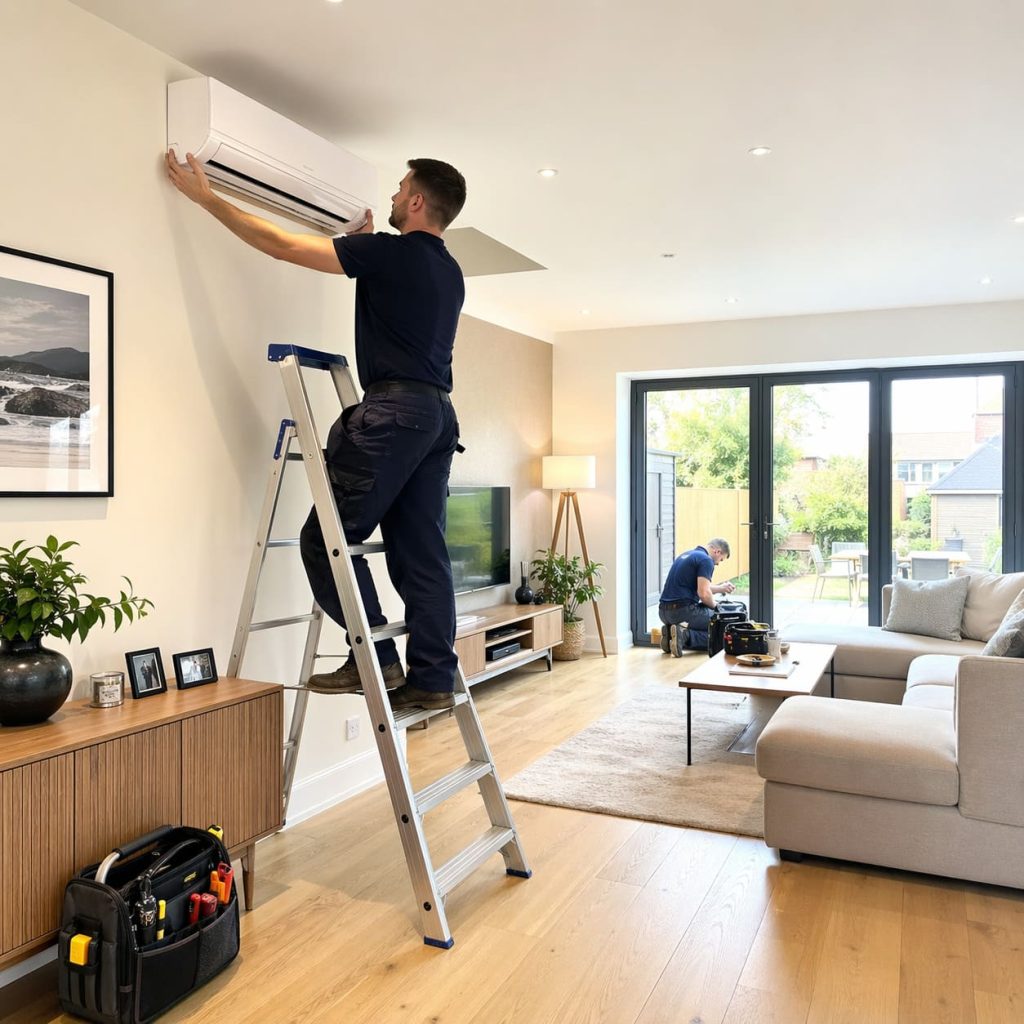
Reversible systems deserve separate consideration because they affect both cooling and heating in the assessment. A system that serves more than one function needs to be explained accurately, especially in older London properties with limited space for equipment.

London homes add constraints the EPC will not show
In a North West London flat, the harder part of the job may be the outdoor unit, not the indoor one. The EPC can account for fixed services, but it will not solve the practical questions around access, neighbours, visual impact or leasehold control.
An efficient system can still be a poor fit for the building if it is placed badly or specified without regard for management rules. Period homes, converted houses and high-end flats across West and North West London often need a site-specific design because the obvious route for pipework or equipment is not always the workable one.
A professional design check should cover the issues that affect both assessment and day-to-day ownership:
- Outdoor unit position: The location has to work for performance, access and the appearance of the property.
- Acoustic impact needs early thought, especially where neighbouring windows, terraces or shared walls sit close to the equipment.
- Access for installation and servicing: A system that cannot be maintained easily becomes a future management problem.
- Controls should suit how the rooms are used, because poor zoning can undermine an otherwise efficient system.
- Leasehold or freehold constraints belong at the start of the discussion, not after the equipment has been chosen.
Air conditioning inspection duties are separate from EPCs. In England and Wales, these sit under the Energy Performance of Buildings Regulations 2012, and some larger or grouped systems may need an Air Conditioning Inspection Report (ACIR). That is a different obligation from a domestic EPC, so treating the two as one issue leads to bad decisions.
For a homeowner or property manager, the better test is whether the proposed system can be explained clearly: what it serves, how it is controlled, where the equipment sits, and how it will be maintained.
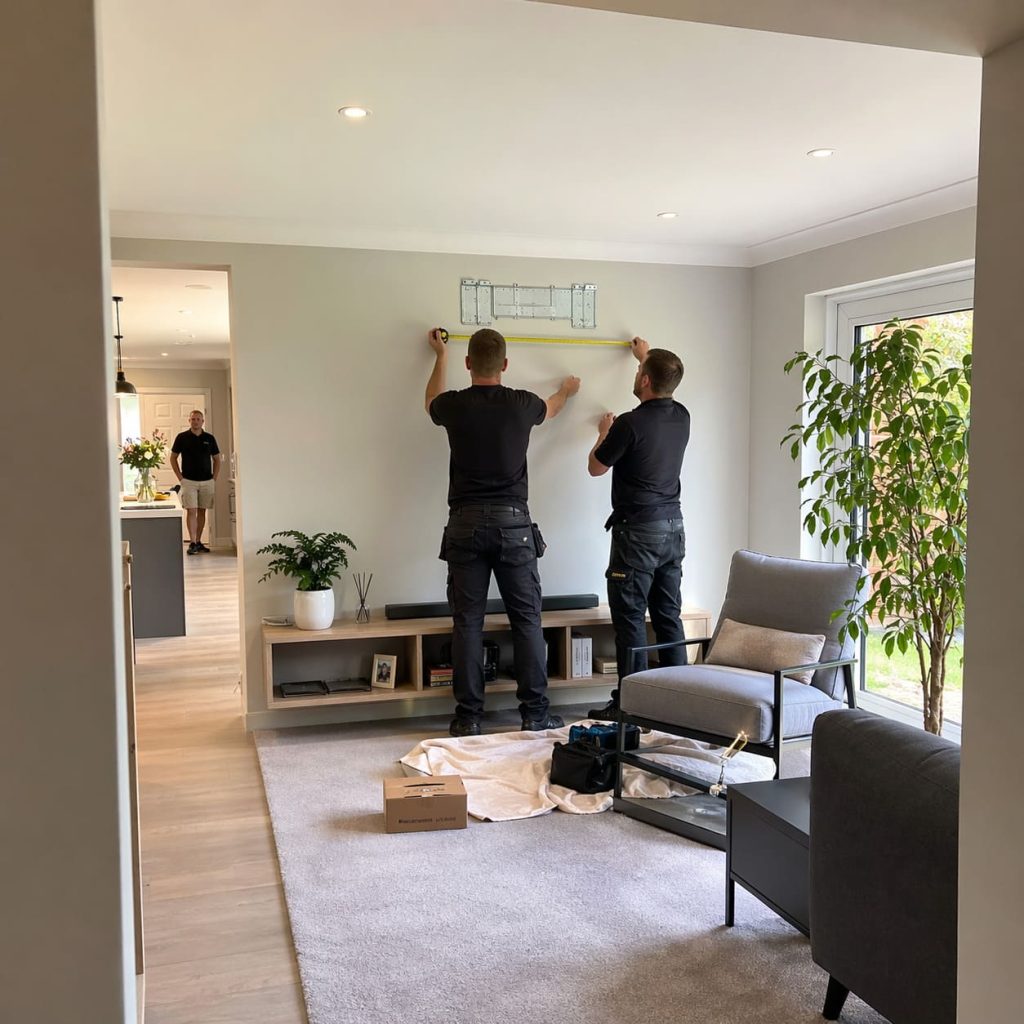
Efficient cooling will matter more over time
Over the next 12 to 24 months, the stronger property question will be less about whether fixed cooling exists and more about how well it is integrated into the home’s wider energy profile. Buyers, tenants and managing agents are already looking at comfort, running costs and service records together.
A domestic EPC is valid for 10 years unless a newer EPC is produced for the same building. That makes documentation worth taking seriously. If fixed air conditioning is added between assessments, model details, commissioning records and maintenance history give future assessors and buyers a clearer view of what has been installed.
RightAir Solutions treats that as part of the same design problem in West and North West London properties. Efficient fixed equipment, quiet placement and service access have to work together. The installation that ages best is the one a future assessor, buyer or tenant can understand without guesswork.
Cooling is becoming part of how better homes are judged. The properties that cope best will be the ones where comfort cooling, reversible heating capability and clear system records are planned as permanent building services, not added as an afterthought.
Common questions about air conditioning and EPC ratings
Does a portable air conditioner count in a domestic EPC?
The supported SAP wording refers to fixed air conditioning appliances. A portable plug-in unit is a different issue from an installed system that forms part of the home’s fixed services.
Can a reversible air conditioner be counted as heating?
Yes, where a reversible air conditioner provides space heating, SAP 10.2 says it should be assessed as a heat pump in heating mode. The EPC outcome still depends on the property and how the system is modelled.
Do you need a new EPC after installing fixed air conditioning?
Installing fixed air conditioning does not automatically mean a new EPC is produced immediately. A domestic EPC can remain valid for 10 years unless a newer one is made for the same building, but a future sale or letting may bring the change into focus.
Can air conditioning help a rental property reach EPC C?
A reversible air-to-air heat pump may form part of an energy strategy in some homes, but no installer should promise a band change without property modelling. A Domestic Energy Assessor has to calculate the actual property.
Does a home air conditioning system need an inspection report?
Air conditioning inspection duties are separate from EPCs. GOV.UK guidance states that systems under single control with combined cooling capacity greater than 12 kW require an air conditioning inspection.
This is general information, not professional advice.
