What actually happens if an air conditioning system goes unserviced for years?
An air conditioning system that misses servicing for years usually does not fail all at once. Performance tends to fade first, with weaker cooling, dirtier airflow, higher energy use, and extra strain on parts such as fans, coils, and compressors. Over time, missed maintenance can also affect warranty terms, compliance duties, indoor air quality, and the chances of a repairable issue turning into a much larger fault.
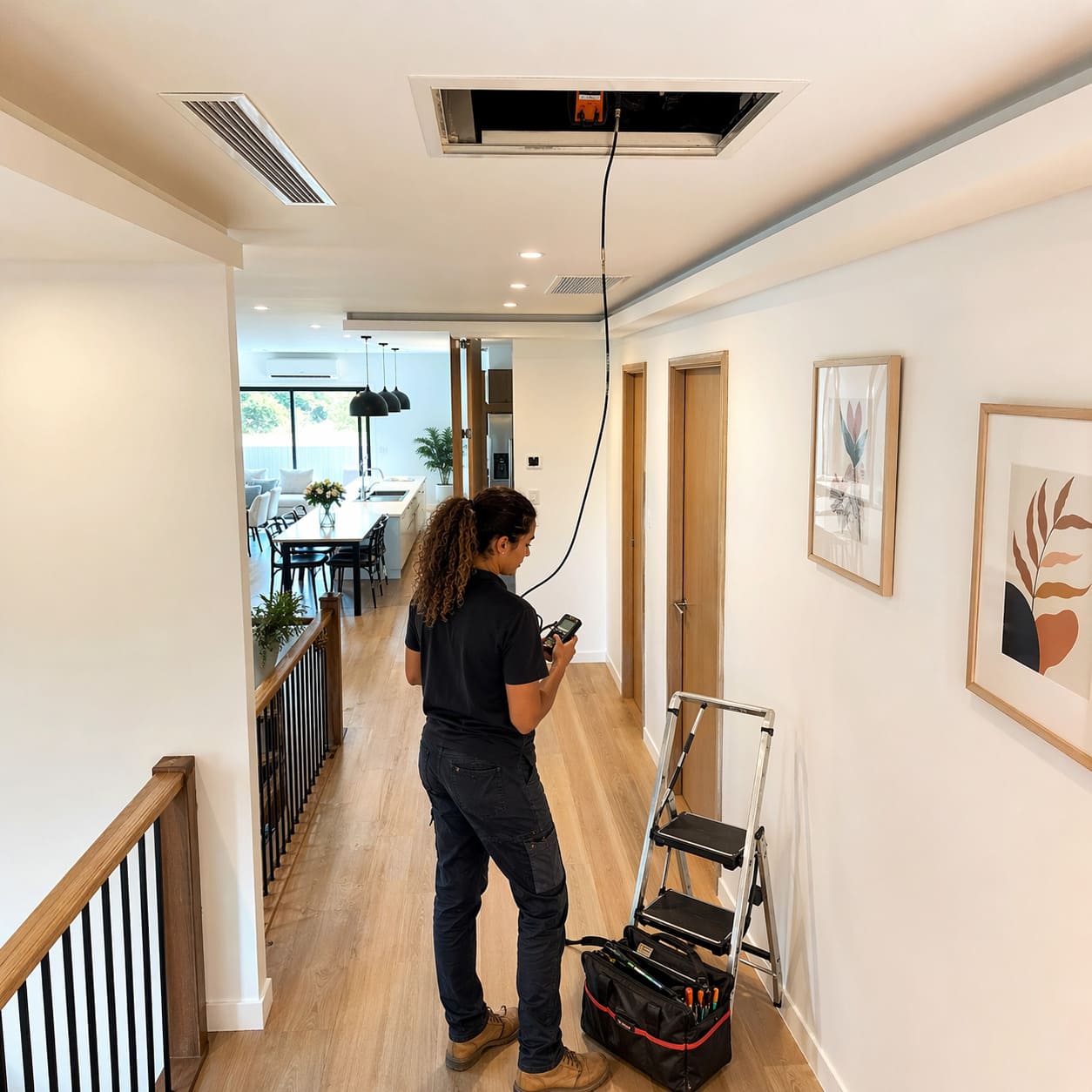
The hidden role of regular servicing in air conditioning longevity
Air conditioning often behaves like a silent partner in a home or workplace. It does its job in the background, so people assume that silence means everything is fine. In practice, much of the wear happens out of sight, inside filters, coils, electrical connections, drains, and moving parts that gradually collect dirt or loosen through normal use.
A common assumption runs like this: if cool air still comes out, the system must be healthy. That view misses the difference between operation and condition. A unit can still switch on every day while its airflow is restricted, its coil is dirty, or its refrigerant charge is no longer where it should be.
Routine servicing exists to catch exactly those hidden changes. Manufacturer guidelines usually set out service intervals, and HVAC industry standards treat preventative maintenance as part of normal ownership, not an optional extra. Where systems contain regulated refrigerants, F-Gas obligations may also apply, particularly in commercial settings.
London properties add another layer. Older conversions, flats with limited ventilation routes, and houses with awkward plant access can all make an air conditioning system work harder or become harder to inspect casually. Filter changes and regular AC checks matter more in those conditions because neglect has more places to hide.
Gradual decline: how performance and efficiency suffer over time
Most neglected systems decline by degrees. One summer feels slightly less comfortable than the last. A room takes longer to cool. The thermostat setting drops lower than before because the space never quite feels right.
Blocked filters are one of the simplest examples. Once dust builds up, air struggles to move through the system. Dirty coils then reduce heat transfer, which means the equipment has to run longer to achieve the same result. The unit still works, but it works harder.
Humidity control can slip as well. Indoor air may start to feel clammy, even if the temperature reading appears acceptable. In a bedroom, that can mean restless sleep. In an office, it often shows up as stuffy afternoon conditions and uneven temperatures between rooms.
Energy use often rises quietly in the background. Higher consumption may be hard to spot if bills fluctuate seasonally or the property has several large electrical loads. Even so, AC efficiency loss tends to show itself in longer running times, weaker output, and more noticeable temperature swings. If a building owner is already thinking about EPC performance or broader Building Regulations duties, neglected cooling equipment rarely helps the overall picture.
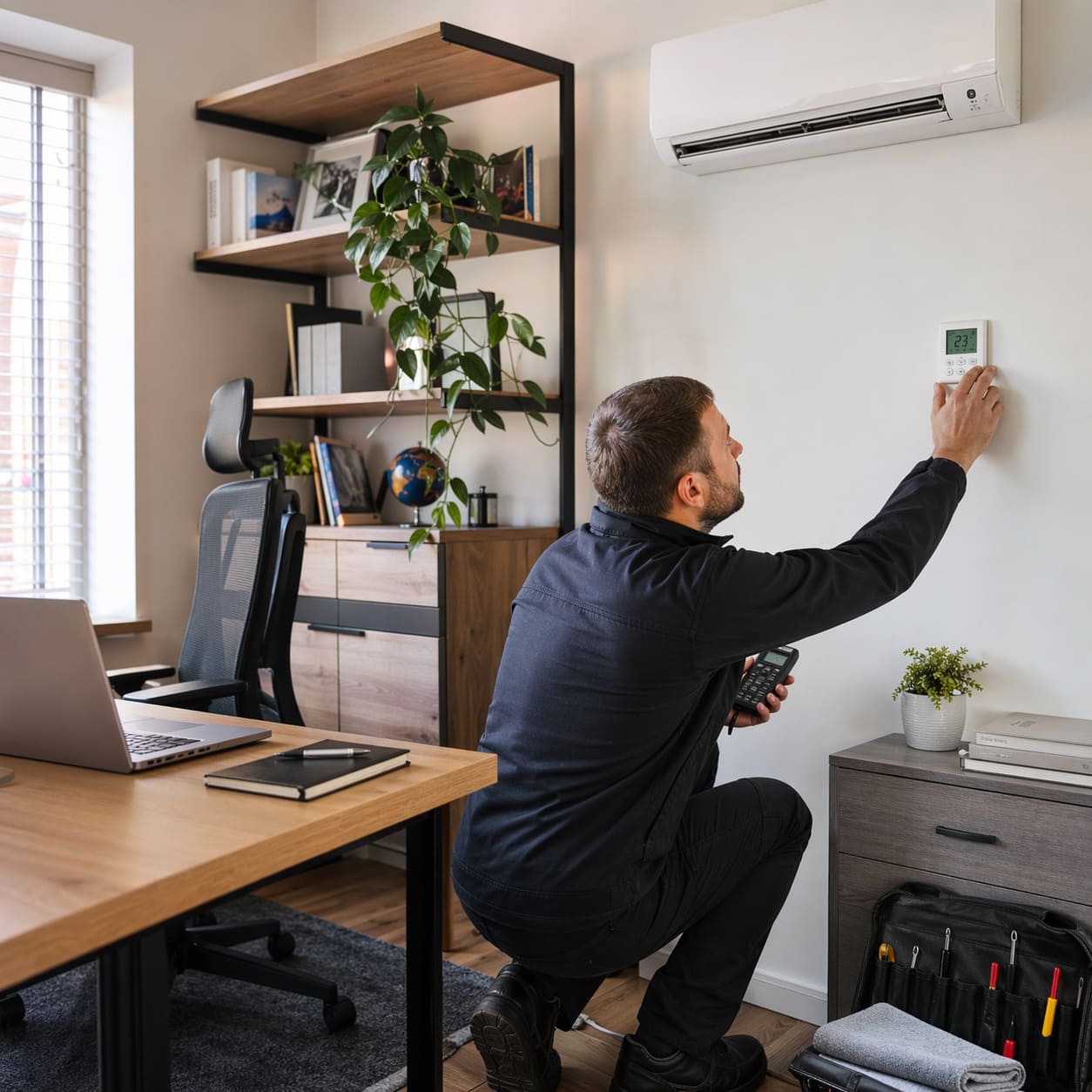
Planned preventative maintenance protects your investment, lowers running costs and keeps the warranty valid.
Request a QuoteThe escalating risk of mechanical failures and costly repairs
A neglected air conditioning system usually fails through accumulation, not drama. A clogged filter increases airflow restriction, which puts more pressure on the fan and the cooling cycle. A dirty coil keeps temperatures higher inside the system. Electrical parts then operate under greater strain. Eventually, one minor issue feeds another.
Some faults appear more often than others:
- fan motors wearing prematurely because airflow has been poor for too long
- refrigerant leaks going unnoticed until cooling output drops sharply
- compressors suffering extra stress after extended operation in poor conditions
- blocked condensate drains leading to water leaks or shutdowns
- contactors, capacitors, or other electrical components deteriorating with age and heat
In older London buildings, the disruption can be worse than the repair itself. Access panels may be tucked into joinery, outdoor units may be difficult to reach, and ductwork may pass through tight voids that were never simple to service in the first place. A planned visit is usually far easier to manage than an emergency call-out during a hot spell or a busy trading period.
Insurance can enter the picture too, particularly in commercial premises where downtime affects tenants, staff, stock, or server equipment. Once a compressor or major board fails, the question is no longer about basic HVAC upkeep. It becomes a matter of parts availability, lead times, access arrangements, and how long the space can function without proper cooling.
A regular servicing schedule tailored to the building’s age and layout can help spot site-specific risks before they become costly faults.

Air quality and health implications: what you might not notice
An unserviced system can affect the feel of a room long before anyone thinks about air quality. The first clue is often a stale or musty smell when the unit starts. After that, occupants may notice more dust settling near vents, a lingering odour, or a sense that the air feels heavy.
Filters play an obvious role, but they are only part of the picture. Coils, drain pans, and internal surfaces can also collect debris and moisture. If that build-up is left in place, the system may start circulating particles and unpleasant smells around the room instead of supporting cleaner, more comfortable conditions.
Several issues tend to show up in neglected systems:
- reduced filtration performance because filters are clogged or overdue for replacement
- a greater chance of microbial growth in damp internal areas
- more circulating dust and allergens in occupied rooms
- odours linked to dirt, moisture, and stagnant condensate
For households with children, older occupants, or anyone with respiratory sensitivities, those changes can feel more noticeable. In tightly sealed flats or offices, where windows are often kept shut for noise or security reasons, indoor air quality becomes more dependent on the condition of the system itself. HSE guidance and general IAQ standards place obvious value on clean, well-maintained equipment, especially where people spend long periods indoors.

Warranty, compliance, and insurance: the overlooked consequences
Servicing records matter for reasons that are easy to miss until something goes wrong. Many manufacturers attach warranty validity to regular maintenance carried out in line with their stated terms. If the paperwork is missing or the intervals have been ignored, a later claim may be disputed.
Commercial buildings face a wider set of obligations. Refrigerant containing equipment may need checks under F-Gas rules, and landlords or facilities managers may also need to show that maintenance has been carried out appropriately for the type of site and system involved. Insurance policy documents can contain similar expectations, especially where preventable deterioration is concerned.
A few points are worth reviewing:
- Check the manufacturer warranty terms for service interval requirements.
- Keep maintenance records, inspection notes, and any remedial work details.
- Confirm whether regulated refrigerant checks apply to the equipment.
- Review insurance wording for exclusions linked to poor maintenance or neglect.
The detail sits in the paperwork, not in assumptions made years earlier when the system was new.
Maintaining clear documentation of all services and repairs will streamline warranty claims and support insurance compliance.

When neglect meets London: unique challenges in local properties
A modern office with easy ceiling access presents one set of maintenance conditions. A period conversion in West London presents another entirely. Air conditioning in the capital often sits within buildings that were never originally planned around modern cooling equipment, which means servicing can be more delicate and more property-specific.
Older homes can hide pipework above ornate ceilings, inside boxed-in corners, or behind fitted joinery. Access may depend on careful coordination with other trades or building managers. Where heritage features matter, even simple maintenance has to be done with close attention to finishes, noise, and visual disruption.
Urban conditions add their own pressure. City dust, traffic pollution, cooking residues, and heavy occupancy can all shorten the time it takes for filters and coils to become dirty. In high-end residential settings, small changes in noise output are often noticed immediately, particularly in bedrooms, dressing rooms, and open-plan living areas where quiet operation matters.
Some specialist contractors, including RightAir Solutions, work with these constraints regularly in London properties, which means that servicing is often approached as part of the building’s overall rhythm rather than as an isolated technical visit. In a compact flat, that might mean planning around limited access to condensers. In a larger house, it may involve checking several indoor units whose usage patterns differ sharply from room to room.
Standard advice can fall short here because the building itself changes the maintenance reality.
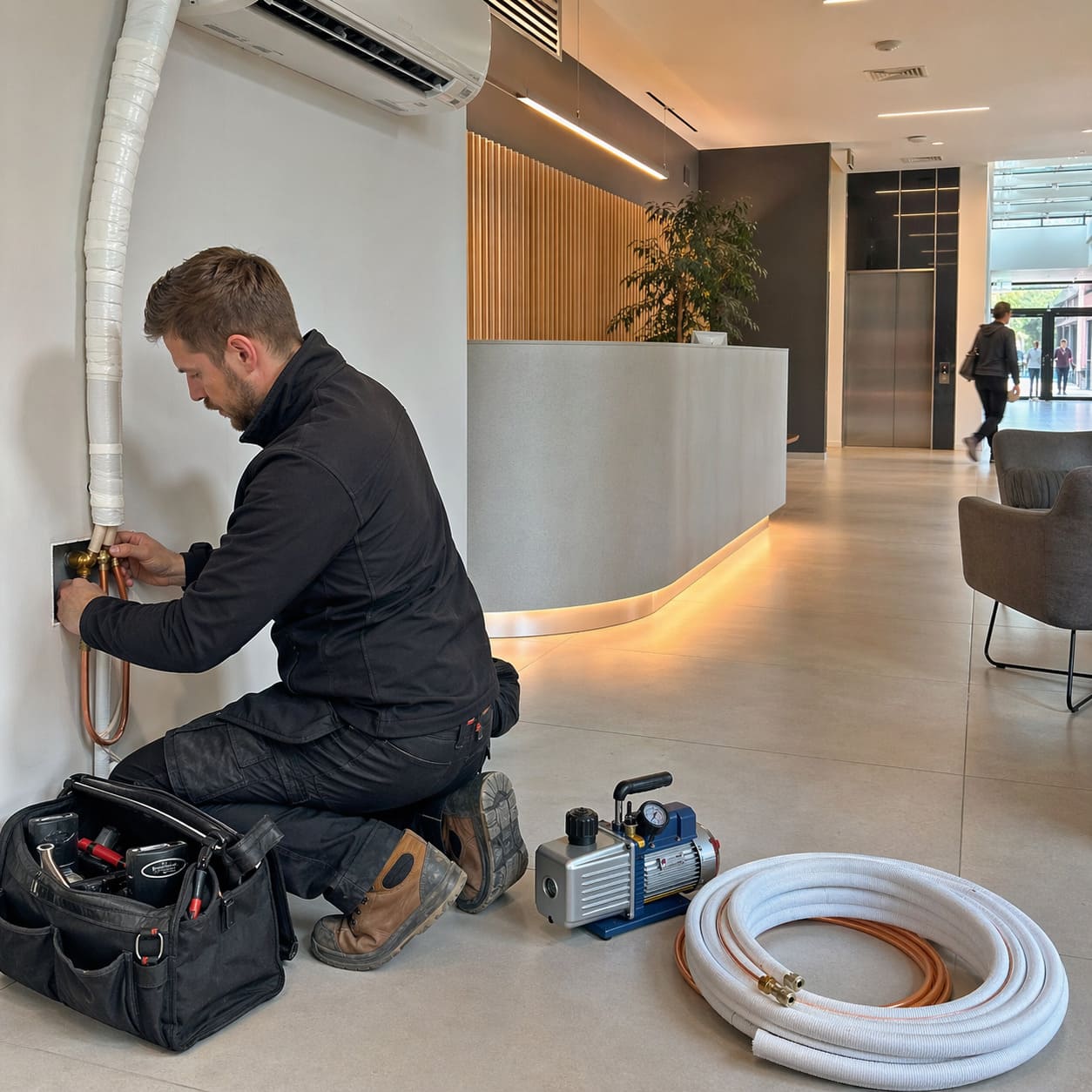
Restoring reliability: what to expect when servicing is finally done
Once a neglected system is finally inspected, the first job is usually assessment rather than instant correction. A proper visit after years without attention often looks different from routine servicing because the engineer needs to establish the system’s present condition before deciding what can be cleaned, adjusted, repaired, or monitored.
Typical findings may include blocked filters, dirty evaporator and condenser coils, worn electrical components, poor drainage, refrigerant issues, or signs that a part has been compensating for another weakness. Some systems respond well to a deep clean and thorough reset of basic maintenance items. Others reveal wear that servicing alone cannot reverse.
A methodical process often includes the following stages:
- Visual inspection of indoor and outdoor components, access points, and general condition.
- Filter checks, coil cleaning, drain inspection, and removal of debris or build-up.
- Testing of airflow, temperatures, electrical performance, and control response.
- Review of refrigerant condition and any signs of leakage where applicable.
- Identification of faults, worn parts, or longer-term issues that need repair or replacement.
One point matters here. Overdue servicing can improve operation, but it cannot reliably return every neglected system to a like-new state. If the compressor has been overstressed for years or corrosion has taken hold in key areas, maintenance may restore safe operation and better performance without erasing all the effects of neglect. That is why experienced firms such as RightAir Solutions tend to treat post-neglect maintenance as diagnosis first and correction second.
F-Gas certified servicing, filter changes, refrigerant checks and TM44 inspections, arranged around your schedule.
Book a ConsultationLooking ahead: rethinking maintenance as an investment, not a chore
Skipping air conditioning maintenance is rarely a neutral decision. Wear continues whether anyone looks at the system or not, and the effects tend to surface in comfort, reliability, air quality, and paperwork long before complete failure forces the issue.
A regular service visit does something simple but important. It brings hidden condition back into view. That gives owners, landlords, and facilities teams a clearer sense of what the system needs now, what can wait, and what may be heading for trouble if ignored for another season.
Seen that way, maintenance is part of owning the equipment responsibly. It supports system longevity, steadier performance, cleaner indoor air, and fewer unpleasant surprises during the periods when cooling matters most.
