Could a heat pump make sense for your UK home?
Yes, a heat pump can be worth it in the UK when the system matches the building and the survey is honest about heat loss, space, controls and siting. Reddit sounds divided because owners compare different homes, system types, tariffs and installation quality as if they were the same thing.
That split explains why heat pump homeowner reviews feel so hard to use. One owner may be replacing direct electric heating in a well-insulated home. Another may be comparing against a newer gas boiler in a draughty terrace with poor controls. Both Reddit heat pump experiences can be true, yet neither gives you a verdict on your property.
Broader UK heat pump satisfaction data is more useful than a single forum thread. Nesta found that 73% of heat pump owners were as satisfied or more satisfied with their heat pump compared with their previous heating system. Nesta also found no evidence that satisfaction differed by the age of the home, which matters if you own an older London flat or house.
Searches for whether heat pumps are worth it in the UK need a practical answer: judge the design, then judge the technology. A system that suits the building can give steady heat and clear control. A poor fit will make every promise look weak.
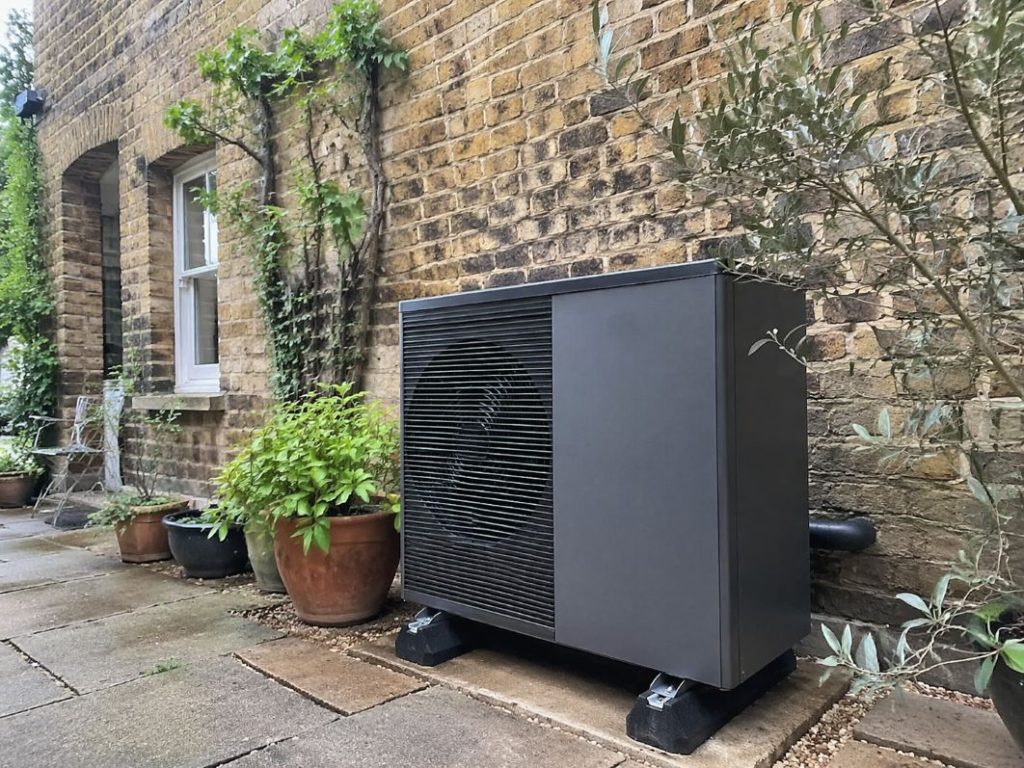
Reddit threads reveal the installation variables
One Reddit homeowner praises lower bills and a steadier home; another reports disappointment, awkward controls or a noisy outdoor unit. Those posts are useful because they point to real decision points, especially for London homes where space and neighbour impact matter. Reddit is useful as a warning light, not as a verdict on your property.
Bill complaints need context. A high electric bill after installation may point to the tariff, the system replaced, the way hot water is used or a design that asks the heat pump to work harder than it should. A comfort complaint may come from expecting short boiler-style bursts of heat from a system set up for steadier running.
Controls deserve particular attention. Heat pump users have reported lower satisfaction around ease of use and control compared with gas boiler users, so the handover matters. The installer has to explain how the system is meant to run, because a homeowner who keeps adjusting it like a boiler can end up fighting the setup.
Older Reddit threads can also lag behind current grants and planning rules. That does not make them worthless; it means you read them for recurring problems, then test those problems against a current survey and quote.
Different heat pumps change the answer
Reddit often compresses several systems into the phrase “heat pump”, which creates bad comparisons. An air-to-water heat pump, an air-to-air heat pump and cooling-only air conditioning change different things inside the home.
The table below compares air-to-water heat pumps, air-to-air heat pumps and cooling-only air conditioning.
| Option | What it means in the home | Reddit confusion it explains |
|---|---|---|
| Air-to-water heat pump | The system supplies heat through a wet heating system and works with the home’s hot water arrangements. | A post about radiators, hot water or cylinder space may relate to this type. |
| Air-to-air heat pump | The system heats rooms directly through indoor units and is often discussed alongside air conditioning. | A positive thread about fast room heating may have little to say about domestic hot water. |
| Cooling-only air conditioning | The system cools rooms and should be judged as air conditioning, not as a heating upgrade. | Some forum comments mix cooling systems with heating-capable systems, which muddies the verdict. |
Grant rules also affect the calculation. Ofgem says the Boiler Upgrade Scheme is installer-led, with Microgeneration Certification Scheme certified installers applying for and redeeming vouchers on behalf of property owners. Current grant values include £7,500 off air-to-water, ground source and water source heat pumps, £2,500 off residential air-to-air heat pumps, and £9,000 off air-to-water or ground source heat pumps in eligible off-gas-grid properties from 21 July 2026 to 31 March 2027.
For a homeowner asking whether an air source heat pump is worth it, the first filter is the system type. A Reddit comment about one kind of heat pump can point you to the right question, but the wrong system comparison will send you down a blind alley.
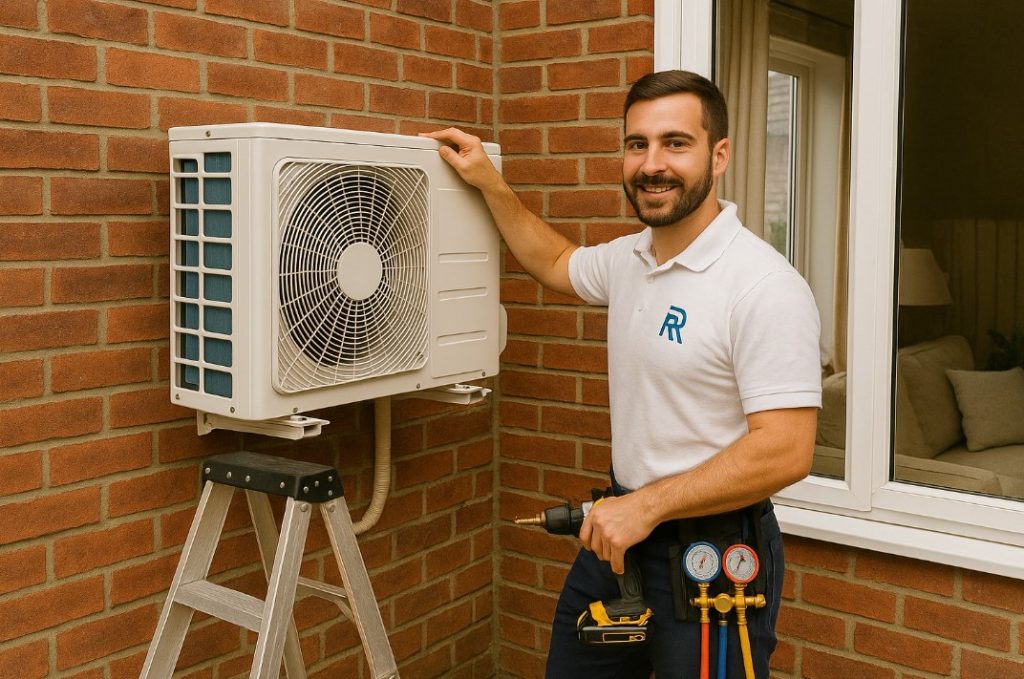
Compare any heat pump claim against the system type first. A comment about air-to-air heating can be irrelevant if your home needs an air-to-water setup.

Space, sound and siting decide suitability
A West London terrace with a small rear area, a North West London flat with shared walls and a high-end townhouse with visible external elevations all raise the same practical issue. The heat pump has to fit the property physically, acoustically and visually.
Air source heat pumps are the most common domestic heat pump type in the UK and can suit many homes, but the building still has to provide the right working conditions. Some homes need space for a hot water cylinder. Others need larger radiators or underfloor heating so the system can heat the rooms properly.
External units need a proper position
Outdoor unit siting is where many confident claims fall apart. The installer has to think about where the unit will sit, how sound travels, what neighbours are close to, and whether the chosen position creates planning problems.
In England, air source heat pump permitted development depends on conditions including compliance with Microgeneration Certification Scheme Planning Standards. Planning Portal states that MCS 020a becomes the only permitted certification scheme from 28 May 2026. Listed buildings, scheduled monument sites and conservation area limits can also change what is allowed.
A professional installer, such as RightAir Solutions, will usually survey these details before giving a confident recommendation, especially in West and North West London properties where access, visibility and neighbour boundaries can be tight.
Indoor changes affect comfort and practicality
Indoor space is the quieter deal-breaker. A hot water cylinder needs a real position, pipe routes need a sensible path, and indoor units or radiator changes have to work with the way you use the rooms.
Heat pump suitability in the UK is therefore a building question, not an age question. Older homes can be suitable when heat loss, emitters and controls are dealt with properly. A rushed phone quote cannot tell you that. Someone has to stand in the property and assess the constraints directly.

Ask how the handover will be handled. Many satisfaction issues start when the controls are explained too briefly for the way the system is meant to run.

A worthwhile quote gives you property-specific evidence
Reddit helps you gather doubts. A worthwhile quote answers them. The proposal should explain how the system is expected to perform in your home, using your building details rather than a generic claim about heat pump savings in the UK.
A headline efficiency figure is a weak guide on its own. Coefficient of Performance is tested under set conditions, while Seasonal Performance Factor gives a better annual view because it relates to how the system is expected to work across the year. The installer should calculate that figure from the home’s design and share it before work starts.
The proposal should answer these questions:
- What heat loss assumptions has the installer used for the property?
- Which system type is being proposed, and how will it handle hot water or room-by-room heating?
- Are the existing radiators or indoor units suitable for the comfort level you expect?
- How have running cost assumptions dealt with the system being replaced, the electricity tariff and hot water use?
- Where will the outdoor unit go, and how has sound been assessed for neighbours and planning?
- What will the controls handover cover, so you know how to run the system in daily use?
- If a grant is involved, which Microgeneration Certification Scheme route applies and who handles the Boiler Upgrade Scheme process?
Running costs need the same sceptical treatment. Heat pumps are generally cheaper to run than many other fuel types, but replacing a newer gas or oil boiler can leave you with slightly higher running costs because electricity costs more per unit than gas or oil. That single point explains a lot of heat pump running costs Reddit arguments.
For London homes, RightAir Solutions treats the survey as the point where the decision becomes specific. Outdoor unit siting, indoor space, acoustic impact and the heating brief all need to line up before the system makes sense.
The sharper question is whether your home has a coherent heat pump design, with the evidence written into the quote. If the answer is yes, Reddit becomes background noise rather than the deciding voice.

Common questions about heat pumps in UK homes
Can a heat pump work without solar panels or a battery?
Solar panels and batteries are separate decisions. A heat pump should be judged on the home’s heat loss, tariff, controls and system design before you treat add-ons as part of the answer.
Why can a heat pump feel different from a gas boiler?
Many heat pumps are set up for steadier heating over longer periods. If you expect quick bursts of high-temperature heat, the controls and handover need to explain the different running pattern clearly.
Could your electric bill rise after installing a heat pump?
Yes, your electric bill can rise because the heat pump uses electricity, but the relevant question is total heating cost compared with the system it replaces. The fairest comparison uses your tariff, hot water use and the home’s expected seasonal performance.
Do air-to-air heat pumps need a Microgeneration Certification Scheme installer?
A Microgeneration Certification Scheme certified installer matters where grant eligibility or permitted development standards apply. If you are considering air-to-air heating, ask the installer to explain the grant route and planning position before you rely on an online answer.
Does an older London home rule out a heat pump?
An older home does not rule out a heat pump by itself. The deciding points are heat loss, radiator or indoor unit suitability, space for equipment and whether the outdoor unit can be sited properly.
