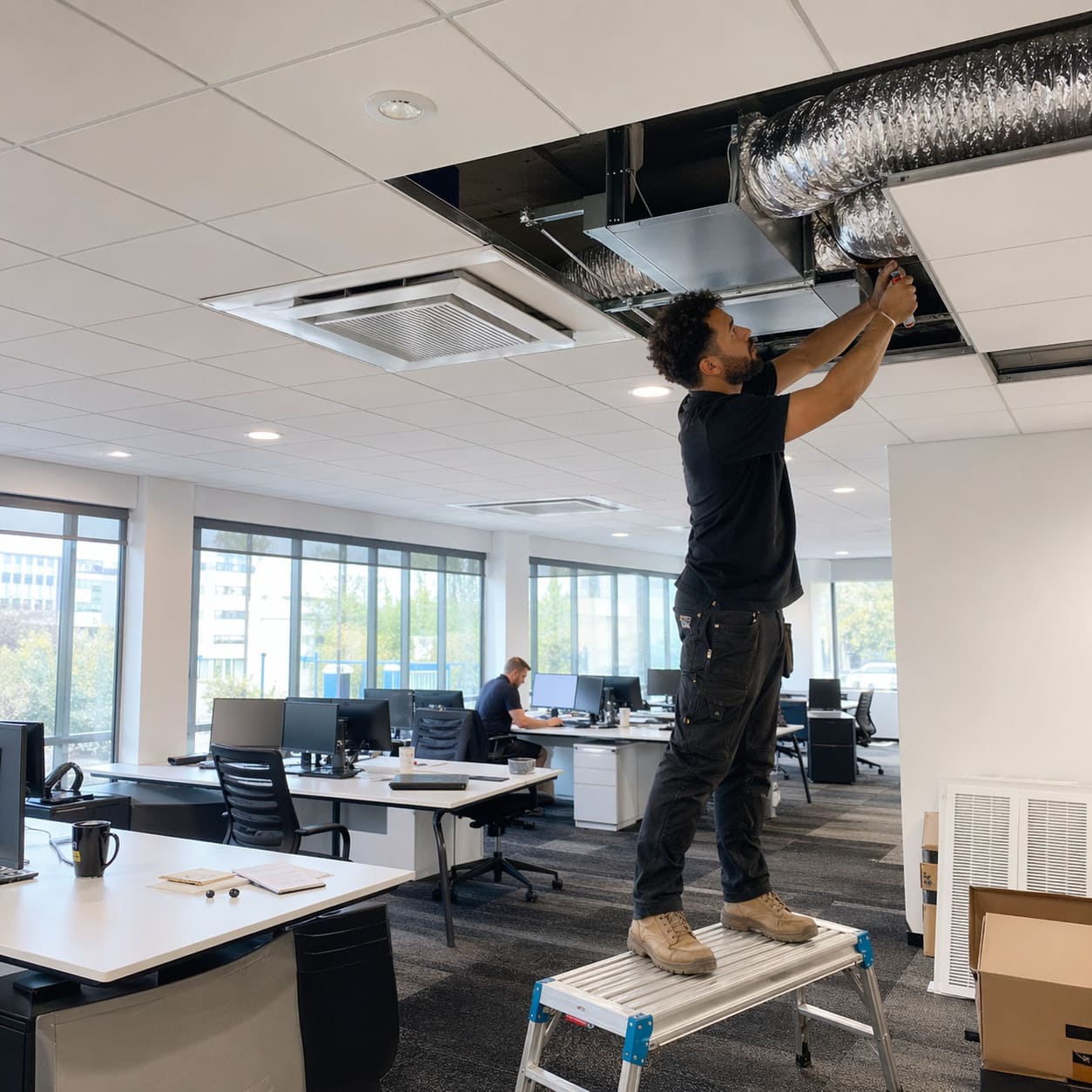
RightAir Solutions is a company that specialises in commercial air conditioning services.

Why is 2026 the most important year yet to upgrade your heating system in the UK?

With UK energy prices rising, new heating regulations on the way, and government grants like ECO5 shifting fast, 2026 is a key moment for homeowners. Choosing the wrong system now could lock you into high costs and inefficient technology. That’s why smart households are preparing early, not just to stay warm, but to future proof their energy use and cut bills in the long run.

Why Choosing the Right Heating System in 2026 Matters More Than Ever

Rising gas prices, tighter building rules and growing demand for eco friendly upgrades mean heating decisions in 2026 matter more than ever. According to Ofgem, the average UK household now spends significantly more on energy compared to just two years ago.

Add to that the shifting eligibility under ECO4 and ECO5 schemes, and it becomes clear that timing is crucial. Rightair and Citizens Advice both highlight that acting before major policy changes can boost savings and access to support.

The cost of inaction is rising too. Fuel poverty is growing across the UK, and energy supplier switching won’t fix inefficient heating. Making a smart investment now could protect both your comfort and finances for the next decade.

What Does “Budget Friendly” Really Mean for Heating Your Home?

Budget friendly heating isn’t just about a low upfront price. It’s about long term affordability: factoring in running costs, maintenance, efficiency and available grants. The most cost effective heating upgrade often depends on your property type, local tariffs, and the availability of smart controls.

Let’s compare two homes. One installs a cheap electric heater. The other invests in a heat pump using the Boiler Upgrade Scheme. Over 15 years, the difference in total ownership cost is substantial even if the heat pump cost more initially.

Example Comparison: Upfront vs Lifetime Costs

Heating SystemUpfront Cost  Annual Running Cost  Estimated Lifespan  15-Year Total Cost
Electric Heater£300£85010 years£13,050
Modern Gas Boiler£2,500£75015 years£13,750
Air Source Heat Pump    £6,500£45020 years£13,250

Factoring in things like payback period, efficiency, and access to support schemes changes the picture completely. Heat pumps may seem expensive at first glance, but their lower unit rate usage and high efficiency can make them the best long term value.

Understanding Payback Period: This is the number of years it takes to recover your investment through energy savings. To calculate it, divide the system’s upfront cost by your estimated annual savings compared to your old setup. Use this to compare cost-effective heating upgrade options for your home type.

Pro Tip: Install smart heating zones to avoid heating unused spaces and cut waste fast.

The 3 Biggest Heating Costs You Need to Plan For

When choosing an affordable home heating system in the UK, consider all three of these cost categories: installation, total energy spend, and maintenance. Older properties in colder regions like Scotland or the North West often require a larger upfront investment but also benefit the most from energy efficient upgrades.

1. Installation and Equipment

Depending on your home type, expect varying setup costs:

  • Gas boiler: £2,000 to £3,000

  • Heat pump: £5,000 to £13,000 (may be reduced via Boiler Upgrade Scheme)

  • Electric radiators: £100 to £500 per room

2. Energy Usage (Running Costs)

Running costs depend on your system’s efficiency and your fuel type:

  • Gas: ~11p per kWh

  • Electricity: ~27p per kWh

  • Heat pump efficiency: 300 to 450 percent

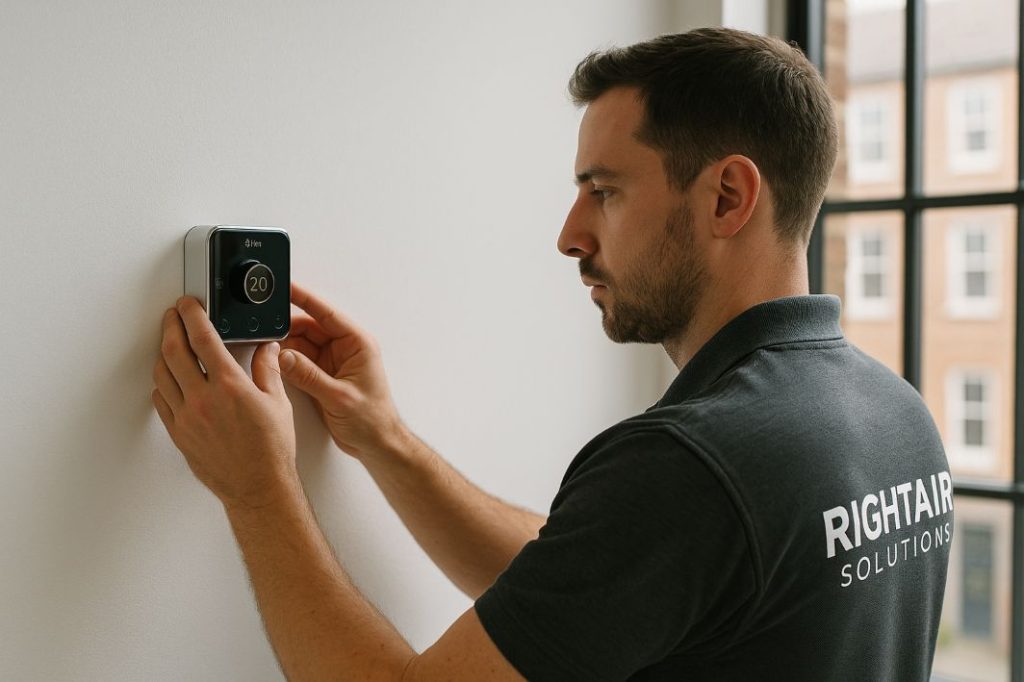
Smart controls and zoned heating also reduce usage, cutting monthly heating bills further.

3. Maintenance and Repairs

Older systems tend to break down more often, and inefficient setups lose performance each year:

  • Annual boiler servicing: £80 to £120

  • Heat pumps need fewer repairs

  • Service plans can help spread costs over time

Factor in tariff changes, winter usage spikes, and availability of repair parts.

Comparing Heating Systems: Which Ones Save You the Most?

Here’s how popular UK heating systems compare on cost, suitability and long-term savings:

  • Gas Boiler: The installation cost is approximately £2,500, with medium running costs and an efficiency of around 90%. It is best suited for homes with a gas connection.

  • Electric Radiators: These cost between £300 and £500 per room to install. They have high running costs but offer 100% efficiency. Electric radiators are ideal for flats or low-usage households.

  • Air Source Heat Pump: Installation of an air source heat pump starts from £6,500. It has low running costs and an efficiency ranging from 300% to 450%. This system is best for well-insulated homes.

  • Ground Source Heat Pump: The installation cost for a ground source heat pump begins at £10,000. It has very low running costs and an efficiency of 400% to 500%. These systems are most suitable for rural or large properties.

  • Hybrid Heating System: These systems typically cost £7,000 or more to install, with medium to low running costs and variable efficiency. Hybrid systems are ideal for transition homes with mixed heating needs.

When comparing heating systems UK-wide, always factor in energy tariffs, home size, fuel access and potential for grant eligibility.

How to Match the Best Heating System to Your Type of Home

Is a heat pump worth it in the UK? That depends largely on your home’s age, insulation, and location. Selecting the right heating system starts with understanding your home’s size, structure and energy profile.

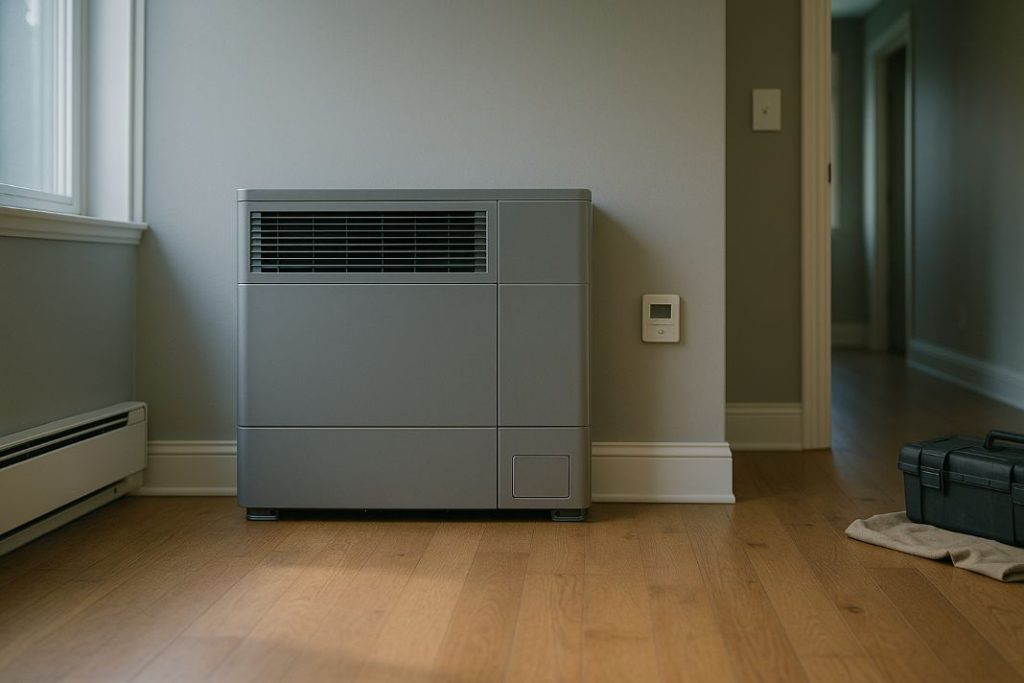
For flats or smaller urban homes, space saving options like electric radiators or compact air source heat pumps tend to work well. These systems are easy to install, and many modern flats are already set up with smart meters that allow users to benefit from off-peak pricing.

Larger detached homes typically need more powerful systems. Air source and ground source heat pumps offer scalable efficiency and are excellent for heating multiple zones or larger volumes of air. In these cases, smart heating zones help reduce unnecessary energy use.

If your home is off the mains gas grid, electric systems such as heat pumps are usually the best fit. These homes often qualify for more substantial government support under schemes like ECO5, making renewable systems more financially accessible.

Homes with poor insulation should prioritise energy efficiency improvements before switching to a new heating system. Without proper insulation, even the best heating technology will struggle to perform effectively. Upgrading insulation in walls, floors and lofts can make a dramatic impact on energy consumption and cost.

For a typical 3 bed terrace in Yorkshire or an older bungalow in Wales, total heating cost may vary, but choosing the right system can halve your monthly bill over time.

Pro Tip: Always improve insulation before upgrading your system to maximise efficiency.

Wrapping Up: Making the Smart, Budget Friendly Heating Choice

As 2026 approaches, UK homeowners have a unique window to upgrade their heating systems affordably and responsibly. Energy prices are unlikely to drop significantly, and upcoming changes to grants and regulations mean that the sooner you act, the better your options.

Start by assessing your current setup and understanding how well your home holds heat. Check your EPC rating, and improve insulation if necessary to maximise system performance. Then evaluate your heating needs based on property size, fuel access and your budget keeping both upfront and long term costs in mind.

Research available grants like ECO5 and the Boiler Upgrade Scheme to see how much support you could receive. Use a Rightair heating calculator or speak with their advisors to check grant eligibility online and get a quick overview of which systems best match your home.

The best system is one that fits your home, your lifestyle and your finances. Taking action now means fewer surprises in the winter, more control over your energy bills, and a warmer, more efficient home well into the future.

Ready to upgrade? Start comparing systems now and see if you qualify today, small steps now can lead to big savings later.

Share

Read Similar Blogs

RightAir Solutions

32 Donnington Rd, London NW10 3QU
 
020 3886 2326
 
GQRC+JX London