RightAir Solutions is a company that specialises in commercial air conditioning services.

What is the perfect home temperature for Christmas dinner?

The ideal home temperature for Christmas dinner sits comfortably between 20 and 22 °C. This range allows for natural warmth while accounting for the extra heat from cooking, guests, and movement. Rather than focusing solely on numbers, it’s about creating a festive home that feels cosy, relaxed, and welcoming from the moment guests walk in.

Create the “Jolly and Warm” Atmosphere from the Start

There’s a certain kind of warmth that makes Christmas feel magical. It’s more than physical heat it’s the atmosphere. Long before the central heating comes on, scent, lighting, and soft sound can create a festive embrace.

Simmering cloves and orange or a diffuser with cinnamon and pine can set the tone. Keep lighting soft and golden with fairy lights, candles, and low lamps. Steer clear of anything harsh or clinical.

Slow, familiar festive songs or gentle instrumental tracks can fill the space without overwhelming conversation. Guests should feel gradually embraced by warmth not overwhelmed the moment they step inside. All of this builds a holiday hosting atmosphere that starts with emotion, not just the thermostat.

Find Your Sweet Spot: The Ideal Temperature for Christmas Dinner (20–22 °C)

According to CIBSE and the Energy Saving Trust, 20 to 22 °C is a comfortable range for indoor winter warmth. The NHS suggests nudging it up a degree for elderly guests, who often feel the cold more keenly.

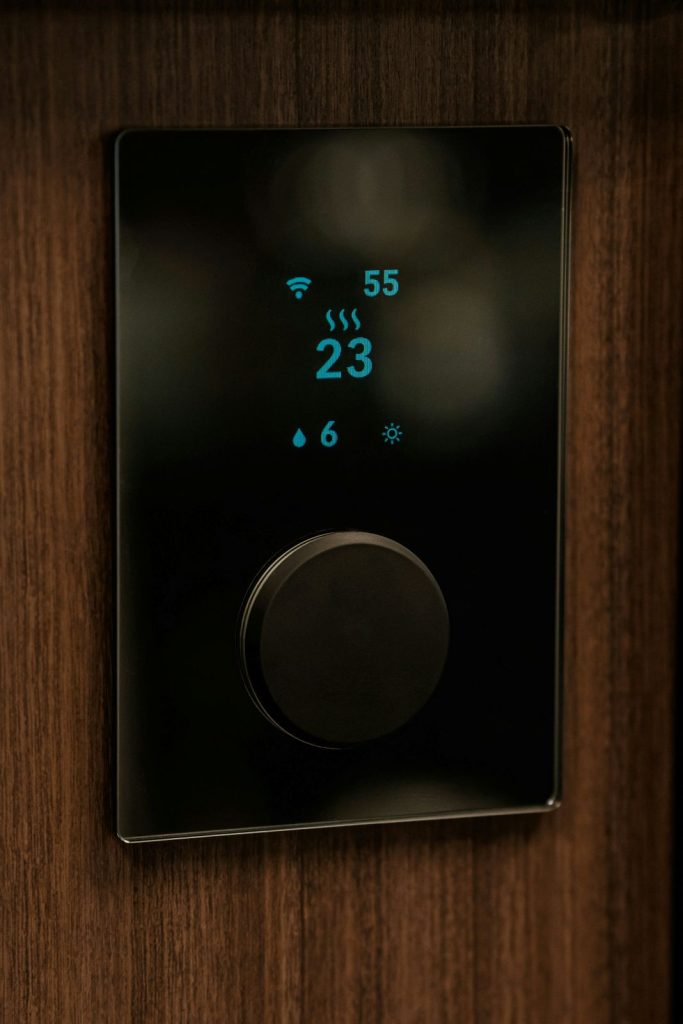
Because body heat and cooking raise the temperature, it makes sense to start at the lower end. Smart heating systems let you make subtle adjustments as the room warms.

Radiant heat the warmth you feel from objects like sofas, curtains, and rugs can enhance comfort without altering the air temperature. These soft additions do a lot of heavy lifting when it comes to ambient warmth.

For hosts wanting a room warmth guide, remember it’s about adaptability, not precision. Use your guests’ comfort as your baseline.

Pre Warm Like a Pro: Preparing Your Home Before Guests Arrive

Good heating is all about timing. In well insulated homes, you might only need 90 minutes to reach a cosy level. In older houses or those prone to draughts, you’ll want to start earlier. A smart thermostat makes this simple.

Draw curtains early to keep warmth in. Use draught excluders around doors and focus on heating the rooms where guests will gather. Radiator valves let you zone heating so each room can suit its own purpose.

To keep air fresh, crack a window for a few minutes about an hour before guests arrive. It resets the air without letting the heat vanish.

For better temperature control by room, consider radiator balance and door management especially in larger or less efficient homes.


Pro Tip: Lowering the thermostat by just 1 °C can save you up to £100 per year without sacrificing comfort.

Common Heating Mistakes to Avoid

Overheating the hallway or entry space can make guests feel flushed as soon as they arrive. Forgetting to ventilate leads to stuffiness and increased humidity, which can make your home feel heavy. Heating unused or empty rooms wastes energy and can make your system work harder than necessary. Focus your warmth where it matters most.

Handle the Heat: Balancing Cooking Warmth and Guest Comfort

Cooking creates serious heat, especially when the oven’s been going for hours. It’s a bonus and a burden. Without a plan, you’ll end up sweating while your guests feel the same.

Keep kitchen doors closed during early prep to contain the warmth. When things are ready to serve, open them up to let that extra heat flow into the rest of the house. Portable fans and extractor fans can help move warm air around and reduce stuffiness.

Turning down the thermostat before cooking kicks off gives you some breathing room literally. That way, rising heat won’t tip the balance.

In open plan homes, convection flow and heat zoning become crucial. Use kitchen heat strategically as part of your whole house heating plan.

Tailor Warmth to Your Space: Small Rooms vs Open Plan Homes

Every home has its quirks. A snug flat may hold warmth easily, while open plan layouts or rooms with tall ceilings need extra strategy.

In smaller spaces, 19–20 °C is often plenty once guests arrive. In larger areas, you might need to aim for 21–22 °C. Adjust radiator valves based on each room’s needs. If one space runs hot, leaving the door open can spread the warmth.

Use rugs to help insulate floors and block cold from below. In tall rooms, reversing your ceiling fan’s direction can push warm air back down into the space where it matters.

Zoning home heat can also be improved using curtains, shelves, or folding screens to create semi enclosed spaces. Layout optimisation makes a noticeable difference.

Set the Mood: Lighting, Scents, and Sounds That Feel Warm

Comfort isn’t just physical it’s sensory. The right lights, scents, and sounds can make a room feel warm, even when the thermostat stays still.

Choose warm toned bulbs with a lower Kelvin rating around 2,700K, to create that golden glow. Skip cold white LEDs and instead scatter lamps or fairy lights near seating areas to draw people in.

Scented candles or simmer pots with pine, cinnamon, or orange add festive comfort. Keep it light a hint of fragrance goes further than a full on fog.

For deeper sensory design, layer your atmosphere: lighting for warmth, fragrance for comfort, and sound for emotional ambience. Together they create the kind of cosy Christmas home that feels alive.

And if your space still feels chilly, even with the lights and music doing their best, consider upgrading your home heating or air conditioning with RightAir. Their tailored climate control systems keep London homes perfectly balanced year round so your comfort isn’t left to chance.

Background music adds richness too. Gentle holiday classics or soft instrumentals create a slower rhythm, helping everyone unwind.

Pro Tip: Use soft lighting and a diffuser in your hallway for a warm welcome before guests even take off their coats.

Stay Toasty, Not Wasteful: Energy Saving Tips for Christmas Hosts

Staying warm doesn’t need to mean spending more. There are several simple ways to heat your home efficiently and reduce costs while keeping everyone comfortable. First, try lowering the thermostat by just one degree often, no one notices the difference, especially when blankets and cosy layers are nearby. Radiator reflectors or foil panels behind your radiators can redirect warmth back into the room instead of letting it escape through the walls. Drawing your curtains as soon as dusk hits adds another layer of insulation, helping to trap that precious heat.

When guests begin to fill your home and the oven’s already working overtime, your home naturally heats up. Take advantage by turning the thermostat down slightly. Many smart thermostats allow you to automate these changes with scheduled settings, helping you shift into evening mode effortlessly. According to the Energy Saving Trust, these minor adjustments like dropping your thermostat by just 1 °C, could save around £100 annually. That’s warmth with a conscience.

Quick Tips for Smart Thermostat Users

  • Schedule living areas to warm from mid afternoon, and bedrooms later in the evening.

  • Adjust temperatures remotely using your phone if things heat up quickly.

  • If your device has sensors, let them manage room by room changes based on activity.

    Wind Down Gracefully: After Dinner Comfort and Cool Down

    When the meal’s done, shift into evening mode. Turn the thermostat down a notch and open a window just a crack to let in fresh air and reduce humidity.

    Encourage guests to move into a cosy room. Dim the lights, hand out blankets, and switch to calmer music. This sets a slower, more relaxed tone to wind things down.

    Dealing with Humidity and Condensation

    Managing humidity is a key part of post dinner comfort, especially if you’ve had a house full of people and a kitchen full of steam. Aim to keep indoor humidity levels between 40 and 60 percent for the best balance between warmth and air quality. A small digital hygrometer can help you monitor this throughout the day, giving you insight into when it’s time to intervene.

    If you notice windows fogging or the air becoming heavy, ventilate briefly by opening a window. Even a few minutes of airflow can restore balance without dropping the temperature too much. Avoid drying clothes indoors on Christmas Day, as it adds unnecessary moisture to the air. These small, thoughtful steps help you maintain a calm and comfortable environment well into the evening.

Share

Read Similar Blogs

RightAir Solutions

32 Donnington Rd, London NW10 3QU
 
020 3886 2326
 
GQRC+JX London