Deck the Halls with Smart Thermostats: How Technology Can Save You Money This Christmas
Struggling with winter bills? Discover how smart thermostats save energy and cash during Christmas with real UK insights you haven’t heard yet
RightAir Solutions is a company that specialises in commercial air conditioning services.
Heat pumps usually show warning signs before failing entirely. Spotting them early can help you avoid costly repairs or being left without heating or cooling. If you notice odd noises, changes in airflow, temperature fluctuations or rising energy bills, your system could be signalling a problem. These early signs of heat pump failure often go unnoticed until comfort is affected.
When your thermostat is set to heating but the air feels cool or only slightly warm, the system might not be working as expected. On a cold morning in London, you should feel steady warmth. The issue could be low refrigerant, the wrong mode, a thermostat problem or a system stuck in defrost mode.
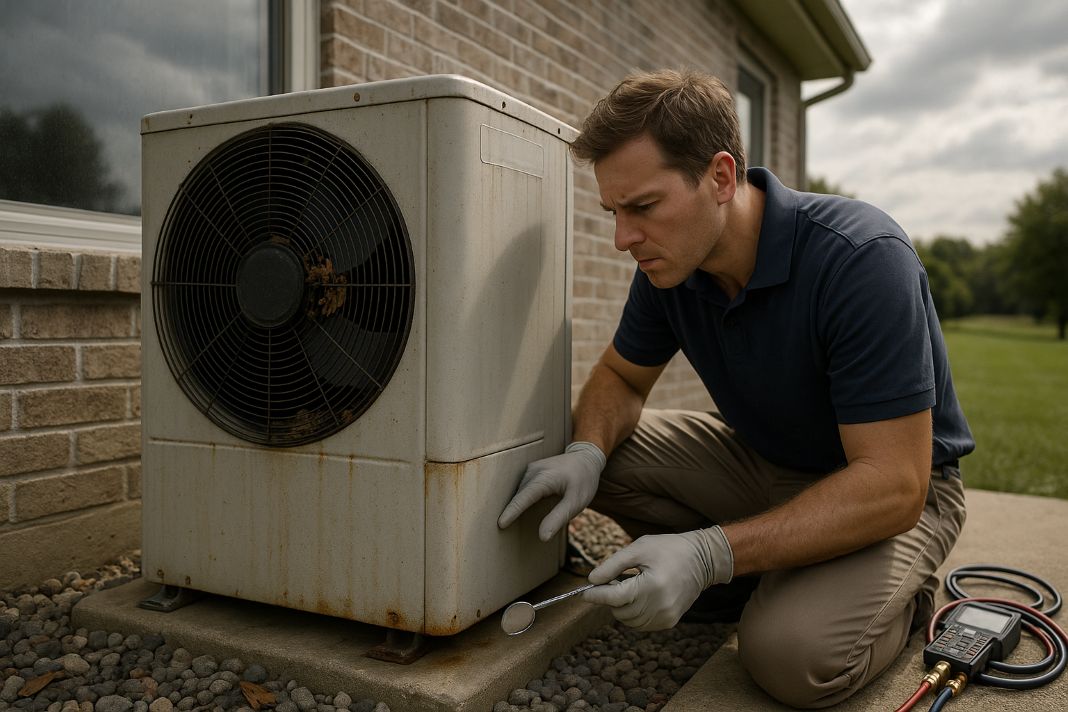
Start by checking your thermostat settings. Then listen for strange sounds or look for frost on the outdoor unit. Problems like refrigerant loss, poor compressor performance or the indoor and outdoor units being out of sync may need attention. These are common heat pump fault signs that often indicate deeper issues.
Unusual sounds can mean trouble inside your heat pump. If it sounds like a washing machine spinning with nothing inside, you could be dealing with a loose fan blade or vibration from ice. Buzzing and clicking often suggest electrical issues like a faulty capacitor or contactor.
Whining or humming might point to motor strain or compressor wear. These early noises are clear signs your heat pump is not working properly and could soon fail.
Pro Tip: If your system turns off and on frequently, it could be short cycling. This issue wears down components fast and spikes your energy bills.
It is normal to see some frost on very cold days, but a heavy layer of ice during mild weather is a warning. In London, visible ice on the grille or coils when temperatures are above freezing may mean poor drainage, a blocked fan or a defrost board problem.
Ice reduces airflow and increases pressure, which can damage the compressor. The most common causes include sensor issues, faulty defrost timers, poor fan rotation or clogged drainage. Left unchecked, these heat pump problems can reduce efficiency and cause permanent damage.
If you are paying more but using your heat pump the same way, it might be running inefficiently. This often happens when filters are clogged, refrigerant is leaking, or the compressor is wearing out.
Auxiliary heating may be kicking in without you noticing, using more energy than usual. You can use a smart meter to check your usage, or compare it against typical readings published by Ofgem. A sudden spike may suggest hidden issues requiring heat pump repair.
Heat pumps work hardest during winter, especially when temperatures dip just above freezing. This is when defrost cycles run more often, and backup heat may activate. Spring and autumn bring pollen and dust that clog filters more quickly. In summer, the system may struggle if coils are dirty or ventilation is poor.
If the air feels too light or does not reach some rooms, airflow might be restricted. Dirty filters, blocked grilles, leaky ductwork or fan problems are common reasons.
A fan motor under strain or an air handler starting to fail can reduce circulation. If one part of your home feels much colder than another, it is time for a technician to take a closer look. Weak airflow is one of the most common signs your heat pump is not working properly.
A heat pump that keeps switching off and back on quickly is short cycling. This pattern puts stress on the system and often leads to higher energy bills and reduced comfort.
The issue might be low refrigerant, a control board fault, incorrect sizing or a poorly placed thermostat. When cycles become too short to maintain indoor temperature, call a qualified engineer to investigate. Short cycling is a classic heat pump fault sign that reduces lifespan.
Moisture around your unit is never a good sign. It can be caused by a clogged drainpipe, rusting evaporator tray or corrosion inside the system. Leaks not only risk structural damage but also reduce efficiency and indoor air quality.
Look for peeling paint, damp walls or rust marks near the system. These small details can lead to bigger problems if ignored. If you are in London and spot any of these, it is time to book a heat pump repair visit.
Smaller problems can go unnoticed. Light vibration underfoot, minor smells, strange thermostat messages or uneven temperatures are often dismissed. But these are often early signs of deeper faults.
If something feels off with your heating or cooling, it is best to ask a professional. An engineer can catch faults before they become costly. These early signs of heat pump failure often indicate wear on key components before major symptoms appear.
Some problems get worse quickly, like a refrigerant leak, which can lead to a breakdown in a week. Others, like airflow restriction, may take months to show obvious signs.
All the components in your heat pump work together. When one starts to fail, it often affects others. Fixing small issues early usually costs less and helps avoid bigger breakdowns.
Here is a quick guide:
The system blows cold air while set to heating
Buzzing, clicking or grinding noises are present
Energy bills are climbing with no clear reason
There is water near or inside the unit
Airflow is weak or patchy in different rooms
The system keeps turning off and on frequently
Ice appears on the outdoor unit in mild weather
If you have noticed any of these issues, get help before it turns into a full breakdown. These signs are part of the broader heat pump problems checklist every homeowner should know.
[Book a Heat Pump Service in London] with RightAir for a professional diagnosis and fast repairs.
A routine heat pump service includes:
Checking refrigerant charge and pressure
Cleaning indoor and outdoor coils
Inspecting electrical parts and connections
Testing thermostats and control boards
Clearing the drain system and checking defrost settings
Keeping your system well maintained improves performance, lowers your energy bills and helps avoid emergency callouts. Regular servicing reduces repair costs and helps prevent issues that could invalidate your warranty. Always choose an MCS certified engineer to ensure proper maintenance and warranty compliance.
After a service, your heat pump should run more quietly, maintain room temperature better and deliver stronger airflow. Your energy use might become more consistent, and you will feel the difference in comfort.
If it has been over a year since your last check, book a visit with RightAir to keep your heat pump in top condition.

Deck the Halls with Smart Thermostats: How Technology Can Save You Money This Christmas
Struggling with winter bills? Discover how smart thermostats save energy and cash during Christmas with real UK insights you haven’t heard yet

Keeping Warm This Christmas: How to Efficiently Use Your Air Conditioning for Winter Heating
Can air conditioning really keep you warm this Christmas? Find out how it works what it costs and why it might save you more than you think.

Can Air Conditioning Replace Central Heating in a UK Home?
Thinking of ditching your boiler? This guide reveals whether modern AC can heat your home year round and what to watch out for before you switch.
RightAir Solutions
At RightAir Solutions, we provide air conditioning services to domestic and business customers for heating and cooling units. We also supply and fit commercial AC and HVAC services with our insured, qualified and experienced London team of air con engineers.