Why Your Heating Routine Needs a Holiday Update
Should you change your thermostat settings for the festive season?
Yes, because December shifts how homes are used. Late night dinners, overnight guests, and days away make normal weekday/weekend heating routines unfit for purpose. If your settings stay the same, you’ll either waste energy or feel cold at the wrong times.
The festive period brings unpredictable schedules and seasonal changes. One day the house is busy, the next it’s empty. You might spend the morning cooking or have a full spare room for the first time in months. These shifts often cause energy spikes if your thermostat habits stay unchanged.
Even if you’re only gone for two days, your heating setup deserves a quick look. With Hive, Nest, and guidance from , it’s simple to make smart, seasonal adjustments.
- Why Your Heating Routine Needs a Holiday Update
- Get Ahead: Prep Your Smart Thermostat Before the Festivities Begin
- What if You Don’t Have a Smart Thermostat Yet?
- The Best Smart Thermostat Features to Use Over Christmas
- Sample Holiday Schedules: Warm Welcomes, Cosy Nights & Energy Savings
- How to Heat Guest Rooms Without Wasting Energy
- Balancing Comfort and Cost During Parties & Downtime
- What Can Go Wrong? Common Holiday Heating Mistakes
- How to Set It All Up Using Your Thermostat’s App
- Post-Holiday Reset: Returning to Normal After the Festive Period
- A Few Final Tips
Get Ahead: Prep Your Smart Thermostat Before the Festivities Begin
It pays to plan. Waiting until Christmas week leads to missed settings, chilly rooms, and unnecessary stress. A bit of preparation makes all the difference.
Simple Pre-Holiday Checklist:
Delete old or unused schedules
Test smart devices, especially guest room radiator valves
Set a reminder to review settings a week in advance
Add travel dates or parties into your heating planner
Run a boiler check and cold weather system test
Apps from Hive, Tado, and Nest allow daily or weekly overviews, ideal for spotting gaps between your plans and your schedule. With smart heating preparation, there’s one less thing to worry about.
What if You Don’t Have a Smart Thermostat Yet?
Smart heating brings convenience, but not everyone has made the switch. If you’re still using a basic programmable thermostat or traditional dial controls, you can still stay energy aware this Christmas. Try to reduce heating when you’re away from home and focus warmth where and when it’s needed, like an hour before bedtime or just before guests arrive. For those considering an upgrade, RightAir offers guidance on choosing the right smart thermostat for your home.
Pro Tip: Always check if your smart thermostat has a low temperature safety setting before leaving for the holidays.
The Best Smart Thermostat Features to Use Over Christmas
Smart thermostats offer tools that become especially useful in December. Many of these go unnoticed most of the year, but now’s the time to use them.
Which Features Should You Use During the Holidays?
Holiday Mode: Lowers heating while you’re away and resumes normal settings on return
Geofencing: Tracks your phone location to turn heating on or off automatically
Guest Control or Manual Override: Allows temporary adjustments without disrupting your main schedule
Zoning: Heats specific rooms based on use
Pause Learning Mode: Stops your system from adapting to unusual routines
Heating just the guest room instead of the whole upstairs? That’s zoning in action. These features support comfort while keeping festive energy use under control.
Sample Holiday Schedules: Warm Welcomes, Cosy Nights & Energy Savings
Here’s a flexible template for the holiday period. It helps you balance energy use with family routines, lie-ins, and events.
Suggested Schedule for 24 December – 2 January:
24 December:
07:00–09:00: House warm-up to 19°C
13:00–16:00: Lower to 16°C during prep
17:00–23:00: Boost lounge/dining to 21°C
25–27 December:
08:00–10:00: Bedrooms and bathrooms at 20°C
11:00–16:00: Hallways and unused spaces at 17°C
17:00–22:00: Lounges and kitchen prioritised
28–30 December:
Reduce to 16°C in low-use rooms, maintain 19°C in core spaces
31 December:
18:00–01:00: Boost lounge and kitchen for gatherings
2 January:
Resume weekday routines
These Christmas heating templates work with Hive, Tado, Nest and other smart systems. Most apps let you copy schedules across dates.
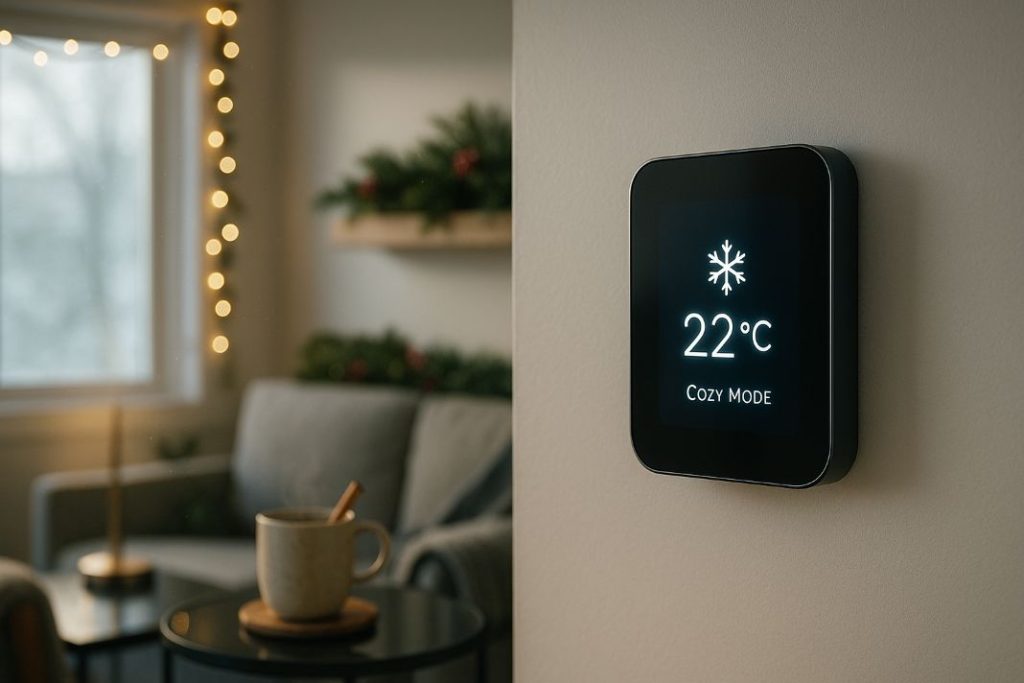
How to Heat Guest Rooms Without Wasting Energy
You want guests to feel welcome, but you don’t need to heat empty hallways. With zoning and radiator controls, you can keep things comfortable and efficient.
Smart Ways to Keep Guests Comfortable
To keep your guests comfortable without wasting energy, start by heating bedrooms about an hour before bedtime. This can be easily achieved using thermostatic radiator valves (TRVs) or smart radiator controls. There’s no need to keep spare rooms warm all day when a short scheduled boost will do.
It’s also worth turning down the temperature in rooms that won’t be used, such as storage spaces or seldom-used hallways. These zones don’t contribute to guest comfort but can add unnecessary cost if left heated.
Bathrooms deserve a little attention too. A brief morning warm-up can make early showers or baths much more pleasant for overnight visitors.
If guests change their plans or stay longer than expected, your smart heating app makes it easy to override existing settings with just a few taps. Systems like Hive Multizone and Tado Smart Radiator Valves allow quick and accurate adjustments that focus warmth where it’s needed most, without overheating areas no one is using.
Balancing Comfort and Cost During Parties & Downtime
When the house fills up, natural heat rises. Cooking, extra bodies, and open doors all contribute.
What to Adjust
When hosting, your home naturally gets warmer thanks to extra bodies, open doors, and busy kitchens. During large gatherings, consider lowering your target temperatures slightly – the collective body heat will often be enough to maintain comfort.
Later in the evening, especially during film nights or board games, it makes sense to increase the warmth in living rooms or lounges to keep everyone comfortable. The lounge becomes a central hub and benefits from a short heating boost.
Kitchens, on the other hand, often stay warm through cooking alone. You can safely shorten the heating periods here, particularly during meal prep times.
Finally, if your thermostat uses learning mode, consider pausing it for the holiday period. Unusual schedules can confuse your system and lead to unwanted adjustments later. Smart heating for gatherings works best when you stay in control and respond to what’s happening in each room.
What Can Go Wrong? Common Holiday Heating Mistakes
Smart systems need checking now and then. Knowing what to look out for helps avoid waste and problems.
Common Issues
Some of the most common holiday heating issues come down to small oversights. One example is forgetting to switch off away mode after you’ve returned home. This can leave your house underheated for days.
Another problem arises when motion sensors pick up activity from pets. If your smart system includes room sensors, it may misread pet movement as occupancy and begin heating an empty room unnecessarily.
Learning mode is great for everyday use, but during the festive period, it might start adapting to irregular behaviours – like late night parties or family lie-ins – that won’t continue in January. This can cause future scheduling hiccups.
Cold weather also increases the risk of frozen pipes, especially if rooms are left unheated for too long. Smart thermostats with frost protection can help, but it’s important to check each zone is covered.
Lastly, eco mode might lower temperatures too much if not monitored. While it helps save energy, during colder spells or busy periods it may leave living areas less comfortable than intended.
Pipe Freeze Prevention
Extended time away during cold snaps can lead to frozen pipes, a costly and preventable problem. To stay safe, set a minimum temperature of around 7°C throughout the home. Most smart thermostats, including Hive and Tado, offer frost protection or low-temperature safety settings. Use them when the house is empty for more than a day or two.
Set app alerts to help monitor temperature drops or unusual activity. These sensor mis-readings or low usage mode oversights are common holiday heating risks, but easily avoided.
Trusted by Homeowners Across London
Pro Tip: Use your app’s repeat settings to avoid reprogramming every day manually.
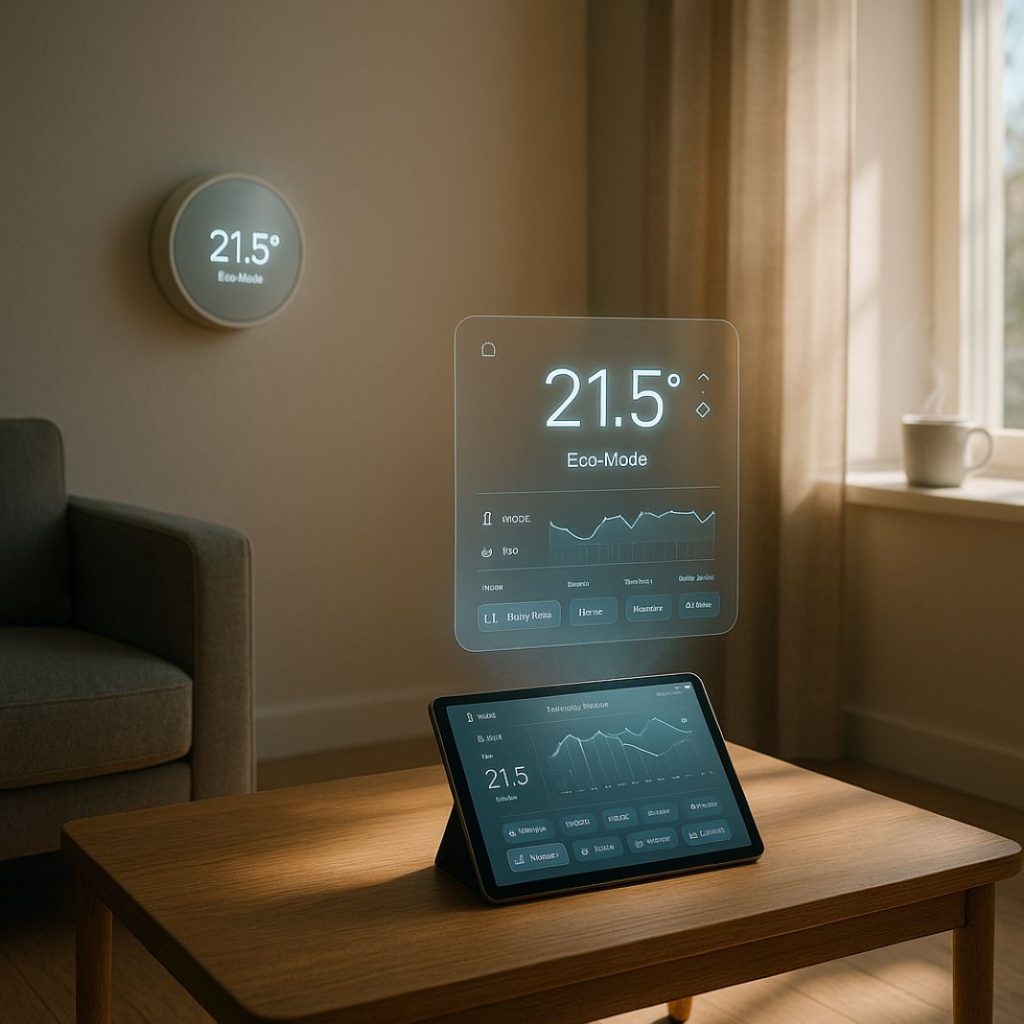
How to Set It All Up Using Your Thermostat’s App
Most smart heating apps share a similar setup process. Here’s how to get your festive heating settings in place.
Holiday Setup Step by Step
Open the schedule or planner in your app
Select festive dates to adjust
Set times and temperature blocks for each day using the schedule editor
Add one-off boosts for events or arrivals
Use repeat settings for multi-day plans and enable zoning
Save all changes and review event-based control options
Whether you’re using Apple HomeKit, Google Home, or manufacturer apps, holiday scheduling apps let you implement festive thermostat settings in minutes.
Post-Holiday Reset: Returning to Normal After the Festive Period
Once the decorations are down, reset your heating. Leaving holiday settings active wastes energy and leads to unexpected temperatures.
Reset Checklist
Switch back to your regular weekday/weekend routine
Turn learning mode back on to resume habit syncing
Review usage data from the past fortnight for insights
Clear out guest profiles, temporary zones or extra schedules
Resetting your thermostat schedule helps the system sync with your regular patterns, a crucial part of smart heating after holidays. This avoids continued heating in empty rooms and supports a smooth return to normal.
A Few Final Tips
Heating setups don’t need to be perfect, they just need to reflect what’s happening in your home. Keep things flexible and check in now and then.
Flexibility is key during the festive period. Plans often change, guests might arrive early, stay longer, or not show at all, so it helps to keep your heating schedule adaptable. Build in enough room to tweak your settings without needing to start from scratch every time.
It’s also a good idea to check your smart thermostat every couple of days. A quick glance at the app can reveal if any zones are over or under-heated, especially if you’ve recently changed your plans.
And if your heating schedule becomes too complicated or stops reflecting what’s actually happening in the home, don’t hesitate to reset it. Clearing things out and starting fresh can save time and energy, especially when your thermostat is responding to real life conditions rather than leftover presets.
If you need advice, RightAir is ready to help. From festive heating support to choosing the right system, they’re a trusted name for smart heating help across the UK.
Get Expert Thermostat Setup Help
Confused about smart heating features? We’ll set it up the right way for your home, so you don’t have to guess.
Read Similar Blogs
Air conditioning in a conservation area: what you can and can’t do without approval
Learn how to install air conditioning in a conservation area, when approval is needed, and practical steps for planning compliant, discreet solutions.
Whole-life cost of air conditioning in London: what nobody tells you about the first five years
Discover the real five-year costs of air conditioning in London, from installation to maintenance, energy bills, and comfort tips unique to local properties.
Get your air conditioning ready for summer with this practical pre-season checklist. Avoid breakdowns and enjoy reliable cooling even on the hottest days.
RightAir Solutions