
RightAir Solutions is a company that specialises in commercial air conditioning services.

Why do air conditioning installers need so much information before giving a quote?

Accurate quotes for air conditioning rely on more than room size alone. Installers need details about your home to design a system that works efficiently, suits your usage, and avoids unexpected changes. Without that level of detail, quotes become guesses, which often result in the wrong setup, delays, or higher bills.

Why Installers Ask for Detailed Information Before Quoting?

Calling a tailor and asking for a suit using only your height and the word “medium” will not deliver a proper fit. Air conditioning works in a similar way. Installers can’t quote accurately without specifics.

Many people hope for a quick price over the phone. But good pricing depends on room usage, property layout, access, and more. Without this, phone quotes often miss key factors like heat load, pipe routing, or build structure. Installers are thinking about long-term performance, not just installation.

When installers lack early detail, quotes become placeholder estimates. That’s when costs shift and plans start to fall apart.

Why Phone Quotes Often Miss the Mark?

Phone estimates often assume standard conditions. If your home has thick brick walls, long pipe runs, or unusual layouts, the actual materials and labour involved could be very different. That’s why quotes frequently change after the first visit.

What a Site Survey Really Reveals About Your Property?

Site surveys are not a tick-box exercise. They let installers assess what photos can’t showwall ty, pes, ceiling height, insulation quality, and natural light patterns.

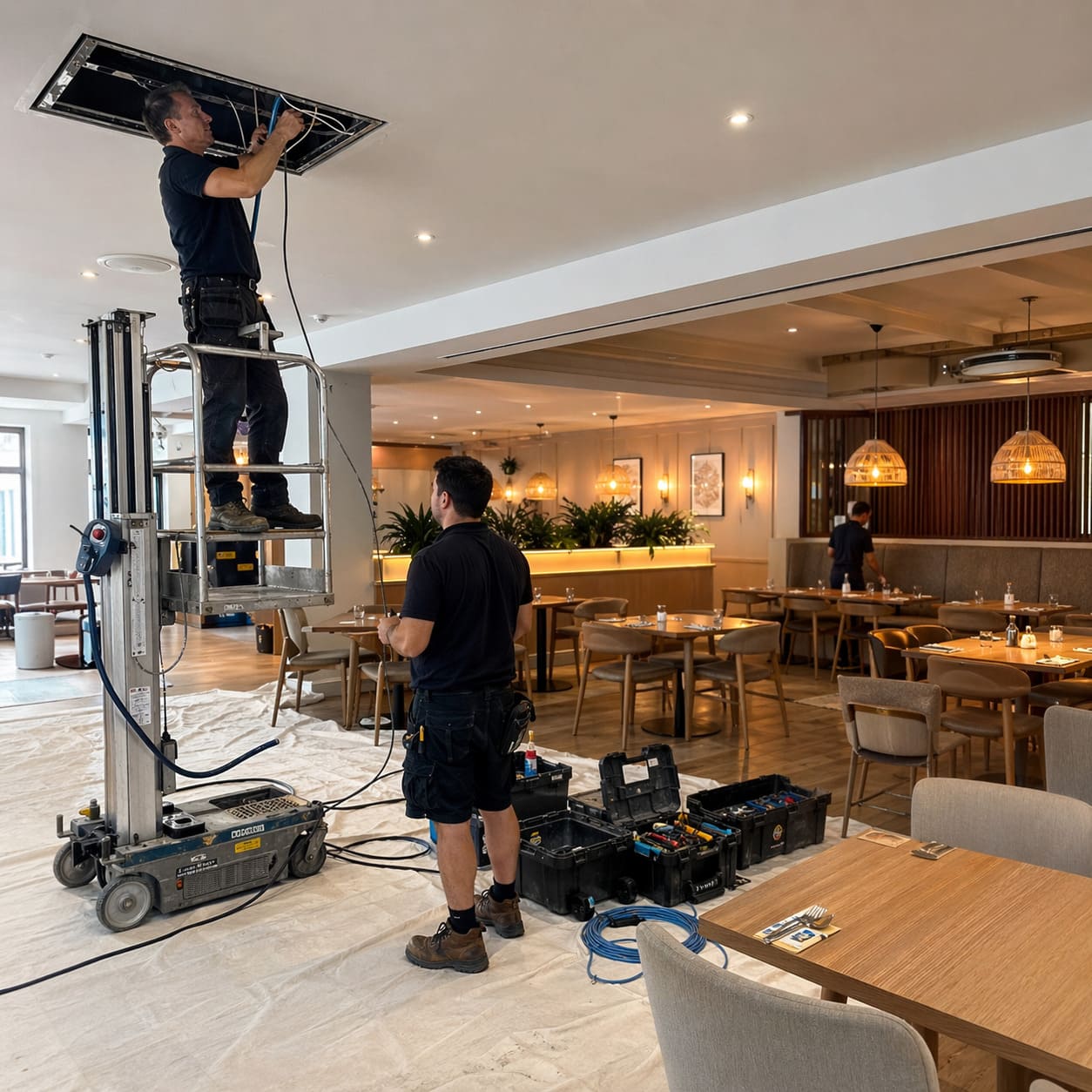
Homes in London often have quirks. Staircases may be too narrow for equipment, pipe routes may be obstructed, and shared walls can complicate plans. A site visit helps the installer understand airflow and access first-hand.

It also confirms what can be installed safely and effectively. An air conditioning site survey ensures the proposal fits the thermal behaviour and structure of your home.

Pro Tip: If you live in a flat or listed building, ask about outdoor unit restrictions before quoting begins.

The Property Details That Shape System Design and Pricing

Room dimensions are only part of the equation. What also matters is how warm a room gets, how air moves through it, and how well the space is insulated.

A shaded terrace bedroom will not need the same setup as a bright, south-facing flat. Even if the dimensions match, their thermal performance differs completely.

That’s why installers ask about glazing, insulation, layout quirks, and orientation. These property details shape the system’s capacity and installation effort, which ultimately determine the cost.

How Your Intended Use of Each Room Changes the Quote?

How you use each room directly affects how the system is designed:

  • Hobby rooms with equipment generate heat and need extra cooling

  • Bedrooms benefit from quieter, zoned operation

  • Kitchens often require rapid, high-capacity response

Zoning refers to having different settings for separate rooms. It can help match comfort levels to real life routines.

Room usage, activity levels, and time-of-day patterns all play a part in shaping the quote. Installers ask these questions to plan a system that meets expectations.

Book a Site Survey

Let our engineers assess your property the right way from the start.

Structural Realities Installers Must Check Before Pricing

Your property’s build affects complexity and cost.

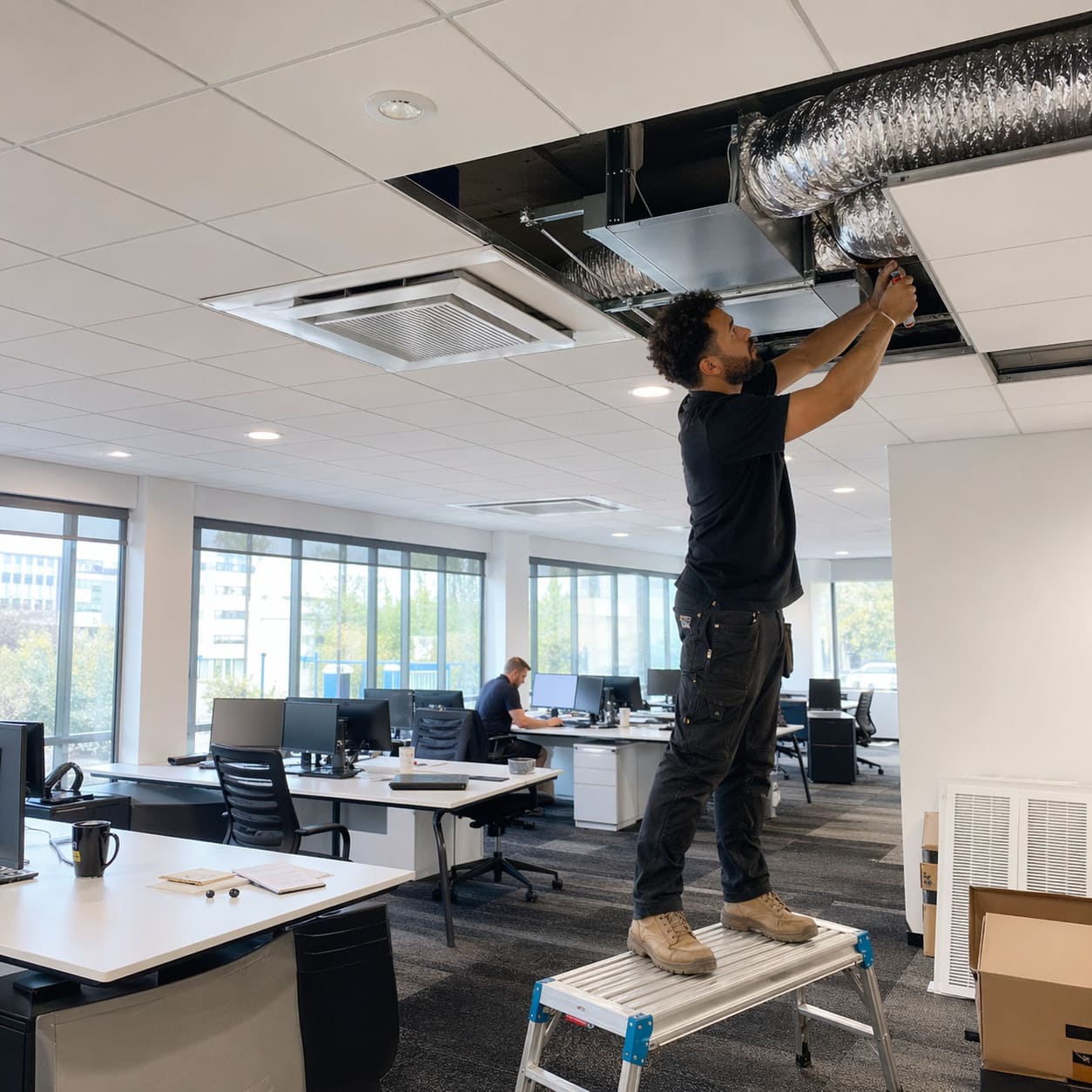
Timber floors and ceiling voids allow for neater pipe runs. Solid masonry may require visible trunking and specialist drilling. Installers also consider how easy it is to get the equipment in, whether stairs are narrow or lofts are restricted.

These elements influence the labour, appearance, and overall feasibility. That’s why structural checks are always part of the quoting process.

Outdoor Unit Placement and Why It Matters to Your Quote

The outdoor condenser plays a key role in system performance. Where it is placed can affect cost, noise, airflow, and even legal compliance.

The unit must have enough ventilation and be mounted safely, ideally out of view. Some homes make this simple. Others, like flats, may require brackets or clever routing to avoid disturbing neighbours.

Do You Need Permission for Outdoor Unit Placement?

In flats or listed buildings, outdoor units may need approval. If they are visible from the street or installed on shared areas, permission might be required from a freeholder or the council. Good installers will help you understand whether this applies to your property.

Pro Tip: Use your room’s sunlight pattern to estimate cooling needs, it affects sizing more than you think.

Technical Factors That Influence an Installer’s Assessment

Some checks are invisible but essential. Installers examine your electrics to avoid overloading circuits. They assess whether condensate can drain naturally or whether a pump is required. They calculate maximum pipe lengths and ensure the design meets F-Gas regulations.

These are technical, often hidden steps. But they affect cost, performance, and legal compliance, so they are always factored into your quote.

How Good Information Prevents Quote Revisions Later?

Detailed information helps prevent price changes. When installers know what to expect, quotes stay more stable and surprises are reduced.

This avoids delays, extra labour, and awkward changes. It also ensures your system is sized correctly, avoiding strain or waste.

The Cost of a Mismatched System

A unit that is too small will run constantly and wear out quickly. One that is oversized may cycle on and off too often, wasting energy. Both impact comfort and long-term efficiency.

Getting the design right from the start saves time and money.

Get a Precision Quote

Share your room details and get a tailored estimate for your installation.

Preparing Your Information Before Contacting an Installer

Being prepared makes everything easier. Here’s what to get ready before requesting a quote:

What to Prepare in Advance?

  1. Photos of each room and the outdoor area

  2. Room measurements: length, width, and height

  3. How each space is used (e.g. sleeping, working, entertaining)

  4. Special features: lofts, glass walls, server racks

  5. Any access limitations or parking notes

Installers like RightAir Solutions may request this upfront. It speeds up design, keeps quotes accurate, and prevents delays later on.

Share

Read Similar Blogs

RightAir Solutions

32 Donnington Rd, London NW10 3QU
 
020 3886 2326
 
GQRC+JX London