Why does your home feel damp in winter, and how can ventilation solve it?
During the colder months, homes tend to become warm, enclosed spaces where moisture builds up easily. When this warm, moisture-rich air touches cold surfaces like windows, walls, or tiles, it condenses into water droplets. Without proper air circulation, that excess moisture lingers, making the environment feel clammy and uncomfortable. Ventilation offers a simple but powerful solution. It removes heavy, humid air and brings in fresher, drier air from outside. This process not only prevents condensation but also helps maintain indoor comfort and keeps dampness under control.
- Why does your home feel damp in winter, and how can ventilation solve it?
- Why Winter Makes Your Home Feel Damp?
- What Actually Causes Damp Indoors During Winter?
- How to Recognise Winter Damp Before It Becomes a Problem?
- Why Ventilation Is the Key to Stopping Winter Damp?
- Everyday Habits That Help Reduce Damp in Cold Weather
- Do Indoor Plants Help or Hurt?
- When You Need More Than Habits: Mechanical Ventilation Options
- What Happens If You Ignore Damp During Winter?
- Bringing It All Together: A Winter Ventilation Plan for a Dry, Healthy Home
Why Winter Makes Your Home Feel Damp?
On a frosty morning, you might walk into the kitchen and find the windows fogged with condensation from last night’s heating and today’s breakfast routine. This is a clear sign your home is holding onto too much moisture. In winter, we naturally seal up our homes to stay warm. We close windows, block draughts, and turn up the heating. These actions keep the warmth in but also trap moisture. Everyday activities like boiling the kettle, cooking dinner, taking a hot shower, or drying clothes indoors all release water vapour into the air. When that warm, humid air touches cooler walls, windows, or ceilings, it turns into water droplets that can gather and linger.
This damp feeling is not a reflection of poor housekeeping or bad hygiene. It simply means the air has reached its moisture capacity and has nowhere to release it. Without ventilation, moisture builds up in the indoor environment. Ventilation helps by extracting stale, damp air and replacing it with fresh, drier air that keeps your living space comfortable and dry. This process regulates the internal moisture load and reduces the risk of condensation issues in winter.
What Actually Causes Damp Indoors During Winter?
The damp conditions we associate with winter come down to simple interactions between air temperature, moisture, and airflow. Several everyday factors contribute to the problem, often working together.
Condensation is the most common culprit. It happens when warm, moisture-laden air comes into contact with a cold surface, forcing the air to release its water vapour as droplets. This is why windows, mirrors, and uninsulated walls often show signs of wetness in winter. Moisture from daily living adds significantly to the air’s humidity levels. Showers, cooking, using kettles, and drying clothes indoors can release several litres of water into the air each day.
When homes are poorly ventilated, this moisture has nowhere to go. Modern properties, particularly those that are tightly sealed for energy efficiency, often struggle with airflow. Air that is not moving cannot release its moisture effectively, and over time, this leads to damp patches and mould growth. Cold corners and thermal bridges areas where heat escapes more quickly create cold spots that attract condensation. It is important to understand that winter damp differs from structural damp caused by leaks or rising moisture. Winter damp is an indoor air issue, and insulation alone cannot solve it. Even the best insulated homes need air exchange to keep humidity in check.
The dew point also plays a role. This is the temperature at which air becomes saturated and can no longer hold water vapour. When indoor surfaces fall below this point, condensation occurs. Maintaining steady temperatures and good airflow helps prevent reaching that threshold.
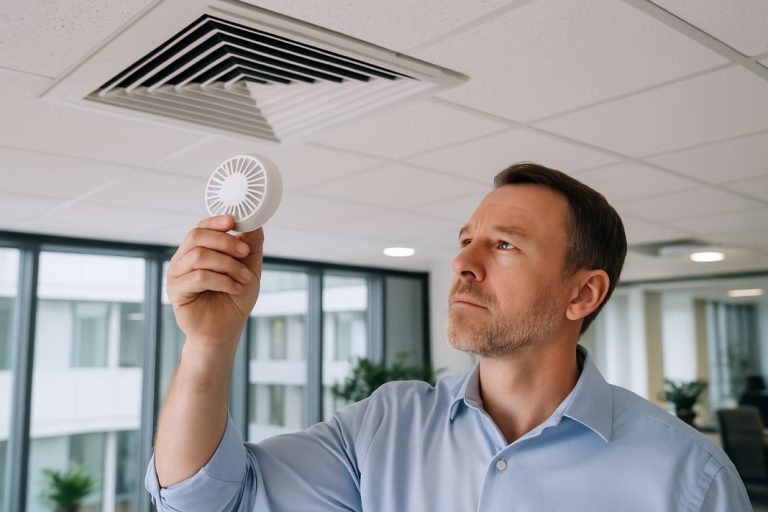
Pro Tip: Keep your extractor fans clean and dust-free to ensure they perform properly all winter.
How to Recognise Winter Damp Before It Becomes a Problem?
Winter damp does not always make itself known right away. It often starts gradually, so it is important to stay alert to early warning signs. One of the most obvious is condensation inside windows, especially in the morning. This tends to appear in rooms where ventilation is limited or where moisture is regularly produced, such as kitchens, bathrooms, or bedrooms.
Other signs include a musty or stale smell in closed rooms, particularly those that are not used often or kept sealed. You might notice small patches of black mould forming behind furniture, in room corners, or on exterior-facing walls. Wallpaper may start to peel, or paint may bubble or flake. Even touching a wall and feeling a cool dampness is a strong indicator of high relative humidity.
It is also worth noting that those with asthma or breathing difficulties may find their symptoms worsen during the colder, damper months. The NHS and Health and Safety Executive both highlight the connection between indoor air quality and respiratory health. A damp home is more than just uncomfortable. It can genuinely affect your wellbeing.
Why Ventilation Is the Key to Stopping Winter Damp?
When air is static, moisture accumulates. That is where ventilation comes in. It provides a route for moist air to escape and allows fresher, drier air to enter. This exchange is essential for keeping humidity at a manageable level and preventing condensation from forming on cold surfaces.
There are two main types of ventilation: natural and mechanical. Natural ventilation includes things like window openings, trickle vents, and air bricks. These allow air to circulate when windows are open or when airflow paths are unobstructed. They are simple and low-cost, but not always reliable, especially in the winter months when people are reluctant to open windows due to the cold.
Mechanical systems such as Mechanical Extract Ventilation (MEV) and Mechanical Ventilation with Heat Recovery (MVHR) provide a more consistent solution. These systems extract damp air and replace it with filtered, dry air from outside. MVHR systems even recover heat from outgoing air, maintaining warmth while improving air quality. In homes that are highly insulated or airtight, these systems ensure that airflow continues even when windows stay shut.
UK Building Regulations Part F and guidance from the Chartered Institute of Building Services Engineers (CIBSE) define the minimum airflow levels needed to maintain healthy indoor environments. If natural ventilation does not keep up with your home’s moisture load, mechanical ventilation offers a more reliable and efficient alternative.
Everyday Habits That Help Reduce Damp in Cold Weather
Tackling winter damp does not always require major renovations. Small changes to your daily habits can go a long way. Cooking with lids on pots and using extractor fans while preparing meals helps limit the amount of steam released into the air. After a shower, running the bathroom fan for 15 to 20 minutes helps remove excess moisture. Opening a window, even just for ten minutes, can quickly refresh a room’s air and reduce humidity.
When it comes to laundry, avoid drying clothes in enclosed rooms without ventilation. If you cannot dry them outside, use a room with an extractor fan or open window. It also helps to leave a gap between large furniture and external walls, as this allows air to circulate and prevents mould from forming in stagnant air pockets. Keeping your heating at a consistent, moderate level helps avoid sharp temperature drops that increase the likelihood of condensation.
Public organisations such as the Energy Saving Trust and local authorities regularly recommend these low-cost methods to prevent winter condensation. These simple steps can significantly reduce your home’s internal moisture load and make a noticeable difference in both comfort and air quality.
Say Goodbye to Damp for Good
Don’t let mould and condensation return next winter. Discover long-term ventilation solutions tailored for your space.
Do Indoor Plants Help or Hurt?
Indoor plants can be beneficial or problematic depending on how they are managed. Some, like peace lilies, English ivy, and Boston ferns, help absorb moisture and improve air quality. However, having too many plants in a single room, especially if they are overwatered, can actually increase humidity.
The key is moderation. Choose moisture-absorbing plants and avoid clustering them in small, enclosed spaces. Keep them in rooms that are well-ventilated and monitor their watering needs. This allows you to enjoy their benefits without contributing to the damp conditions you are trying to avoid.
When You Need More Than Habits: Mechanical Ventilation Options
If daily changes are not keeping moisture under control, mechanical ventilation might be necessary. These systems are designed to run quietly and continuously, keeping your home’s air dry and clean.
Mechanical Extract Ventilation (MEV) removes air from key moisture-producing areas like kitchens and bathrooms. MVHR systems go a step further by exchanging indoor and outdoor air while retaining the heat inside. These are ideal for modern, energy-efficient homes where natural airflow is limited.
Ventilation engineers or building surveyors typically assess your property to determine the right setup. If your home continues to struggle with condensation or mould despite good habits, providers such as RightAir can offer personalised guidance. Institutions like CIBSE and official building regulations help ensure these systems are installed and maintained to a safe and effective standard.
What Happens If You Ignore Damp During Winter?
Failing to address damp can lead to a series of serious consequences. Health is often the first concern. Mould spores released into the air can aggravate asthma, worsen allergies, and cause respiratory irritation. These risks are greater for children, older adults, and anyone with existing health issues.
Beyond health, damp also affects the building itself. Persistent moisture can cause paint to peel, plaster to flake, and wood to warp or rot. Once materials are damaged, repairs can become costly and time-consuming. A minor condensation issue can easily turn into a major home maintenance problem if left unaddressed.
Even if mould is not visible, it can still exist behind furniture, inside walls, or under floor coverings. This hidden damp can degrade indoor air quality and contribute to ongoing health issues. According to both the NHS and World Health Organization, living in a damp home can increase exposure to allergens and indoor pollutants.
Pro Tip: Monitor relative humidity using a simple hygrometer. Aim to keep it between 40 and 60 percent indoors.

Bringing It All Together: A Winter Ventilation Plan for a Dry, Healthy Home
Tackling winter damp does not have to be overwhelming. A few well-planned actions can help you stay ahead of moisture problems and keep your home feeling fresh and dry.
Start by recognising the warning signs such as condensation on windows, peeling paint, or that musty smell in closed rooms. Make ventilation part of your daily routine. Run extractor fans, open windows for short periods, and keep an eye on spots where damp tends to appear, like corners, wardrobes, and cold walls. Adjust your habits to reduce moisture generation and do not hesitate to seek expert advice if the problem continues.
Early Winter Maintenance Checklist
Clean extractor fans in bathrooms and kitchens to ensure proper airflow.
Make sure trickle vents are open and not blocked by dust or debris.
Pull large furniture away from external walls to allow proper air circulation.
Check corners and ceiling edges for early signs of damp or black mould.
Keep heating steady and low throughout the season to reduce condensation risk.
By following this plan, your home can remain warm, dry, and comfortable all winter. A healthy indoor environment starts with managing moisture, and that starts with ventilation.
Get Expert Ventilation Advice
Struggling with winter damp or persistent condensation? Our specialists can assess your home and recommend the ideal ventilation setup.

Read Similar Blogs

Should you get your air conditioning serviced at the end of summer
Weak cooling, odours or noise after summer? End of summer air conditioning servicing can reveal faults early and help you decide whether to act now or wait.
Does air conditioning add value to a London home
Air conditioning can add value in London homes when it is quiet, discreet and well planned. See what buyers notice and what can weaken appeal.
Why is your air conditioning leaking water inside and when should you worry
Air conditioning leaking water inside can damage floors and ceilings fast. Spot the likely causes, safe checks and when to call an engineer.

RightAir Solutions