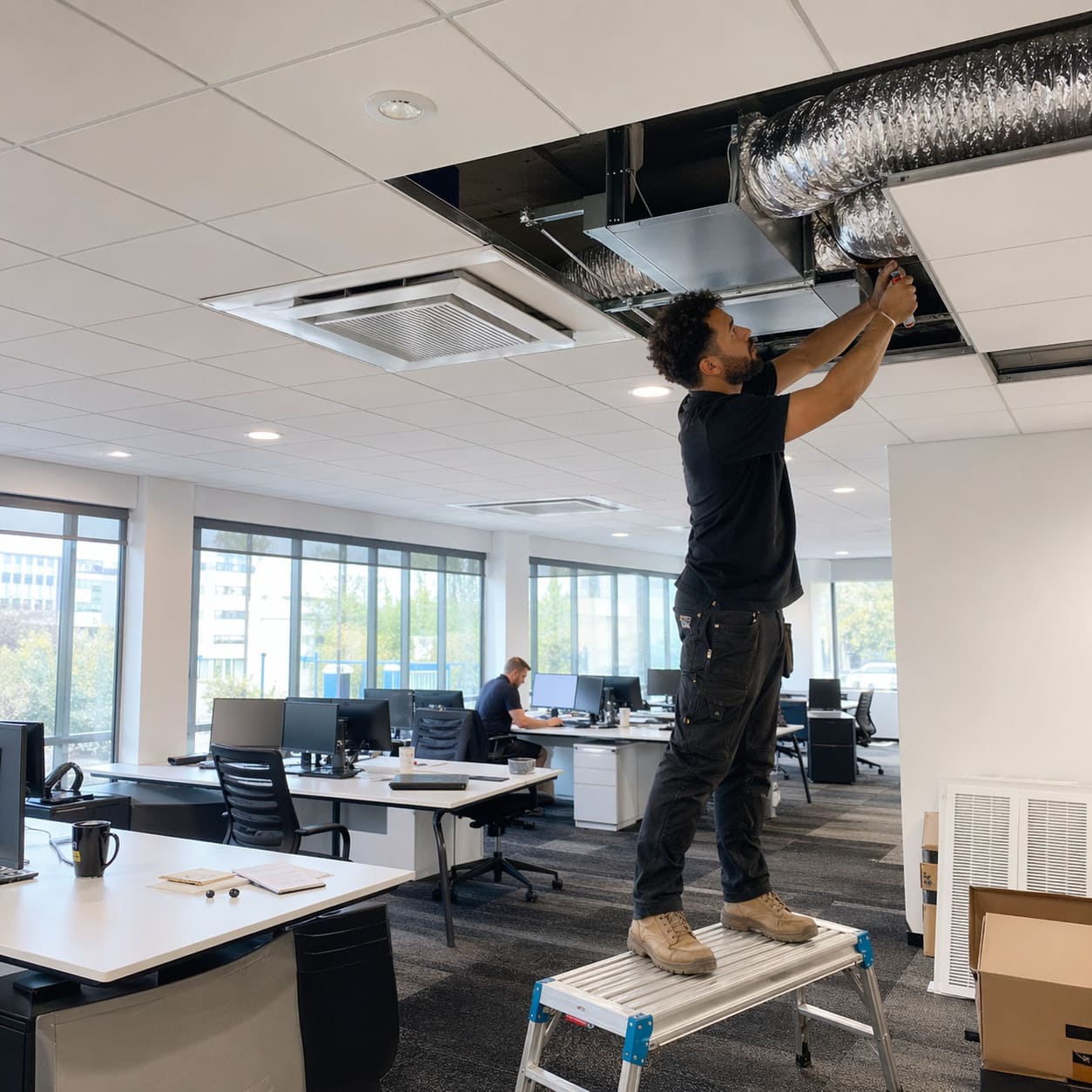

RightAir Solutions is a company that specialises in commercial air conditioning services.

What are key warning signs to look out for when choosing an air conditioning installer in London?

Look out for vague quotes without site visits, unclear system specifications, missing certifications, overemphasis on speed or price, weak communication, lack of aftercare planning, and inexperience with complex or heritage properties.

Table of Contents

Pro Tip: Always ask to see a completed specification sheet with BTU details and proposed unit placements before agreeing to a quote.

Site Visits Should Come Before Quotes

No two London properties are alike. Whether it is a period home in Maida Vale or a split-level flat in Notting Hill, layout, access, and insulation levels vary widely. A professional AC installation begins with a detailed site visit, where the installer assesses airflow potential, available space for units, and external constraints such as planning permissions or building regulations.

A premature quote without a visit often leads to underpowered systems, noisy equipment in unsuitable locations, or difficult retrofits that push up costs later. Site-specific inspections are not just good practice, they form the basis for effective system sizing and layout.

Red flags to watch for:

  • Quotes offered solely from a phone call or rough measurements
  • No questions about insulation, window exposure, or access points
  • No plan to check Building Regulations compliance, including Part F
  • Unclear obligations around structural drilling or external units

Careful installers bring measuring tools, check access routes, and offer advice shaped by experience with similar properties. A rushed quote, in contrast, may skip these steps entirely.

Be Wary of Vague System Specifications

Once the visit is done, the proposal should detail what is being installed and why. This includes the type of system, its capacity, placement of both indoor and outdoor units, and any smart controls or zoning options. These details influence comfort, noise levels, and energy use.

The proposal should not read like a template, nor should it be missing key figures such as BTU ratings or brand model numbers.

A good proposal will specify:

  1. System type (e.g. Split, multi-split, ducted, VRF)
  2. Capacity matched to room sizes
  3. Preferred equipment brands and model numbers
  4. Indoor unit placements and concealment options
  5. Smart thermostat choices, zoning, and control options

A vague proposal makes it difficult to compare quotations or spot shortcuts. Questions are a fair part of the process. A competent installer will explain each choice with reference to your property’s layout and usage. Poorly defined specs often result in mismatched equipment that runs inefficiently or stands out visually in an otherwise considered space.

Request a Professional Site Visit

Book a no-obligation site assessment with our experienced AC engineers to ensure correct sizing and compliance.

Always Check F-Gas Certification and Insurance

In the UK, anyone handling refrigerants must hold F-Gas certification. This ensures legal compliance and protects you from risk during and after installation. Installers must also hold appropriate liability and indemnity insurance. Together, these credentials are the baseline of a competent service.

You can verify certification through the F-Gas Register or REFCOM. Reputable firms typically include these details without being prompted.

What to request or check:

  • F-Gas certificate or registration number
  • Public liability and indemnity insurance proofs
  • Any trade body memberships (e.g. REFCOM, BESA)

Working with an uncertified installer introduces safety issues and may void warranties. It also leaves you liable if damage occurs during works. RightAir Solutions, for instance, ensures credentials are shared as part of the standard client briefing, which reflects the level of professionalism you should expect.

Pro Tip: Heritage-listed or conservation-area properties may require planning checks for outdoor units, so ask early about regulatory experience.

Caution Around Over-Promised Speed or Pricing

Quotes that focus heavily on fast turnaround or unusually low cost often mask a volume-driven approach. This can result in hurried site preparation, overlooked building constraints, or after-the-fact variations. While efficiency is important, quality installations tend to follow a predictable rhythm of inspection, planning, and coordinated work.

Shortcuts are rarely invisible. Poorly mounted piping, exposed trunking across rooms, and noisy units are frequent markers of time or budget-driven site work. There is also a risk of limited after-sales response if the installer moves quickly between jobs.

Speed/Price-led quotes often:

  • Use generic equipment without room-by-room planning
  • Avoid time-consuming fixes such as wall chasing or concealed pipework
  • Don’t factor in post-install acoustic checks
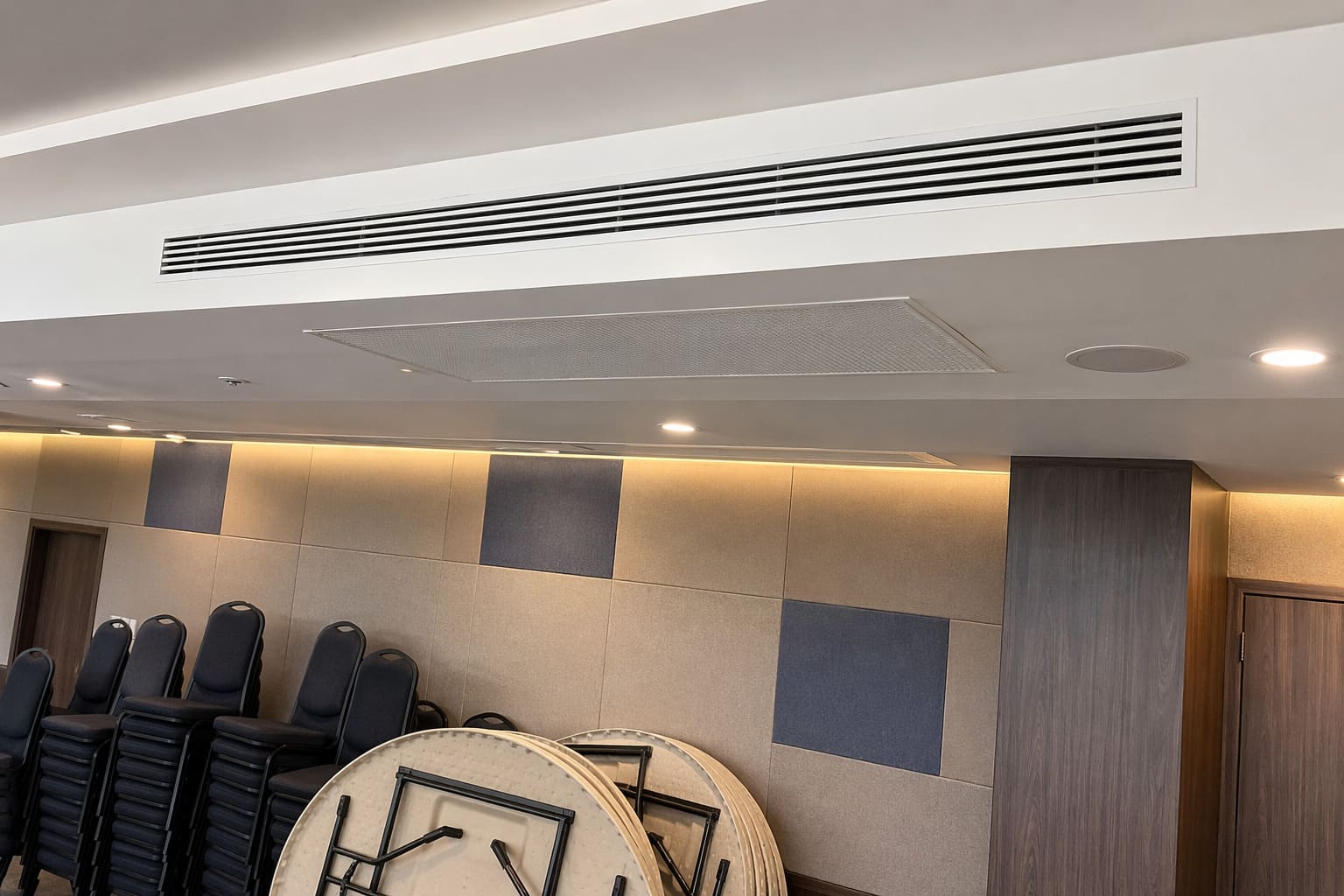
  • Ignore aesthetic integration

In contrast, quality-led installers:

  • Build in time for neat and discrete installation
  • Match system output to space usage patterns
  • Consider visual and sound integration from the outset

It is not about avoiding reasonable timelines or fair pricing. The warning sign is when speed and low cost are the headline features.

Disorganised or Evasive Communication

If you are chasing replies during the quoting stage, consider what that might mean for ongoing work, scheduling, or support down the line. Consistent, timely communication signals professionalism and is closely tied to how well a project is managed.

Red flags to look out for:

  • Long gaps between replies with no explanation
  • Vague responses to clear questions
  • Apparent reluctance to confirm dates, equipment or methods
  • Failure to send written follow-ups or documentation

Reliable installers will agree on communication methods, confirm plans in writing, and offer named contacts. They may even provide a light overview of the installation timeline. This helps build comfort before any works begin.

RightAir Solutions, for example, takes a communication-led approach that ensures clients are informed without being overwhelmed. This level of attentiveness allows for smoother scheduling and clearer expectations throughout.

Verify Our Certifications

We share full F-Gas credentials and insurance documentation with every proposal for peace of mind.

No Mention of Maintenance or Aftercare

An experienced air conditioning contractor will naturally speak about service intervals, aftercare options, or system longevity. If the entire conversation ends at installation, that is a signal of a short-term focus. Well-maintained systems last longer, run more efficiently, and minimise breakdown risks.

Good aftercare discussions should include:

  1. Filter replacement timelines
  2. Seasonal maintenance or cleaning recommendations
  3. Refrigerant check protocols
  4. Advice on maintaining smart controls or zoning
  5. Optional servicing agreements or reminder systems

Without regular upkeep, performance can drop, filters become clogged, and units may emit odours or noise. Maintenance is not an upsell. It is a necessary aspect of responsible system ownership. Installers should make this clear from the beginning.

Limited Experience with Complex or Heritage Properties

Installing AC in London often involves more than just fitting a unit on the wall. Many properties feature unusual layouts, heritage constraints, or finish materials that require more careful handling. A lack of experience in these environments can lead to visual damage, inefficient installations, or failed planning approvals.

Common challenges in older or complex properties:

  • No obvious route for pipework without chasing or loss of heritage features
  • Restrictions on exterior visual impact in conservation areas
  • Access limited by stairwells, internal structures, or ceiling voids
  • Sound transmission in adjoining flats or terraced homes

What to ask an installer:

  • Have they worked in similar properties before?
  • Can they conceal pipework or units to preserve interiors?
  • How do they handle external mounting with restrictions?
  • Do they liaise with structural engineers or conservation officers?

Installers with experience in these contexts, such as those familiar with Maida Vale or Kensington’s heritage stock, will approach each project with a balance of discretion and compliance. When done correctly, the result is a system that works efficiently without compromising the building’s character.

Hiring the right AC installer in London requires more than collecting price quotes. It involves interpreting the quality of the process before anything is fitted. A well-qualified, communicative professional who plans for longevity and respects the nature of your property can make all the difference. Attention at the start protects comfort, efficiency, and satisfaction for years to come.

Plan for Long-Term Comfort

Learn more about our maintenance agreements and aftercare options to keep your system running effectively.

Share

Read Similar Blogs

RightAir Solutions

32 Donnington Rd, London NW10 3QU
 
020 3886 2326
 
GQRC+JX London