How does an aircon system work in the UK and what should homeowners know?
An air conditioning system operates by extracting heat and humidity from indoor air and releasing it outdoors, helping maintain indoor temperature and comfort. In the UK, where warmer summers are becoming more frequent and some homes lack traditional cooling infrastructure, reverse cycle air conditioning offers both heating and cooling. These systems rely on a refrigerant that continuously circulates through a sealed loop, shifting between liquid and gas states to transfer heat. Throughout the process, air is filtered, moisture is removed, and room temperatures are stabilised to match user settings.
- Why More UK Homes Are Turning to Air Conditioning
- Updated Technical Detail: Five-Stage Refrigeration Cycle
- Extended Insights: Key Functions Beyond Cooling
- Clarification of System Types
- Expert Note on Energy Saving
- Choosing the Right Aircon System
- Importance of Professional Installation
- Aircon Maintenance and Troubleshooting
- Health and Comfort Benefits
- Smart Features and Home Integration
- Running Costs and Value
- Aircon and Home Security
- Why Air Conditioning is Becoming a Practical Choice Across the UK
- FAQs
Why More UK Homes Are Turning to Air Conditioning
With more households in the UK now turning to air conditioning for comfort and indoor air quality, it’s helpful to know what goes on inside the system. RightAir Solutions explains how modern aircon units function, what parts are involved, and how these systems benefit homes and businesses beyond cooling.
Pro Tip: Regularly cleaning or replacing your air filters can cut energy use by up to 15 percent and significantly improve indoor air quality.
Updated Technical Detail: Five-Stage Refrigeration Cycle
Compression – The compressor pressurises refrigerant gas, increasing its temperature and moving it to the condenser coil.
Condensation – In the outdoor unit’s condenser coil, the refrigerant releases heat into the outside air. It condenses into a high-pressure liquid.
Expansion – The refrigerant flows through an expansion valve, reducing its pressure and temperature significantly.
Evaporation – The cold refrigerant enters the evaporator coil indoors. Warm air from the room passes over the coil, transferring heat into the refrigerant and cooling the air.
Air Distribution – The system’s fan distributes the cooled air back into the room while the now gaseous refrigerant cycles back to the compressor.
This continuous loop removes heat and humidity from indoor air while keeping room temperatures consistent.
New Details: Central and Split System Configuration
Modern air conditioning systems in UK homes usually follow a split-system layout, with key components including:
A thermostat that initiates and regulates operation
An indoor unit (containing the evaporator coil and blower)
An outdoor unit (with the compressor and condenser coil)
Copper tubing for refrigerant flow
An expansion valve to control refrigerant volume entering the evaporator
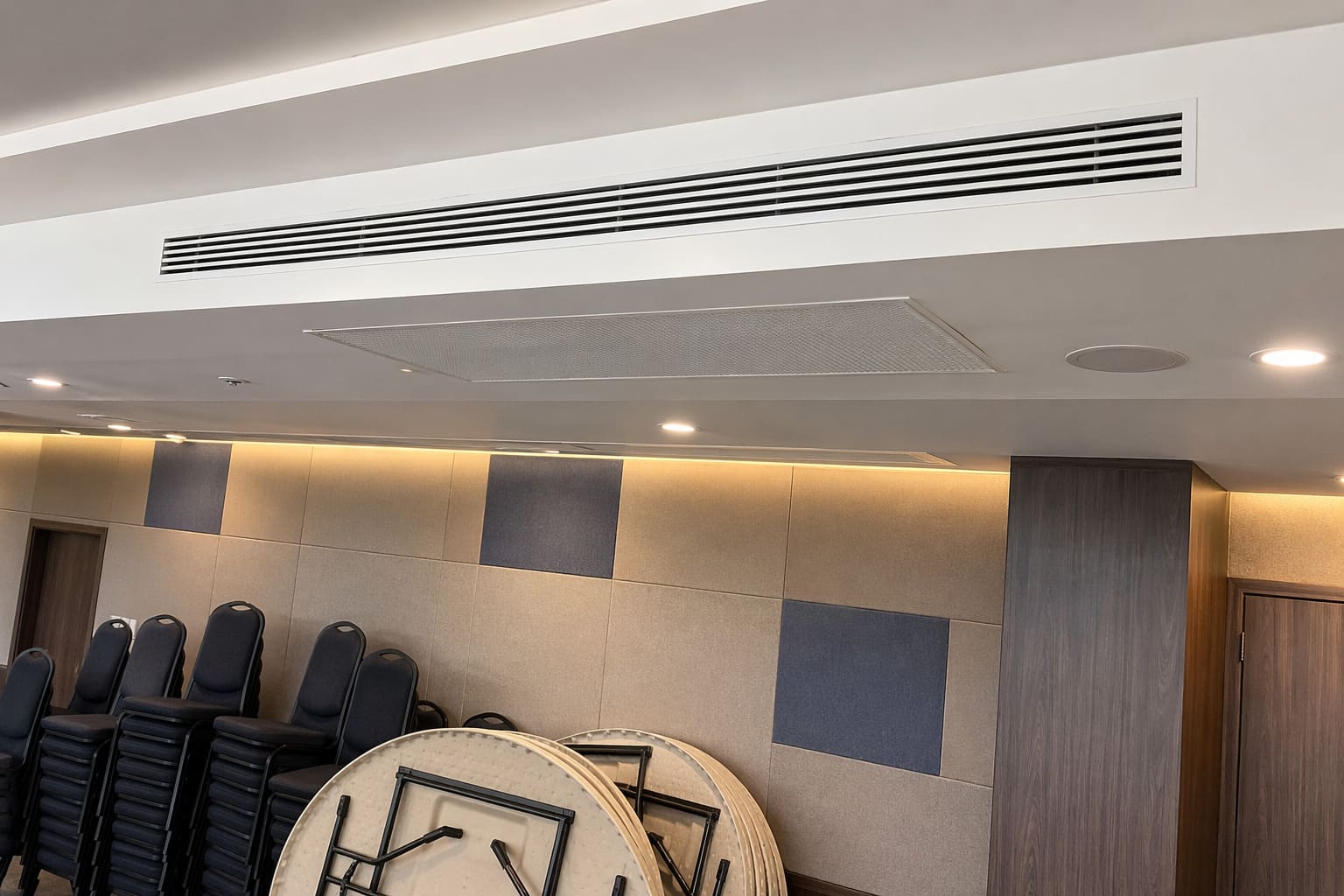
Ductwork or direct air vents for circulation
Pro Tip: Installing an inverter air conditioning system can reduce long-term running costs by adjusting power output to match real-time cooling demand.
Extended Insights: Key Functions Beyond Cooling
- Air Quality Control – Filtration systems in aircon units remove dust, pollen and airborne contaminants, helping reduce symptoms for allergy or asthma sufferers.
Humidity Reduction – By condensing moisture from warm air, air conditioning prevents mould growth and lowers humidity in homes and offices.
Consistent Airflow – Modern systems use variable-speed fans to keep air circulation gentle but constant, enhancing thermal comfort without draughts.
Book Your Professional Installation Today
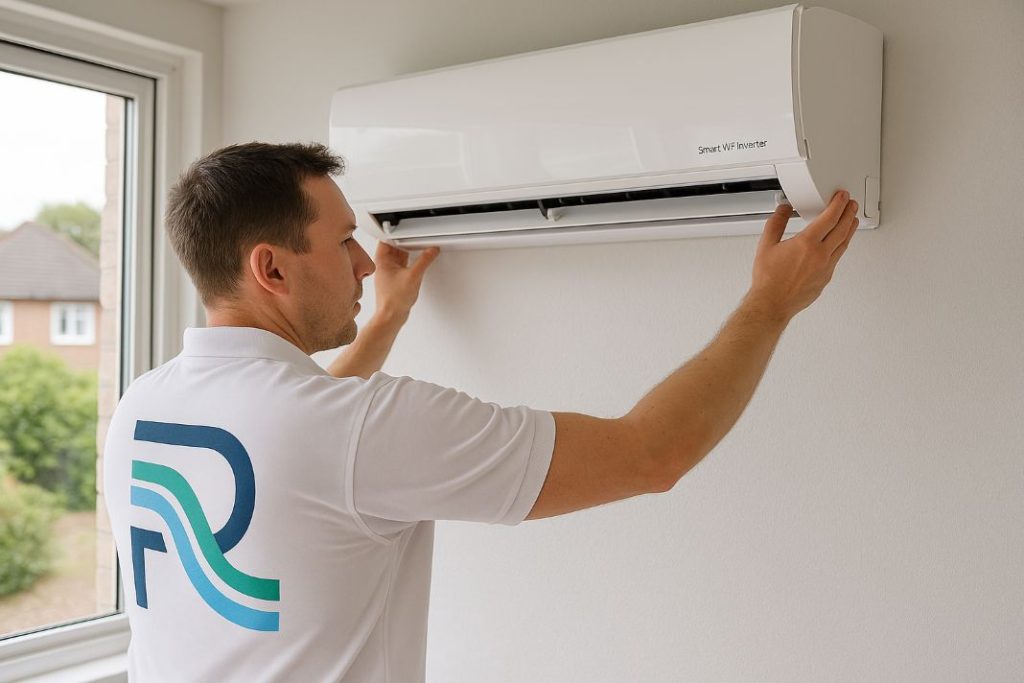
Ensure peak performance with expert aircon fitting by RightAir - London's air conditioning installation expert.
Clarification of System Types
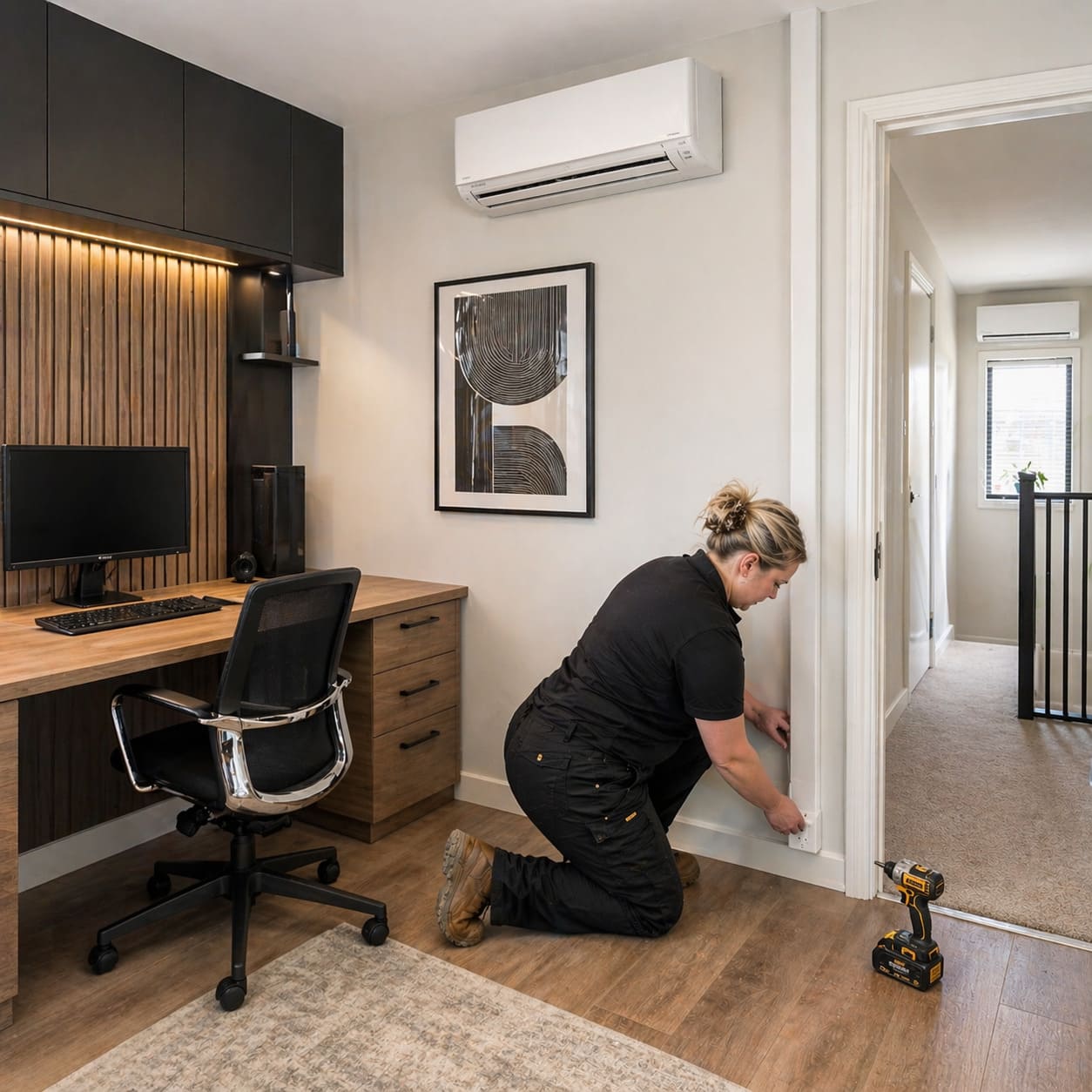
Split Systems – Most common for residential homes, combining indoor and outdoor units. They provide consistent cooling and heating with individual room control.
Packaged Systems – Common in commercial settings or flats with limited space. All components are in one unit placed externally.
Ductless Systems – Great for retrofitting older homes. Each room has its own unit, connected to an outside compressor through small conduits.
These setups vary in efficiency, installation complexity and noise level. For homes in the UK without ducting, ductless mini splits are a smart alternative.
Expert Note on Energy Savings
A high SEER (Seasonal Energy Efficiency Ratio) unit can significantly cut energy bills. Inverter-based systems also allow for energy efficient operation by adjusting compressor speed rather than turning on and off repeatedly. These technologies, combined with smart thermostat controls, offer both convenience and savings.
Choosing the Right Aircon System
Room Size and Insulation – Large or poorly insulated spaces may require higher capacity systems.
Usage Patterns – Regular use in bedrooms or home offices calls for quiet and efficient models.
Layout and Ducting – Ductless options are ideal where installing ductwork is difficult.
Brands Available – Consider options like Mitsubishi Electric, Daikin, Panasonic, Fujitsu, and Toshiba for reliable systems in the UK.
Importance of Professional Installation
Correct Sizing and Placement – Proper installation prevents short cycling and inefficiency.
Electrical and Plumbing Safety – Certified installers ensure compliance with UK regulations.
Warranty and Support – Professional installation protects warranty and provides access to service plans.
Aircon Maintenance and Troubleshooting
Filter Replacement – Clean or replace every 1 to 3 months.
Annual Servicing – Recommended for optimal performance and longevity.
Common Issues – Look for water leaks, odd noises or insufficient cooling. These can indicate clogged filters, low refrigerant or faulty sensors.
Health and Comfort Benefits
Improved Sleep – Stable temperatures reduce night-time awakenings.
Respiratory Relief – Aircon systems help filter dust, allergens and pollutants.
Humidity Control – Prevents damp, mould and musty odours.
Smart Features and Home Integration
Smart Thermostats – Compatible with Google Nest, Honeywell, and Tado°.
Mobile and Voice Control – Adjust settings via app or smart speaker.
Zoning – Individual control per room improves comfort and efficiency.
Running Costs and Value
Energy Use – Inverter systems reduce energy bills over time.
Seasonal Cost Estimates – Expect £0.15–£0.35 per hour depending on unit size and electricity rates.
Government Incentives – Some systems qualify for green home grants or reduced VAT.
Aircon and Home Security
Closed Windows – Reduces risk of break-ins and external noise.
Fewer Insects – Filtration prevents pest entry.
Quieter Indoors – Avoids outside noise and enhances sleep quality.
Why Air Conditioning Is Becoming a Practical Choice Across the UK
Air conditioning in the UK is no longer limited to luxury homes. With flexible options including split, ductless and inverter-based systems, aircon has become an energy smart solution for comfort, health and air quality. Whether you live in a flat, townhouse or large property, RightAir Solutions helps you choose, install and maintain the perfect system for your space.
Frequently Asked Questions
1. What size air conditioning unit do I need?
It depends on the room size, insulation, ceiling height and sunlight exposure. A professional survey is the best way to match capacity to your needs.2. Can a single air conditioner cool multiple rooms?
Yes, with a multi split or ducted system, one outdoor unit can support several indoor units placed in different rooms.3. How does an inverter AC save energy?
Instead of switching on and off, inverter air conditioners adjust compressor speed to maintain a constant temperature. This uses less energy and reduces wear on components.4. Does an air conditioner filter out pollutants and allergens?
Yes. Filters in aircon systems trap dust, pollen and airborne particles. Some models also have activated carbon or HEPA filters for better air purification.5. What is SEER and why does it matter?
SEER stands for Seasonal Energy Efficiency Ratio. It measures how efficiently a system operates over an average cooling season. A higher SEER rating means lower running costs.
Read Similar Blogs

What happens to your air conditioning system if you skip servicing for years?
Discover how neglected air conditioning impacts performance, costs, and air quality over time. Learn what to expect if maintenance has been skipped.

How to cool a basement flat in London without it costing a fortune
Discover practical ways to keep your London basement flat cool without spending a fortune. Find expert tips for efficient, affordable comfort in summer.

How rising refrigerant costs could affect what you pay for air conditioning servicing
Discover how changes in refrigerant prices can impact your air conditioning servicing costs and learn practical steps to manage future maintenance expenses.
RightAir Solutions