What Are the Effects of Air Conditioning on Health in Homes and Workplaces?
Air conditioning systems significantly influence indoor environments and individual well-being. While they offer relief from excessive heat and support thermal comfort, these systems can also contribute to various health concerns when poorly maintained or misused. Understanding the health effects of air conditioning is essential for homeowners, businesses, and healthcare providers to ensure that comfort does not come at the cost of well-being.
- The Rise of AC Use in Modern Lifestyles
- Why Understanding AC’s Health Effects Is Crucial
- Positive Health Effects of Air Conditioning
- Hidden Risks and Side Effects of Air Conditioning
- Impact on Vulnerable Populations
- Sick Building Syndrome and Occupational Effects
- Air Quality and Indoor Pollution from AC
- Psychological and Behavioural Impacts
- Modern Smart AC Technologies and Health Benefits
- Ideal AC Settings for Optimal Health
- Preventive Measures to Minimize AC Health Risks
- Air Conditioning in Healthcare and Educational Settings
- Sustainable and Health-Focused AC Practices
- Expert Advice from RightAir Solutions
- Conclusion: Staying Cool and Staying Healthy
- Frequently Asked Questions
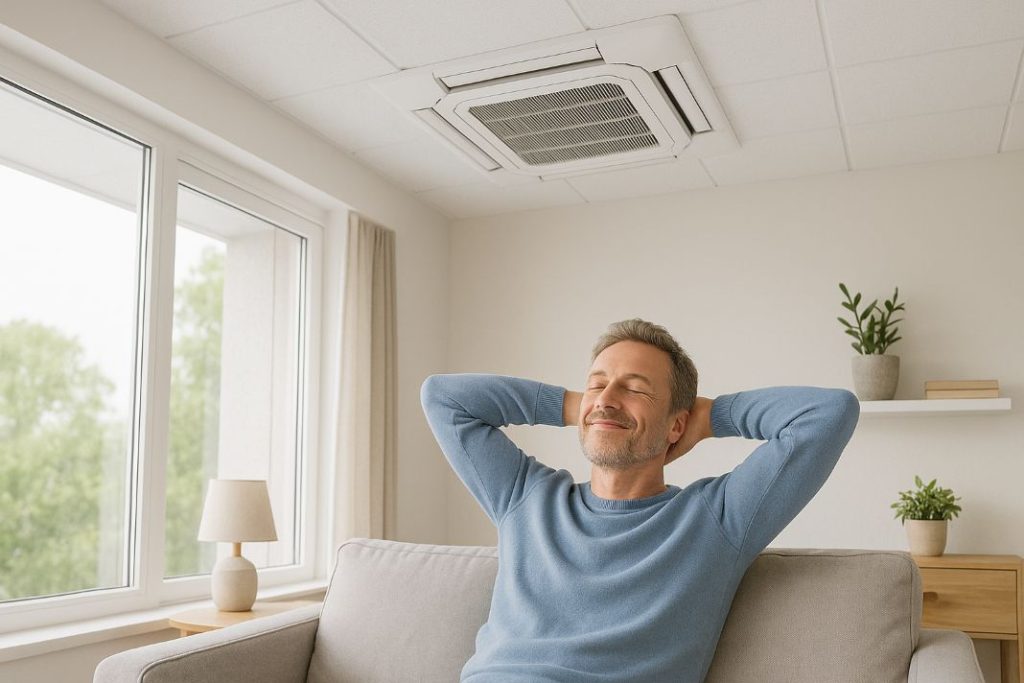
The Rise of AC Use in Modern Lifestyles
Air conditioning is now a staple feature in homes, offices, vehicles, and healthcare facilities across the UK. As summers become hotter and more unpredictable, demand for climate control has surged. With prolonged indoor stays and rising reliance on artificial cooling, the importance of monitoring health impacts has never been greater.
Pro Tip: Combine air conditioning with a humidifier. This helps balance moisture levels and reduces the dryness that leads to skin and respiratory issues.
Why Understanding AC's Health Effects Is Crucial
Although air conditioning provides a controlled indoor climate, it alters indoor air quality, humidity, and temperature dynamics. These shifts influence physical, respiratory, and psychological health. The effects are even more pronounced among vulnerable groups such as the elderly, children, and individuals with chronic health conditions.

Positive Health Effects of Air Conditioning
Heatstroke Prevention and Thermal Comfort
Efficient air conditioning protects against heat stress, especially during UK heatwaves. By regulating indoor temperatures, it reduces the risk of dehydration, heat exhaustion, and cardiovascular strain. Vulnerable populations such as the elderly and people with chronic conditions benefit immensely from consistent thermal regulation.
Improved Sleep Quality and Mental Focus
Cooler nighttime temperatures supported by AC use have been linked to deeper sleep and reduced night-time restlessness. Research shows that optimised indoor climates improve concentration, reduce daytime fatigue, and promote cognitive clarity in workspaces and schools.
Reduced Allergens and Pollutants (With Proper Filtration)
Air conditioning units fitted with HEPA or activated carbon filters can reduce the presence of pollen, dust mites, mould spores, and volatile organic compounds. This improves breathing conditions, particularly for asthma and allergy sufferers.
Support for Respiratory and Cardiac Conditions
Controlled environments with stable humidity and temperature levels reduce the frequency of asthma flare-ups and respiratory distress. For cardiac patients, heat management via air conditioning can decrease the likelihood of cardiovascular episodes during extreme temperatures.
Pro Tip: Check your filter every 30 days. Even high-efficiency filters can become blocked faster during pollen season or with pets indoors.
Hidden Risks and Side Effects of Air Conditioning
Dry Skin, Eyes, and Mucous Membranes
Excessive air conditioning use can lower indoor humidity below healthy levels. This often leads to dry eyes, flaky skin, and irritation in nasal passages. Symptoms are exacerbated in environments without humidification, especially in commercial buildings and office settings.
Respiratory Irritation and Infections
Dry air impairs mucosal defences, increasing vulnerability to infections such as pharyngitis and sinusitis. Rapid shifts between hot outdoor and cold indoor air can also trigger throat irritation and nasal congestion.
Fatigue, Sluggishness, and Headaches
Though cooling can enhance comfort, improperly maintained or overly cold AC units contribute to lethargy and tension headaches. Poor air circulation and the recirculation of stale air exacerbate these symptoms.
Worsening of Eczema, Asthma, and Sinusitis
Low humidity from consistent AC usage can trigger flare-ups of dermatological and respiratory conditions. Individuals with atopic dermatitis or rhinitis often report worsened symptoms in air-conditioned environments lacking ventilation or humidification.
Impact on Vulnerable Populations
Children and the Elderly
Children have underdeveloped thermoregulatory systems and are more sensitive to temperature extremes. Older adults often have diminished thermal perception, making them susceptible to hypothermia in overcooled spaces or heat-related complications in poorly ventilated areas.
Individuals with Chronic Health Conditions
People living with asthma, chronic obstructive pulmonary disease (COPD), and cardiovascular issues require controlled environments. However, exposure to poorly maintained AC units can increase hospital admissions and symptom severity.
Pregnant Individuals and Newborns
Pregnancy increases susceptibility to heat stress and circulatory fluctuations. Newborns, who cannot regulate their temperature well, benefit from consistent climates but are also at risk if humidity and temperature levels are not balanced.
Sick Building Syndrome and Occupational Effects
AC’s Role in SBS: Headaches, Dizziness, Fatigue
Sick Building Syndrome is commonly linked to poorly ventilated, air-conditioned spaces. Symptoms such as eye irritation, dry throat, dizziness, and nausea often occur due to chemical contaminants, stale air, or microbial growth in HVAC systems.
Case Studies from Office Environments
Studies have found higher reports of discomfort and illness in air-conditioned offices compared to naturally ventilated buildings. Nasal congestion, lethargy, and increased absenteeism were notably more frequent in closed systems without adequate air changes.
Effects on Workplace Productivity and Morale
While cooling improves comfort, overcooling or unbalanced airflow can create discomfort and lower morale. Temperature inconsistencies within shared spaces often lead to conflict, distraction, and reduced overall productivity.

Air Quality and Indoor Pollution from AC
VOCs, Dust, Mould, and Bacterial Spread
Without regular maintenance, AC units accumulate dust and moisture, encouraging mould and bacterial growth. Volatile organic compounds from cleaning products, furnishings, and paint are also recirculated in closed-loop systems.
Role of Filters, UV Lights, and HEPA Systems
Installing high-efficiency particulate filters and ultraviolet purification systems significantly enhances indoor air quality. These additions reduce the microbial load and airborne allergens, contributing to healthier breathing spaces.
Signs Your Indoor Air is Polluted
Musty smells, visible dust buildup, condensation on vents, and recurring respiratory symptoms may indicate indoor air pollution linked to an unmaintained air conditioning system. Regular inspections and filter replacements are vital.
Psychological and Behavioural Impacts
Temperature and Mood Correlation
Ambient temperature directly affects mood regulation. Uncomfortably cold or inconsistent environments may contribute to anxiety, irritability, or low energy levels. Balanced indoor climates foster psychological stability and comfort.
Over-dependence and Heat Intolerance
Prolonged reliance on AC reduces natural heat tolerance. Individuals who spend extended periods in cooled environments often experience heat sensitivity, excessive sweating, and discomfort when exposed to warm temperatures.
AC Settings and Cognitive Performance
Temperature extremes can impair focus and memory. Research suggests that indoor temperatures between 21 to 25°C offer optimal conditions for cognitive performance and decision-making.
Modern Smart AC Technologies and Health Benefits
Air Quality Monitors and Humidity Sensors
Smart air conditioners integrate air quality and humidity sensors, allowing real-time monitoring and control. These systems adjust automatically to maintain optimal indoor conditions.
Self-Cleaning and Antimicrobial Technologies
Modern HVAC systems come equipped with antimicrobial coatings and self-cleaning features, significantly reducing microbial accumulation and lowering maintenance demands.
Eco-conscious Refrigerants and Inverter Systems
Energy-efficient inverter systems and low-GWP refrigerants such as R32 improve sustainability while ensuring consistent indoor comfort. These technologies are essential in aligning environmental responsibility with health-conscious climate control.
Ideal AC Settings for Optimal Health
Recommended Temperature and Humidity Levels
Maintaining indoor temperatures between 21 and 25°C with relative humidity levels of 40 to 60 percent helps preserve respiratory health and skin hydration.
Seasonal Adjustments
In winter, set temperatures to a comfortable but moderate level to prevent mucosal dryness. Summer settings should avoid abrupt cooling to prevent thermal shock.
Avoiding Thermal Shock
Gradual temperature transitions reduce strain on the cardiovascular and respiratory systems. This is especially important when moving from outdoor heat into cooled indoor environments.
Preventive Measures to Minimize AC Health Risks
Maintenance Checklist and Cleaning Routines
Inspect filters monthly and replace them every 90 days. Clean condensate drains, ensure ductwork is sealed, and schedule annual professional servicing to uphold air quality.
Choosing the Right Filter and System
Opt for systems compatible with HEPA filters or activated carbon units for superior filtration. Look for units that support smart controls and energy efficiency certifications.
Use of Humidifiers and Indoor Plants
Integrate humidifiers during dry months and decorate with indoor plants like peace lilies or spider plants to naturally improve air quality and moisture balance.
Air Conditioning in Healthcare and Educational Settings
Infection Control in Hospitals
In medical facilities, AC systems play a critical role in infection control. High-efficiency filtration, isolation airflow management, and air sterilisation protocols are standard requirements.
Safe Environments for Children in Schools and Nurseries
Proper ventilation and humidity regulation in schools support children’s respiratory and cognitive development. Regular maintenance ensures reduced allergen exposure and healthier classroom air.
Sustainable and Health-Focused AC Practices
Energy Efficiency Meets Wellness
Efficient systems not only cut energy costs but also provide consistent temperatures and cleaner air, promoting occupant health and reducing carbon emissions.
Green Building Standards (WELL, LEED)
Air conditioning systems aligned with WELL and LEED standards enhance occupant well-being through verified air quality, temperature comfort, and energy sustainability.
RightAir’s Commitment to Healthy HVAC Design
RightAir Solutions ensures every installation prioritises long-term health and energy efficiency, offering tailored systems with advanced air purification and low-environmental-impact technologies.
Expert Advice from RightAir Solutions
Selecting an AC System with Health in Mind
Choose systems with multi-stage filtration, humidity control, and smart diagnostics. Ensure installation includes considerations for room size, airflow, and usage patterns.
Questions to Ask Your HVAC Provider
Ask about filter ratings (MERV or HEPA), maintenance frequency, refrigerant types, and compatibility with smart thermostats. Prioritise systems with proven indoor air quality performance.
Signs Your AC Might Be Affecting Your Health
Recurring dryness, fatigue, allergic symptoms, or increased illness frequency could signal a poorly performing or outdated AC unit. Seek professional assessment promptly.
Conclusion: Staying Cool and Staying Healthy – Energy Efficient Living
When used thoughtfully, air conditioning can greatly enhance comfort and health. Through informed choices, regular maintenance, and the integration of modern technologies, households and businesses can maintain clean, safe, and comfortable indoor environments. RightAir Solutions remains dedicated to helping you strike the perfect balance between wellness and climate control, today and into the future. Get Health and Home Comfort with RightAir Solutions – get in touch today for a free consultation. For more, HVAC Maintenance Tips, check out our resources centre.
Frequently Asked Questions
Can air conditioning cause health problems if used every day?
Yes, if an air conditioning system is used daily but isn’t cleaned or maintained regularly, it can lead to health issues such as dry skin, irritated sinuses, or worsened allergies. Keeping filters clean and managing temperature and humidity levels helps reduce these risks.
What’s the best temperature to set my air conditioner for good health?
For most homes and offices, setting the thermostat between 21 and 25°C keeps the space comfortable without drying out the air or overcooling. Try to keep humidity between 40% and 60% to support respiratory and skin health.
How can I tell if my air conditioner is making me ill?
If you start noticing frequent headaches, dry eyes, nasal irritation, or tiredness when indoors for long periods, your air conditioning system might be the cause. It could be circulating dust, mould, or other airborne particles.
Is central air better for allergies than wall units or portable ACs?
Central air systems with good-quality filters, especially HEPA or activated carbon options, tend to be more effective at filtering out allergens compared to smaller units. However, they must be maintained regularly to keep allergens at bay.
Do I need a humidifier if I use air conditioning regularly?
If your indoor air feels dry or you’re experiencing dry skin or sinuses, then yes, using a humidifier can help. It adds moisture to the air and works well alongside air conditioning during long periods of use, especially in summer.
Read Similar Blogs
Air conditioning for a London pub or bar: cooling busy rooms without the noise
Busy pubs need pub air conditioning that cools without crowd noise or neighbour complaints. See what layout, plant and survey choices matter.
Should you get your air conditioning serviced at the end of summer
Weak cooling, odours or noise after summer? End of summer air conditioning servicing can reveal faults early and help you decide whether to act now or wait.
Does air conditioning add value to a London home
Air conditioning can add value in London homes when it is quiet, discreet and well planned. See what buyers notice and what can weaken appeal.
RightAir Solutions